
Last Updated on September 17, 2026 by Tim L. | Founder of Pest Control Playbook | Reviewed for Scientific Accuracy by our Co-Founder, an Associate Certified Entomologist (ACE)
Waking up to find a spider crawling across your bedroom wall or ceiling can completely ruin your peace of mind. While most common household arachnids are legally classified as non-hazardous nuisances, discovering them in your personal sleeping space indicates a deeper environmental issue inside the structure.
Backed by decades of combined industry experience and the oversight of an Associate Certified Entomologist (ACE), understanding spider behavior is key to eliminating them. Spiders are strict predators that enter rooms hunting other living insects rather than food crumbs, meaning their presence signals an underlying prey population like silverfish, ants, or gnats.
💡 Professional Affiliate & Editorial Disclosure
Transparency Note: At Pest Control Playbook, our mission is to provide actionable, field-proven advice backed by 42 years of combined field experience. To keep our deep guides free and support the site, some of the links on this page are affiliate links. If you click through and buy a recommended professional-grade product, we may earn a small commission at no extra cost to you. We only recommend solutions we have personally used to solve real-world infestations in the field.
9 Reasons Spiders Are Invading Your Bedroom
- High Density of Hidden Prey Insects: Spiders patrol areas with micro-pests feeding on dust mites, fabrics, or paper.
- Excess Structural Clutter and Harborages: Dark, undisturbed clutter like storage boxes or laundry piles provide perfect hiding and breeding spots.
- Open Entry Vectors and Structural Gaps: Torn window screens, unsealed utility lines, and gaps under doors serve as highways for pests.
- High Moisture Profiles and Relative Humidity: Humidity and hidden plumbing leaks attract moisture-loving prey, drawing spiders right behind them.
- Overgrown Exterior Vegetation and Landscaping: Bushes or mulch touching exterior walls act as breeding grounds and easy entry points.
- Seasonal Temperature Drops and Micro-Climates: Falling autumn temperatures drive outdoor species toward the warm ambient air escaping your home.
- Incorrect Outdoor Lighting Setups: Standard exterior lights attract nocturnal flying insects, prompting spiders to build webs nearby and migrate indoors.
- Transporting Pests via Storage Items: Bringing seasonal items from dark garages or sheds directly into the bedroom transplants hidden spiders and egg sacs.
- Lack of Regular Physical De-Webbing and Vacuuming: Neglecting baseboards and ceiling corners allows spiders to establish permanent harborages.
The Professional Eradication Protocol
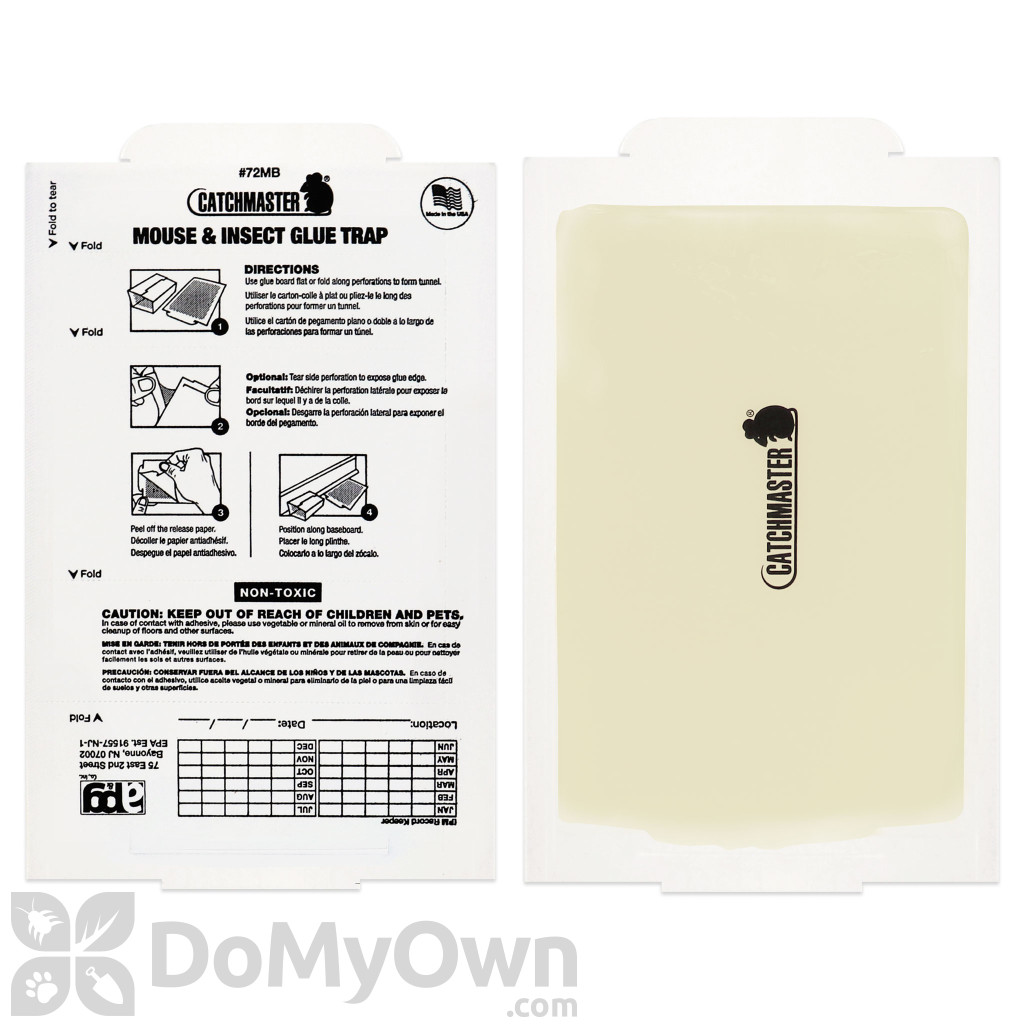
- Deploy Glue Board Monitors: Place sticky traps against baseboards to catch crawlers and identify prey insects.
- Apply Microencapsulated Residual Sprays: Utilize commercial concentrates like Demand CS or Onslaught FastCap to penetrate thick cuticles.
- Execute Structural Exclusion: Seal window tracks, utility penetrations, and door gaps with caulk and weather stripping.
- Physical De-Webbing and Sanitation: Remove visible webs and egg capsules to break the reproductive cycle.
🛒🛒 Click the Image Below to Buy the Exact Glue Traps that We Use in the Field to Eliminate Spiders 👇👇👇👇
Featured Cities in Our National Directory
Pest Control Playbooks’ nationwide directory connects clients with local vetted, trusted, and professional pest control companies across the country.
Need a professional exterminator in the Northern Virginia (NOVA) area? Check out our preferred providers in Alexandria and Woodbridge, VA.