Last Updated on September 6, 2026 by Tim L. | Founder of Pest Control Playbook | Reviewed for Scientific Accuracy by our Co-Founder, an Associate Certified Entomologist (ACE)
Finding a thick, dusty spider web in your basement corner is one thing, but watching a fast-moving wolf spider dart across your bedroom floor at night is enough to make anyone lose sleep. As summer shifts into fall, homeowners all over the country suddenly see an explosion of indoor spider activity.
Armed with a combined 42 years of active pest control field experience, along with my co-founder’s scientific training as an Associate Certified Entomologist (ACE), our team brings trusted experience and expertise to keep spiders out of your home all year long.
Here is the absolute truth about arachnid behavior: spiders do not enter your home looking to bite you. They are apex predators entering your structure for two distinct reasons: shelter from dropping temperatures and an abundant food supply of indoor insects.
The best way to keep spiders out of your house is to remove their food source and seal their entry paths. This guide breaks down the precise, field-tested perimeter checklist my crews use to lock down structures before the autumn migration begins.
💡 Professional Affiliate & Editorial Disclosure
Some links on this page are affiliate links, meaning a small commission may be earned on recommended professional-grade products (like pressurized backpack sprayers or commercial baits) at no extra cost to you.
🥉 Quick-Start Summary: The Master Spider Barrier System
If you want to stop arachnid invaders from breaking inside tonight, follow this four-tier exclusion strategy immediately.
🕸️ 1. MECHANICAL WEB REMOVAL: Strip away active egg sacs and webs using a cobweb duster or shop vac to drop the local population instantly.
🔒 2. EXCLUSION SEALING: Install thick, heavy-duty door sweeps and exterior-grade silicone caulk along your foundation line.
💡 3. LIGHTING ALTERATION: Switch out bright white porch bulbs for yellow LED bug lights to eliminate the insects that spiders eat.
🧪 4. PERIMETER DUSTING: Apply a fine layer of engineered silica dust into dry structural wall voids and crawl spaces.
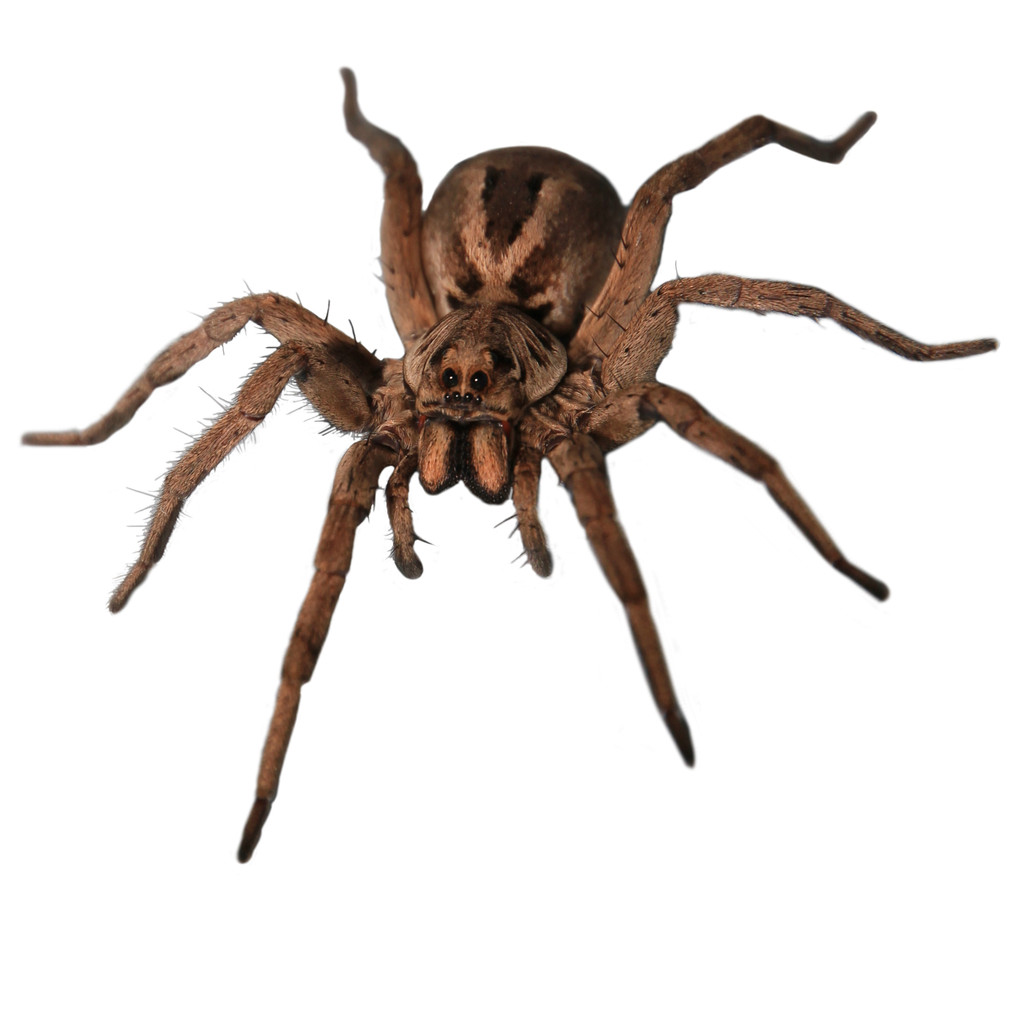
🕷️ The Biological Secret: Why Standard Sprays Often Fail
In my 13 years treating homes on the road, I have listened to countless homeowners complain that they sprayed retail bug barriers all over their baseboards, yet spiders walked right through it.
There is a clear biological reason for this: unlike ants or roaches, spiders have long, spindly legs that keep their bodies completely elevated off the floor. They do not ingest chemical barriers through grooming behaviors because they do not lick their feet.
To actually keep spiders away for the long haul, you must transition away from standard wet chemical applications and focus heavily on physical exclusion, structural dusting, and prey management.
🕵️ Step 1: Lock Down the Perimeter Entry Points
Spiders can squeeze through structural gaps as thin as a copper penny. Your initial line of defense must happen along the exterior foundation line before they ever cross your threshold.
- Foundation Transitions: Walk around your exterior siding and look for areas where the lower utility pipes, electrical conduits, and air conditioner refrigerant lines enter the sheetrock. Fill these gaps tightly with copper mesh or professional expanding foam.
- Door Sweeps: Stand inside your kitchen or garage during the day and look at the bottom of your exterior doors. If you see light shining through the bottom gap, a spider can slide right inside. Replace worn vinyl strips with a heavy-duty nylon brush door sweep.
- Window Screen Inspection: Check basement window wells and crawl space vents. Repair even the tiniest tears in the mesh screen using a patch kit, paying close attention to loose screen frames.
👉👉 Want to Know Why You Have So Many Spiders in Your Basement or Garage? Read This Now
🧹 Step 2: Strip Away the Webs and Active Egg Sacs
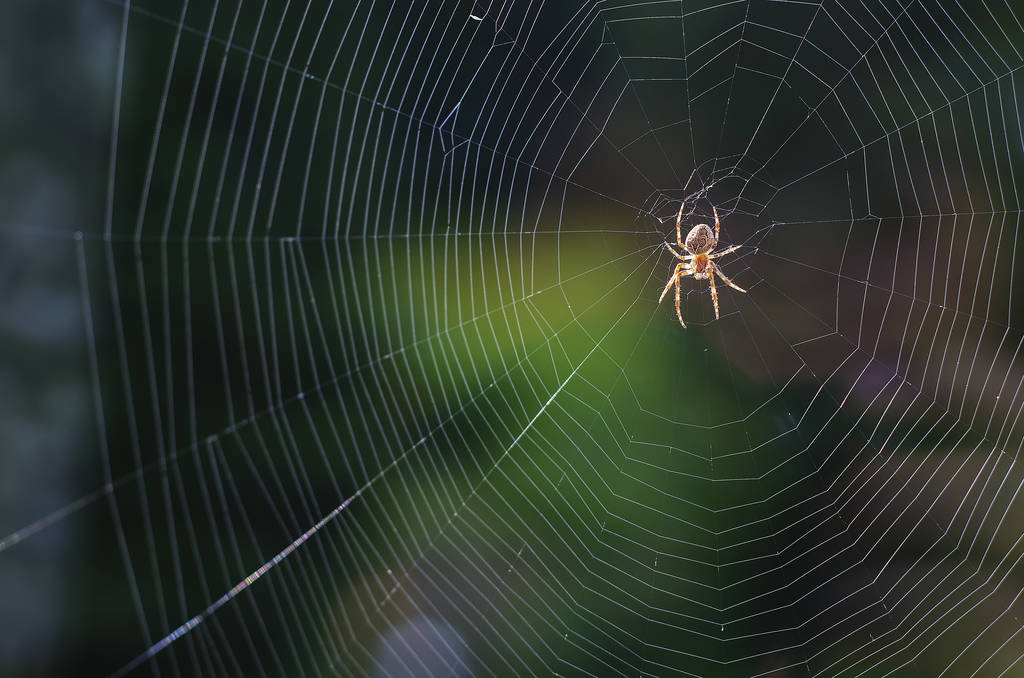
Never let a spider web sit undisturbed on your porch, eaves, or basement joists. Leaving webs intact sends a signal to the breeding population that your structure is a safe, low-risk environment.
Grab a extendable cobweb duster or a high-powered vacuum hose and strip down every web around your porch ceilings, window frames, garage corners, and outdoor furniture.
👉 PRO TIP: When you tear down a web, look closely for small, golf-ball-shaped silk spheres clinging to the threading. Those are active egg sacs, and each one can contain up to 300 developing spider nymphs. Vacuum them up immediately, pop the collection bag out, seal it inside a plastic trash bag, and throw it into the outdoor bin.
💡 Step 3: Change Your Outdoor Lighting Signature
Outdoor porch lights do not attract spiders directly, but bright white incandescent bulbs act as a massive neon sign for moths, flies, flying beetles, and midges. You are essentially setting up a free buffet right next to your front door. Spiders will naturally move in and build webs over the light fixture to catch the easy prey.
- Switch to Yellow LEDs: Replace your standard white exterior bulbs with yellow LED insect bulbs. Pests cannot see the yellow light spectrum easily, reducing flying insect attraction by up to 90%.
- Motion Activation: Set your main driveway and backyard security lights to motion-activated settings rather than leaving them running continuously through the night.
🔒 Step 4: Treat Dry Voids with Engineered Silica Dust
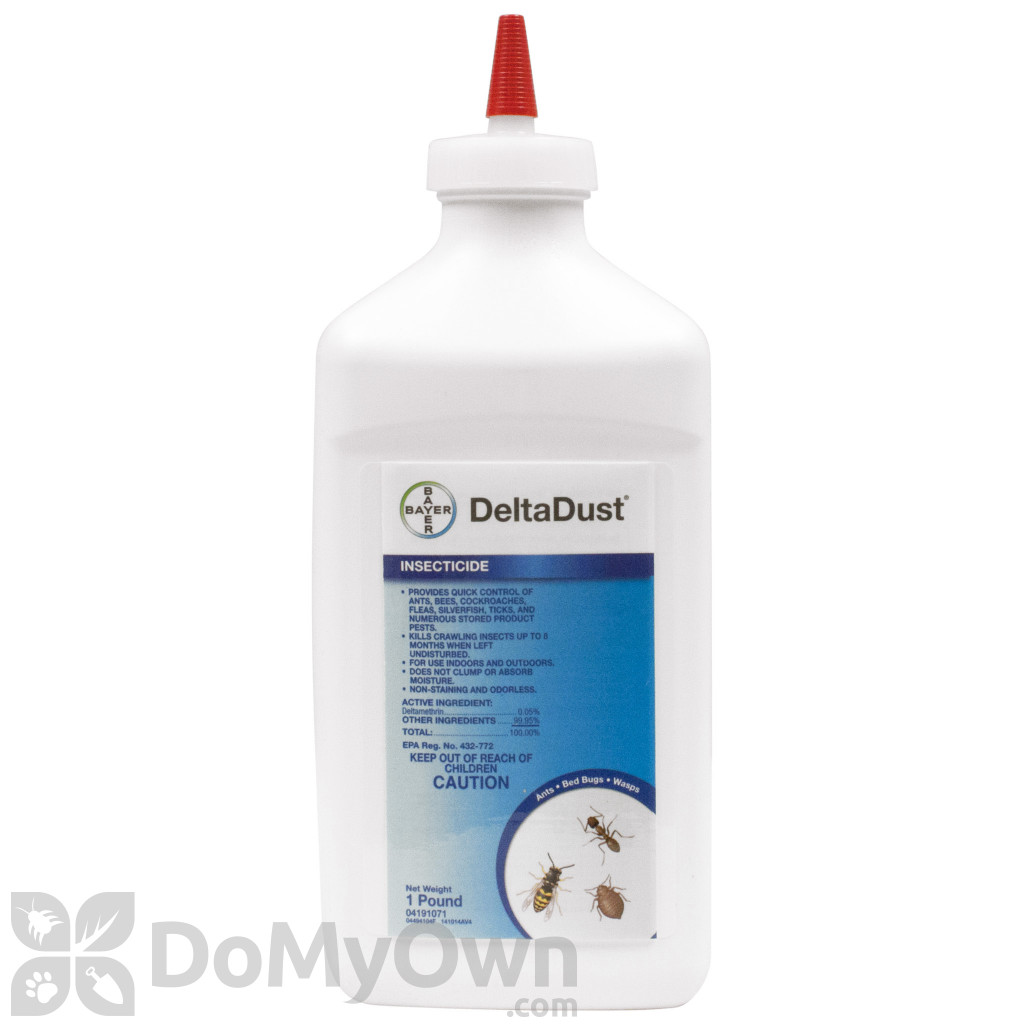
Since liquid sprays have limited success against crawling arachnids, my field crews rely heavily on insecticidal dust applied straight into dark structural voids. Spiders love hiding inside undisturbed outlets, switch boxes, plumbing access panels, and crawl spaces.
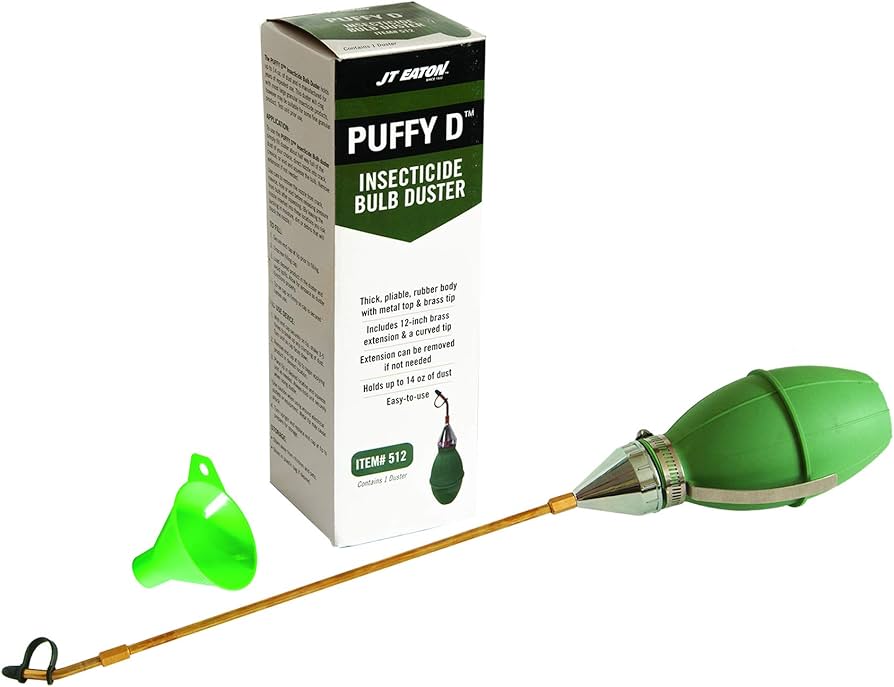
Using a professional bulb duster, apply a fine puff of silica dust into your wall spaces.
🛒 Our Top Field Pick: We highly recommend Envu Delta Insecticide Dust. DELTA DUST containing deltamethrin is the world’s first and only 100% waterproof insecticide dust, so it works in the wet and damp places that insects love, and should be applied with a bellows hand duster which allows you to easily apply the dust in hard to reach areas. 👇👇👇 Check Price on DoMyOwn Now 👇👇👇
📦 Step 5: De-Clutter and Swap to Sealed Storage Bins
Spiders are reclusive by nature; they choose quiet, dark environments where they won’t be disturbed by human foot traffic. Open cardboard boxes in your basement or attic represent prime real estate for brown recluses and cellar spiders.
- Trash the Cardboard: Cardboard boxes use organic glues that attract small insects, drawing spiders right into the box seams. Move your seasonal decorations, old clothes, and papers into heavy-duty plastic storage bins with snap-tight lids.
- Firewood Management: Never stack firewood directly against your home’s exterior siding or inside the garage. Keep woodpiles stacked at least 20 feet away from the foundation and elevated off the wet ground to eliminate the ultimate outdoor spider harbor.
🧪 Step 6: Starve the Predators by Controlling the Food Supply
This is the single most important rule of long-term spider management: if there is nothing to eat inside your home, spiders will move back outdoors or die out.
Take a close look at what else is crawling through your lower levels. If you have an underlying issue with fungus gnats, carpet beetles, or pavement ants, that pest population is actively keeping your spider problem alive. Use targeted baits and sanitation protocols to wipe out the insect population, and the spiders will vanish right along with them.
📉 Home Remedies vs. Professional Reality
Many home-improvement blogs claim that spraying essential oils like peppermint oil, tea tree oil, or citrus blends around your baseboards will keep spiders out forever.
While certain high-concentration essential oils can repel arachnids temporarily due to their strong scents, the liquid compounds evaporate completely within 24 to 48 hours. Using essential oils requires constant re-application to maintain any defensive barrier. For real, lasting protection, physical exclusion and moisture control are significantly more reliable strategies.
🗂 The Complete Pre-Fall Spider Prevention Checklist
Work through this comprehensive field checklist before the first cold snap hits to guarantee a pest-free winter:
- Seal all utility pipe entry holes along the foundation with silicone caulk.
- Install heavy-duty nylon brush door sweeps on all exterior tracking doors.
- Vacuum down all visible webs, porch eaves, and round silk egg sacs.
- Swap out bright white porch bulbs for yellow LED insect lights.
- Puff CimeXa silica dust behind electrical outlet covers and plumbing voids.
- Transfer basement storage items from open cardboard into sealed plastic bins.
- Trim trees and decorative shrubs back at least two feet from your siding.
- Stack firewood stacks 20 feet away from the house and up off the turf.
- Eradicate secondary food sources like ants or gnats using targeted baits.
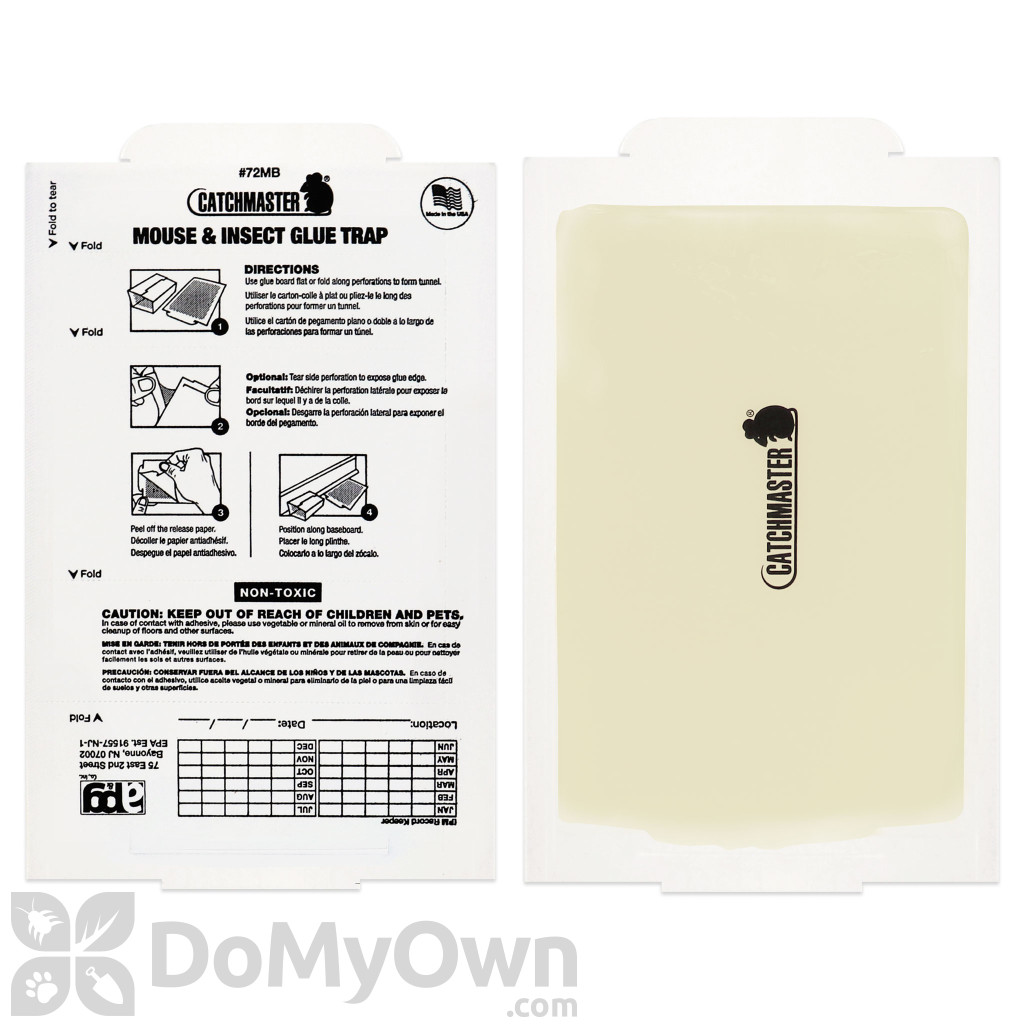
🛒 We Use These Exact Spider Traps in the Field Everyday. 👇👇👇👇 Check Prices on DoMyOwn Now, and Control Spiders All Year Long 👇👇👇👇
❓ Need Expert Help with Aggressive or Dangerous Spiders?
While most common house spiders are completely harmless, managing heavy infestations of dangerous species like Black Widows or Brown Recluses requires commercial-grade precision tools and safety gear.
If you are finding dangerous spiders in your living spaces or dealing with an infestation that won’t back down, do not risk your safety. Contact your local pest professional.