Last Updated on September 17, 2026 by Tim L. | Founder of Pest Control Playbook | Reviewed for Scientific Accuracy by our Co-Founder, an Associate Certified Entomologist (ACE)
If you walk into your kitchen or bathroom and find a line of ants marching out of your sink or shower basin, your immediate reaction is probably absolute frustration. It looks as though an entire colony is actively crawling out of the municipal sewer line and traveling straight up through your plumbing system.
But is that actually possible? Can ants survive the underwater trip through your pipes?
The short answer is: Usually, no. They aren’t traveling from the sewer, but they are using your plumbing architecture as a primary highway.
With decades of combined field experience and entomological guidance, professionals have diagnosed countless structural ant infestations near residential and commercial sinks. Ants are rarely traveling from deep within the water-filled plumbing itself; rather, they exploit the surrounding environment.
💡 Professional Affiliate & Editorial Disclosure
Transparency Note: At Pest Control Playbook, our mission is to provide actionable, field-proven advice backed by 42 years of combined field experience. To keep our deep guides free and support the site, some of the links on this page are affiliate links. If you click through and buy a recommended professional-grade product, we may earn a small commission at no extra cost to you. We only recommend solutions we have personally used to solve real-world infestations in the field.
The Plumbing Myth: Are They Coming From the Sewer?
Household drains contain a U-shaped P-trap filled with standing water that acts as a barrier against sewer gases. Because most ants cannot survive prolonged submersion, they do not swim up from the sewer lines. Instead, they use wall voids and tiny structural gaps like unsealed escutcheon plates, damaged caulk, and cabinet openings to reach the sink area, laying pheromone trails as they go.
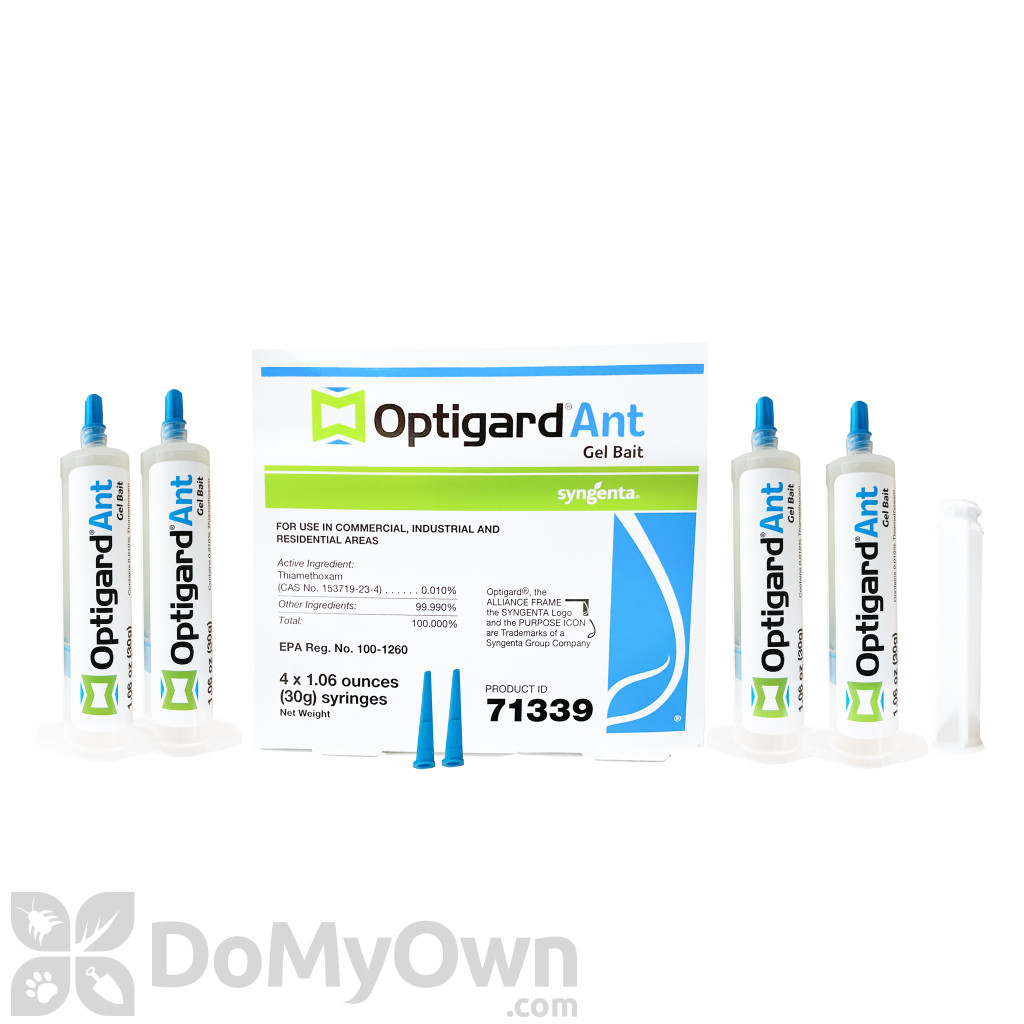
🛒🥇 Best Ant Bait to Kill Ants Fast! 👇👇 Click the Picture Below to Check Prices on DoMyOwn Now 👇👇👇
Why Drains and Sinks are Ant Magnets
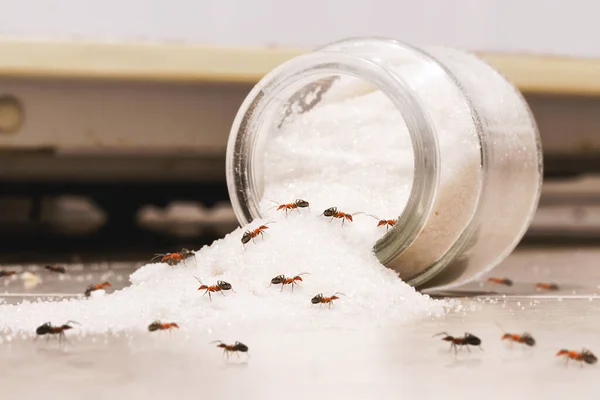
Ants target plumbing fixtures driven by two needs:
- Moisture: Crucial for survival, especially during dry or extreme weather when outdoor sources dwindle.
- Organic Nutrients: Drains accumulate residues like grease, sugar, and food particles in kitchens, or soap scum and toothpaste in bathrooms, serving as a concentrated food supply.
Direct Comparison: Entry Points vs. Targeted Species
- Carpenter Ants: Often nest in damp wood near leaky pipes. They are attracted to structural moisture rather than food debris.
- Odorous House or Argentine Ants: Drawn to sweet food scraps and grease film in kitchen drains.
- Pharaoh or Pavement Ants: Attracted to bathroom humidity and residue.
Why Pouring Chemical Rinses Down the Drain Fails
Pouring bleach or boiling water down the drain only kills the visible ants in the upper basin; the liquid passes through the P-trap without reaching the main colony hidden in walls or foundations. Over-the-counter sprays can also cause colonies to fragment into satellite nests.
The Professional Verdict: How We Eliminate Drain Infestations
Professionals recommend using delayed-action, non-repellent gel baits near trails, which worker ants carry back to share with the queen and collapse the colony. Additionally, homeowners must repair leaks, clean out organic buildup, and seal physical gaps around plumbing penetrations.
👉👉 If you are dealing with lines of foraging pests marching across your countertops as well, read our master Ant Control Playbook for an all-inclusive structural elimination guide
Q: Can sugar ants crawl up through a kitchen or bathroom sink drain?
A: Yes, small pest species like little black ants and sugar ants can easily navigate the interior plumbing lines of a home. They are drawn into the drain basin by microscopic food film debris, grease build-up, and standing water, utilizing the plumbing layout as a direct pathway into your living space.
Q: Will pouring boiling water down the drain kill an ant colony permanently?
A: No, pouring boiling water or vinegar down a sink drain will only destroy the foraging ants currently inside the pipe. It will not reach the main colony or queen hidden deep within your subflooring or exterior soil structures. To stop them permanently, you must utilize a slow-acting, non-repellent gel bait placed safely near the drain line so they carry the toxin back to the nest.
Q: Why do flying ants suddenly emerge from my bathroom drain?
A: If you see winged ants emerging directly from a bathroom drain, it typically means an established colony has nested in the damp structural wood voids directly beneath or behind the tub plumbing lines. The mature colony is releasing reproductive swarmers, which follow the moisture lines and pipe openings to break out into the room.
Pest Control Directory: Connect with a Local Preferred Provider
For severe or structural infestations, connect with vetted local professionals:
Northern Virginia
- Alexandria Pest Control Directory – Servicing Alexandria, VA.
- Woodbridge – Dale City Pest Control Directory – Servicing Woodbridge and Dale City, VA.
Central Virginia
- Richmond Pest Control Directory – Servicing Richmond, VA.