Last Updated on September 15, 2026 by Tim L. | Founder of Pest Control Playbook | Reviewed for Scientific Accuracy by our Co-Founder, an Associate Certified Entomologist (ACE)
If you walk into a room and spot a spider sitting on the wall, killing that single bug isn’t going to solve your problem. In my 42 years in the pest control industry, I’ve learned that treating the symptoms never works. You have to locate the source.
Spiders are secretive creatures, but they aren’t unpredictable. They don’t wander into your home to bother you; they crawl inside because your house is accidentally providing them with three things: shelter from weather, zero physical disturbance, and a steady food supply of other bugs.
If you want them out of your house, you have to find out where they are setting up their traps. Here are the 15 most common places spiders hide inside a home, grouped by zone, and exactly what you need to do about it.
🏢 Zone 1: The Low-Traffic Areas (The Hotspots)
1. Basements
Over the decades, I have treated thousands of basements, and they are almost always the number one spider haven. They offer darkness, natural moisture, plenty of stacked storage boxes, and easy access for ground-level crawling insects. Spiders will build webs right along the floor joists, in dark corners, and around old basement window frames.
2. Garages
Your garage door goes up and down multiple times a day, acting as a giant welcome mat for outside pests. Spiders love garages because we tend to pile up storage shelves and lawn equipment there, leaving behind decades of undisturbed corners. Check the areas right around the garage door tracks and top corners.
3. Attics
Because most homeowners only visit their attic once a year to grab holiday decorations, spiders can live here completely undisturbed for generations. They will tuck themselves right down into the fiberglass insulation, along the roof rafters, and right next to the soffit vents where outside air flows in.
4. Crawl Spaces
If your home has a dirt or gravel crawl space underneath, you have an ideal spider nursery. It has high humidity, total darkness, and zero human activity. Spiders thrive down here, feeding on camel crickets and beetles that slip through foundation cracks.
💡 Professional Affiliate & Editorial Disclosure
Transparency Note: At Pest Control Playbook, our mission is to provide actionable, field-proven advice backed by 42 years of combined field experience. To keep our deep guides free and support the site, some of the links on this page are affiliate links. If you click through and buy a recommended professional-grade product, we may earn a small commission at no extra cost to you. We only recommend solutions we have personally used to solve real-world infestations in the field.
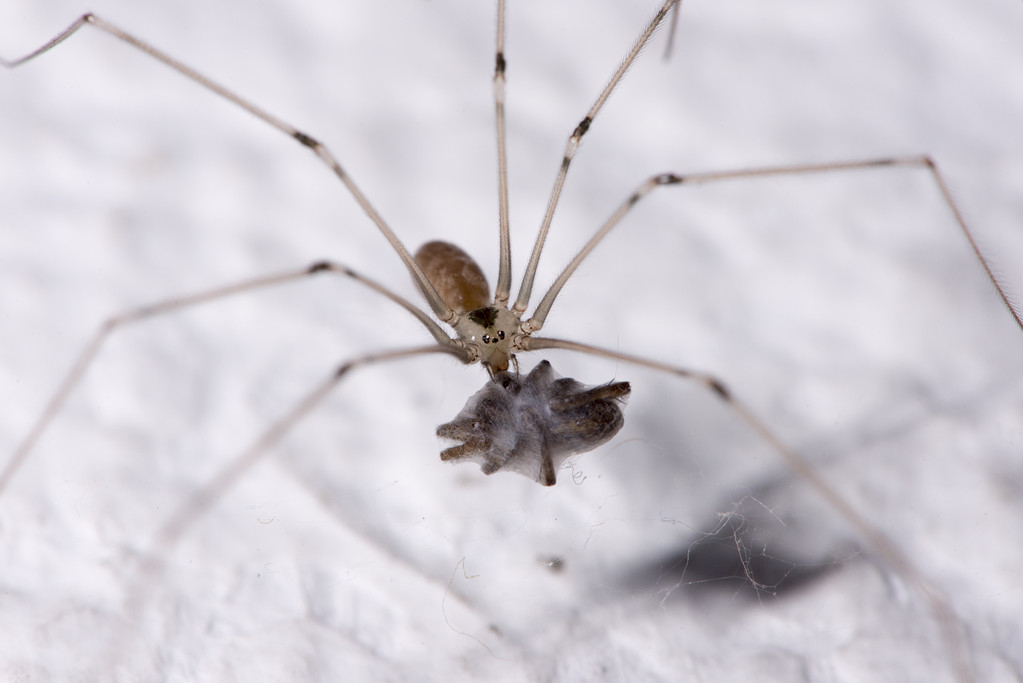
🛋️ Zone 2: Living Spaces (Right Under Your Nose)
5. Behind and Under Large Furniture
Spiders love the gaps behind heavy objects that you don’t move during your weekly cleaning routines. The space between the back of your couch and the wall, behind massive full-row bookshelves, and underneath heavy bed frames are classic hiding spots.
6. Corners of High Ceilings
You’ve likely seen these fine webs swaying in the corners of your living room or hallway. Spiders choose high ceiling corners because rising heat attracts tiny flying insects like fruit flies, gnats, and moths straight up into their webs.
7. Closets and Wardrobes
Spiders look for dark areas with low airflow. A coat closet filled with shoes and heavy jackets that sit untouched all summer provides the perfect, quiet shelter they look for. They will typically nestle right into the back corners or along the floor tracks.
👉👉 Want to know why you have so many spiders in your room? Read THIS article now
8. Under Kitchen and Bathroom Sinks
The plumbing penetrations under your sinks are major highways for pests. Spiders hide in the back corners of these cabinets because the water pipes naturally create small gaps in the drywall, giving them a direct tunnel into your wall voids.
9. Behind Major Appliances
The spaces behind your refrigerator, stove, washing machine, and dryer are warm, dark, and rarely cleaned out. Dust, moisture, and small crumbs accumulate there, attracting smaller insects—and where smaller insects go, spiders follow.
🪟 Zone 3: Windows, Doors, and Perimeter Entry Points
10. Window Tracks and Screen Frames
Spiders love windows because indoor lights attract bugs to the glass at night. They will squeeze their bodies into the small tracks at the bottom of the window frame or build webs right between the window glass and a loose exterior screen.
11. Cracks, Gaps, and Foundation Wall Voids
A spider can fit through a gap as thin as a business card. They utilize foundation cracks, gaps in exterior brick weep holes, and loose trim boards around your exterior doors to build deep, protected nests inside the actual walls of your home.
12. Storage Boxes and Cardboard Packaging
If you store things in old cardboard boxes, you are building a spider hotel. Cardboard retains heat and smells like wood, which spiders love. They will slip right under the folded flaps of taped boxes to hide inside your old clothes or paperwork.
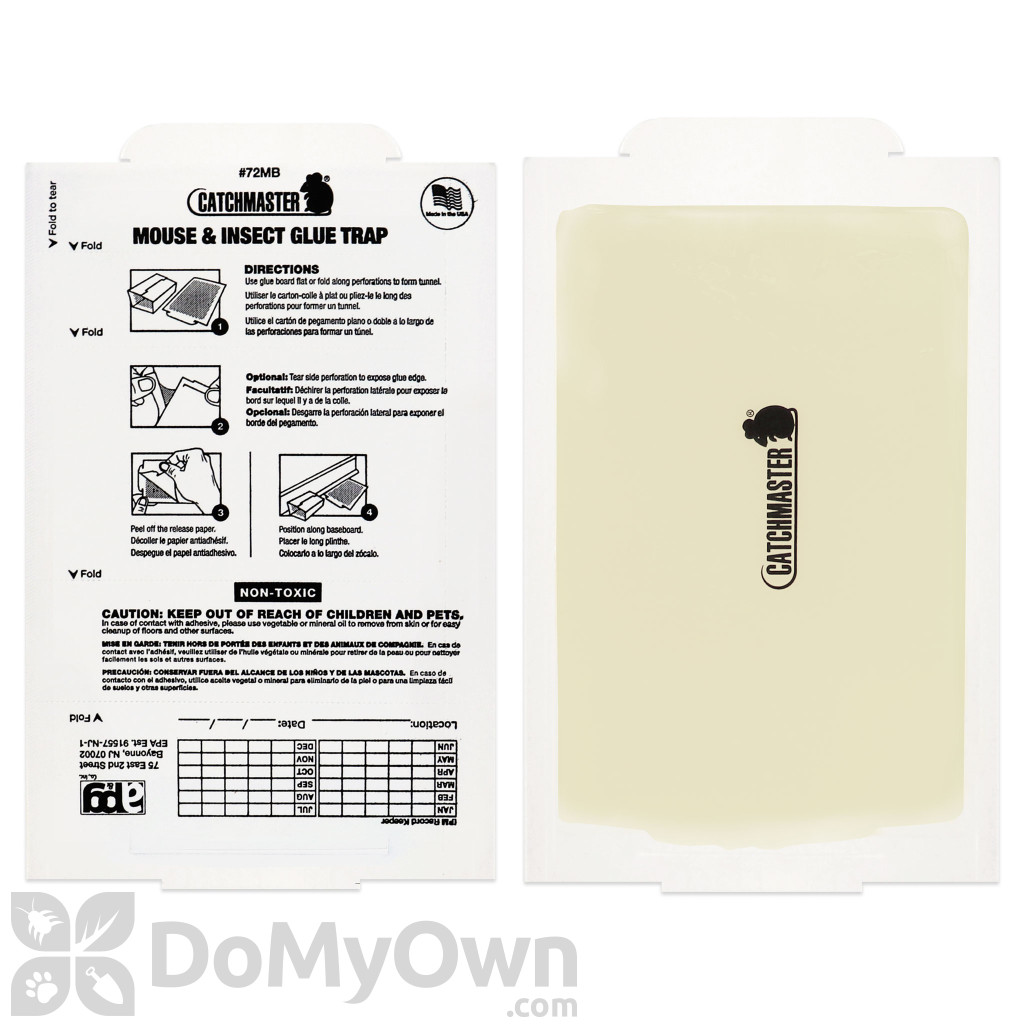
👉🥇 These Are the Exact Traps That I Use in the Field 👇👇 Kill Spiders Fast! Check Prices on DoMyOwn Now 👇👇👇
13. Siding Overlaps and Exterior Trim
On the outside of your home, spiders will tuck themselves underneath the bottom lip of vinyl siding, behind decorative shutters, and under the wood trim of your roofline eaves before migrating inside.
14. Houseplants and Indoor Greenery
While they aren’t eating your plants, spiders will use the dense leaves, thick soil beds, and the undersides of decorative pots as temporary hunting grounds or shelter spots if a room has high activity.
15. Outdoor Sheds and Nearby Woodpiles
Firewood stacked right against the foundation of a house or an attached outdoor storage shed acts as a bridge. Spiders breed in high numbers inside firewood piles, and as soon as the weather turns cold, they crawl right through the nearest foundation gap into your living space.
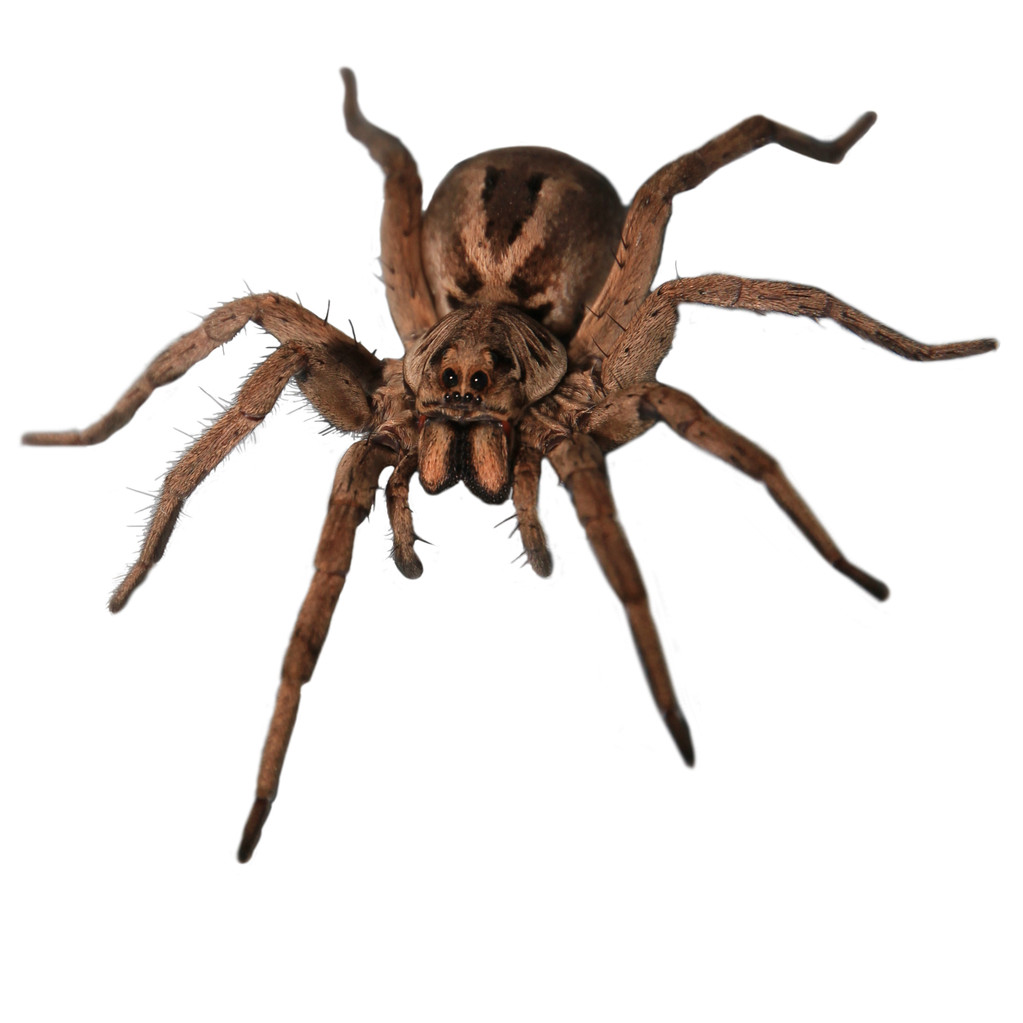
🛠️ The 3-Step Playbook to Keep Spiders Out
To actually get rid of spiders for good, you have to break their survival cycle. Together with my partner—who is an Associate Certified Entomologist—we recommend this systematic approach:
Step 1: Remove Their Web Infrastructure
Do not let webs sit on your ceilings or eaves. Use a heavy-duty cobweb duster to physically knock down every single web you find. A spider invests a massive amount of metabolic energy into spinning a web. If you keep tearing their traps down, they will tire out and move to a different property.
Step 2: Swap Your Storage Habits
Stop using taped cardboard boxes in your basement, garage, and attic. Replace them with heavy-duty plastic storage bins with tight-sealing lids. This instantly deletes 80% of their favorite hiding environments in your home’s hotspots.
Step 3: Cut Off the Food Supply (The Exterior Shield)
Spiders do not stay where there is nothing to eat. If you want to eliminate spiders, you must eliminate the insects they prey on.
Applying a professional-grade, long-lasting liquid chemical barrier along your exterior foundation, around window sills, and across doorway thresholds is the ultimate solution. By wiping out the ants, beetles, and crickets trying to enter your home, you take away the spider’s grocery store. No food means no spiders.
🏠 Need Help with a Deep Infestation?
If you have applied baseline treatments and are still seeing heavy spider or pest activity, the infestation may be deep inside your wall voids, requiring professional commercial equipment and precision exclusion work.
If you want a trusted, local crew to handle the heavy lifting for you, head over to our Pest Control Directory to find a vetted, preferred local provider near you who can secure your home’s perimeter properly.
Select your closest service region below to access the exclusive, top-rated preferred provider for your city:
Northern Virginia
- Alexandria Pest Control Directory – Connect with our exclusive preferred pest control provider servicing residential and commercial properties throughout Alexandria VA.
- Woodbridge – Dale City Pest Control Directory – Reach the top-rated local pest control expert serving the Woodbridge VA and Dale City VA communities.
Central Virginia
- Richmond Pest Control Directory – Contact Richmond’s premier pest elimination specialist for immediate, field-proven relief.