Last Updated on September 15, 2026 by Tim L. | Founder of Pest Control Playbook | Reviewed for Scientific Accuracy by our Co-Founder, an Associate Certified Entomologist (ACE)
When a homeowner calls me out to a house overrun with spiders, they are almost always looking at the wrong problem. They want me to walk around with a tank and blast every single eight-legged critter running across the living room carpet.
In our 42 years crawling through dark crawlspaces, damp basements, and dusty attics, I have learned one absolute truth: Spiders are never the root cause of a pest problem. They are a symptom.
Spiders are predators. They do not care about your trash cans, they do not eat your kitchen crumbs, and they do not care how clean your countertops are. If you are suddenly seeing a massive spike in spider activity inside your home, it means your house is providing an abundant, highly successful food supply of other insects. You don’t have a spider problem; you have an underlying bug problem.
To permanently clear them out, you have to stop playing defense. This handbook will detail the exact structural gaps, environmental conditions, and hidden pest pressures that are inviting these predators into your living spaces.
🕷 Professional Affiliate & Editorial Disclosure
Transparency Note: At Pest Control Playbook, our mission is to provide actionable, field-proven advice backed by 42 years of combined field experience. To keep our deep guides free and support the site, some of the links on this page are affiliate links. If you click through and buy a recommended professional-grade product, we may earn a small commission at no extra cost to you. We only recommend solutions we have personally used to solve real-world infestations in the field.
The Core Reasons Spiders Are Overrunning Your Living Spaces
1. An Unchecked Insect Supply
If you see three or four spiders a week, you can chalk it up to seasonal migration. If you are seeing them every single day, you have a resident population feeding on a steady buffet. Common house spiders thrive on a diet of ants, fungus gnats, fruit flies, carpet beetles, and roaches. When these smaller pests establish a foothold inside your wall voids, spiders will move indoors to set up their hunting grounds right next to the meat.
2. High-Attraction Night Lighting
Standard incandescent and bright white LED exterior porch lights act as a homing beacon for thousands of nocturnal flying insects. Moths, midges, and beetles swarm these lights every single evening. Spiders are smart hunters. They purposefully build their webs directly across your door frames, window screens, and soffits because the lighting does all the trapping work for them. Once the web gets full, the excess spiders slide right through the nearest door gap into your house.
3. Cardboard Box Shelters
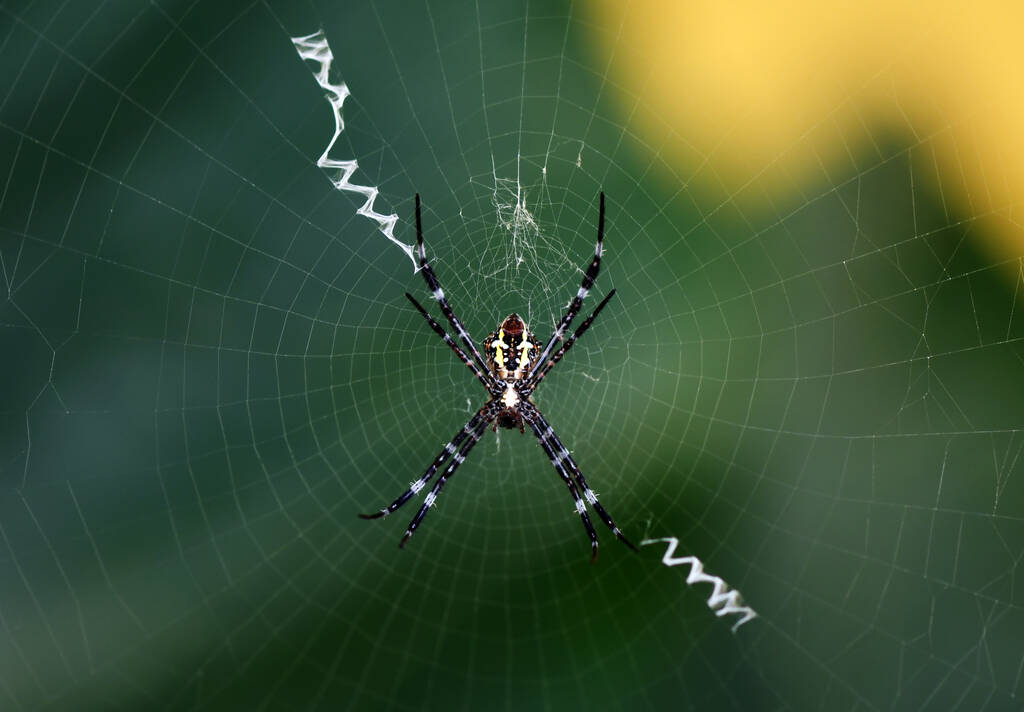
If you store your holiday decorations and old clothes in standard cardboard boxes in the attic or garage, you are running an open invitation for spiders. Cardboard absorbs moisture and mimics the natural wood environments spiders love. More importantly, the organic starch-based glue used to seal cardboard boxes is a premium food source for silverfish and booklice. Spiders move deep into your storage areas because the cardboard literally breeds their favorite snacks.
👉👉 Read THIS Article for Complete Spider Control and Identification
4. Hidden Foundation Moisture
Spiders do not need a lot of water to survive, but their prey does. A slow pipe leak under a bathroom vanity, a damp corner in a crawlspace, or high humidity in a concrete basement will rapidly draw in moisture-loving pests like sowbugs, springtails, and centipedes. Spiders quickly track these moisture plumes and set up their webs in the darkest, dampest zones of your lower levels.
Seasonal Spikes: Why They Suddenly Appear in Fall
Every year around late August and September, my phone rings off the hook with the exact same question: “Why did I suddenly get hundreds of spiders overnight?”
They did not just hatch, and they did not just break into your house yesterday. They have been living right under your nose all spring and summer.
During the warmer months, juvenile spiders hide deep inside your wall voids, floor joists, and drop ceilings where you never see them. They stay tucked away, quietly gorging themselves on small insects and growing into adults.
When autumn hits, two things happen simultaneously: the outdoor temperatures drop, and the adult spiders reach sexual maturity. The males are forced out of their hiding spots into the open to search for mates. That large wolf spider running across your living room floor didn’t just crawl under your front door; he has likely been living inside your drywall for four months, and now he is looking for love.
The Veteran’s Deep-Dive Spider Elimination Checklist
Simply stepping on the spiders you see will never solve an infestation. To break a heavy cycle of spider activity, you must systematically strip away the structural access points and environmental comforts that keep them coming back. Use this exhaustive handbook checklist to reclaim your home.
Step 1: Starve the Predators Out
- Run a Perimeter Vacuum Program: Use your vacuum’s crevice tool to aggressively clear out the junction where your carpet meets the baseboard in every room. This strips away the microscopic debris and dust mites that sustain the tiny insects spiders feed on.
- Control Your Humidity: Install a heavy-duty dehumidifier in your basement or crawlspace and set it strictly to 50% or lower. Dropping the humidity levels dries out the ambient air, killing off springtails and silverfish through dehydration and forcing the resident spiders to leave in search of moisture.
Step 2: Swap the Exterior Environment
- Install Yellow Bug Light Bulbs: Replace every single outdoor fixture bulb with a warm yellow LED or sodium vapor bulb. Yellow light waves do not register to the eyes of flying insects, instantly cutting off the nightly insect carnival around your entry doors.
- Pull Mulch Away from Foundations: Spiders love the damp, loose structure of hardwood mulch. Dig out a 12-inch wide barrier of bare dirt or gravel between your home’s foundation wall and your landscape beds to create a dry, uncrossable moat.
Step 3: Hard-Seal the Structure
- Mesh the Weep Holes: If your home has a brick exterior, you have small vertical gaps at the bottom of the walls called weep holes for ventilation. These are open doors for hunting wolf spiders. Slip specialized brass wire weep hole covers into these gaps to stop spiders while still allowing your walls to breathe.
- Seal Under-Sink Pipe Escutcheons: Look underneath your kitchen and bathroom sinks where the water pipes enter the drywall. If there is an open gap around the pipe, pack it tightly with stainless steel mesh wool and seal it with silicone caulk. This blocks the main highway spiders use to move from your damp wall voids into your living spaces.
Step 4: Break the Breeding Cycle
- Upgrade to Plastic Storage Totes: Throw away every cardboard box in your attic and garage. Move all contents into heavy-duty plastic storage totes with snap-locking lids. This completely isolates your items and removes the starch food source that draws in silverfish and hunting spiders.
- Crush the Egg Sacs: When you use a broom to sweep away a spider web, look closely for a small, white or tan silken ball tucked in the center. That is an egg sac, and it can hold up to 300 baby spiders. Do not just sweep it to the floor. You must physically crush it or suck it into a vacuum bag and empty it immediately into an outside trash can to prevent a massive secondary hatching inside your home.
🛒🛒 Our Field Tested Spider Control Kit Keeps Spiders Away! Check Price on DoMyOwn Pest Control Now 👇👇👇👇👇👇

Knowing When Your DIY Efforts Need Backup
An occasional spider here and there is a normal part of homeownership. However, if you are diligently checking off this prevention list and still finding multiple spiders every single week, you are dealing with a deeply entrenched structural infestation.
A persistent spider population means there is a massive, hidden colony of secondary pests breeding deep inside an inaccessible wall void, chimney chase, or subfloor that you cannot reach with standard over-the-counter methods. In these severe scenarios, a professional inspection is required to pinpoint the exact insect colony that is feeding your spider problem so the entire ecosystem can be taken down at once.
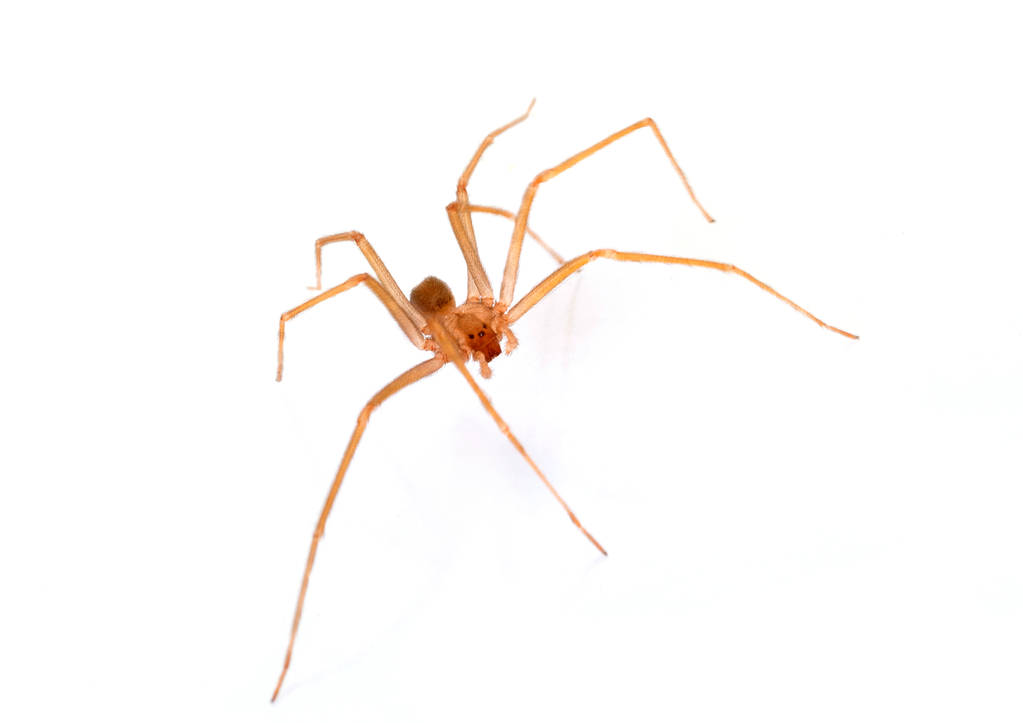
Disclaimer: Educational guide only. Seek immediate professional medical help for suspected venomous spider bites (Black Widow, Brown Recluse).