Last Updated on September 9, 2026 by Tim L. | Founder of Pest Control Playbook | Reviewed for Scientific Accuracy by our Co-Founder, an Associate Certified Entomologist (ACE)
Quick Answer: The most effective way to repel spiders is to make your home less attractive to them. Seal cracks and gaps where spiders can enter, remove webs, reduce insects around your home, limit outdoor lighting near doors and windows, eliminate clutter and moisture, and keep vegetation away from the structure. Common remedies such as peppermint oil may provide temporary results, but they should not be considered a reliable long-term DIY Pes Control solution. The best spider prevention combines exclusion, habitat modification, and insect control.
If you’re seeing spiders around your home, you may be wondering whether there’s something you can spray, place, or use to make them stay away.
There are plenty of products and home remedies marketed as spider repellents. Some may temporarily discourage spiders from certain areas, but the most reliable approach is to change the conditions that are attracting spiders in the first place.
With 30 years of hands-on experience in the pest control industry, I’ve learned that effective spider control is rarely about one magic repellent. It’s about understanding why spiders are there and eliminating the conditions that allow them to thrive.
Here’s what you need to know.
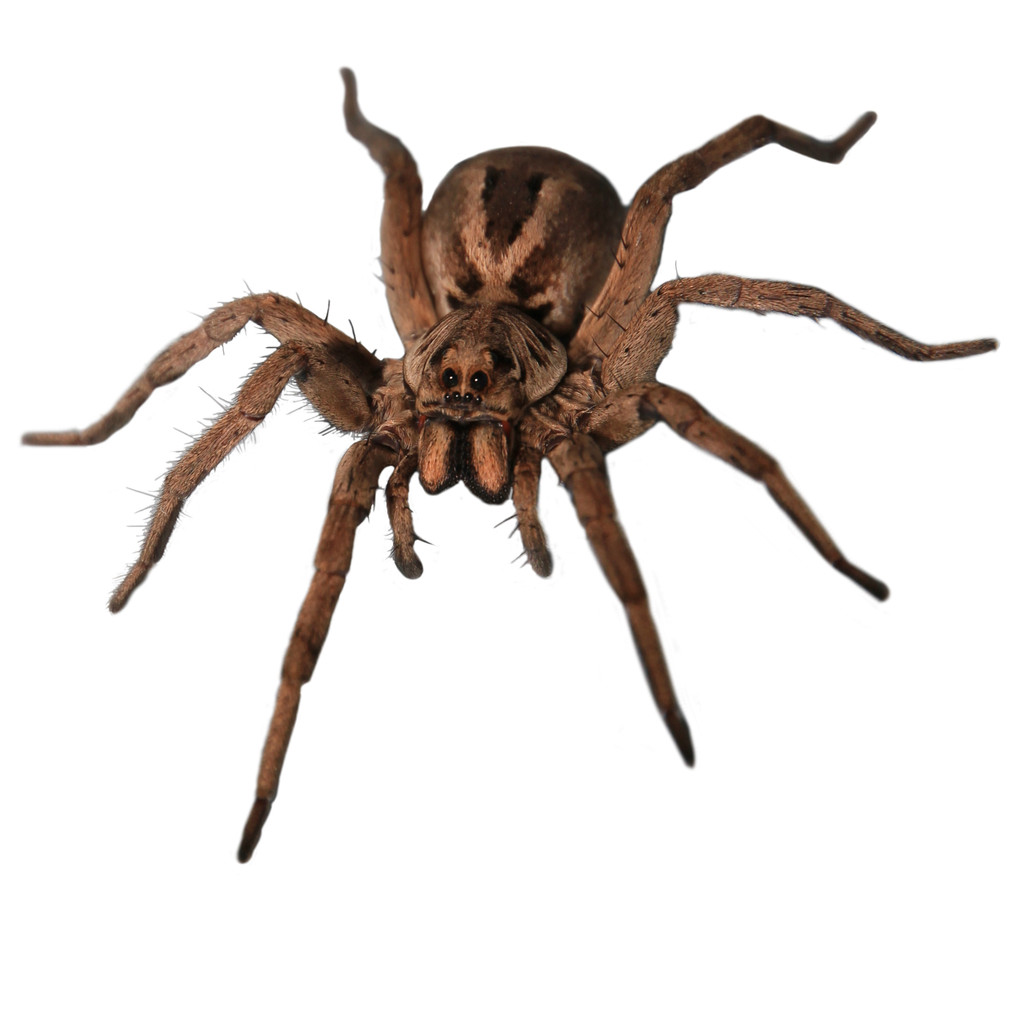
What Repels Spiders?
There isn’t one product or substance that will reliably keep every spider away from your home.
Instead, effective spider prevention usually involves several strategies working together.
The most useful approaches include:
- Sealing cracks and gaps
- Removing spider webs
- Reducing insects around your home
- Managing outdoor lighting
- Keeping vegetation away from the house
- Eliminating clutter and hiding places
- Controlling moisture
- Using certain repellents cautiously
- Professional pest control when necessary
Let’s look at each one.
👉👉 A Complete Homeowners Guide to Getting Rid of Spiders
1. Seal Cracks and Gaps Where Spiders Enter
If spiders can easily get inside, spraying a repellent won’t solve the underlying problem.
Inspect the outside of your house for openings around:
- Windows
- Doors
- Foundation cracks
- Utility lines
- Pipes
- Vents
- Garage doors
- Siding
- Eaves
- Basement windows
Pay special attention to areas where different building materials meet.
A small gap around a pipe or utility line may look insignificant, but it can provide an easy route inside for spiders and other pests.
Use appropriate exterior caulk or sealant for small gaps and make larger structural repairs where necessary.
Don’t Forget the Bottom of Exterior Doors
Door sweeps and weather stripping are easy to overlook.
If you can see daylight underneath an exterior door, insects and spiders may have an easy way inside.
Check your:
- Front door
- Back door
- Basement door
- Garage access door
- Patio door
Replacing worn weather stripping or a damaged door sweep can be a simple but effective improvement.
2. Remove Spider Webs Regularly
If spiders repeatedly build webs around your house, remove them.
Check around:
- Windows
- Exterior doors
- Porch ceilings
- Eaves
- Garages
- Basement windows
- Outdoor lights
- Decks
- Sheds
Use a broom, vacuum, or appropriate web-removal tool.
Removing webs doesn’t necessarily “repel” spiders, but it removes the structure they are using and gives you a chance to inspect the area.
If the webs return quickly, don’t just keep removing them.
Look for the reason they’re coming back.
There may be a concentration of insects nearby or an entry point that needs to be sealed.
3. Reduce the Insects Spiders Feed On
This is one of the most important principles of spider control.
Spiders need food.
If your property has a large number of insects, it can become an attractive hunting ground for spiders.
Common spider food sources include:
- Flies
- Moths
- Mosquitoes
- Beetles
- Crickets
- Small insects around lights
Instead of asking only:
“How do I repel spiders?”
also ask:
“Why are so many insects around my house?”
Reducing the insect population can make the property less attractive to spiders.
Look for:
- Standing water
- Garbage
- Pet food
- Food debris
- Moisture
- Overgrown vegetation
- Outdoor lighting that attracts insects
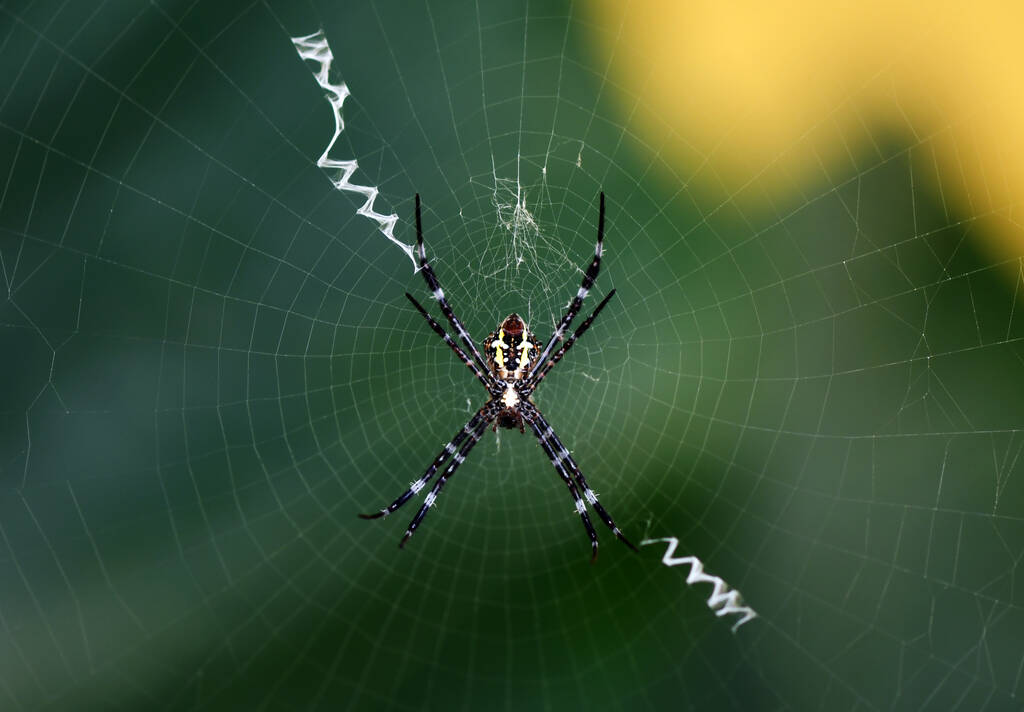
4. Reduce Outdoor Lighting Near Doors and Windows
Have you ever noticed spider webs around your porch light?
There’s a reason.
Outdoor lights can attract insects, and spiders may establish webs nearby because insects provide an easy food source.
You don’t necessarily need to turn off every light around your house.
To help repel spiders from your house, consider:
- Turning off unnecessary lights
- Using motion-activated lights
- Moving lights farther from doors when practical
- Using bulbs that are less attractive to insects
The goal is to reduce insect activity immediately around the areas where spiders are most likely to build webs.
5. Keep Vegetation Away From the House
Trees, shrubs, vines, and other vegetation can provide shelter and pathways for insects and spiders.
Trim vegetation so that it isn’t constantly touching:
- Siding
- Windows
- Rooflines
- Gutters
- Porches
- Foundation walls
You don’t need to remove your landscaping.
Simply maintaining some separation between plants and the structure can reduce the number of pest pathways leading directly to your house.
👉👉 Where Do Spiders Hide in the House? Read This Article Now
6. Remove Clutter and Spider Hiding Places
Spiders like quiet, undisturbed areas.
Inside and outside your home, reduce unnecessary clutter in areas such as:
- Garages
- Basements
- Attics
- Sheds
- Closets
- Storage rooms
Outside, pay attention to:
- Firewood
- Cardboard
- Leaf piles
- Yard debris
- Building materials
- Unused equipment
Keep firewood elevated and stored away from the foundation whenever possible.
Inside the home, sealed plastic storage containers can be preferable to piles of open cardboard boxes.
The cleaner and more organized these areas are, the easier it becomes to spot spider activity and other pest problems.
7. Control Moisture
Moisture can contribute to pest problems around a home.
Inspect areas such as:
- Basements
- Crawl spaces
- Bathrooms
- Under sinks
- Around plumbing
- Near gutters
- Around downspouts
Look for leaks, standing water, condensation, and drainage problems.
Correcting moisture issues can help reduce the insects that spiders feed on and make the environment less favorable for a variety of pests.
If your basement or crawl space is consistently damp, addressing that moisture problem may be more effective than repeatedly treating individual spiders.
8. Do Natural Spider Repellents Actually Work?
This is where homeowners often get conflicting information.
Peppermint oil, vinegar, citrus oils, and other household substances are frequently recommended as spider repellents.
Some of these substances may temporarily discourage spiders from an area because of their strong odors.
The problem is consistency and longevity.
A homemade spray may smell strong when you first apply it, but its effect can diminish as the substance evaporates.
You may also need to repeatedly treat surfaces to maintain the effect.
For that reason, I would not rely on essential oils or household mixtures as your primary spider-control strategy.
If you want to try a natural repellent, think of it as a supplement to good pest prevention, not a replacement for sealing entry points and reducing food sources.
9. Consider Professional Pest Control for Persistent Problems
If you’re seeing an occasional spider, you may not need professional treatment.
But if you’re seeing spiders throughout the house, finding large numbers of webs, or repeatedly dealing with spider activity despite your prevention efforts, there may be a larger pest issue involved.
A professional can look beyond the spiders themselves and identify:
- Entry points
- Insect activity
- Moisture problems
- Harborage areas
- Web-building locations
- Conditions around the structure that support pest activity
The goal shouldn’t simply be to kill the spiders you can see.
The goal should be to reduce the conditions that allow the spider population to persist.
What Smells Do Spiders Hate?
You’ll often see claims online that spiders hate the smell of peppermint, eucalyptus, citrus, lavender, or other essential oils.
These scents may discourage spiders from certain areas temporarily, but that doesn’t mean they are reliable long-term spider repellents.
If you’re using a scented product, remember that the effect can diminish over time.
For lasting prevention, physical exclusion and habitat modification are much more important.
Does Peppermint Oil Repel Spiders?
Peppermint oil is one of the most commonly recommended natural spider repellents.
It may have some short-term deterrent effect because spiders can be sensitive to strong odors, but homeowners shouldn’t expect peppermint oil to provide permanent protection.
It also doesn’t seal entry points, eliminate insects, or remove spider hiding places.
If you use peppermint oil, consider it an additional measure rather than your main form of spider control.
Does Vinegar Repel Spiders?
Vinegar is another popular household spider remedy.
While its strong odor may discourage some spiders from an area temporarily, vinegar isn’t a substitute for proper exclusion and pest prevention.
More importantly, spraying vinegar around your house won’t fix the reason spiders are getting inside.
If you repeatedly see spiders around the same window, door, or room, inspect the area for an entry point or food source.
Does Keeping Your House Clean Repel Spiders?
Cleaning alone won’t guarantee a spider-free home, but good housekeeping can reduce the places where spiders can hide and build webs.
Pay particular attention to:
- Basements
- Garages
- Attics
- Closets
- Storage areas
- Areas behind furniture
- Corners and ceilings
Regular vacuuming can also remove spiders, webs, and egg sacs when they are encountered.
However, if spiders keep appearing after cleaning, investigate the source rather than simply cleaning them up repeatedly.
What Is the Best Way to Keep Spiders Away?
The most effective approach is to combine several methods.
Outside the House
- Seal cracks and gaps
- Repair damaged screens
- Keep vegetation trimmed
- Remove debris
- Move firewood away from the foundation
- Reduce unnecessary outdoor lighting
- Keep gutters clean
- Correct drainage problems
Inside the House
- Reduce clutter
- Vacuum regularly
- Remove webs
- Seal openings around pipes
- Repair door sweeps
- Address moisture problems
- Store belongings in organized containers
Around the Property
- Reduce insect populations
- Eliminate standing water
- Keep garbage contained
- Maintain landscaping
- Reduce unnecessary nighttime lighting
Together, these steps make your property less attractive to spiders and the insects they depend on.
Can You Completely Keep Spiders Out of Your House?
Probably not.
Even a well-maintained home can occasionally have a spider enter through an open door, window, or another small opening.
The goal isn’t necessarily zero spiders.
The goal is to dramatically reduce the opportunities for spiders to enter, hide, reproduce, and find food inside your home.
That’s a much more realistic approach to long-term spider management.
When Should You Be Concerned About Spiders?
An occasional spider isn’t usually a reason for alarm.
However, you should pay more attention when you’re seeing:
- Large numbers of spiders
- Spiders in multiple rooms
- Webs appearing repeatedly
- Spider egg sacs
- Increased insect activity
- Spiders appearing shortly after cleaning
- Repeated activity around the same entry points
A sudden increase in spiders can sometimes be a sign that the home is providing plenty of food or shelter.
Rather than focusing only on the spiders, look at the entire pest environment.
Quick Spider Prevention Checklist
If your goal is to keep spiders away, start here:
- Seal cracks and gaps around the house
- Repair damaged window screens
- Replace worn door sweeps
- Remove spider webs
- Reduce insects around the property
- Turn off unnecessary outdoor lights
- Keep vegetation away from the structure
- Remove clutter and debris
- Store firewood away from the foundation
- Fix leaks and moisture problems
- Keep garages, basements, and attics organized
- Inspect your home before fall spider activity increases
Frequently Asked Questions About Spider Repellents
What is the most effective thing to repel spiders?
The most effective strategy isn’t a single repellent. Sealing entry points, reducing insects, removing hiding places, controlling moisture, and maintaining the exterior of your home provide a more reliable long-term approach.
What natural smell keeps spiders away?
Strong scents such as peppermint and other essential oils are commonly used as natural spider repellents. They may temporarily discourage spiders, but their effectiveness can vary and they generally don’t provide lasting control.
Does peppermint oil really keep spiders away?
Peppermint oil may temporarily discourage spiders from treated areas, but it should not be relied upon as a permanent solution. Physical exclusion and reducing food sources are more important for long-term prevention.
What attracts spiders to a house?
Spiders are often attracted indirectly by the conditions that provide food and shelter. Insects, outdoor lighting, clutter, moisture, vegetation, and accessible entry points can all contribute to spider activity around a home.
Why do spiders keep coming back after I kill them?
Killing individual spiders doesn’t necessarily change the conditions that attracted them. If insects, shelter, moisture, and entry points remain, new spiders may continue to appear.
Should I use spider spray?
Spider sprays can be useful in certain situations, but spraying individual spiders isn’t always the best long-term strategy. For recurring problems, focus on exclusion, reducing insect activity, removing harborage, and addressing conditions around the home.
Final Thoughts
If you’re searching for something that will simply “repel spiders,” it’s understandable to want a quick solution.
But after 30 years in the pest control industry, my experience is that long-term spider control is rarely about finding one magic product.
The most effective strategy is to make your home less attractive to spiders.
Seal the openings. Reduce the insects. Remove hiding places. Control moisture. Manage outdoor lighting. Keep vegetation away from the structure.
And if you’re approaching fall, don’t wait until spiders are already inside to start.
A little prevention now can save you from dealing with a much bigger spider problem later.