Last Updated on September 6, 2026 by Tim L. | Founder of Pest Control Playbook | Reviewed for Scientific Accuracy by our Co-Founder, an Associate Certified Entomologist (ACE)
How to Eliminate Spiders in Your House: Prevention and Control Methods
Finding spiders in your house can be unsettling. Whether you discover webs in corners, spiders in your basement, garage, bathroom, or bedroom, or you are simply seeing more spiders than usual, it is natural to want answers.
The good news is that most spiders found inside homes are not dangerous. However, repeated spider sightings often mean your home is providing the things spiders need to survive: food, shelter, moisture, and hiding places.
At Pest Control Playbook, we provide expert pest control information based on over 3 decades of hands-on industry experience. Our goal is to help homeowners understand why spiders enter their homes and the most effective ways to eliminate spider problems and prevent them from returning.
Quick Answer: What Is the Best Way to Get Rid of Spiders in a House?
The best way to get rid of spiders in your house is to combine several control methods. Remove existing webs, reduce insects that spiders feed on, seal cracks and entry points, eliminate clutter where spiders hide, and use targeted spider treatments when necessary.
Simply killing visible spiders will usually not solve the problem because new spiders can continue entering your home if the conditions attracting them remain unchanged.
Long-term spider control focuses on making your home less attractive to spiders.
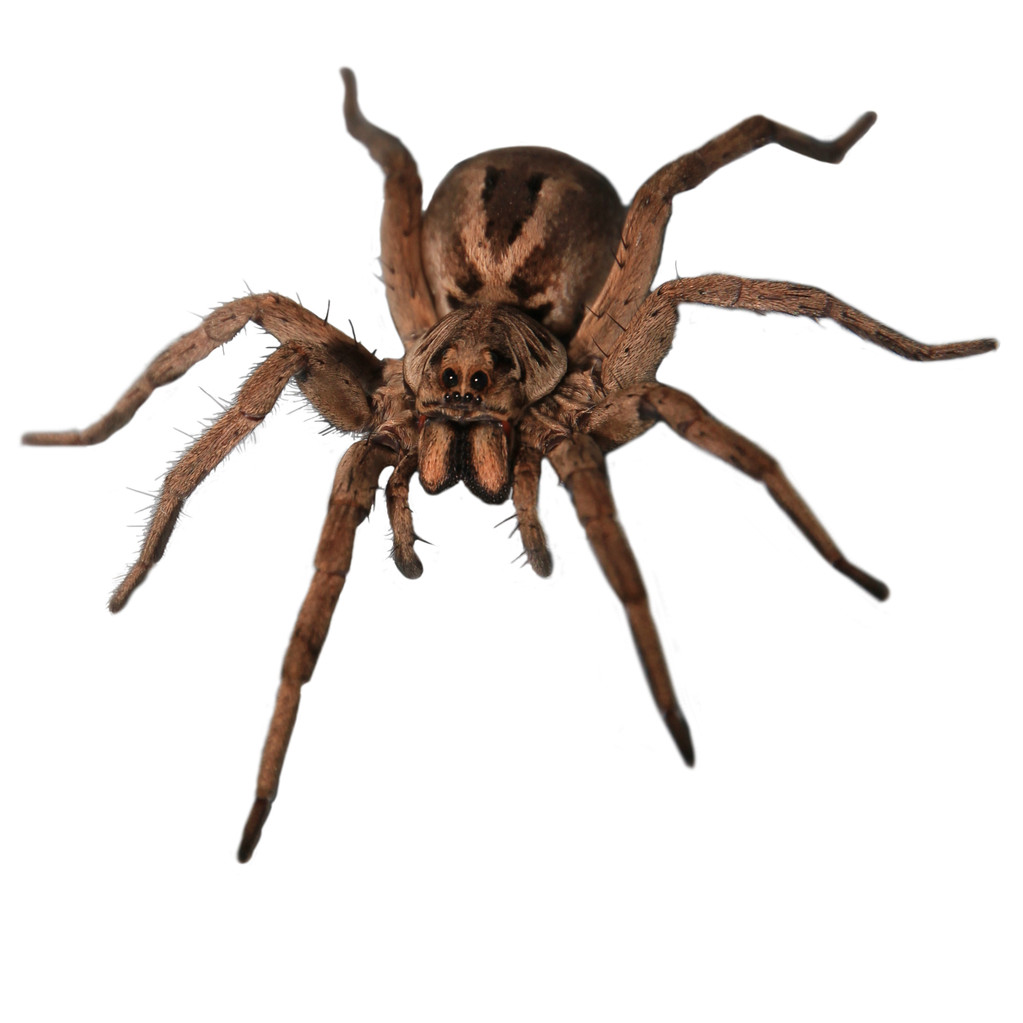
Why Are Spiders Coming Into My House?
Spiders usually enter homes because they are looking for three things:
- Food
- Shelter
- A safe place to reproduce
Unlike many household pests, spiders are predators. They do not come inside looking for crumbs, food scraps, or stored products. Instead, they are searching for insects to eat.
A home with spider activity often has another pest issue nearby. If your house has flies, mosquitoes, ants, cockroaches, or other insects, spiders may be attracted because there is a reliable food source available.
Common reasons spiders enter homes include:
- Gaps around doors and windows
- Cracks in foundations
- Damaged window screens
- Outdoor lighting attracting insects
- Cluttered storage areas
- Moisture problems
- Vegetation touching the home
- Firewood or debris stored near the structure
Does Seeing One Spider Mean I Have an Infestation?
Not necessarily.
Finding one spider does not automatically mean you have a spider infestation. Many spiders wander indoors accidentally while searching for food or shelter.
However, you may have a larger spider problem if you notice:
- Multiple spiders throughout the home
- Frequent spider sightings
- Numerous spider webs
- Egg sacs
- Increased insect activity
- Spiders appearing in the same areas repeatedly
If spiders are consistently appearing, it is important to look at the conditions around your home that may be supporting their activity.
👉👉💡 Looking for a Complete Homeowners Guide to Spider Control? Read THIS Article
Where Do Spiders Hide Inside Homes?
Spiders prefer quiet, undisturbed areas where they can hide and catch prey.
Common spider hiding locations include:
- Basements
- Garages
- Attics
- Crawl spaces
- Closets
- Storage rooms
- Behind furniture
- Under appliances
- Around windows
- Ceiling corners
- Dark areas with clutter
Regular inspections of these areas can help identify spider activity before it becomes a bigger problem.
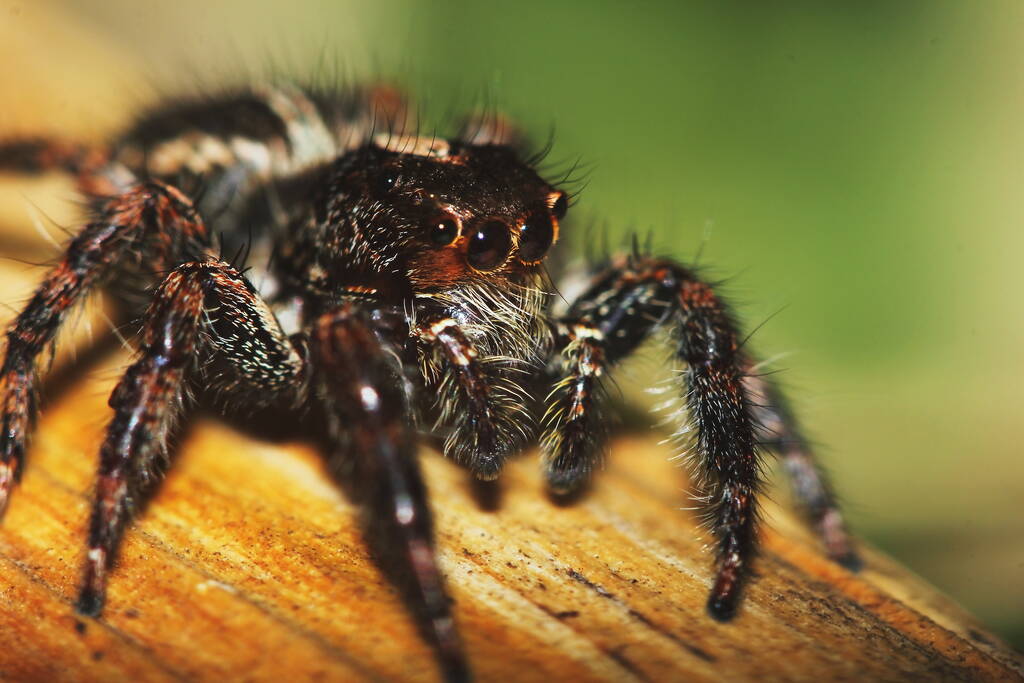
How to Get Rid of Spiders Naturally
Many homeowners prefer to start with non-chemical methods. These steps can reduce spider activity and make your home less attractive.
Remove Spider Webs
Removing spider webs is one of the easiest ways to reduce visible spider activity.
Pay attention to:
- Ceiling corners
- Window frames
- Garage walls
- Outdoor structures
- Basement areas
- Eaves and overhangs
Regular removal discourages spiders from rebuilding webs in the same locations.
Reduce Clutter
Spiders love areas where they can hide undisturbed.
Reduce hiding places by:
- Organizing storage areas
- Removing unnecessary boxes
- Keeping items off basement floors
- Cleaning garages regularly
Cardboard boxes stored for long periods can provide excellent hiding areas for spiders and other pests.
Keep Outdoor Lights Away From Entry Points
Lights attract many insects, and insects attract spiders.
Consider:
- Turning off unnecessary outdoor lights
- Using insect-resistant lighting options
- Moving lights away from doors when possible
Reducing insects around your home can reduce spider activity.
How to Prevent Spiders From Entering Your House
Prevention is one of the most important parts of spider control.
Seal Cracks and Openings
Spiders can enter through surprisingly small openings.
Inspect:
- Door frames
- Window gaps
- Foundation cracks
- Utility openings
- Garage doors
- Pipe penetrations
Caulking and sealing these areas can greatly reduce spider entry.
Trim Vegetation Around Your Home
Trees, bushes, and plants touching your home create bridges for spiders and other pests.
Keep:
- Shrubs trimmed away from walls
- Grass maintained near foundations
- Leaves and debris removed
A clean perimeter makes your home less attractive to spiders.
Remove Outdoor Spider Harborage
Common outdoor spider hiding areas include:
- Wood piles
- Rock piles
- Leaf debris
- Storage items
- Sheds
- Outdoor furniture
Keeping these areas organized reduces the number of spiders near your home.
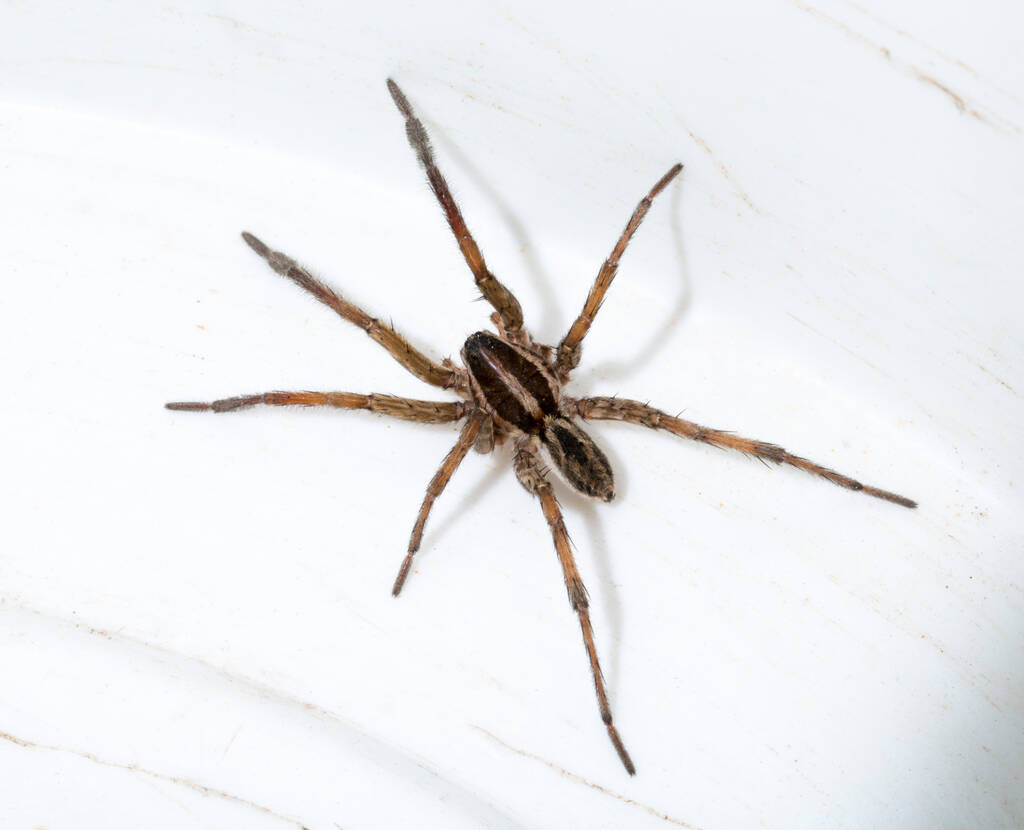
How to Kill Spiders Inside Your House
When you find a spider inside your home, several options are available.
Vacuuming
A vacuum is one of the simplest ways to remove spiders and webs.
Vacuum:
- Corners
- Baseboards
- Ceilings
- Behind furniture
- Storage areas
This method also removes egg sacs and insects that spiders may feed on.
👉👉 Why Do I Have So Many Spiders in My House? Read THIS Now
Spider Sprays and Treatments
Spider control products can help reduce active spiders when used correctly.
Effective treatments often focus on:
- Spider hiding areas
- Entry points
- Cracks and crevices
- Exterior areas around the home
Always follow product directions carefully.
Professional Spider Control
If spider activity continues despite prevention efforts, professional pest control may be the best solution.
A professional inspection can identify:
- Spider species
- Entry points
- Harborages
- Underlying insect problems
Professional treatments often focus on long-term prevention rather than simply eliminating visible spiders.
Are House Spiders Dangerous?
Most spiders found inside homes are harmless and prefer to avoid people.
However, homeowners should use caution when identifying unfamiliar spiders. Some species, such as brown recluse spiders and black widow spiders, are considered medically important.
Proper identification is important because many harmless spiders are mistaken for dangerous species.
If you find a spider you cannot identify:
- Do not handle it
- Take a photo from a safe distance
- Avoid disturbing hidden areas where spiders may live
How Long Does It Take to Get Rid of Spiders?
The amount of time needed to reduce spider activity depends on several factors:
- Number of spiders present
- Type of spider
- Amount of insect activity
- Conditions around the home
- Effectiveness of prevention efforts
Some homeowners see improvement quickly after removing webs and sealing entry points. Larger problems may require ongoing control and monitoring.
Frequently Asked Questions About Spider Control
What attracts spiders to my house?
Spiders are attracted to homes that provide food, shelter, moisture, and hiding places. Insect activity is one of the biggest factors attracting spiders.
Why do I keep finding spiders in my house?
Repeated spider sightings usually mean spiders are finding easy access, available food, or suitable hiding locations inside or around your home.
What is the fastest way to get rid of spiders?
Removing webs, vacuuming spiders, reducing insects, and sealing entry points are some of the fastest ways to reduce spider activity.
Do spiders mean my house is dirty?
No. Spiders can enter clean homes. Their presence is usually related to access points, insects, and environmental conditions rather than cleanliness.
Should I kill spiders in my house?
While many spiders are beneficial predators, controlling spiders indoors is reasonable when they become unwanted or when there are concerns about specific species.
Final Thoughts on Getting Rid of Spiders
The most effective way to get rid of spiders is to address the reasons they are entering your home. Removing webs, reducing insects, sealing entry points, and eliminating hiding places will provide much better long-term results than simply killing individual spiders.
Spiders are a natural part of the environment, but homeowners do not have to accept unwanted spider activity inside their homes.
At Pest Control Playbook, we continue to provide practical pest control guidance based on real-world experience to help homeowners understand, prevent, and control common pest problems.