Last Updated on September 11, 2026 by Tim L. | Founder of Pest Control Playbook | Reviewed for Scientific Accuracy by our Co-Founder, an Associate Certified Entomologist (ACE)
Walking into your basement or garage only to find spiders occupying every corner can be deeply unsettling.
The good news is that an abundance of spiders does not mean your home is under a localized spider invasion. Spiders are solitary, predatory creatures. If you suddenly see them everywhere, it means your basement or garage is fulfilling their fundamental biological needs: shelter, moisture, low foot traffic, and an abundant supply of insect prey.
As a professional pest management team with over 40 years of combined field and management experience—including an Associate Certified Entomologist (ACE), we can tell you that the secret to permanent spider control isn’t just spraying the spiders you see, it’s eliminating the environmental factors drawing them inside.
🕷️ The Quick Answer: What Is Attracting Spiders?
Spiders establish webs or hunting zones in basements and garages because these environments remain dark, quiet, and directly connected to outdoor entry points.
However, the primary driver of any sudden spike in spider activity is food availability. Because spiders are obligate predators, they will actively migrate to and multiply inside any structure that provides a steady stream of crawling or flying insects.
Professional Affiliate & Editorial Disclosure
Transparency Note: At Pest Control Playbook, our mission is to provide actionable, field-proven advice backed by 42 years of combined field experience. To keep our deep guides free and support the site, some of the links on this page are affiliate links. If you click through and buy a recommended professional-grade product, we may earn a small commission at no extra cost to you. We only recommend solutions we have personally used to solve real-world infestations in the field.
👉👉 Check out Our Complete Spider Control Guide HERE
🗺️ Species Breakdown: What Spiders Are in Your Home?
Different spiders prefer different micro-climates within a house. Understanding which species has moved in tells you exactly what environmental issues your basement or garage is suffering from:
| Spider Group / Species | Preferred Environment | Primary Food Source | Risk Level |
|---|---|---|---|
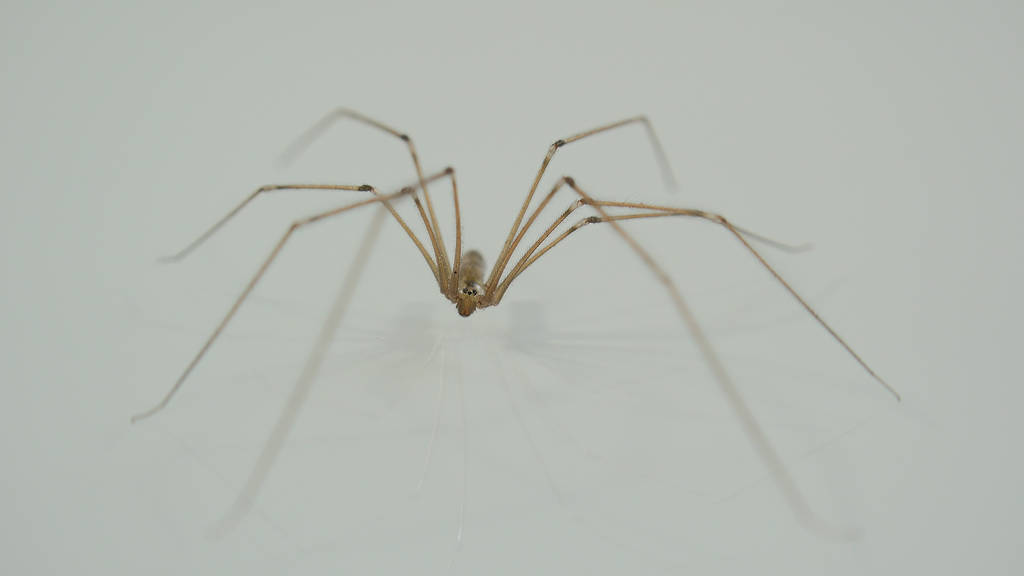
| Cellar Spiders (Daddy Longlegs) | High-humidity ceilings, dark basement floor joists. | Silverfish, gnats, small flies, crawling pests. | Harmless (Nuisance web-builder). |
| Wolf Spiders | Open garage floors, baseboards, under storage boxes. | Crickets, ground beetles, cockroaches, ants. | Low (Aggressive hunter, but non-toxic bite). |
| Sac Spiders | Junctions where walls meet ceilings, garage window tracks. | Flying moths, mosquitoes, crawling pests. | Low (Mildly painful bite if trapped in clothing). |
| Black Widow / Brown Recluse | Undisturbed cardboard boxes, dark corners, woodpiles. | Roaches, crickets, beetles, diverse insect populations. | Medically Significant (Exercise extreme caution). |
🚨 The Top 3 Reasons Your Spider Population Is Spiking
1. You Have a Hidden Insect Population (The Food Chain)
Spiders do not care about dropped food crumbs, open garbage cans, or kitchen spills. They only care about the pests that are eating those things.
- If your garage has an abundance of wolf spiders, you likely have an entry issue with field crickets or ground beetles.
- If your basement ceilings are covered in cellar spider webs, high humidity is likely breeding silverfish, fungus gnats, or drain flies.
2. Structural Gaps Around Large Openings
Garages are inherently difficult to seal completely. Worn-out bottom rubber weather stripping on garage doors or gaps around side entry doors act as open highways for ground-hunting pests. In basements, uncaulked utility penetrations (where pipes, HVAC lines, or electrical wires pass through the foundation) allow easy access.
3. Long-Term Storage Clutter
Cardboard boxes sitting undisturbed on concrete floors for months create a perfect web anchorage and hunting ground. Cardboard also absorbs ambient moisture from basement foundations, drawing in silverfish and crickets, which draws spiders directly to the source.
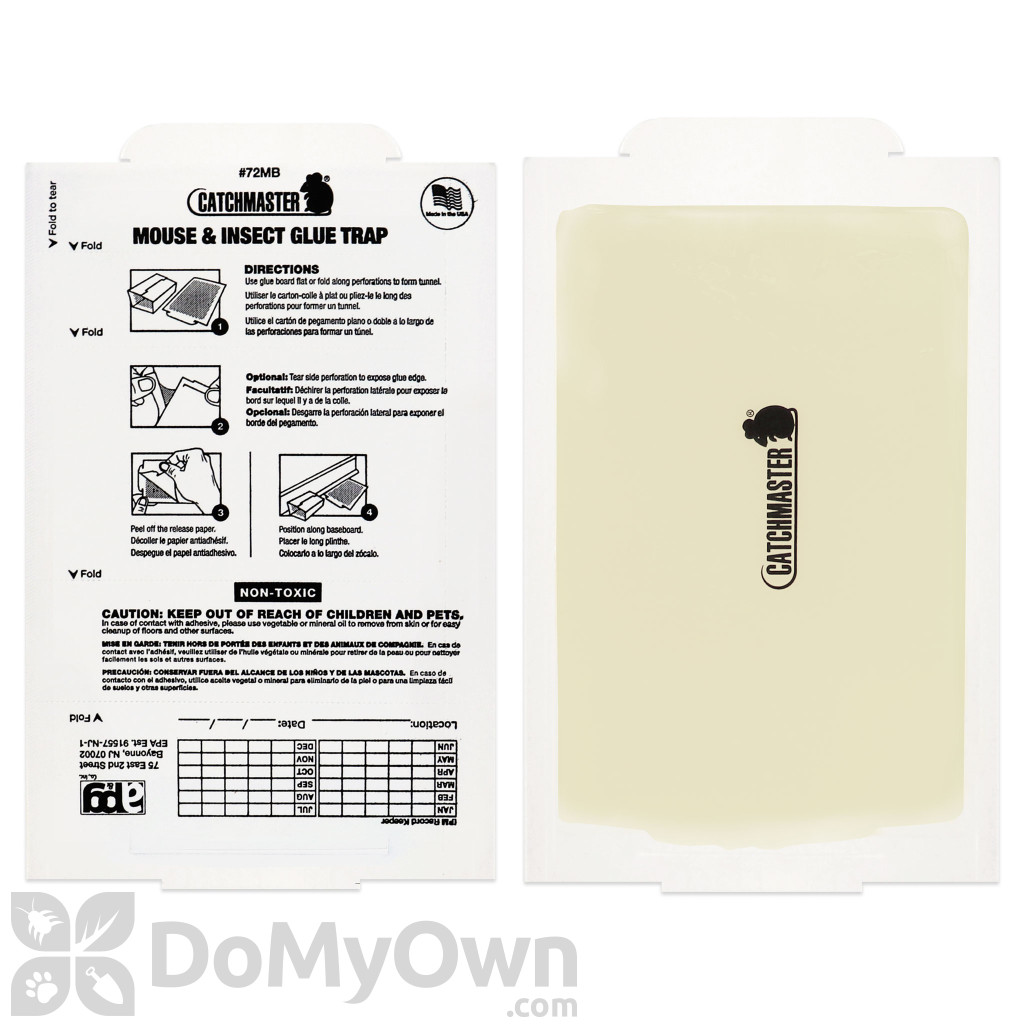
🛒🛒 Check Prices on DoMyOwn for the EXACT Spider Traps that we use in the field everyday to Kill Spiders 👇👇👇👇👇
🛠️ The Professional Approach to Spider Elimination
Spraying a standard chemical pesticide directly onto a spider provides temporary knock-down control but fails to solve the root problem. Spiders walk on their tiptoes (tarsi) and do not groom their legs with their mouths like insects do, meaning they rarely ingest dry chemical residuals left on baseboards.
To eliminate them permanently, you must combine sanitation, exclusion, and insect food-source reduction:
- Physically Remove Webs and Egg Sacs: Use a vacuum hose or a web brush to clear corners, floor joists, and window frames. Removing the web forces the spider to expend energy to rebuild; destroying the egg sacs prevents hundreds of new spiderlings from hatching inside.
- Transition Storage to Plastic Totes: Swap cardboard storage boxes for plastic bins with tightly sealing lids. This eliminates nesting harbors and keeps pest prey out.
- Target the Pest Food Source: Deploy sticky monitoring traps along baseboards to identify which insect population is feeding the spiders, and apply non-repellent perimeter treatments to drop the pest count.
- Seal Core Entry Footprints: Replace brittle garage door bottom seals and use silicone caulk or expandable foam around foundation cracks and outdoor utility pipes.
🏢 When to Lean on Local Directory Support
If you clean out storage spaces, clear webs, and still find yourself dealing with heavy spider populations—or if you suspect you are dealing with a dense population of medically significant venomous spiders like Black Widows—seeking a professional inspection is the safest course of action.
If you prefer to have a professional handle the tracking, exclusion, and structural protection for you, explore our Pest Control Directory pages.
- 📍 In Alexandria, VA? View our Pest Control Directory details to find premier service through our preferred partner for pest control in Alexandria, VA.
- 📍 In Woodbridge / Dale City? Secure an inspection through our top provider for pest control in Woodbridge, VA.
- 📍 In Richmond, VA? Review regional coverage plans from our featured provider for pest control in Richmond, VA.