Last Updated on September 10, 2026 by Tim L. | Founder of Pest Control Playbook | Reviewed for Scientific Accuracy by our Co-Founder, an Associate Certified Entomologist (ACE)
If you are dealing with a sudden invasion of trailing insects and asking yourself why they are indoors, you are not alone. After 42 combined years of professional pest control experience, we can tell you this is one of the most common issues homeowners face—especially during seasonal weather shifts when outdoor colonies expand rapidly.
Ants enter your home because your structural environment provides easy access to food, water, or harborages. Eradicating them permanently requires a strategy that leverages their natural foraging behaviors against the core of the colony.
What Attracts Ants Inside the House?
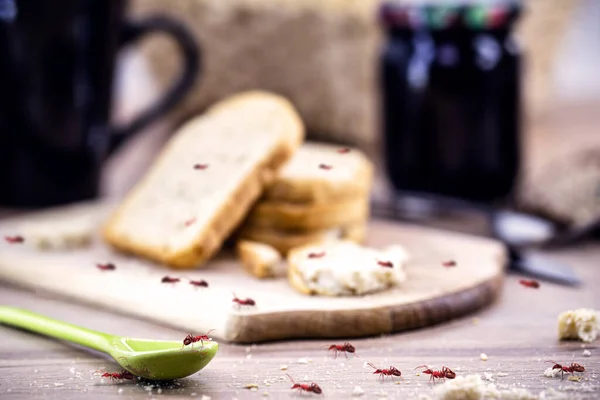
Ants do not explore living spaces at random. In almost every structural infestation we have treated over the decades, the trailing behavior can be traced back to three basic survival elements:
- Accessible Food Matrices: Foragers actively seek out sugar spills, carbohydrate crumbs on countertops, unwashed pet food bowls, and open trash containers.
- Micro-Moisture Sources: Standing water, leaking pipe joints under kitchen or bathroom sinks, localized window frame condensation, and poorly ventilated crawl spaces draw worker ants looking to sustain the nest.
- Structural Harborages: Gaps around utility penetrations, cracks in concrete slab foundations, compromised expansion joints, and spaces behind exterior brick veneers offer pathways to warm wall voids.
When a single scout ant discovers a reliable nutritional or water resource inside your kitchen or bathroom, it immediately deposits an invisible chemical pheromone trail on its return journey to the nest. This chemical highway signals the worker caste, turning a small entry issue into a full-scale domestic invasion within hours.
💡 Professional Affiliate & Editorial Disclosure
Some links on this page are affiliate links, meaning a small commission may be earned on recommended professional-grade products (like pressurized backpack sprayers or commercial baits) at no extra cost to you.
High-Risk Areas and Critical Entry Points
Most chronic infestations are traced back to multiple entry pathways and nearby satellite colonies rather than a single access point:
- The Foundation Perimeter: Overgrown mulch beds, landscaping stones, and concrete sidewalks abutting the structural foundation provide prime real estate for subterranean nesting sites.
- Utility Line Penetrations: Electrical conduits, HVAC coolant lines, and main plumbing pipes create direct highways through exterior walls straight into kitchen or bathroom plumbing boxes.
- Seasonal Environmental Disruptions: Torrential summer rains frequently flood subterranean nests, forcing entire colonies to migrate upward into dry wall voids to protect their brood. Conversely, extreme drought drives foragers indoors purely in search of moisture.
👉👉 Want to Know if Ants Can Cause Structural Damage? Read THIS Now
Why Traditional Pest Control Treatments Fail
The single biggest mistake made in DIY pest control is treating foraging ants purely as a surface problem. Spraying a line of trailing worker ants with over-the-counter contact aerosols or harsh chemical repellents will instantly kill the visible insects on your counter. However, it does absolutely nothing to eliminate the queen or the thousands of developing larvae hidden deep inside the nesting structure.
In fact, treating trailing ants with highly repellent contact sprays can trigger a defensive biological mechanism known as budding. When a colony senses a chemical threat, the main nest fragments. Multiple auxiliary queens split away, taking thousands of workers and brood with them into deeper wall voids, effectively multiplying your pest problem across the house.
The Professional Eradication Strategy
| Step | Action Item | Field Objective |
|---|---|---|
| 1 | Strict Sanitation | Eliminate competing food sources to force ants to feed exclusively on bait. |
| 2 | Targeted Baiting | Deploy non-repellent gel and liquid sugar baits directly alongside active trails. |
| 3 | Structural Sealing | Apply premium silicone caulk to expansion joints and utility gaps after baiting. |
| 4 | Perimeter Defense | Address exterior mulch depth and clear low-hanging branches touching the roof line. |
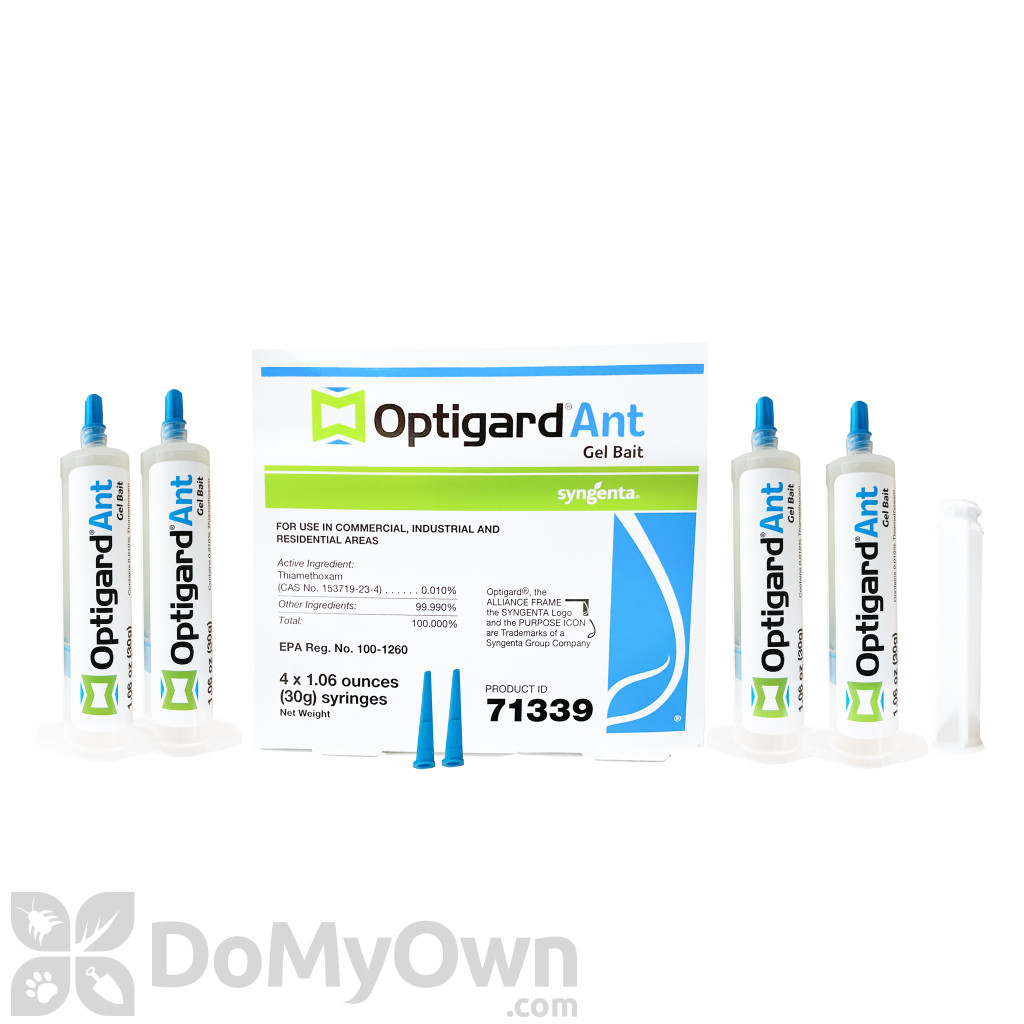
Targeted baiting is the absolute cornerstone of permanent elimination. Because worker ants possess a complex social structure, they ingest the slow-acting bait matrix and carry it back down into the heart of the nest. Through a process called trophallaxis, the workers regurgitate the liquid food to feed the larvae and the queen, systematically collapsing the reproductive engine of the entire colony from the inside out.
🛒🥇 These are the Ant Gel Baits that We Use in the Field everyday. 👇👇 Check Prices and 👇👇Availability on DoMyOwn Pest Control Now 👇👇
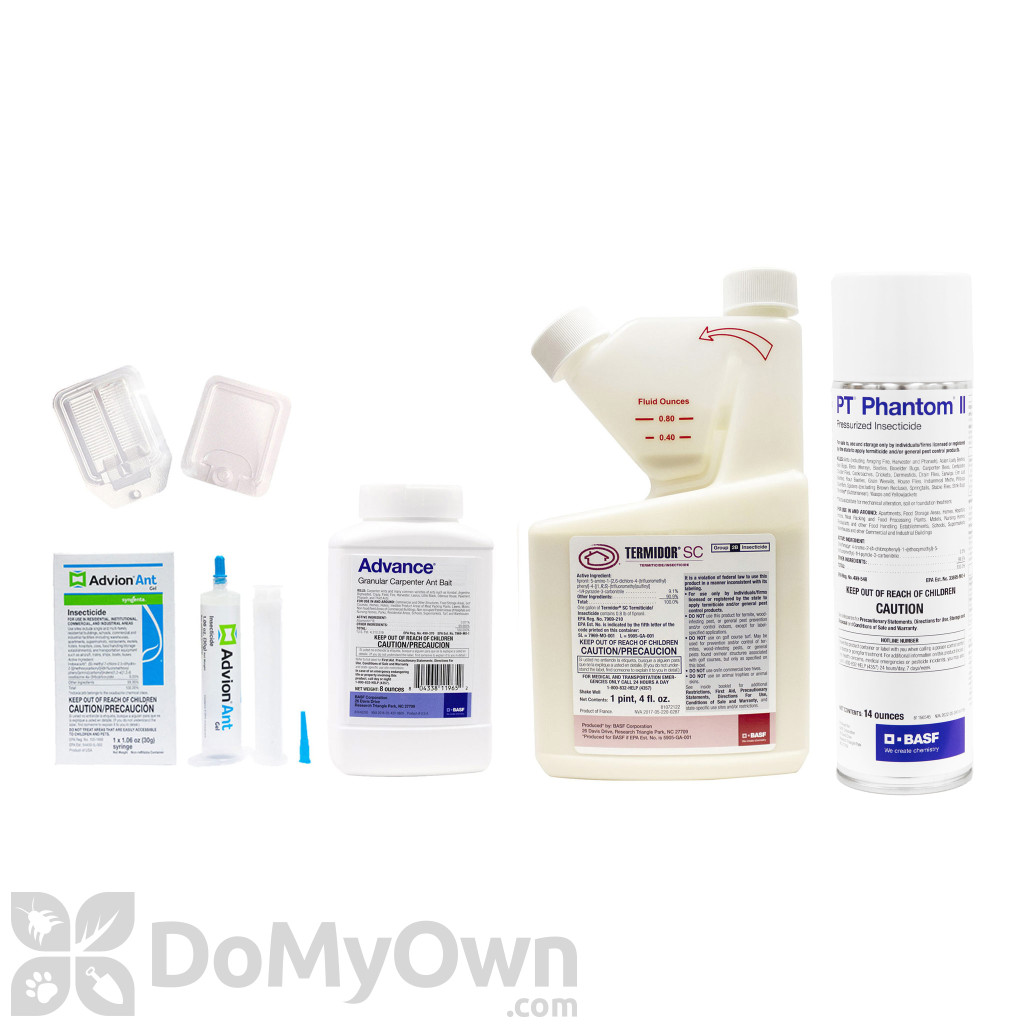
🛒🥇 Having Carpenter Ants? Here is a Complete Field Tested Kit for Complete Control. 👇👇 Check Price on DoMyOwn Now 👇👇
📖 Frequently Asked Questions
Why do ants suddenly reappear in the exact same spot after cleaning?
Even if you scrub away visible grease or sugar spills, a scout ant’s pheromone trail can linger on porous structural surfaces. If you do not completely neutralize the trail with an enzyme cleaner or vinegar solution, returning foragers from the outdoor colony can pick up the chemical scent days later and re-establish the trailing path.
How long does it take for professional ant bait to work?
Depending entirely on the overall size of the invading colony, professional bait matrices typically require 3 to 7 days to fully process through the population. You will notice a temporary spike in ant activity during the first 24 to 48 hours as the bait’s chemical attractants draw hidden workers out. It is crucial that you do not disturb or spray these trailing ants; they must remain alive to carry the active ingredient back to the queen.
What species of ant am I dealing with inside my walls?
The most common invaders are Odorous House Ants (Tapinoma sessile), known for a distinct rotten coconut odor when crushed, and Pharaoh Ants (Monomorium pharaonis), which prefer nesting near indoor heating elements. If you notice large black ants accompanied by small piles of sawdust-like wood shavings (frass) near baseboards, you are likely dealing with a Carpenter Ant (Camponotus) infestation that requires immediate attention to protect your home’s structural framing.
About The Author
Drawing from 40+ combined years of hands-on pest control management and ACE entomological field experience, Pest Control Playbook delivers practical, straightforward solutions for homeowners. For severe or structurally damaging infestations, please contact your local Pest Professional.