Last Updated on September 6, 2026 by Tim L. | Founder of Pest Control Playbook | Reviewed for Scientific Accuracy by our Co-Founder, an Associate Certified Entomologist (ACE)
Finding mysterious wood damage, piles of fine sawdust, or a sudden swarm of winged insects around your window frames can cause immediate panic. Both carpenter ants and termites are notorious wood-destroying organisms (WDOs) capable of compromising your home’s structural integrity.
However, they are completely different biological pests. They live differently, eat differently, and require entirely separate professional treatment protocols. Treating a termite infestation with ant bait—or vice versa—is a costly mistake that gives the colony more time to destroy your framing.
This guide breaks down the critical anatomical differences, structural signs, and field-tested product systems to help you accurately diagnose the enemy and wipe them out before structural damage escalates.
🥉 Quick-Start Summary: The Identification Cheat Sheet
If you are holding an insect right now or looking at active damage, use this rapid breakdown to differentiate between the two pests.
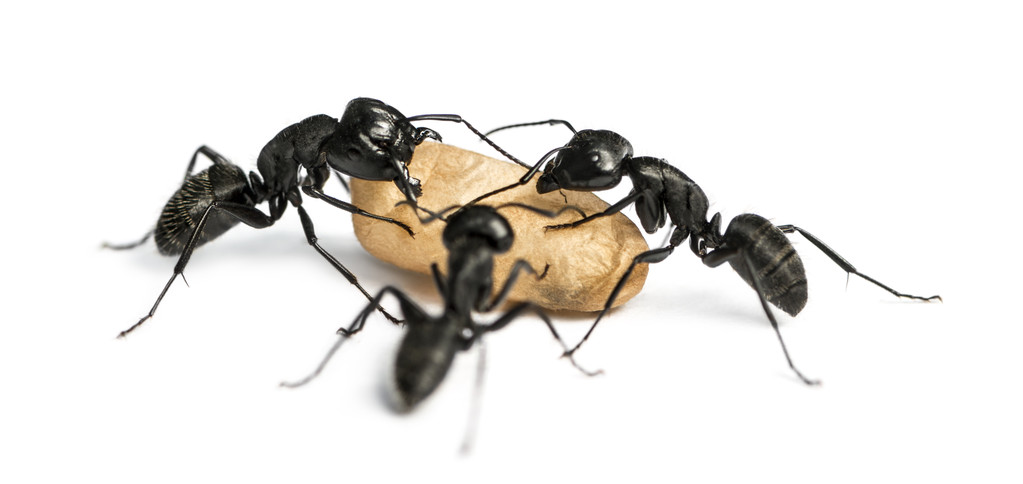
🐜 CARPENTER ANTS: Pinch-waisted bodies, elbowed antennae, unequal wing sizes. They chew through wood to build clean galleries but do not eat it. They leave behind piles of sawdust-like frass containing dead insect parts.
🐛 TERMITES: Thick-waisted bodies, straight bead-like antennae, four wings of identical length. They actively consume wood cellulose as food. They leave behind hollowed-out mud-packed tracks, subterranean mud tubes, or tiny discarded wings.
💡 Professional Affiliate & Editorial Disclosure
Some links on this page are affiliate links, meaning a small commission may be earned on recommended professional-grade products (like pressurized backpack sprayers or commercial baits) at no extra cost to you.
🕵️ Physical Anatomy: Termite Swarmers vs. Flying Ants
During the spring and damp summer months, both termites and carpenter ants produce winged reproductive insects called “swarmers.” These insects fly out of hidden nests in the thousands to mate and establish new colonies. This is the moment most homeowners first spot an infestation.
To know exactly what you are dealing with, look at an individual swarmer under a magnifying glass or a clear smartphone camera zoom:
🔎 The Antennae Test
- Flying Ants: Their antennae have a sharp, distinct 90-degree bend or elbow.
- Termite Swarmers: Their antennae are completely straight and resemble a tiny string of uniform beads.
🔎 The Waist Test
- Flying Ants: They possess a classic insect anatomy with a highly defined, narrow, pinched waist separating their thorax and abdomen.
- Termite Swarmers: They have a broad, uniform, thick waist. Their body shape looks like a single continuous oval segment.
🔎 The Wing Test
- Flying Ants: They have four wings, but the front pair is significantly larger and longer than the rear pair.
- Termite Swarmers: They have four paddle-shaped wings that are perfectly identical in length, size, and shape. These wings are incredibly fragile and drop off the insect’s body almost immediately after landing.
🪵 Behavioral Differences: Wood Excavation vs. Consumption
The mechanical way these pests interact with your home’s structural wood determines the type of evidence they leave behind.
🐜 The Carpenter Ant Strategy: Clean Galleries
Carpenter ants do not eat wood. They possess powerful, scissor-like mandibles that they use to manually tear away wood fibers to hollow out protective nesting spaces known as galleries. Because they are not consuming the wood, they must discard the waste material outside the nest.
This waste is called frass. It looks exactly like fine piles of pencil shavings or sawdust. If you look closely at a pile of carpenter ant frass beneath a window casing or joist, you will see a mixture of shredded wood grains, dirt particles, and the dark, broken body fragments of dead ants the colony has cleaned out of the nest. The interior of a carpenter ant wood gallery is completely smooth and looks like it was scraped clean with sandpaper.
👉👉 Learn How to Get Rid of Ants Outside Your Home Now. Read HERE
🐛 The Termite Strategy: Total Consumption
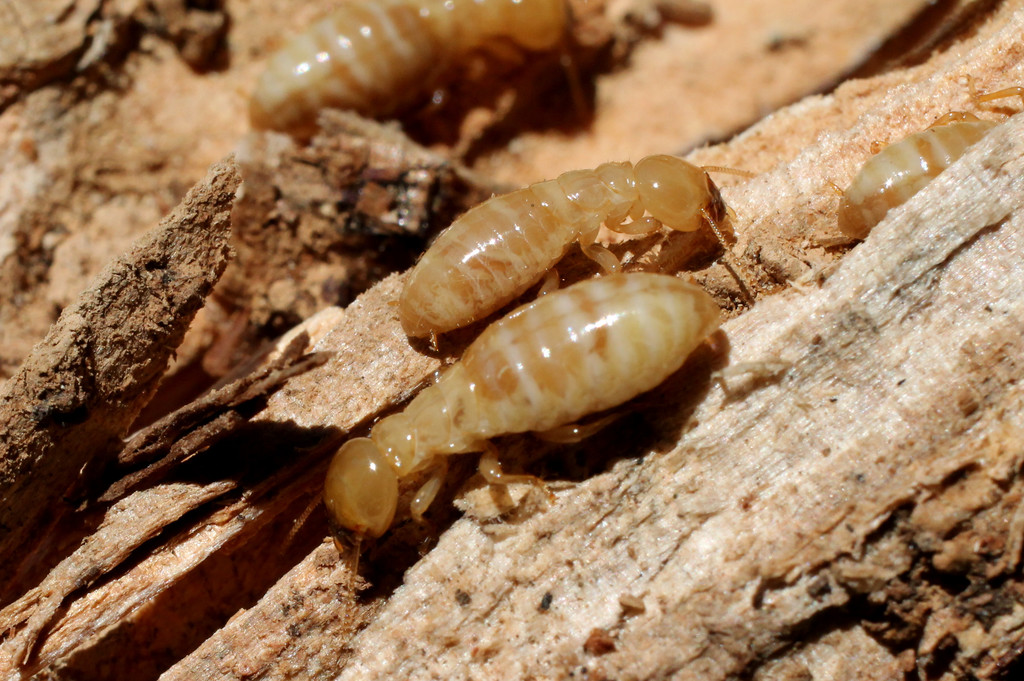
Termites possess specialized protozoa in their digestive tracts that allow them to break down and actively feed on wood cellulose. They consume your structural framing 24 hours a day, 7 days a week.
Because termites require incredibly high humidity levels to survive, they never leave their feeding sites open to the ambient indoor air. They eat structural lumber from the inside out, always leaving the outermost layer of wood or paint fully intact.
Termite damage follows the natural grain of the wood, targetting the softer springwood layers. They line their feeding tracks with a unique mixture of soil, saliva, and fecal matter, creating a distinct mud-like packing material inside the hollowed-out timber. If you tap on a wood beam damaged by termites, it will sound completely hollow or break open like wet cardboard.
🚨 Visual Signs of Active Home Infestations
In the field, we track specific structural clues to determine the severity and type of nesting activity inside the house layout.
🚩 Signs of Carpenter Ants
- Indoor Sightings: Large, dark-brown or jet-black worker ants traveling along kitchen backsplashes, dishwasher panels, and bathroom tile edges.
- Rustling Sounds: A mature carpenter ant colony nested behind a drywall void can produce a distinct, faint rustling or clicking sound that becomes audible at night when the house is quiet.
- Exterior Foraging Lines: Trails of large ants marching across your outdoor trees, rooflines, gutters, or along fence rails leading directly toward your foundation siding.
🚩 Signs of Subterranean Termites
- Mud Tubes: Earth-toned, pencil-thick tunnels constructed along concrete foundation blocks, sill plates, and crawl space walls. Termites use these tubes as protected, climate-controlled highways to travel safely between the moist ground soil and your home’s wood framing.
- Discarded Wing Piles: Finding hundreds of identical, translucent insect wings scattered across window sills, door tracks, or inside spider webs near your entry doors.
- Bubbling Paint: Sheetrock or wooden trim surfaces that appear to blister, buckle, or show faint dark lines beneath the paint layer.
🎛️ Professional Product Protocols for Long-Term Control
Because these insects possess entirely different biological systems, over-the-counter retail bug sprays are completely useless. To protect your investment, you must deploy targetted professional treatments.
🎯 How to Eradicate Carpenter Ants
To eliminate a carpenter ant colony, you must use a specialized baiting routine or a non-repellent liquid application that workers can carry back to the queen.
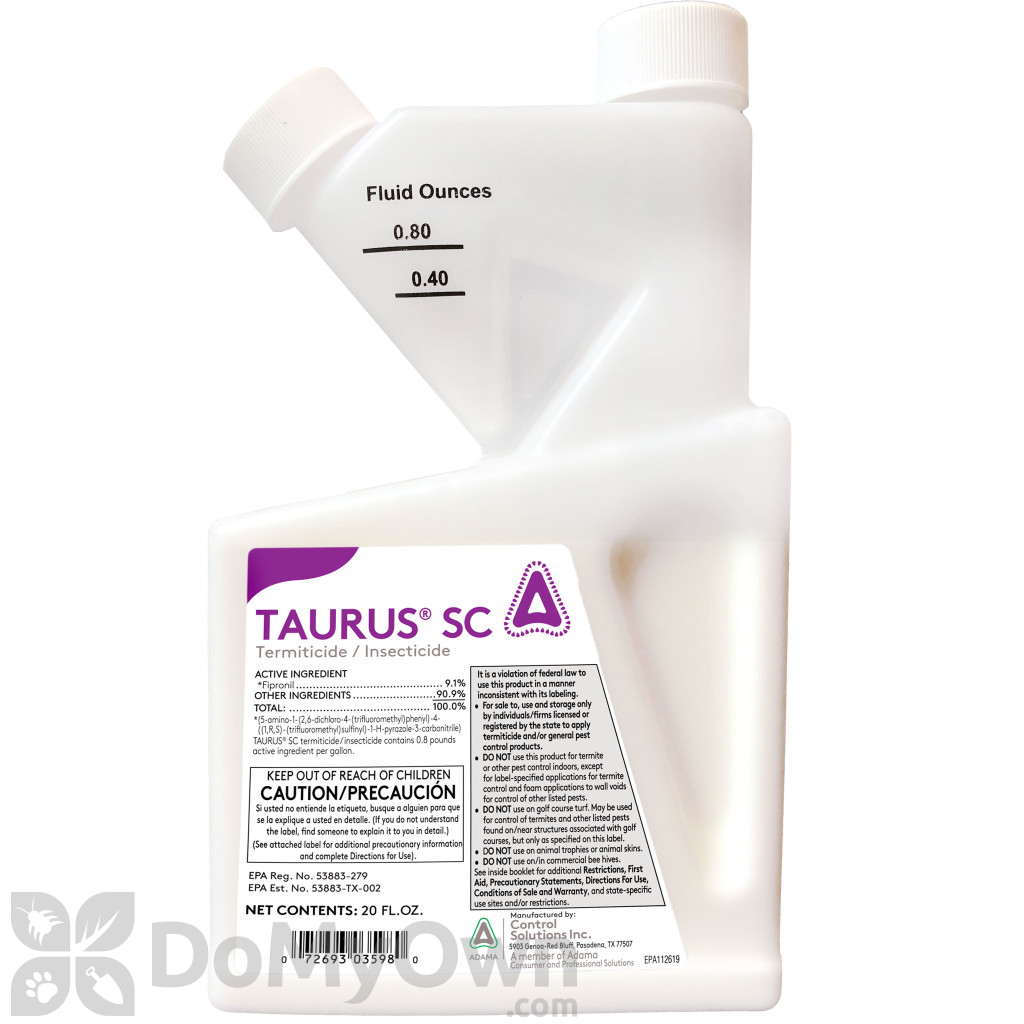
- Non-Repellent Liquid Barriers: Spraying traditional repellent chemicals will only scatter the ants. Instead, professionals use Taurus SC or Termidor SC (Fipronil) as an outdoor perimeter treatment. Ants walk over this invisible barrier without realizing it, tracking the active ingredient back into the nest to cause a total colony collapse.
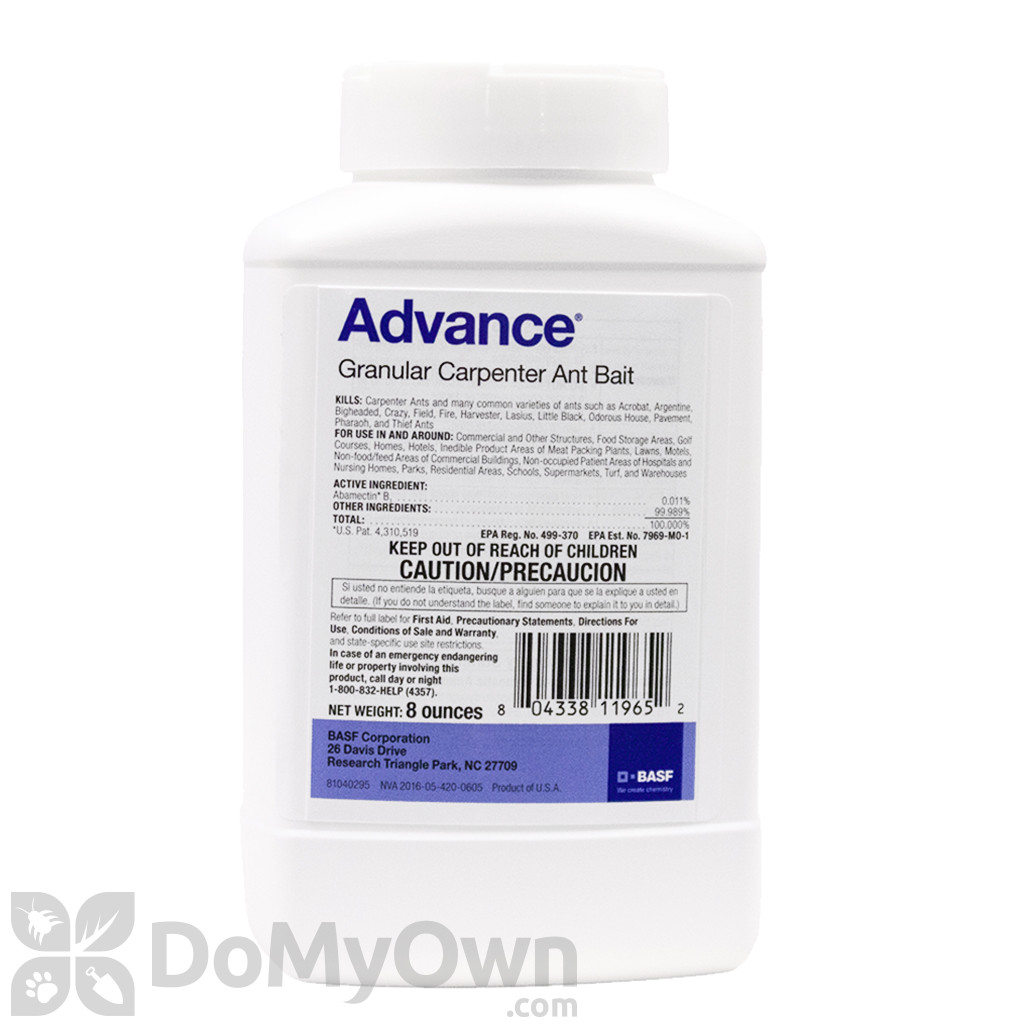
- Specialized Baits: For indoor trails, apply sweet-based gel matrices like Syngenta Advion Ant Gel Bait or protein granules like Advance Carpenter Ant Bait Outside directly along their travel pathways.
🛒🥇 Click the Products below 👇👇 to check pricing on DoMyOwn 👇👇 and Use the Exact Products we Use in the Field Today 👇👇👇
🎯 How to Eliminate Termites
Termite remediation requires establishing a complete protective envelope around your home’s foundation or treating the underlying soil directly.
- Liquid Soil Barriers: Applying a continuous liquid termiticide barrier into the soil around your foundation exterior blocks the path between the nest and the house, but requires a lot of physical labor digging trenches around your home.
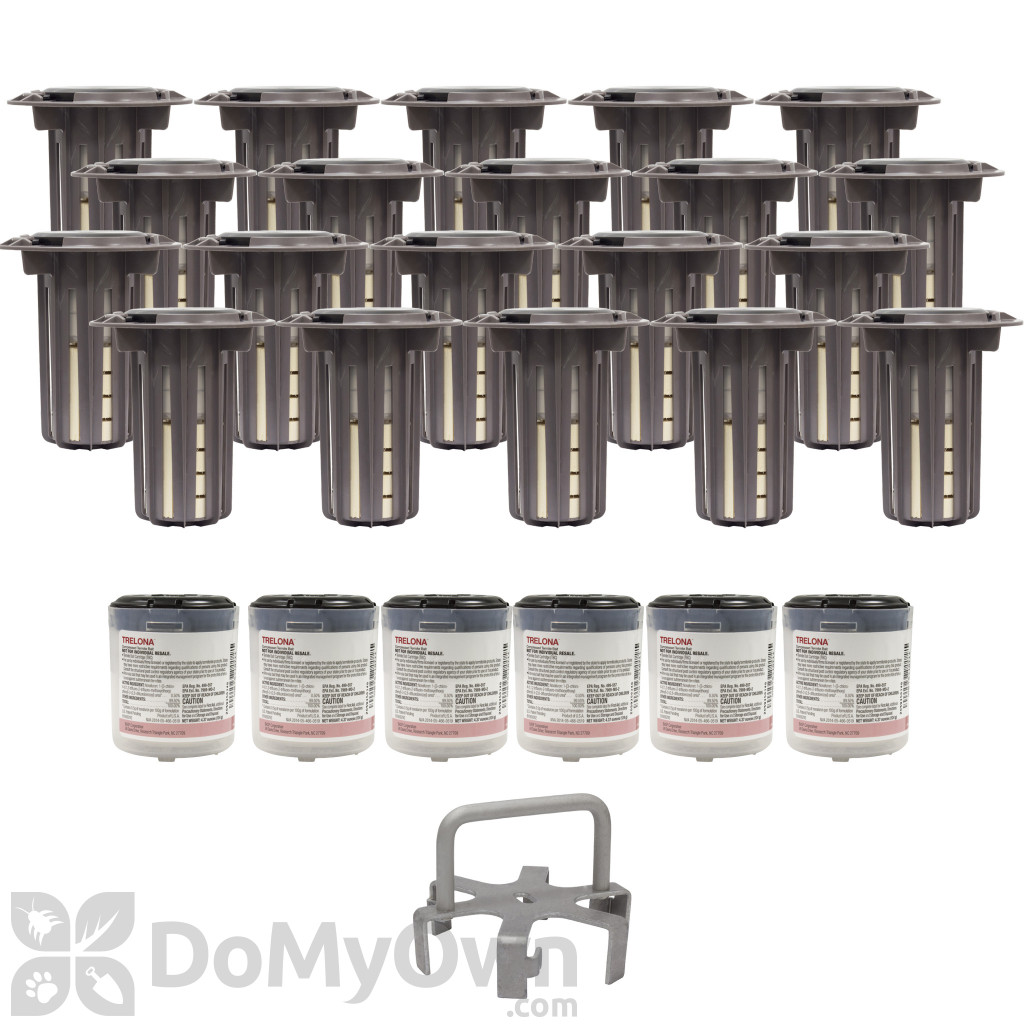
- Baiting Systems: Installing professional-grade baiting stations, such as the Advance Termite Bait Station System, into the soil at 10-foot intervals around your perimeter. Termites discover the highly attractive cellulose bait matrix, feed on it, and distribute the slow-acting growth inhibitor throughout the underground colony.
- Wood Borate Treatments: For open framing or exposed crawl spaces, spraying a glycol-borate solution like Bora-Care directly onto raw timber provides permanent, lifelong immunity against both termites and wood-boring beetles.
🛒🥇 THIS is the Gold Standard for DIY Termite Baiting System. 👇👇👇 Check Pricing on 👇👇👇DoMyOwn Now, and Protect Your House from Termites 👇👇👇
🗂️ Complete Structural Prevention Checklist
Work through this seasonal field checklist to eliminate the environmental conditions that attract wood-destroying pests:
- Trim all tree branches, heavy ivy, and shrubs back at least two to three feet away from your roofline and gutters.
- Maintain a clean 6-inch gap of exposed concrete foundation between the soil line and your exterior siding.
- Fix active plumbing leaks, roof flashing gaps, and malfunctioning gutter downspouts to eliminate damp wood zones.
- Remove old tree stumps, buried construction debris, and rotting logs from your yard.
- Store firewood piles at least 20 feet away from the exterior walls and keep the logs elevated off the soil.
- Ensure all crawl spaces are fitted with a high-quality vapor barrier and maintain proper ventilation formatting.
- Inspect foundation expansion joints and seal minor stress cracks with an outdoor silicone compound.
❓ Need Expert Diagnostic Help with Wood Damage?
Accurately differentiating between carpenter ants and termites can be incredibly difficult, and a misdiagnosis can lead to thousands of dollars in avoidable structural repair costs down the road.
If you have discovered active mud tubes, unidentifiable frass piles, or are watching a swarm of winged insects inside your living spaces, do not leave your property’s safety to guesswork. Contact your local Pest Professional Today.