Last Updated on September 4, 2026 by Tim L. | Founder of Pest Control Playbook | Reviewed for Scientific Accuracy by our Co-Founder, an Associate Certified Entomologist (ACE)
🛠️ The 40+ Year Combined Field Playbook
When homeowners discover insects tearing through their property, their first fear is structural collapse. However, knowing how to get rid of ants effectively depends entirely on identifying whether you are dealing with a simple nuisance colony or a destructive wood-boring species.
Backed by our combined 40+ years of hands-on pest control field experience and professional entomology management, this playbook breaks down the exact differences between harmless invaders and destructive pests.
💡 Professional Affiliate & Editorial Disclosure
Some links on this page are affiliate links, meaning a small commission may be earned on recommended professional-grade products (like pressurized backpack sprayers or commercial baits) at no extra cost to you.
🚫 Which Ants Can Damage a House Structure?
Most common household ants are classified as nuisance pests. While species like odorous house ants and pavement ants will overrun kitchen countertops in search of sweets, they possess neither the mouthparts nor the biological drive to compromise structural framing.
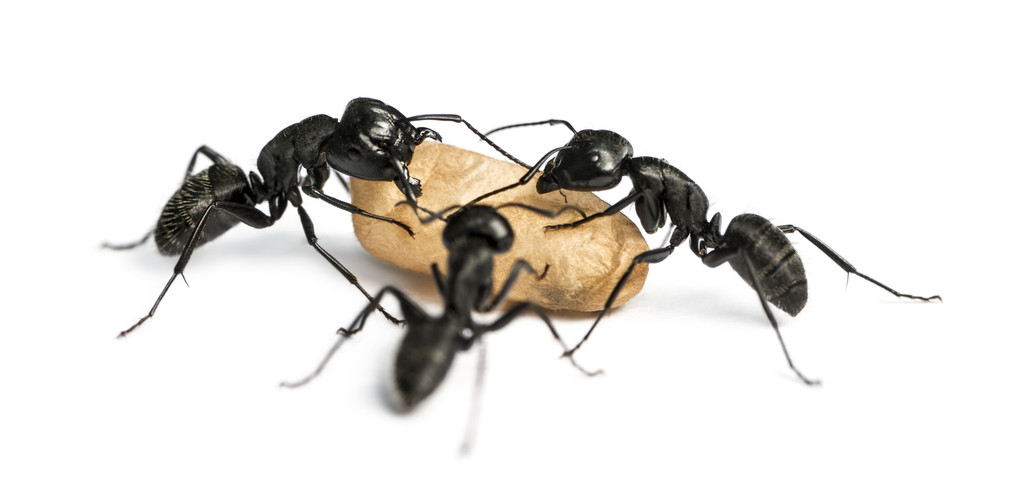
The single major exception to this rule is the Carpenter Ant (Camponotus).
Unlike termites, carpenter ants do not consume cellulose as a food source. Instead, they utilize their powerful mandibles to excavate smooth galleries inside structural wood to establish satellite nesting sites. Over time, an undetected carpenter ant colony tunneling through wall voids, window frames, or door casings can cause severe structural degradation.
👉👉 How Long Does it Take to Get Rid of Ants? An ACE Certified Entomologist Explains
🔍 Spotting the Signs of Carpenter Ant Damage
Because wood excavation occurs entirely behind finished drywall, identifying a hidden infestation requires tracking specific field indicators before structural wood completely rots out:
- 🪚 Coarse Frass Piles: As workers hollow out nesting galleries, they kick debris out of microscopic exit holes. Look directly beneath window sills, door frames, or attic joists for small piles of frass—a material that resembles coarse, fibrous sawdust mixed with dead insect parts.
- 🔊 Acoustic Rustling: In severe structural infestations, sitting quietly next to an active wall void at night will allow you to hear a distinct, faint rustling or clicking sound as thousands of workers excavate the framing.
- 💧 Moisture Intersections: Carpenter ants are highly attracted to compromised, water-damaged wood. Inspect areas suffering from roof leaks, plumbing condensation, or poor crawl space ventilation immediately.
🧪 How to Apply Perimeter Pest Control for Total Ant Elimination
Killing a few foraging ants on a kitchen counter with an over-the-counter retail spray will never solve the problem; it simply scatters the colony. True eradication requires running a coordinated chemical barrier program.
- 🛡️ Establish a Liquid Perimeter Shield: Apply a professional-grade non-repellent residual insecticide (such as Talstar P or Suspend PolyZone) using a pressurized tank sprayer. Spray a continuous band 18 inches up the foundation wall and 18 inches out into the soil around the entire perimeter of the structure.
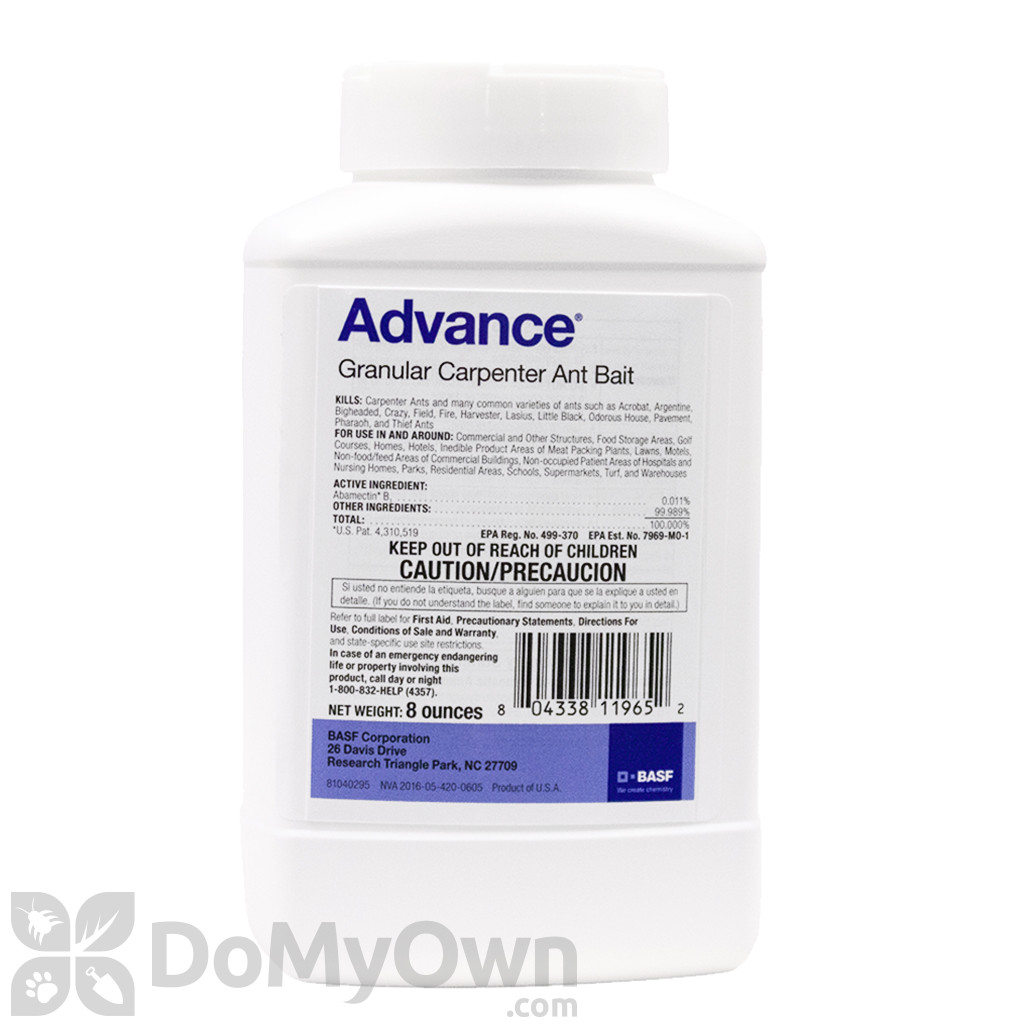
- 🎯 Deploy Target Granular Baits: Apply specialized weather-resistant granular ant baits around structural entry points, landscaping beds, and tree bases where foraging trails originate.
- 🌿 Implement Mechanical Exclusion: Trim back all overhanging tree limbs and dense vegetation making physical contact with your roofline or siding, blocking the natural bridges ants use to bypass your liquid ground barrier.
🛒🥇 The Best Carpenter Ant Bait to Eliminate Colonies 👇👇 Field Tested to Kill Carpenter Ants Fast 👇👇👇 Check Price on DoMyOwn Now
🔬 The Biological Reality of Foraging Ant Colonies
Eliminating a persistent ant infestation requires understanding their social structure and food allocation habits. Ants operate via a biological mechanism known as trophallaxis—the reciprocal transfer of liquid food and chemical signals between members of the colony.
- 🐜 The Bait Transfer Mechanism: When you apply a professional liquid non-repellent or gel bait matrix, foraging workers cannot detect the active ingredient. They consume the chemical, travel safely back deep inside the subterranean or wall-void nest, and pass the lethal dose directly to the queens and developing larvae.
- 🚨 The Danger of Repellent Sprays: Using cheap, consumer-grade retail aerosol sprays acts as a massive disruptor. These formulas contain harsh, immediate repellents that trigger a biological defense mechanism known as budding. The colony panics, splits into multiple satellite units, and spreads the infestation to separate rooms inside your home.