Last Updated on September 8, 2026 by Tim L. | Founder of Pest Control Playbook | Reviewed for Scientific Accuracy by our Co-Founder, an Associate Certified Entomologist (ACE)
Discovering a cockroach infestation triggers an immediate race against the clock. When you apply professional gel baits, you need to know exactly when the nesting population will disappear.
Understanding the biological timeline of professional roach baiting helps you accurately monitor your treatment success. Backed by almost 15 years of hands-on field experience and the technical oversight of an Associate Certified Entomologist (ACE) with over 40 years in the industry, this guide breaks down exactly what happens behind your walls after a professional-grade bait application.
💡 Professional Affiliate & Editorial Disclosure
Some links on this page are affiliate links, meaning a small commission may be earned on recommended professional-grade products (like pressurized backpack sprayers or commercial baits) at no extra cost to you.
The 24 to 48 Hour Window: The First Field Knockdown
Professional gel baits do not kill cockroaches instantly on contact, and our field technicians intentionally rely on that delay. Active ingredients like Indoxacarb, Clothianidin, or Fipronil require time to disrupt the insect’s central nervous system.
Within the first 24 to 48 hours, our truck notes show you will begin to see the first wave of dead or sluggish cockroaches near the bait placement areas. These are the active foraging adult roaches that directly consumed the gel matrix.
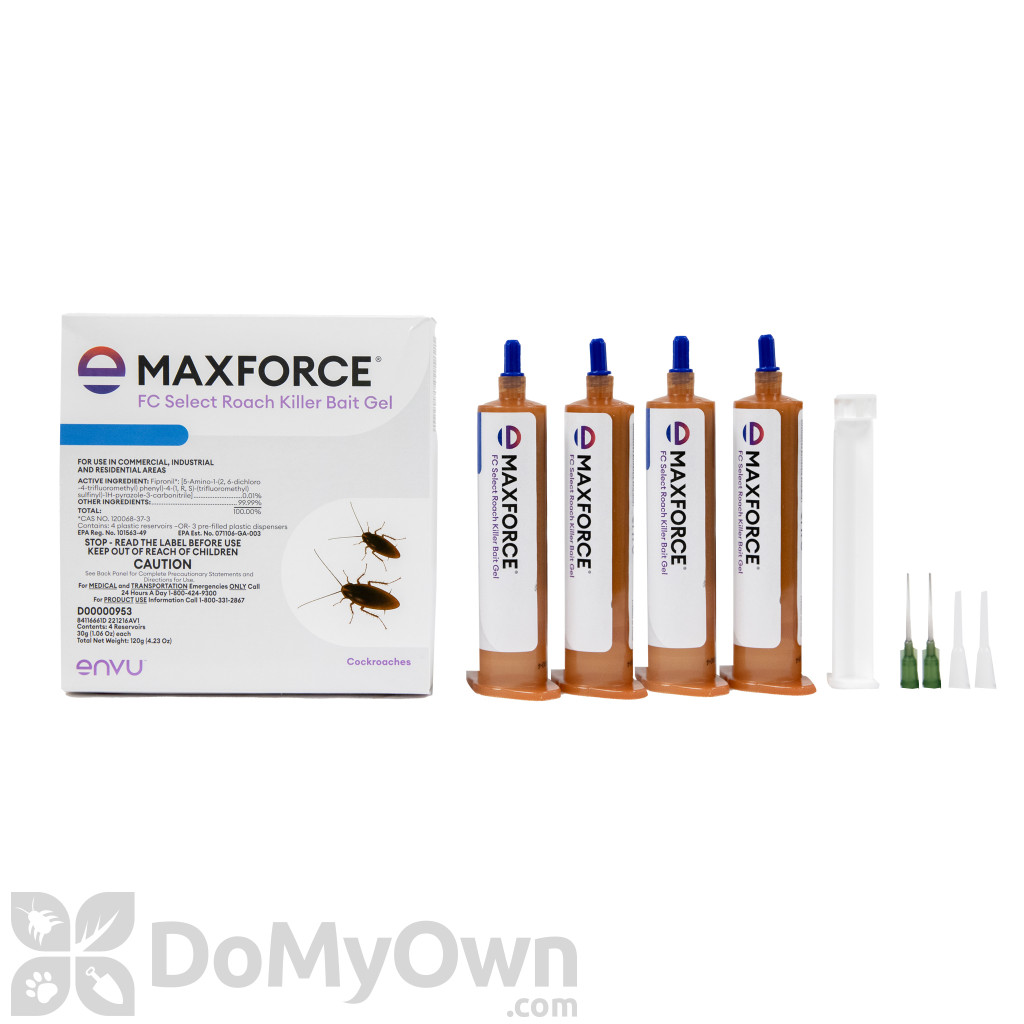
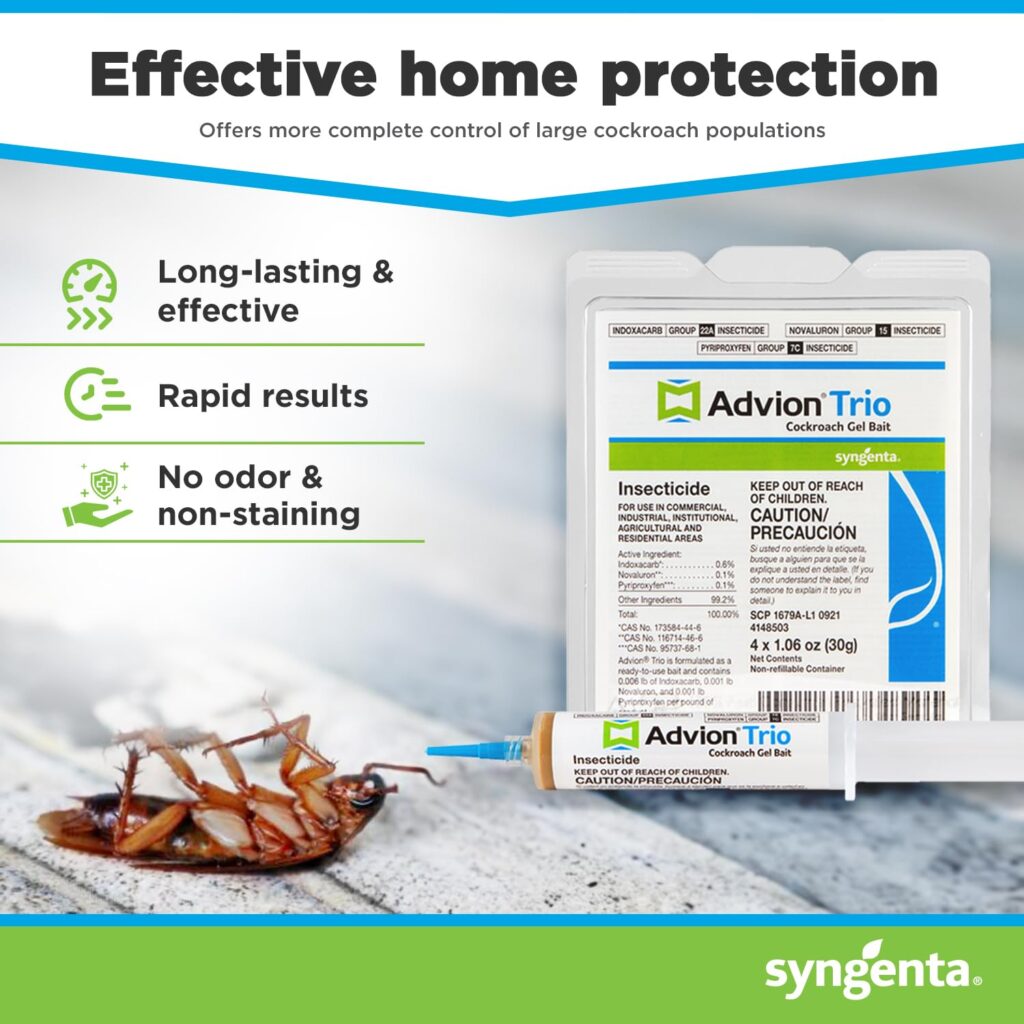
🛒🥇 These are my tried and true roach baits that we use in the field daily👇👇👇 Check prices on DoMyOwn Pest Control Now 👇👇👇🛒
Day 3 to Day 7: The Entomologist’s Domino Effect
👉👉 Want to Know the Best Roach Gel Baits? Read THIS Article Now
The true power of professional baiting relies on a biological process our Associate Certified Entomologist monitors closely: secondary horizontal transfer through coprophagy (consuming feces) and cannibalism.
When a foraging roach returns to the deep wall voids and dies, the remaining hidden population eats the poisoned carcass and droppings. This triggers a massive domino effect inside the nesting structures, spreading the active ingredient straight to the breeding females and tiny nymphs that never leave the safety of the harborages.
Week 2 to Week 3: Total Colony Eradication
By the second and third weeks, the reproductive cycle of the local population breaks down completely. In our 42 combined years of field experience, this is the window where night-time cockroach activity drops to near zero.
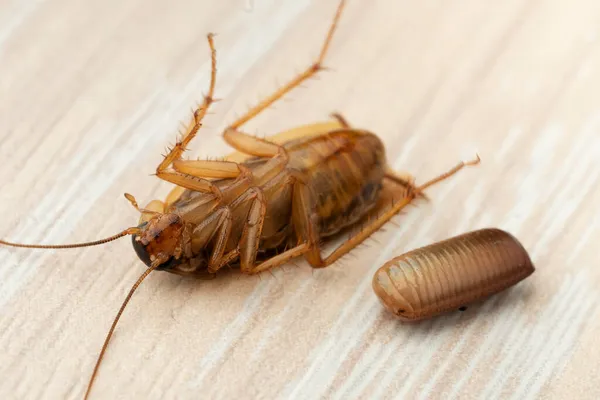
If you still notice tiny baby roaches (nymphs) crawling around after 14 days, it means a fresh egg capsule (ootheca) has recently hatched. As a matter of expert field practice, this is why keeping fresh, unpolluted bait placements available is vital to wipe out that final hatching generation.
3 Professional Field Rules to Speed Up Your Timeline
To make your roach bait work as fast as possible, follow the exact protocols our technicians use on the road:
- Eliminate Competing Food Vectors: Deep clean stove grease, crumbs, and standing water so the roaches are forced to feed exclusively on the gel.
- Do Not Contaminate with Sprays: Never use over-the-counter retail bug sprays near your bait lines. These sprays act as a repellent, ruining the bait matrix and causing the roaches to avoid it entirely.
- Monitor and Replenish Placements: Heavy infestations can consume small gel dots in a matter of days. Inspect your placements weekly and add fresh bait if the dots have been eaten or dried out.