Last Updated on September 8, 2026 by Tim L. | Founder of Pest Control Playbook | Reviewed for Scientific Accuracy by our Co-Founder, an Associate Certified Entomologist (ACE)
Few things alarm a homeowner faster than suddenly finding insects with wings swarming inside their living room. One day everything seems completely normal, and the next, dozens of winged insects are piling up around your windows, doors, or light fixtures.
Drawing upon 40+ years of combined experience in the professional pest control industry and being an ACE Associate Certified Entomologist, running crews on the road, and managing tough structural accounts, I can tell you that flying ants are one of the most misunderstood household pests. When people see wings, they immediately panic and assume their home is being eaten alive by termites.
While flying ants aren’t necessarily a sign that your house is falling down today, they are a major red flag that a mature, fully developed ant colony is living either inside your walls or directly against your foundation. They require immediate attention before that single colony multiplies.
Understanding exactly why these winged swarmers are showing up indoors is the secret to tracing them back to the source and knocking them out for good.
What Are Flying Ants? (The Truth About Swarmers)
Flying ants are not a unique or separate species of ant. You aren’t dealing with a new type of mutant insect.
Instead, they are the specialized reproductive members of an existing ant colony, known in the pest industry as swarmers or alates.
An established ant colony has a very strict corporate ladder:
- Workers spend their entire lives foraging for sweets, maintaining tunnels, and tending to the queen.
- Swarmers have exactly one job: grow wings, leave the nest, mate with swarmers from other colonies, and drop their wings to become the queens of brand-new colonies.
When a nest outgrows its current space and weather conditions are exactly right, the colony triggers a swarming event. Hundreds of these winged reproductives take flight at the exact same time.
💡 Professional Affiliate & Editorial Disclosure
Some links on this page are affiliate links, meaning a small commission may be earned on recommended professional-grade products (like pressurized backpack sprayers or commercial baits) at no extra cost to you.
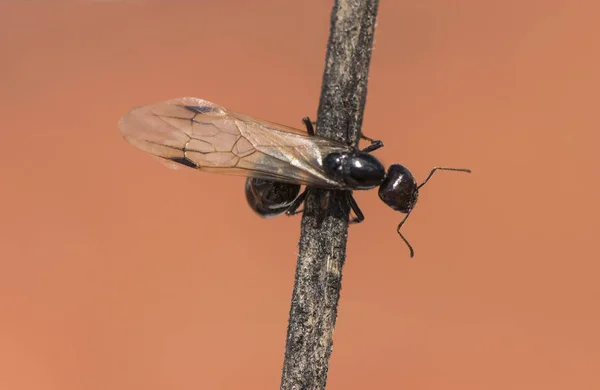
Why Do I Have Flying Ants Inside My House?
If you are seeing winged ants inside your home, it almost always comes down to one of three specific scenarios that we see out in the field:
1. The Nest Is Intentionally Built Inside Your Walls
This is the worst-case scenario and the most common reason for massive indoor swarms. If hundreds of flying ants suddenly emerge inside a room, the colony is likely nesting inside a wall void, crawl space, attic, or right beneath your concrete slab. This is incredibly common with wood-destroying carpenter ants that target moisture-damaged structural studs.
2. A Mature Colony Is Directly Against the Foundation
If the nest isn’t inside the wood of your home, it is likely right on the property line. Large colonies living under adjacent sidewalks, beneath heavy patio bricks, or hidden under landscaping mulch will release swarmers that accidentally venture toward the structure.
3. The Flying Ants Blundered in From Outdoors
Ant swarmers are highly attracted to bright lights. If a colony swarms in your yard at dusk, the insects will fly toward your porch lights, window lights, or indoor lamps. They squeeze their way through damaged window screens, gaps under doors, or unsealed utility line penetrations.
👉👉 Want to know if Ants Cause Structural Damage? Read THIS Article Now
Flying Ants vs. Termites: The 60-Second Identification Test
Before you spend a single dollar on DIY pest control products, you must know exactly what insect you are fighting. Misidentifying flying ants as termites—or vice versa—will cause you to use the wrong chemicals, wasting time while the pests cause structural damage.
Look closely at the antenna, waist, and wings to make an accurate identification:
- Antennae Shape: Flying ants have distinctively bent or “elbowed” antennae, whereas flying termites have completely straight antennae that look like a string of tiny beads.
- Waistline: Flying ants possess a pinched, narrow waist with clear body segments. Flying termites have a thick, straight waist with a uniform tube shape.
- Wing Size: Flying ants have front wings that are significantly larger than their rear wings. Flying termites have four wings that are perfectly equal in length and size.
- Wing Durability: Ant wings stay firmly attached during movement, while termite wings break off easily at a joint, leaving piles of loose wings behind.
If you notice the wings are twice as long as the insect’s body and drop off at the slightest touch, you are likely dealing with a termite swarm. If the bodies have a clear, hourglass shape, you have an ant problem.
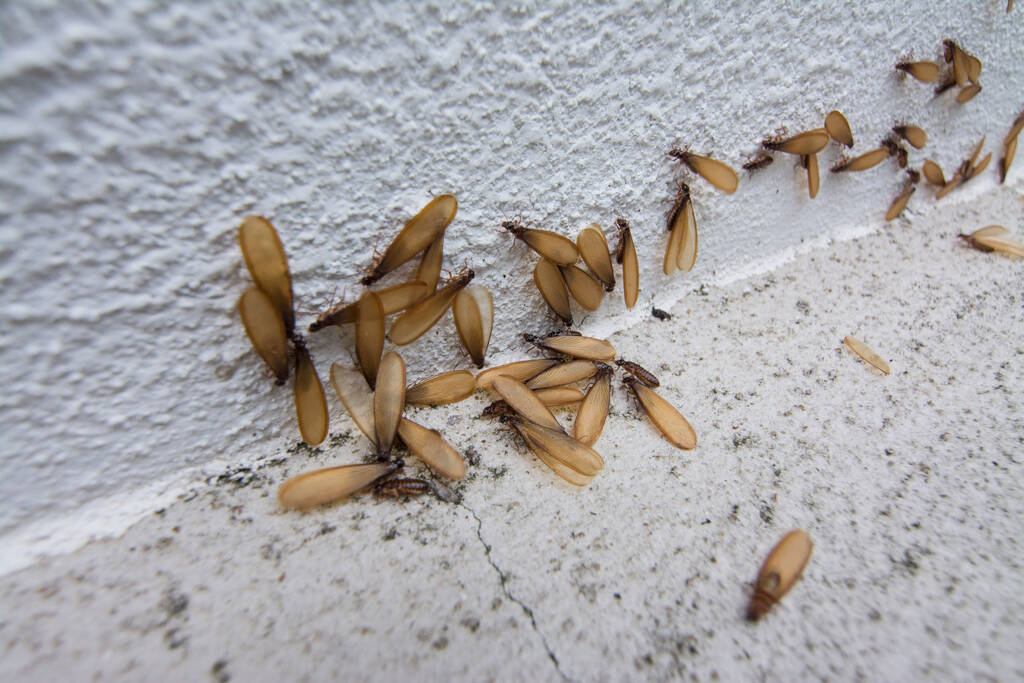
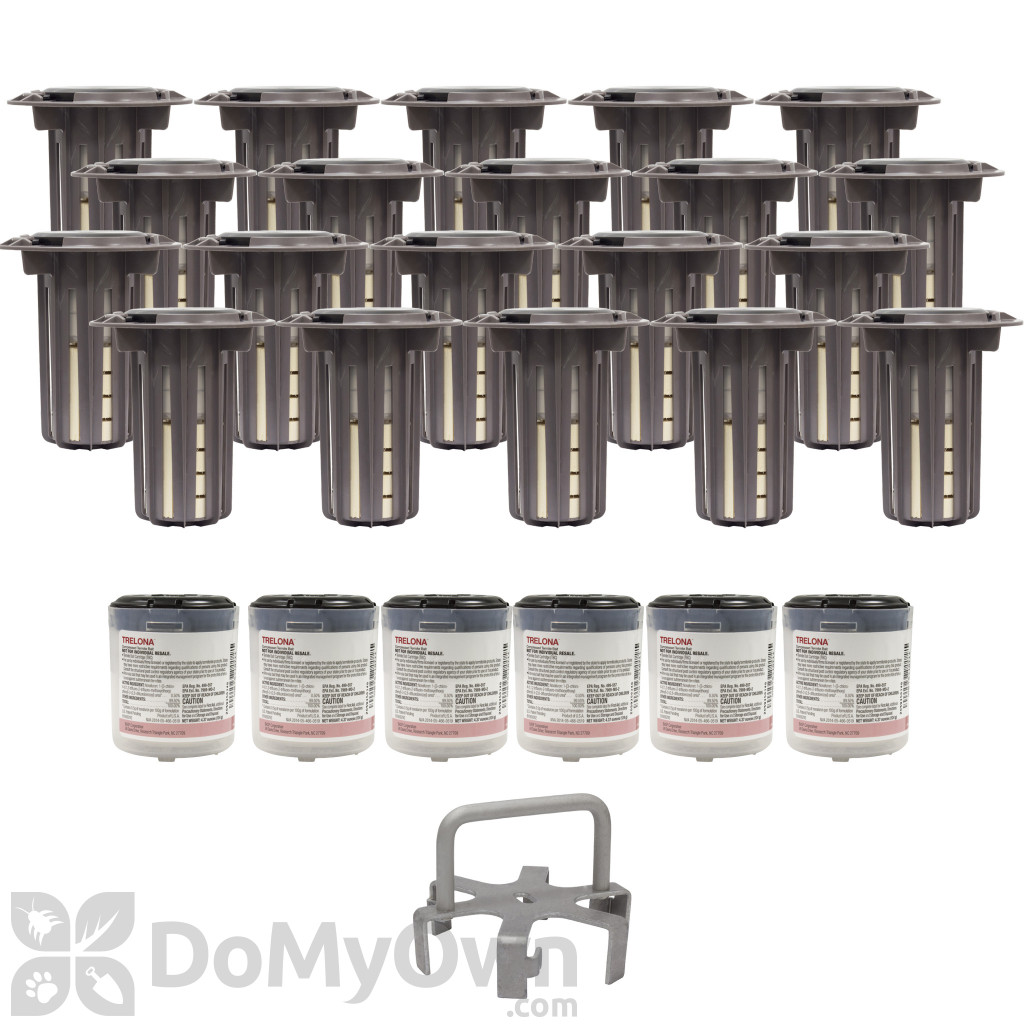
🛒🥇 If You Are Seeing Termite Swarmers, a Termite Baiting System should be used to Eliminate the Colonies. 👇👇 Check Prices on DoMyOwn Now to find Field-Tested Termite Baiting Systems 👇👇👇
When Do Flying Ants Swarm?
Ant swarms are heavily dictated by the weather. In our 40+ years of combined experience, our service phones always rang off the hook on warm, highly humid days immediately following a heavy spring or early summer rain.
The moisture softens the soil and signals to the colony that it is the perfect time for new queens to burrow into the earth and start new nests.
Are Indoor Flying Ants Dangerous?
Flying ants themselves do not bite aggressively, they do not carry diseases, and they will not ruin your food. Their sole focus during a swarm is reproduction, not foraging.
The real danger is what their presence reveals about your home. If you have flying carpenter ants, it means an active colony is actively chewing through the structural wood of your home to expand their nesting galleries. Over time, this causes severe architectural sagging and thousands of dollars in structural repairs.
How to Get Rid of Flying Ants Fast
To permanently solve an indoor ant swarm, you have to look past the winged insects and target the hidden colony producing them.
Step 1: Vacuum Up the Swarm
Do not waste your time spraying aerosol cans at hundreds of flying ants around a window. It creates a chemical mess and doesn’t solve the core issue. Pull out a vacuum cleaner with a hose attachment, suck up every visible flying ant, and immediately empty the bag or canister into an outdoor trash can.
Step 2: Seal the Structural Entry Points
Inspect the areas where the swarmers gathered. Seal up cracks along baseboards, use premium silicone caulk around interior and exterior window frames, replace torn screens, and add weather stripping to leaky doors.
Step 3: Eliminate Hidden Moisture Voids
Ants cannot survive without a reliable water source. Fix leaky pipes under sinks, repair roof leaks, clear out clogged gutters that back up water into your fascia boards, and ensure your crawl space has a proper vapor barrier.
Step 4: Knock Out the Hidden Colony With Pro-Grade Tools
If the swarmers are originating deep inside your wall voids or coming up through concrete expansion joints, standard retail sprays will not reach them.
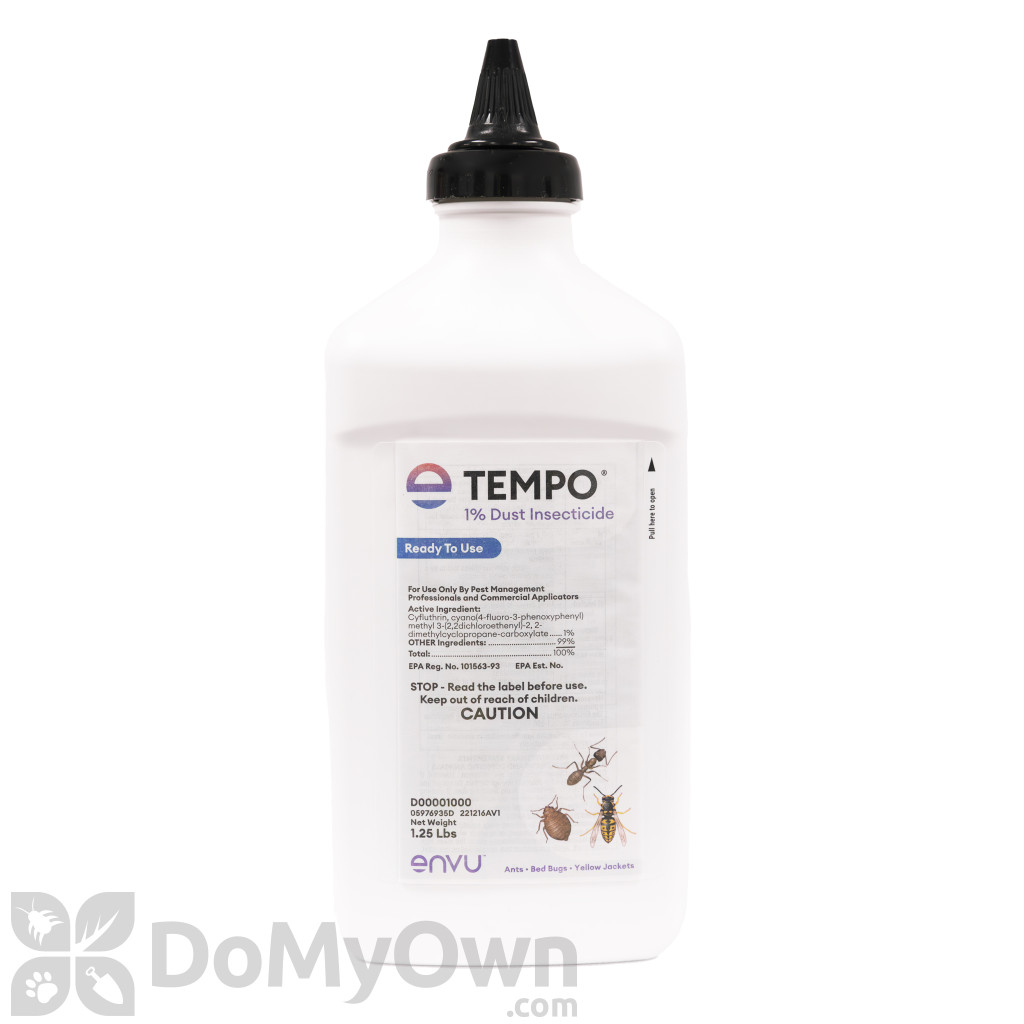
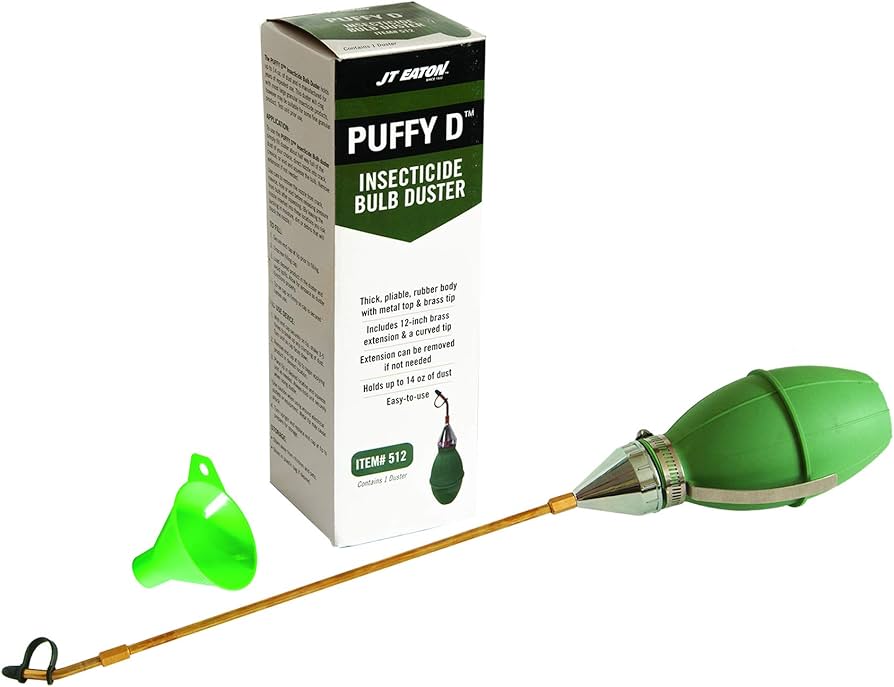
🛒🥇 PRO PLAYBOOK TIP: To wipe out an active colony hidden inside a wall void without tearing out drywall, professionals rely on specialized commercial dusts. Using a hand duster to inject Tempo Insecticide Dust directly into the electrical outlets, pipe penetrations, or baseboard gaps creates a long-lasting lethal barrier that workers carry straight back to the queen for complete colony elimination. Check prices below 👇👇👇 to buy the exact products we use in the field to treats Ants in the Wall 👇👇👇
The Professional Playbook Verdict
Whenever a homeowner calls us about flying ants, we tell them the exact same thing: the wings are just a symptom of a much larger engine.
Spraying a can of retail bug spray on a few winged ants on your windowsill is like putting a band-aid on a broken pipe. To stop the swarms permanently, you must track the trail back to the hidden nest, eliminate the moisture source drawing them in, and apply a non-repellent bait or commercial dust that destroys the queen.
Take care of the nest, and the flying ants will vanish for good.