
Last Updated on June 17, 2026 by Tim L. | Founder of Pest Control Playbook
A Pest Control Professional With More Than 30 Years of Experience Explains Why Flying Ants Appear Indoors and Whether You Should Be Concerned
Few things alarm homeowners faster than suddenly finding ants inside the house. Worse yet, flying ants!
One day everything seems normal. The next, dozens of winged insects appear around windows, doors, or light fixtures.
After more than 30 years in the pest control industry, I can tell you that flying ants are one of the most misunderstood household pests. Many homeowners immediately assume they have termites, while others worry that their home is being severely damaged.
The good news is that flying ants are not necessarily a sign of a major problem. However, they can indicate that a mature ant colony is nearby and should not be ignored.
Understanding why flying ants appear in your house is the first step toward identifying the source and deciding whether treatment is necessary.
What are Flying Ants?
Flying ants are not a separate species of ant.
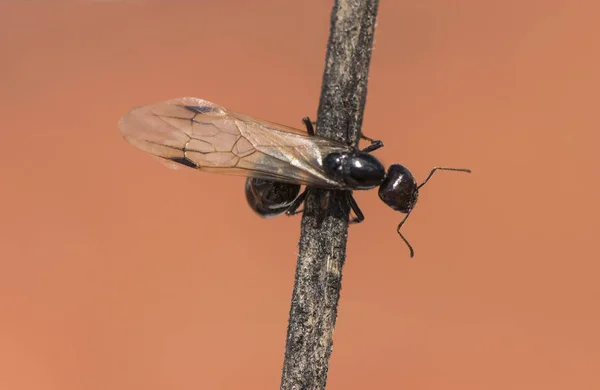
They are reproductive members of an ant colony, often called swarmers or alates.
Their purpose is simple:
- Leave the colony
- Mate with other flying ants
- Establish new colonies
In healthy ant colonies, worker ants handle food gathering and nest maintenance, while flying ants are responsible for reproduction.
When conditions are right, large numbers of winged ants emerge simultaneously in what is known as a swarm.
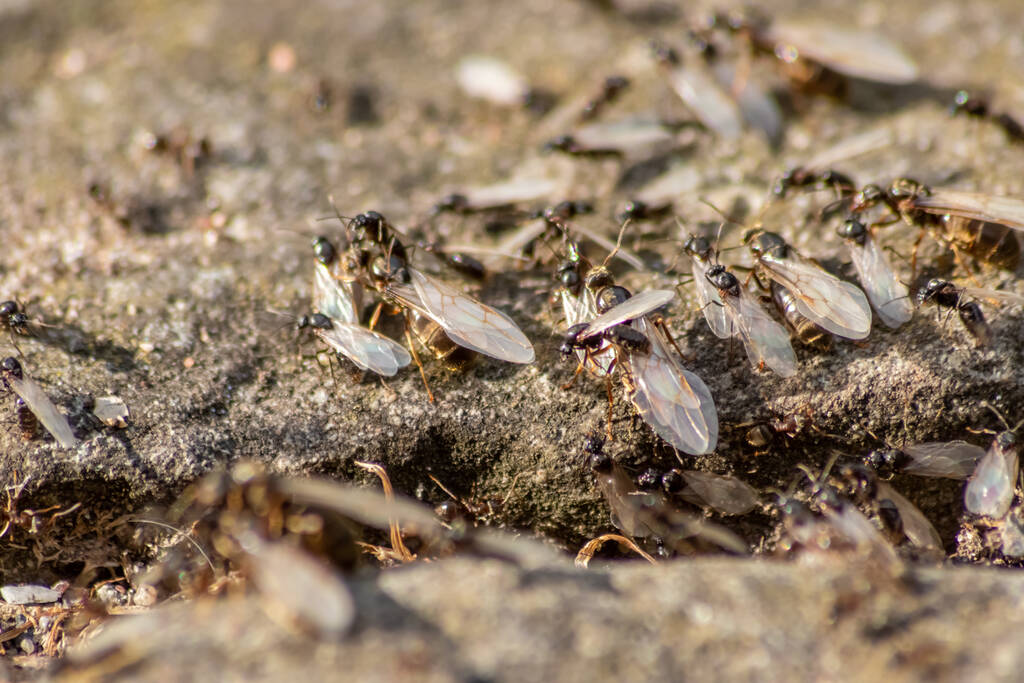
Why Do I Have Flying Ants in My House?
There are several possible reasons you may suddenly see flying ants indoors.
A Mature Colony Is Nearby
The most common reason is that an established ant colony exists near your home.
This colony may be:
- Under a sidewalk
- Beneath landscaping
- Inside a wall void
- Under a concrete slab
- Near the foundation
Once the colony reaches a certain size, it begins producing winged reproductive ants.
Flying Ants Entered From Outside
Sometimes flying ants are attracted to lights and accidentally enter through:
- Open doors
- Windows
- Damaged screens
- Gaps around utility lines
In these situations, the colony may not actually be inside the home.
A Colony May Be Nesting Indoors
In some cases, flying ants inside the house indicate an indoor nesting site.
This is especially common with carpenter ants.
Over the years, I have inspected homes where homeowners discovered flying ants only to learn that a carpenter ant colony was established inside a wall, attic, crawl space, or moisture-damaged area.
Are Flying Ants a Sign of an Infestation?
Not always.
Finding one or two flying ants does not necessarily mean you have an active infestation.
However, seeing:
- Large numbers of flying ants
- Repeated swarms
- Flying ants appearing year after year
may indicate a nearby colony that requires attention.
Flying Ants vs Termites
One of the biggest concerns homeowners have is determining whether the insects are flying ants or termites.
Although they may look similar at first glance, there are important differences.
Flying Ants Have:
- Bent or elbowed antennae
- Pinched waists
- Larger front wings than rear wings
- Distinct body segments
Flying Termites Have:
- Straight antennae
- Thick waists
- Four wings of equal length
- More uniform body shape
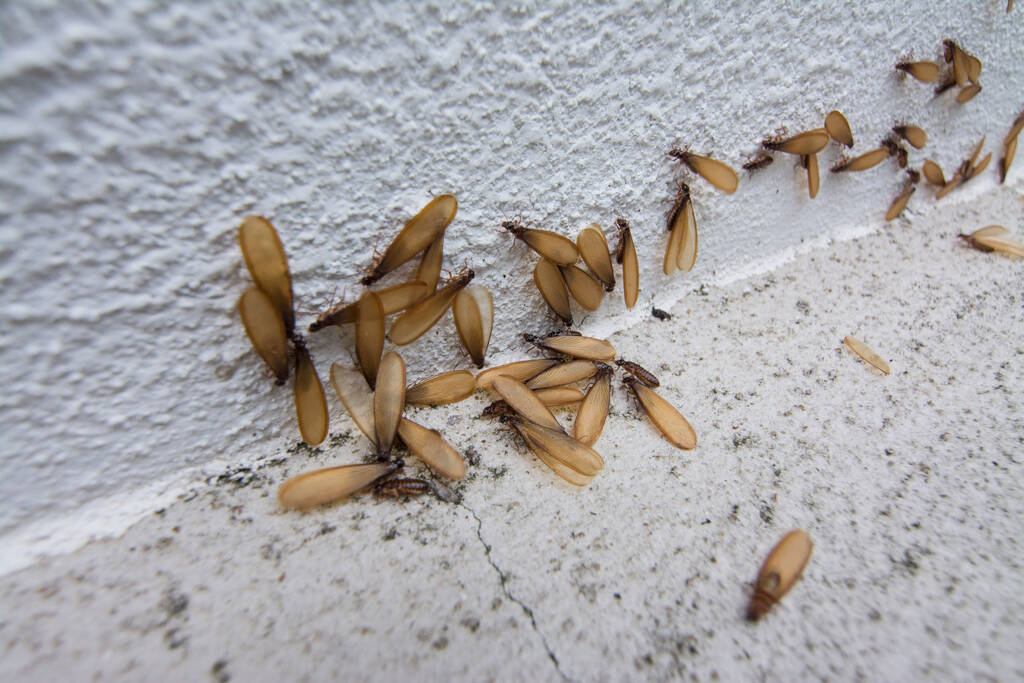
Correct identification is important because carpenter ant and termite treatments differ significantly.
👉👉 Carpenter Ants vs Termites. How to Spot The Difference. Read Here
When Do Flying Ants Usually Appear?
Flying ant activity is often seasonal.
Most swarms occur during:
- Spring
- Early summer
- Warm, humid conditions
- Periods following rainfall
Weather conditions play a major role in triggering swarming events.
After decades in pest control, I can tell you that warm days following rain often produce some of the heaviest flying ant activity of the year.
Are Flying Ants Dangerous?
Flying ants are generally not dangerous.
Most species:
- Do not spread disease
- Do not damage structures directly
- Do not bite aggressively
The primary concern is what they may indicate about nearby colony activity.
For example, flying carpenter ants could signal a colony nesting within moisture-damaged wood.
Signs a Carpenter Ant Colony May Be Present
Because carpenter ants commonly produce flying reproductives, homeowners should watch for additional warning signs.
These include:
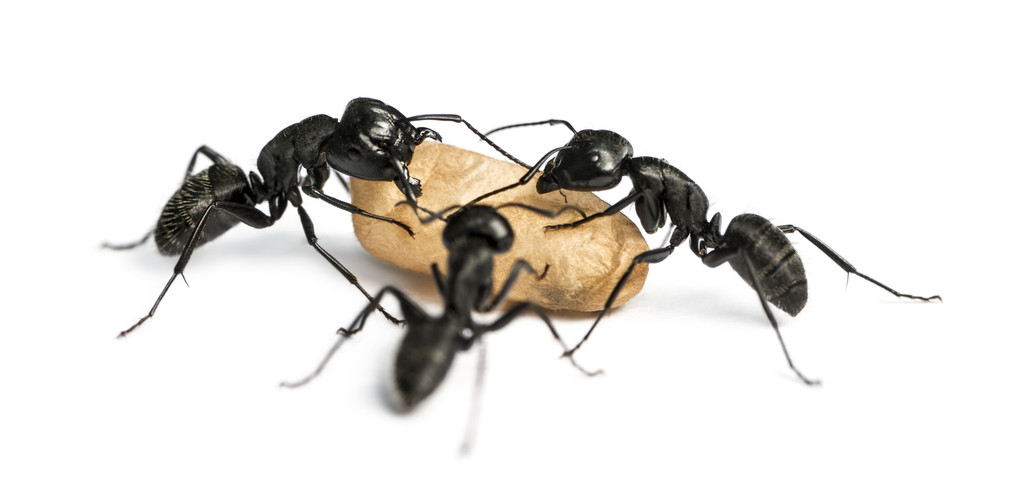
- Large black ants inside the home
- Sawdust-like debris (frass)
- Rustling sounds inside walls
- Ant activity near moisture-damaged wood
- Repeated sightings of winged ants
If multiple signs are present, a closer inspection is often warranted.
How to Get Rid of Flying Ants in Your House
The best approach depends on the source of the problem.
Remove Visible Flying Ants
Vacuuming is often the quickest way to remove large numbers of flying ants indoors.
Locate Entry Points
Inspect:
- Windows
- Doors
- Utility penetrations
- Foundation cracks
- Damaged screens
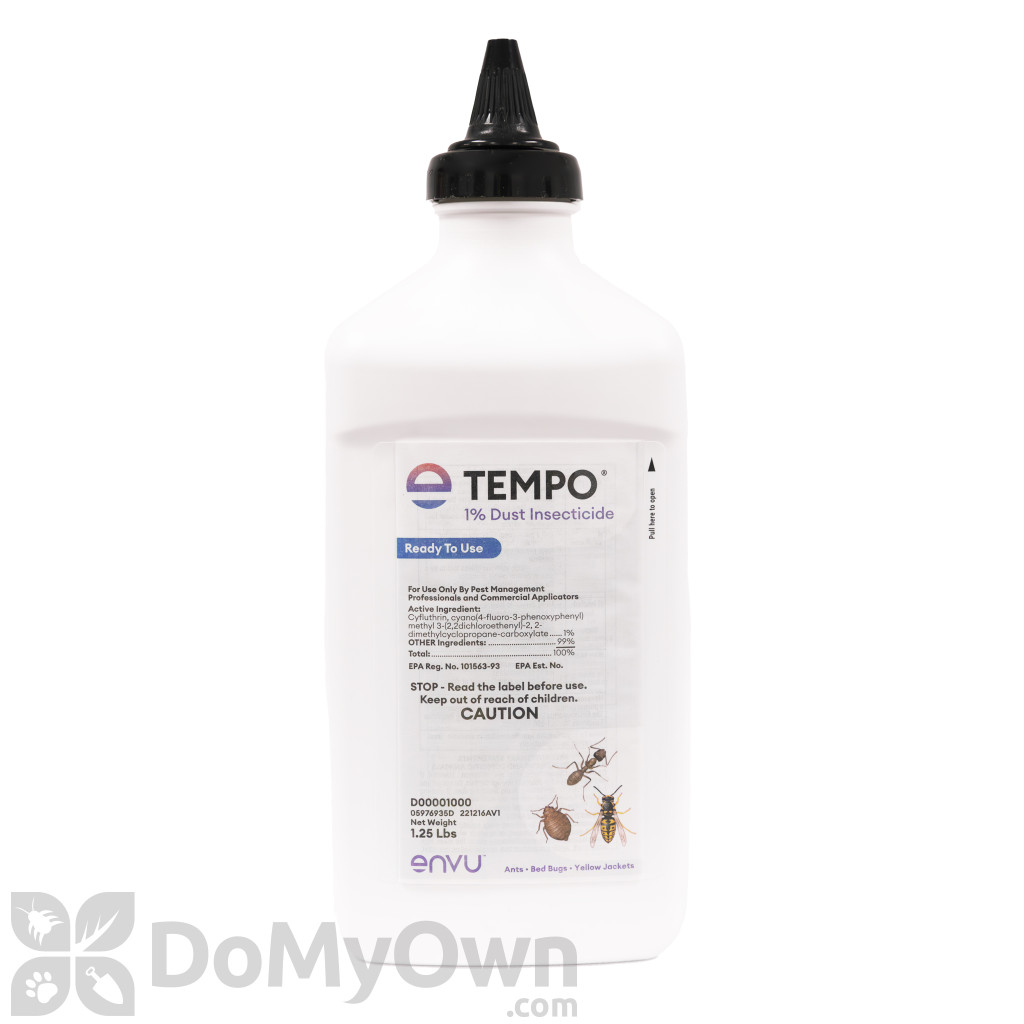
🛒👉 PRO TIP! If You Find the Entry Point, Use This Product to Knock Them Down Fast
Address Moisture Issues
Many ant species are attracted to moisture.
Repair:
- Plumbing leaks
- Roof leaks
- Damp crawl spaces
- Water-damaged wood
Target the Colony
If a colony is established nearby, ant baiting programs are often more effective than simply spraying visible ants.
Eliminating the colony is usually the key to long-term control.
💡💡 How To Get Rid of Ants in My House Step by Step. Read This Guide
Professional Insight From More Than 30 Years in Pest Control
Throughout my career, I have found that homeowners often focus on the flying ants themselves rather than the colony producing them.
The flying ants are usually just a symptom.
The real question is:
“Where is the colony located?”
Once the colony is identified and treated properly, flying ant activity usually declines dramatically.
This is why a thorough inspection is often more valuable than repeatedly spraying individual insects.
Final Answer: Why Are There Flying Ants in My House?
Flying ants in your house usually mean that a mature ant colony is nearby.
The colony may be outside the home, close to the foundation, or in some cases nesting within the structure itself.
While flying ants are not always a sign of a serious infestation, repeated sightings or large swarms should be investigated.
Proper identification, moisture control, exclusion measures, and colony elimination are the most effective long-term solutions.
Understanding what flying ants mean can help homeowners take action before a small problem becomes a larger infestation.
About The Author
As the founder of Pest Control Playbook, I have more than 30 years of hands-on experience in the pest control industry. Drawing from real-world field work in residential and commercial settings, the goal of this site is to provide homeowners with practical, straightforward pest control advice that actually works.