
Last Updated on July 24, 2026 by Tim L. | Founder of Pest Control Playbook
How to Get Rid of an Ant infestation in the House: Field Tested by Pest Professional of 30 Years
Finding ants in your house can be frustrating. One day you spot a few ants in the kitchen, and the next day there seems to be an entire trail marching across your countertop.
The good news is that getting rid of ants in the House isn’t complicated once you understand why they’re there and how they operate.
I will explain in this guide how to get rid of ants in your house, stop them from coming back, and avoid common mistakes that can make an ant problem worse. My 30 years working in the pest control industry has helped me to understand what works and what does not.
Why Are Ants Coming Into My House?
Ants enter homes for three main reasons:
- Food
- Water
- Shelter
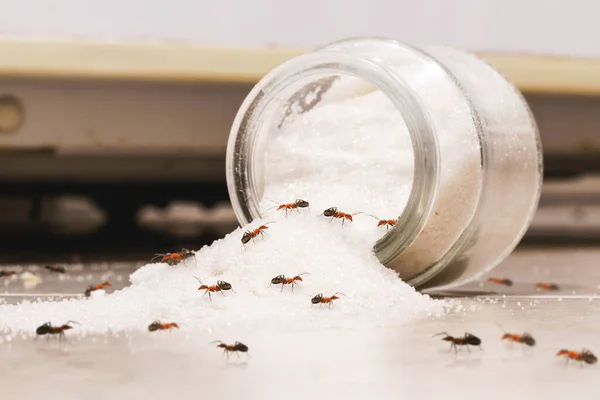
Even tiny crumbs, pet food, sugary spills, or moisture around sinks can attract scouting ants. Once a scout finds a reliable food source, it leaves behind a chemical trail that leads the rest of the colony directly to it.
This is why you may suddenly see dozens or even hundreds of ants in the same location.
Step 1: Identify Where the Ants Are Coming From
Before treating the problem, spend a few minutes observing the ants. As a Pest Professional for Decades, I can honestly say, this is the most important step when it comes to eliminating an ant infestation. Watch where they enter and exit inside the house. It could be a small crack in your grout behind your kitchen sink for example. Also, check outside the home. Look for ants trailing, often times underneath the siding. I have found a great spot to look is where your downspouts are. Sometimes ants build colonies nearby, as they have a prevalent water source, and can enter the structure for food from there.
Look for:
- Trails along walls or baseboards
- Gaps around doors and windows
- Cracks in foundations
- Utility penetrations where pipes enter the home
Finding the entry point helps you target the infestation more effectively.
👉👉 Read This Article if You Have Tiny Ants in Kitchen
One Pattern I’ve seen repeatedly during 30 years in pest control is that homeowners often treat the symptoms rather than the source. They spray the ants they can see, but the colony continues to operate behind walls, under slabs, or outside near the foundation. When I’m troubleshooting a recurring ant problem, I focus on three things: where the ants are entering, what resource the’re targeting (food, water, or shelter), and whether they have multiple colonies. A single trail in the kitchen might actually be connected to a nest outside near landscaping, a downspout, or a utility line. Understanding that connection is often the difference between temporary relief and long term control.
Step 2: Remove Food Sources
One of the fastest ways to reduce ant activity is to eliminate whatever attracted them in the first place.
Be sure to:
- Wipe countertops daily
- Store food in sealed containers
- Clean up sugary spills immediately
- Vacuum crumbs from floors
- Avoid leaving dirty dishes overnight
- Keep pet food areas clean
Even the best ant treatment will struggle if ants continue finding food inside your home.
Step 3: Use Ant Baits Instead of Sprays
Many homeowners reach for an ant spray as soon as they see ants.
Unfortunately, spraying visible ants often creates a bigger problem.
When you spray a trail, you kill only the workers you can see. The colony, queen, and thousands of additional ants remain hidden.
Ant baits work differently.
Worker ants carry the bait back to the colony and share it with other ants, including the queen. This allows the entire colony to be eliminated instead of just the ants that are visible.
For most household ant infestations, baiting is far more effective than spraying.
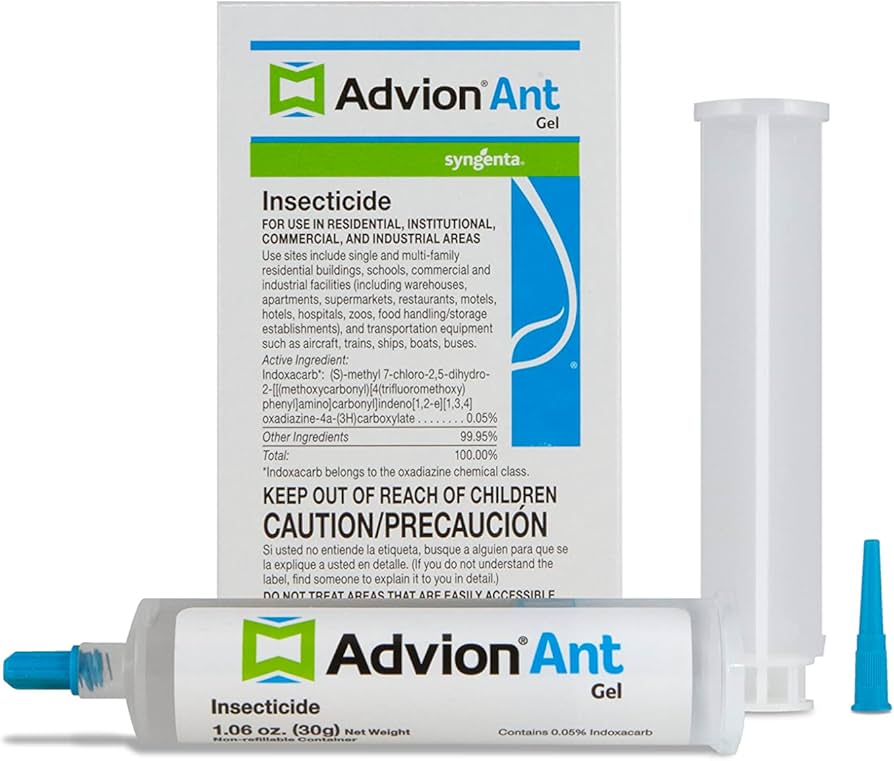
🛒👇🛒👇 This is My Go To in The Field for Best Ant Bait 2026 👇🛒👇🛒
#1 Field Tested Best Ant Gel BaitStep 4: Place Baits in the Right Locations
For best results, place ant baits:
- Along active trails
- Near entry points
- Under sinks
- Behind appliances
- Near garbage cans
- Along baseboards where ants travel
Avoid placing baits in areas where children or pets can access them.
After placing bait, you may notice increased ant activity for several days. This is normal and often indicates that the bait is working.
Step 5: Seal Entry Points
Once the colony has been controlled, focus on preventing future invasions.
Seal:
- Cracks around windows
- Door gaps
- Foundation openings
- Utility penetrations
- Gaps around siding
Silicone caulk is an inexpensive way to block many common entry points.
Step 6: Eliminate Moisture Problems
Many ant species are attracted to moisture.
Check for:
- Leaking pipes
- Dripping faucets
- Standing water
- Poor drainage
- Damp crawl spaces
Fixing moisture issues can make your home significantly less attractive to ants. Ants need water, if they don’t have access to it, odds are they wont be attracted to your home.
Common Mistakes Homeowners Make
Spraying Every Ant They See
This usually kills only a small portion of the colony and can interfere with bait effectiveness.
Moving Baits Too Soon
Ant colonies often require several days or weeks to collapse completely.
Not Cleaning Up Food Sources
Baits compete with other food sources. The cleaner your home is, the better bait products tend to work.
Ignoring Outdoor Colonies
Many ant problems begin outside. Ant nests near foundations, landscaping, or patios often serve as the source of Ants in House.
How Long Does It Take to Get Rid of Ants in House?
Small infestations may be controlled within a few days.
Larger infestations often require one to three weeks for complete elimination.
The exact timeline depends on:
- Ant species
- Colony size
- Number of colonies present
- Treatment method used
Patience is important. Ant baiting is generally slower than spraying but much more effective in the long run.
When to Call a Professional
Consider professional treatment if:
- Ants keep returning despite baiting
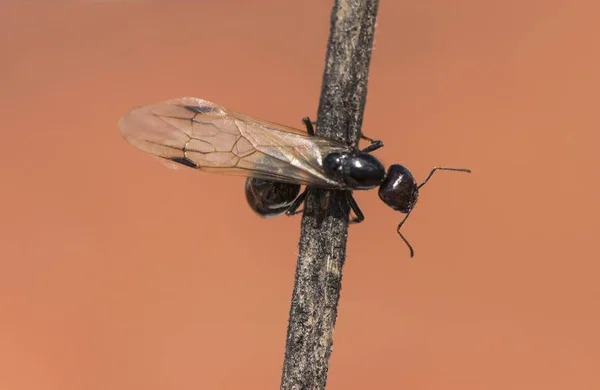
- You suspect carpenter ants
- Multiple areas of the home are affected
- The infestation has lasted several weeks
A professional inspection can identify hidden colonies and species-specific issues that may be difficult for homeowners to detect.
Final Thoughts
If you’re wondering how to get rid of ants in your house, the most effective approach is simple: remove food sources, use quality ant baits, eliminate moisture problems, and seal entry points.
Avoid the temptation to rely solely on sprays. In most cases, baiting the colony is the fastest path to long-term control.
With a little patience and the right strategy, most household ant infestations can be eliminated and prevented from returning.
About The Author
As the founder of Pest Control Playbook, I have more than 30 years of hands-on experience in the pest control industry. Drawing from real-world field work in residential and commercial settings, the goal of this site is to provide homeowners with practical, straightforward pest control advice that actually works.