
Last Updated on June 11, 2026 by Tim L. | Founder of Pest Control Playbook
A Pest Control Professional With More Than 30 Years of Experience Explains the Key Differences Between Carpenter Ants vs Termites
One of the most common questions I hear from homeowners is:
“Do I have carpenter ants or termites?”
It’s an important question because while both pests can damage wood, they behave very differently and require different treatment approaches.
After more than 30 years in the pest control industry, I’ve inspected countless homes where homeowners were convinced they had termites when they actually had carpenter ants—and vice versa.
Knowing how to identify carpenter ants vs termites can help you understand the severity of the problem and determine the best course of action.
Are Carpenter Ants and Termites the Same Thing?
No.
Although carpenter ants and termites are both associated with wood damage, they are completely different insects.
Carpenter Ants
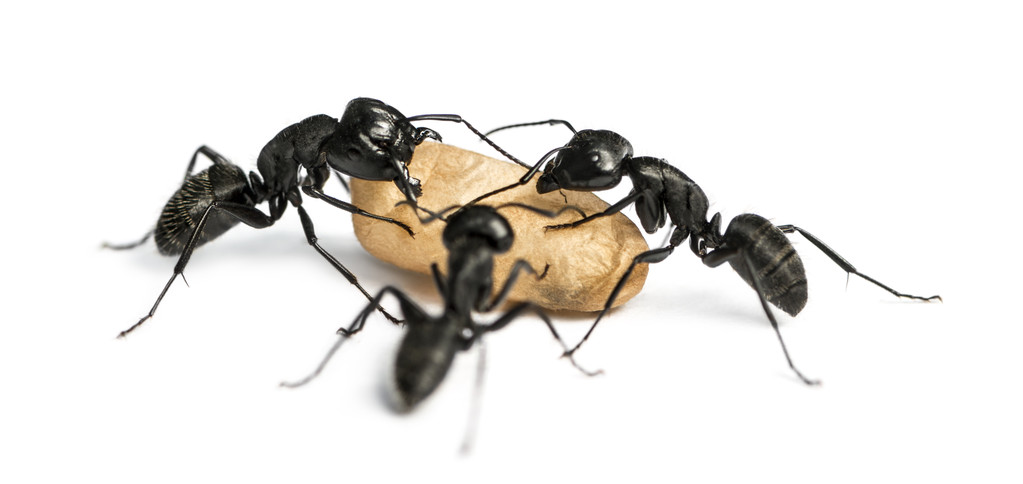
Carpenter ants are true ants.
They excavate wood to create galleries and nesting areas but do not eat the wood itself.
Instead, carpenter ants feed on:
- Sugary foods
- Insects
- Honeydew produced by aphids
- Household food sources
Termites
Termites actually consume wood and other cellulose materials.
Their diet consists primarily of:
- Wood
- Paper products
- Cardboard
- Plant material
Because termites eat wood continuously, they can often cause more extensive structural damage if left untreated.
How to Identify Carpenter Ants vs Termites
The easiest way to tell the difference is by examining the insect itself.
Carpenter Ant Characteristics
Carpenter ants have:
- Narrow, pinched waists
- Elbowed antennae
- Larger front wings than rear wings
- Distinct body segments
Carpenter ants are usually black, although some species may appear reddish-black.
They are among the largest ants commonly found around homes.
👉👉 Want to Know How To Get Rid Of Ants In The House? Read This Article
Termite Characteristics
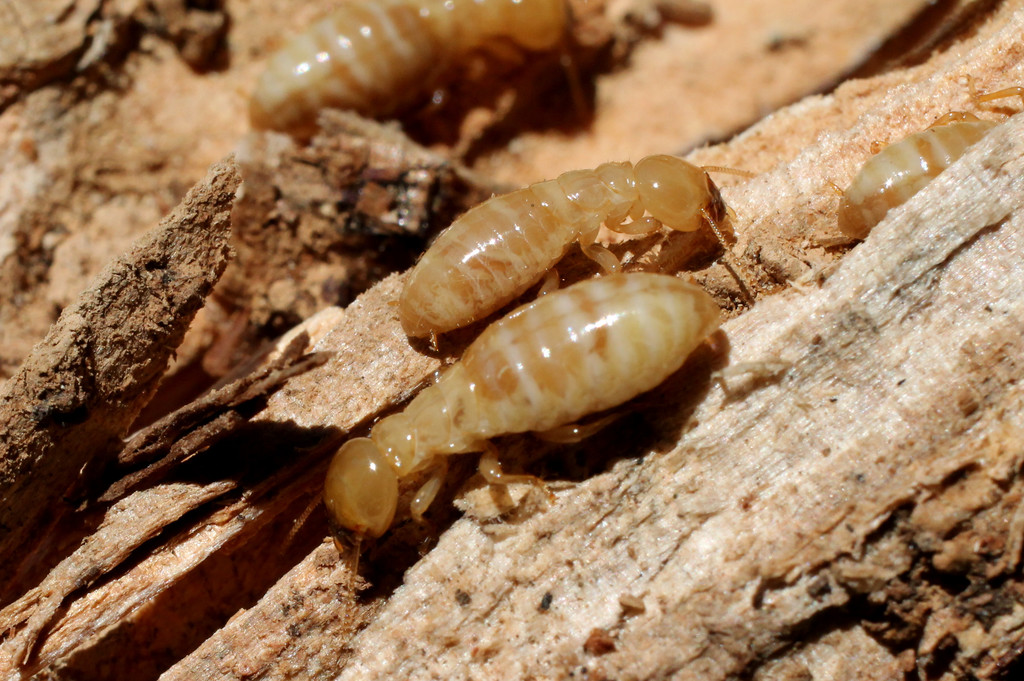
Termites have:
- Thick waists
- Straight antennae
- Four wings of equal length
- More uniform body shape
Most termites are light-colored, cream-colored, or brown.
Worker termites are often difficult to see because they remain hidden inside wood or underground colonies.
Winged Carpenter Ants vs Winged Termites
Homeowners frequently become concerned when they see flying insects around windows or light fixtures, know as “swarmers”
Both carpenter ants and termites produce winged reproductive swarmers.
However, there are important differences.
Flying Carpenter Ants
Flying carpenter ants have:
- Bent antennae
- Narrow waists
- Unequal wing sizes
Flying Termites
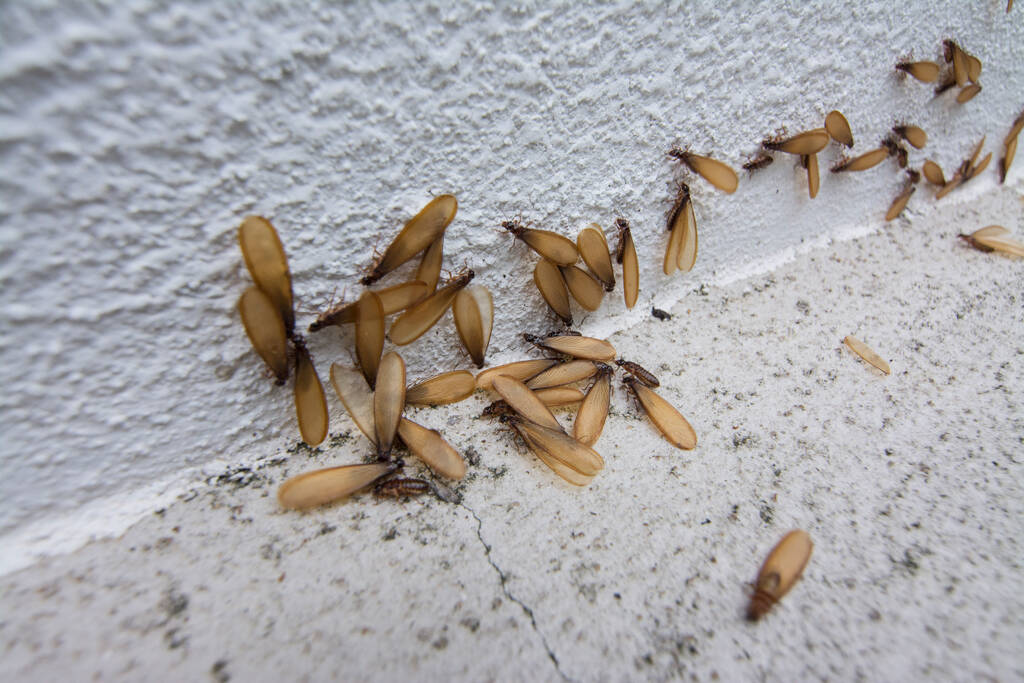
Flying termites have:
- Straight antennae
- Thick waists
- Four wings of equal length
If you look closely, these differences are usually easy to spot.
Signs of a Carpenter Ant Infestation
Over the years, I’ve found that carpenter ant infestations often produce several warning signs.
Common indicators include:
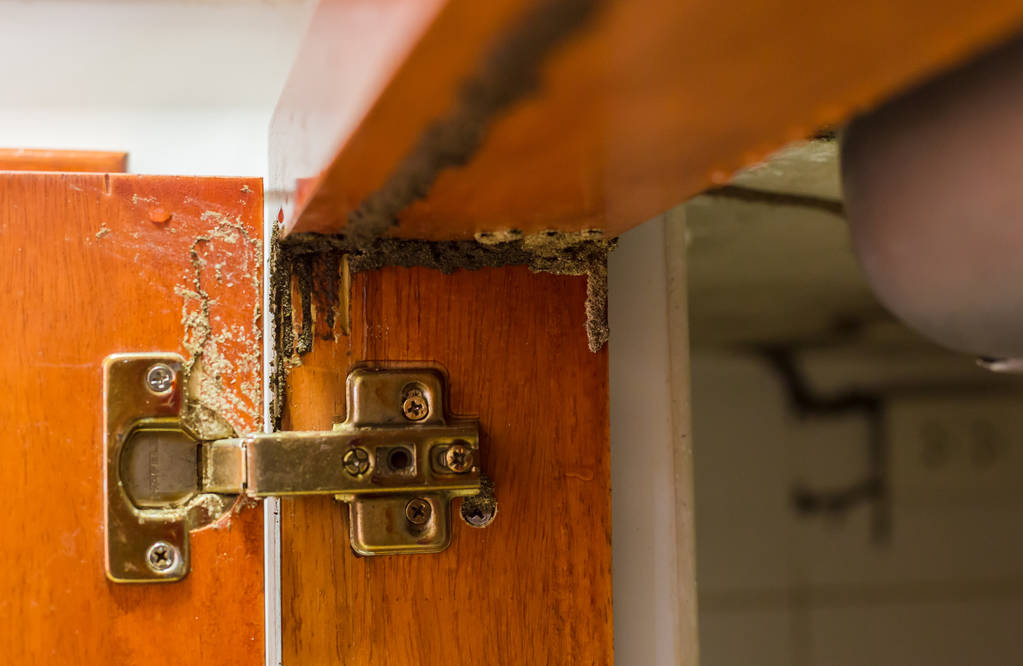
Sawdust-Like Material
Carpenter ants remove wood while building galleries.
This material, called frass, often resembles fine sawdust.
You may find it:
- Beneath windows
- Near wall voids
- Around door frames
- Under damaged wood
Large Ant Activity
Homeowners often notice large black ants traveling through kitchens, bathrooms, or along exterior walls.
Rustling Sounds in Walls
Large colonies sometimes produce faint rustling sounds within wall voids.
Signs of a Termite Infestation
Termites create different evidence.
Mud Tubes
Subterranean termites build mud tubes that allow them to travel between the soil and the structure while maintaining moisture.
These tubes are often found:
- Along foundations
- Inside crawl spaces
- On basement walls
Damaged Wood
Termite damage often follows the grain of the wood.
Affected wood may sound hollow when tapped.
Discarded Wings
After swarming, termites shed their wings.
Large numbers of identical wings near windows or doors may indicate termite activity.
Which Causes More Damage?
This is one of the most common questions homeowners ask.
Carpenter Ant Damage
Carpenter ants excavate wood but do not consume it.
Most carpenter ant damage occurs gradually and is often associated with moisture problems.
While significant damage is possible, it usually develops over a longer period.
Termite Damage
Termites actively consume wood.
A large termite colony can cause substantial structural damage if left untreated.
Because termites often remain hidden, infestations may go unnoticed for years.
Why Carpenter Ants Are Often Associated With Moisture
In my experience, carpenter ants frequently target:
- Water-damaged wood
- Areas around leaking windows
- Roof leaks
- Moist crawl spaces
- Damaged siding
This is one reason moisture control is so important for long-term prevention.
How Professionals Confirm the Difference
After decades of inspecting homes, I’ve learned that visual clues are helpful, but a thorough inspection is often necessary.
Professional inspections typically involve:
- Identifying the insect species
- Locating nests or colonies
- Evaluating structural damage
- Finding moisture issues
- Determining the extent of the infestation
Proper identification is critical because carpenter ant and termite treatments are very different.
How to Prevent Carpenter Ants and Termites
Homeowners can reduce the risk of both pests by:
- Repairing water leaks
- Eliminating moisture problems
- Storing firewood away from the home
- Trimming vegetation away from structures
- Sealing entry points
- Scheduling regular inspections
Preventive maintenance is often far less expensive than repairing structural damage later.
Professional Insight From More Than 30 Years in Pest Control
Throughout my career, I’ve seen many homeowners panic after spotting a large black ant or a winged insect indoors.
The good news is that carpenter ants and termites have distinct characteristics that make identification possible.
The key is not to assume.
Correctly identifying the pest is the first step toward choosing the right treatment and protecting your home from further damage.
Final Answer: Carpenter Ants vs Termites
Carpenter ants and termites may both be associated with wood damage, but they are very different pests.
Carpenter ants excavate wood to build nests but do not eat it.
Termites consume wood and can cause extensive structural damage over time.
The easiest ways to tell the difference are by examining the insect’s waist, antennae, wing structure, and the type of damage present.
When in doubt, a professional inspection can quickly determine whether you’re dealing with carpenter ants vs termites, or another wood-destroying pest.
About The Author
As the founder of Pest Control Playbook, I have more than 30 years of hands-on experience in the pest control industry. Drawing from real-world field work in residential and commercial settings, the goal of this site is to provide homeowners with practical, straightforward pest control advice that actually works.