
Last Updated on September 8, 2026 by Tim L. | Founder of Pest Control Playbook | Reviewed for Scientific Accuracy by our Co-Founder, an Associate Certified Entomologist (ACE)
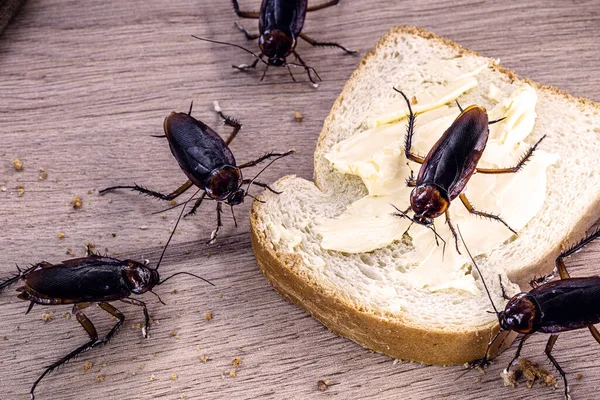
For anyone dealing with a pest issue, few moments trigger immediate panic quite like watching a cockroach crawl across a kitchen counter or living room floor in broad daylight. Cockroaches are universally recognized as nocturnal pests, meaning their entire survival strategy relies on darkness, silence, and concealment.
When that behavioral pattern breaks, it is not an accidental occurrence. In our combined 40+ years of boots-on-the-ground pest management, we have performed thousands of residential inspections. This handbook, reviewed for scientific accuracy by our co-founder—an Associate Certified Entomologist (ACE)—breaks down the exact biological triggers behind daytime roach activity and outlines the precise, non-repellent treatment protocol required to eliminate the hidden population.
The Biological Truth About Daytime Roach Activity
To understand why a roach emerges in daylight, you must first understand their natural behavior. Cockroaches—particularly the highly invasive German cockroach (Blattella germanica)—are biologically hardwired to avoid light. They utilize specialized compound eyes and microscopic sensory hairs called cerci to detect sudden shifts in air currents and ambient light levels, driving them into hiding at the slightest disturbance.
When you start seeing roaches active during the day, it indicates that a severe biological or environmental shift has occurred within the structure.
💡 Professional Affiliate & Editorial Disclosure
Some links on this page are affiliate links, meaning a small commission may be earned on recommended professional-grade products (like pressurized backpack sprayers or commercial baits) at no extra cost to you.
1. Severe Population Overcrowding
This is the single most common cause of daylight sightings. Cockroaches nest in tightly packed aggregations within wall voids, structural cavities, and dark appliance housings. They are driven together by aggregation pheromones found in their feces.
However, a single structural void can only hold a finite number of insects. As the breeding cycle accelerates, the primary nesting sites become physically maxed out. Dominant adult roaches claim the safest, darkest core areas of the harborages. This forces lower-ranking adults, pregnant females, and young nymphs out into secondary areas, forcing them to forage during daylight hours simply because there is no room left in the dark.
👉👉 Does Seeing One Roach Mean an Infestation? Find Out Here
2. Critical Resource Depletion
A nocturnal colony only needs to forage for a few hours each night to secure enough moisture and organic matter to survive. But when a colony swells into the thousands, localized food and water supplies vanish rapidly.
Daytime sightings are frequently driven by sheer desperation. Roaches will risk exposure to ambient light and human activity when their bodies reach a critical threshold of dehydration. If you see a roach traveling toward a sink, dishwasher, or pet water bowl at noon, it is actively risking its life to find moisture.
3. Recent Structural Disturbances
If you have not historically seen daytime activity but suddenly observe insects scattering through a room in the afternoon, look at recent environmental changes. Structural disruptions that drive roaches into daylight include:
- Deep cleaning or moving large kitchen appliances like refrigerators and stoves.
- Plumbing repairs that alter moisture levels within walls or under sinks.
- The application of over-the-counter chemical sprays.
The Danger of the “Tip of the Iceberg” Ratio
A frequent question DIY homeowners ask us is: “Does seeing one roach during the day mean I have an infestation?”
From a professional entomological perspective, the answer is almost always yes. Because of their reclusive nature, seeing a single insect out in the open during peak daylight hours implies a massive, established population hidden nearby.
While it is impossible to give an exact statistical count without a physical inspection, field data shows that for every single cockroach you see foraging in daylight, there are easily tens, hundreds, or even thousands more nesting silently inside the adjacent walls, flooring systems, and cabinet bases. This is a late-stage warning sign that the infestation has outgrown its hidden boundaries.
Why Standard Retail Sprays Make the Problem Worse
When homeowners panic after a daytime sighting, their immediate reaction is to buy a commercial aerosol spray or a liquid jug line from a local home improvement center. This is the costliest mistake you can make.
Most retail bug sprays utilize synthetic pyrethroids. These chemicals act as powerful spatial repellents. While they will instantly kill the few roaches you spray directly, the chemical residue left behind on the surface acts as an alarm system for the rest of the hidden colony.
The roaches nesting deep inside the walls detect the repellent barrier and intentionally avoid it. Instead of coming out to forage normally at night, they scatter deeper into the structure. They will travel laterally through wall voids, emerging in bedrooms, linen closets, and adjacent rooms that were previously uninfested. Retail sprays do not eliminate the colony; they simply fracture and spread it.
The Professional Eradication Protocol for Heavy Infestations
Eliminating an advanced infestation characterized by daytime activity requires a systematic, non-repellent approach. You must use products that the insects cannot detect, allowing them to walk through and consume the active ingredients without realizing they are entering a lethal zone.
Step 1: Deploy High-Palatability Gel Baits
Because daytime roaches are starving and competing heavily for resources, they are highly susceptible to professional gel baits. Gel baits combine a powerful food matrix with a slow-acting insecticide.
Apply the bait in small, matchhead-sized dots inside cabinet corners, along drawer tracks, and directly behind appliance frames. Foraging roaches consume the bait and return to the hidden harborages. Because cockroaches are cannibalistic and engage in coprophagy (eating feces), the active ingredient transfers from the foraging roach to the nesting nymphs and breeding females inside the walls, creating a cascading kill effect throughout the colony.
🛒🥇 This is always my first choice roach gel bait to use in the field for severe infestations. It has a rapid knockdown 👇👇 and kills roaches fast. 👇👇 Check Prices on DoMyOwn Now 👇👇

Professional Gel Bait Categories to Consider:
- Indoxacarb-Based Baits: Exceptional for high-density populations due to a unique metabolic activation process that spreads quickly through secondary transfer.
- Abamectin-Based Baits with IGRs: Excellent dual-action formulas that simultaneously kill adults and disrupt nymph development in high-competition zones.
- Fipronil-Based Baits: Known for incredibly fast knockdown times, making them highly effective when daytime sightings indicate a population peak.
Step 2: Utilize Dry Inorganic Dusts for Void Treatment
To hit the core of the breeding population, you must deliver treatment directly into the hollow spaces behind your drywall. Liquid sprays cannot reach these zones evenly, but dry inorganic dusts can.
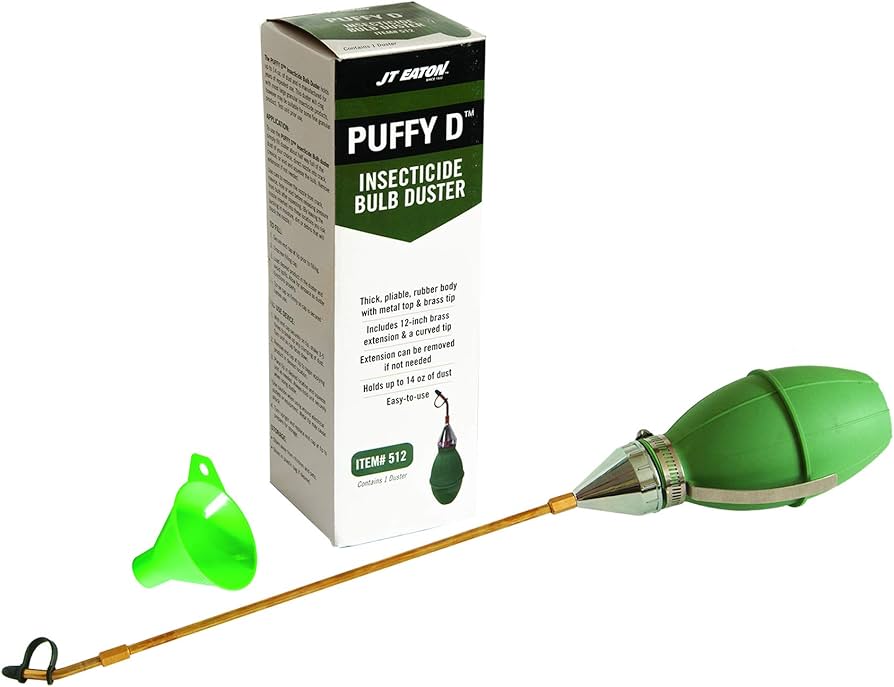
Using a professional bellows hand duster equipped with a non-conductive plastic tip, inject fine clouds of dust behind electrical outlet faceplates, light switches, and plumbing escutcheon plates under sinks. The dust floats through the stud bays, coating the structural framing where roaches crowd together.
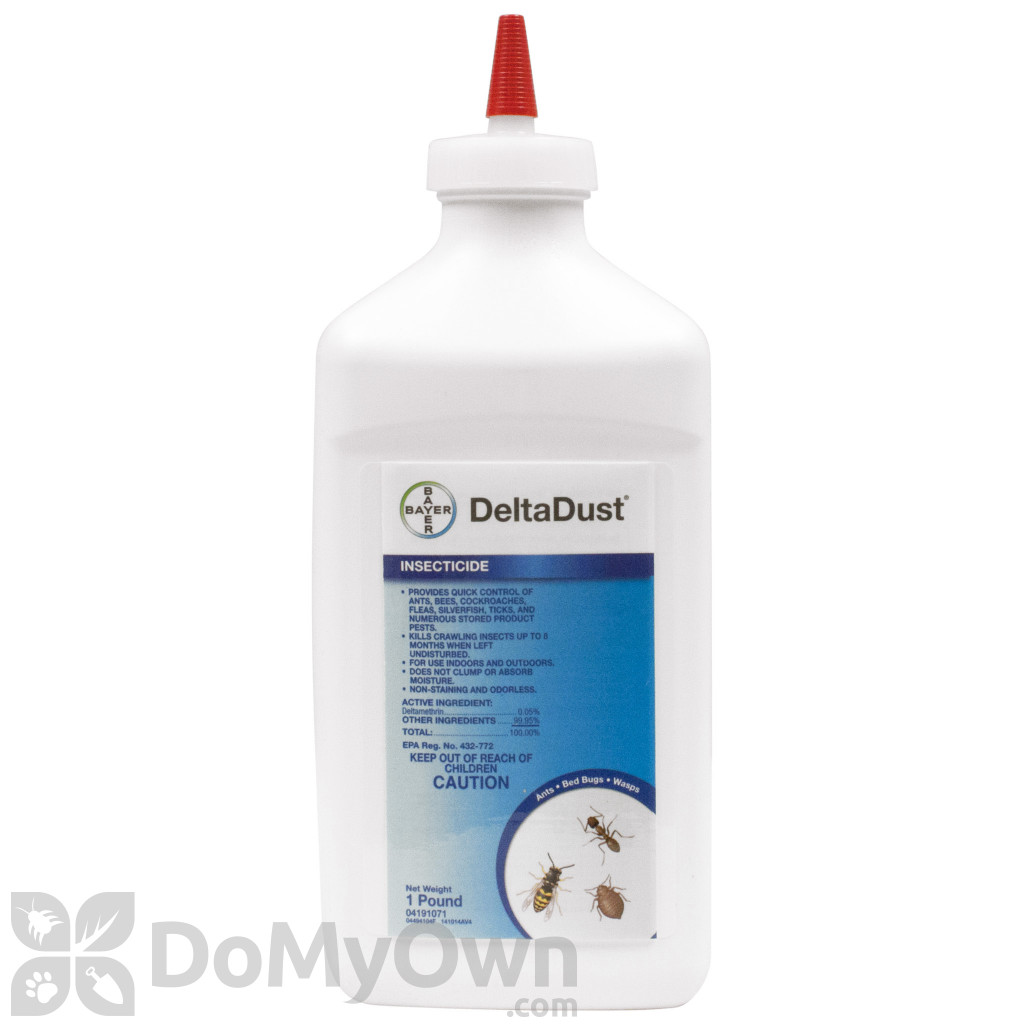
🛒🥇Use This Field Tested Dust Pictured Below to Knock Out Roaches fast in cracks and crevices, and wall voids where Roaches Hide. 👇👇 Check availability on DoMyOwn Now 👇👇
🛒🥇 And This 👇👇 applicator bulb is a must for 👇👇 proper dispersion deep in wall voids
Professional Insecticide Dust Categories to Consider:
- Superfine Boric Acid Powders: Act as a permanent stomach poison that clings to the insect’s legs via electrostatic charge and is ingested during routine grooming.
- Moisture-Resistant Synthetic Dusts: Formulated to withstand high-humidity environments like bathroom walls and plumbing chases without clumping or degrading.
- Silica-Based Desiccant Dusts: Physically absorb the protective waxy layer from the roach’s exoskeleton, causing rapid and permanent dehydration.
| Method | Material Type | Target Placement | Core Benefit |
|---|---|---|---|
| Baiting | Professional Gel Matrix | Cabinet hinges, appliance tracks, utility cutouts | Exploits competitive foraging behavior to kill the nesting colony via transfer. |
| Dusting | Inorganic Dry Powder | Wall voids, outlet gaps, plumbing chases | Reaches the hidden structural core; provides long-term residual control inside walls. |
Step 3: Implement Insect Growth Regulators (IGRs)
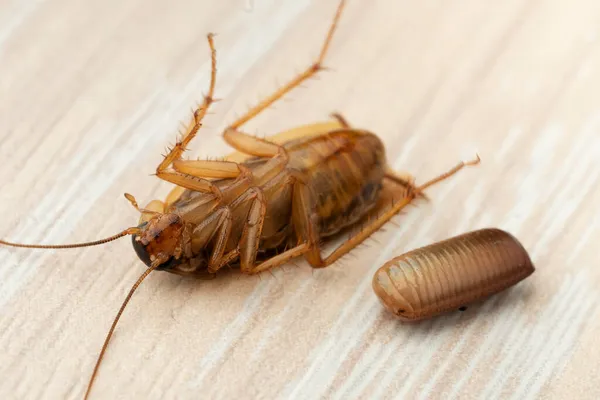
In heavy infestations where roaches are forced out during the day, reproducing females are generating egg capsules (oothecae) at an accelerated rate. You must stop this reproductive cycle to achieve permanent control.
Incorporate a high-grade Insect Growth Regulator (IGR) alongside your baiting program. IGRs mimic juvenile hormones in insects, effectively sterilizing adult roaches and preventing nymphs from successfully molting into reproductive adults. This halts population growth, allowing your baits and dusts to systematically wipe out the remaining insects without facing a wave of new births.
About The Authors
This guide was developed by a team of pest control professionals with over 40 years of combined, boots-on-the-ground field experience in both residential and commercial structures. To provide the highest standard of accuracy for DIY homeowners, all technical procedures, chemical selections, and behavioral breakdowns are reviewed and validated by our co-founder, an Associate Certified Entomologist (ACE) certified by the Entomological Society of America. Our mission is to deliver practical, field-tested advice that completely resolves structural pest issues safely and effectively.