
Last Updated on September 4, 2026 by Tim L. | Founder of Pest Control Playbook | Reviewed for Scientific Accuracy by our Co-Founder, an Associate Certified Entomologist (ACE)
📌 The Midnight Surprise: Why Do Cockroaches Love Your Bathroom?
You turn on the bathroom light in the middle of the night, and something scurries across the linoleum or slips into the shower drain. It is a nauseating feeling, but it is incredibly common. Seeing a roach in your bathroom is a structural red flag—and it almost always points to hidden excess moisture, organic micro-debris, or underlying pipe penetrations.
When homeowners ask us how to handle bathroom infestations, they often assume a quick spray from a retail aerosol can will fix it. In reality, bathrooms create an ideal survival ecosystem. If you are spotting insects here, it isn’t a random event. It is a clear signal that the room is fulfilling their core biological needs.
With over 40 years of combined professional field experience eradicating structural pests, alongside our credentials as an Associate Certified Entomologist (ACE), we have diagnosed thousands of bathroom infestations.
The secret to a fast cleanout is knowing which species is inside your walls and cutting off their hidden lifelines. Here is the breakdown of why roaches choose your bathroom, how to spot the difference between the main culprits, and the step-by-step professional blueprint to eliminate them for good.
💡 Affiliate Disclosure: This playbook contains expert recommendations for field-tested pest control products. If you purchase through our links, we may earn a small commission at no extra cost to you. We only recommend professional-grade tools that we trust in the field.
🔍 The 3 Main Reasons Cockroaches Infiltrate Bathrooms
Cockroaches are resilient, but they are bound by strict biological requirements. Your bathroom provides three critical resources that turn it into a high-priority harbor zone.
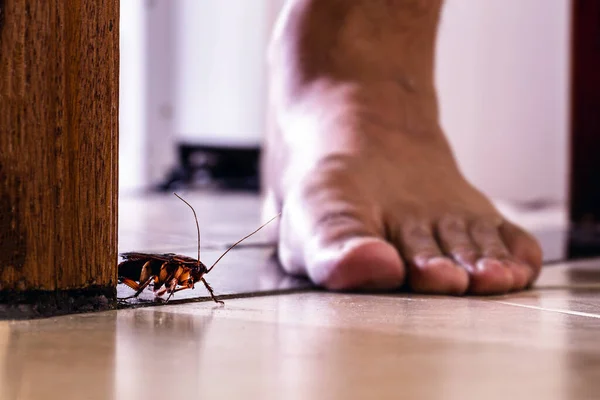
1. High Humidity and Constant Standing Moisture
While a cockroach can survive for up to a month without food, certain species can only survive a single week without a direct water source.
- The Draw: Bathrooms are full of moisture lifelines: condensation building on cool metal water pipes, leaky plumbing traps inside dark vanities, wet bath mats, and the standing puddles left behind after a hot shower.
- The Impact: Even a microscopic plumbing drip beneath a bathroom cabinet can comfortably sustain an entire breeding colony for months without them ever needing to venture into your kitchen.
2. Undisturbed, Dark Harborage Zones
Bathrooms are full of hollow voids and structural gaps that human hands never disturb.
- The Gaps: Think about the uncaulked expansion joints behind your toilet, the hollow space under a built-in bathtub, the dark interior of a vanity cabinet, or the wide gaps in sheetrock where hot and cold plumbing lines feed into the wall.
- The Security: These dark, humid micro-climates give roaches complete protection from predators and daytime household activity.
3. Abundant Organic Waste (Alternative Food Sources)
Homeowners frequently tell us, “My bathroom is spotless, there is no food in there!” But a cockroach’s definition of food is radically different from yours.
- The Diet: Roaches are opportunistic detritivores. In a bathroom, they actively consume organic debris such as shed human hair, accumulated soap scum films, toothpaste splatter, sloughed-off skin cells, and paper waste inside trash cans.
🪳 Species Identification: Which Roach is in Your Bathroom?
Before you apply a single drop of product, you must identify your target. Treating the wrong species wastes time and money. In our field operations, we divide bathroom roaches into two distinct categories:
| Roach Type | Visual Appearance | Primary Source & Behavior | Treatment Focus |
|---|---|---|---|
| German Cockroach | Small (1/2 inch), light brown with two dark vertical stripes behind the head. | Indoor Infestation: They travel along wall voids from the kitchen. They breed fast and indicate a severe structural issue. | Heavy focus on precision gel baits, sanitation, and Insect Growth Regulators (IGRs). |
| American Roach | Large (1.5 to 2 inches), reddish-brown, capable of short flights. | Sewer/Outdoor Invader: They live in main sewer systems and crawl up through dry floor drains or open pipe gaps. | Focus on mechanical exclusion, sealing plumbing pipe entries, and drain flushes. |
| Oriental Roach | Medium-large (1 inch), dark shiny black, stocky, cannot fly. | Moisture Dependent: Known as “waterbugs.” They thrive in damp crawlspaces, basement sumps, and perimeter mulch beds. | Focus on exterior perimeter granular baits and heavy interior moisture elimination. |
🛠️ How to Get Rid of Bathroom Roaches Fast (The Professional Blueprint)
To shut down a bathroom infestation permanently, you must combine structural exclusion with advanced biochemical tools. Follow this 4-step cleanout process.
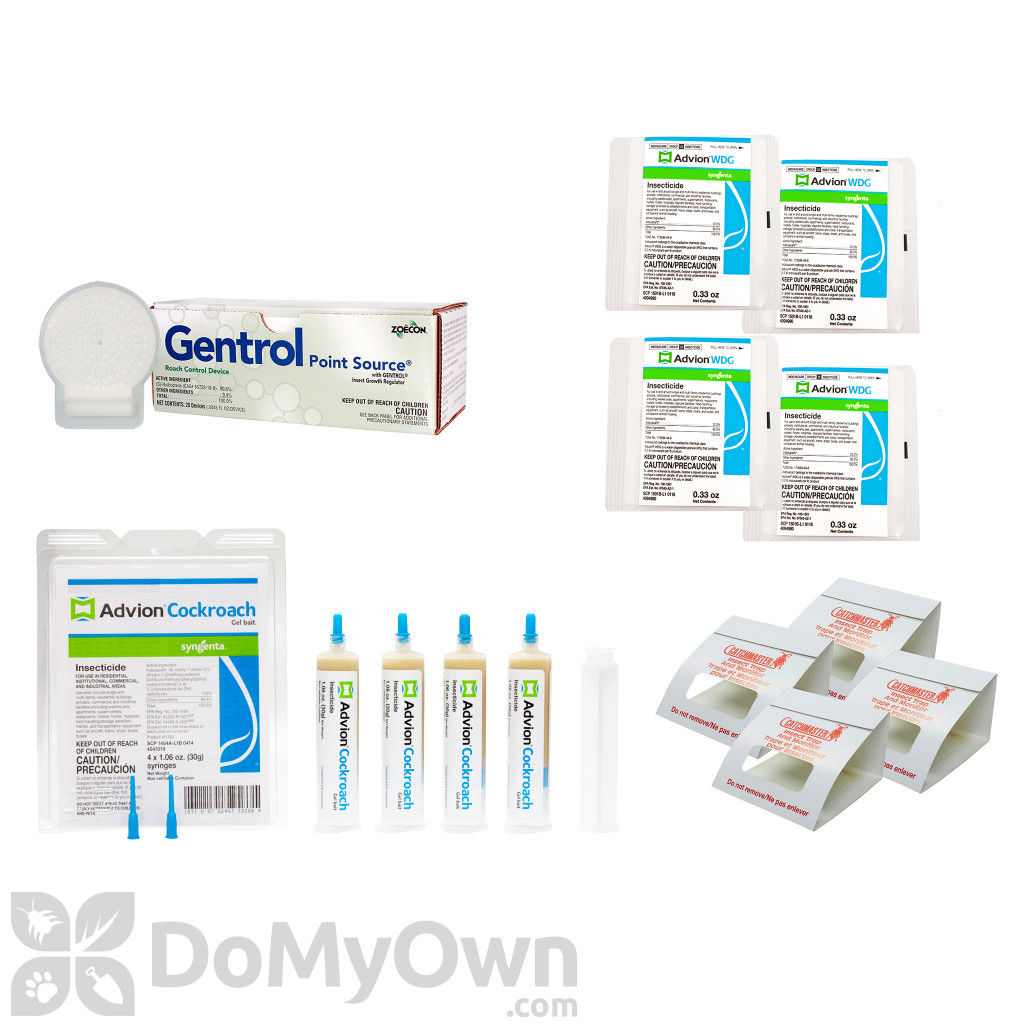
🛒🥇💰 This is the Exact Professional Roach Kit We Use Most in the Field 👇👇 Click the Photo Below to Check Prices on DoMyOwn 👇👇👇
Step 1: Execute Complete Mechanical Exclusion
If roaches can’t get into the bathroom, they can’t colonize it. Grab a flashlight and inspect the dark zones under your sink cabinet and behind the toilet tank.
- Seal the Plumbing Lines: Use professional-grade expandable foam or silicone caulk to completely seal the raw openings in the drywall where plumbing supply lines and drain pipes enter the wall voids.
- Escutcheon Plates: Slide the chrome escutcheon rings tightly against the wall and caulk them into place to lock down the primary highway roaches use to travel between rooms.
Step 2: Lockdown Moisture and Food Source Sanitation
Force the roaches out of their comfort zone by turning your bathroom into an arid desert.
- Dry Your Fixtures: Before going to bed, use a towel to quickly wipe down sinks, showers, and tub basins so there is no standing water overnight.
- Deep-Clean Organic Debris: Clean out bathroom vanity drawers, scrub away soap scum films, vacuum up hair accumulation from behind the toilet base, and ensure bathroom trash cans are emptied nightly.
Step 3: Place Precision Gel Bait Placements
Never use cheap retail aerosol sprays in your bathroom cabinets. Repellent sprays will only scatter the insects, driving them deeper into adjacent bedrooms and living areas.
- Where to Bait: Put tiny, pea-sized drops of professional gel bait directly onto cabinet door hinges, upper corner framing inside the vanity, under the rim of the sink basin counter, and behind the toilet base.
- Why it Works: Foraging roaches eat the bait, carry the active insecticide ingredient back into the hidden wall voids, and eliminate the breeding core through social grooming and ingestion.
👉👉 Can Roaches Smell Cockroach Bait? Read THIS Article Now to Find Out
Step 4: Add an Insect Growth Regulator (IGR)
If you are dealing with German cockroaches, this step is absolutely mandatory.
- The Tool: Place a specialized point-source IGR disc under your bathroom sink or inside the vanity cabinet.
- The Effect: The IGR releases a localized vapor that halts the biological molting process of young roach nymphs, rendering developing adults completely sterile and permanently breaking the reproductive cycle.
👨🔬 Veteran Field Conclusion & Action Checklist
Dealing with roaches in your bathroom is a challenge that requires systematic tactical elimination, not random spraying. By sealing physical entry points, eliminating moisture access, and deploying professional gel baits paired with IGRs, you can completely crash the local colony.
Before closing out your playbook for the day, use this Bathroom Cleanout Checklist to track your progress:
- Drywall Gaps: Caulk every raw edge surrounding plumbing pipe entries beneath the bathroom sink.
- Exhaust Fan: Clean out the bathroom ceiling exhaust fan to ensure humidity is properly venting out of the house.
- Floor Drains: Flush rarely used tub or floor drains with hot water and keep them covered when not in use to block sewer lines.
- Bait Dots: Place tiny, pea-sized dots of bait every 12 inches inside the vanity corners instead of heavy lines.
- Bath Mats: Hang wet fabric bath mats over the tub rim immediately after use to prevent dark, damp environments on the floor.