Last Updated on September 9, 2026 by Tim L. | Founder of Pest Control Playbook | Reviewed for Scientific Accuracy by our Co-Founder, an Associate Certified Entomologist (ACE)
Most homeowners dealing with an active cockroach infestation make the exact same mistake: they run to the store, buy a high-quality tube of professional gel bait, and smear it all over the place like caulk.
Then, they wonder why they are still seeing roaches scurry across the kitchen counter two weeks later.
The hard truth of structural pest control is simple: the best roach bait in the world will completely fail if applied incorrectly.
In our 40+ years of hands-on experience doing heavy cleanouts in residential kitchens and commercial restaurants, we have found that eliminating a colony depends 20% on the product you choose and 80% on how you deploy it.
If you want to stop wasting money and wipe out the nest at its source, here is the exact field playbook for baiting roaches correctly.
💡 1. The Cascading Science: How Bait Destroys a Colony
To use bait effectively, you have to understand the natural behavior of the target pest. Traditional contact sprays only eliminate the foraging roaches you see out in the open. Baits are designed as a slow-acting poison to exploit their nesting habits through a process called horizontal transfer.
- The Initial Feeding: Foraging roaches eat the highly palatable bait matrix and travel back into the dark wall voids, cabinet frames, and appliance motors where they hide.
- Nesting Contamination: The active ingredient acts slowly, allowing the roach to return to the harborage alive. Once there, it spreads the toxin to the rest of the population through grooming and shared contact.
- The Secondary Kill: Cockroaches are cannibalistic. When an infected roach dies inside the nest, other members of the colony consume the carcass and the toxic droppings. This triggers a massive secondary elimination cycle that collapses the core of the infestation.
💡 Professional Affiliate & Editorial Disclosure
Some links on this page are affiliate links, meaning a small commission may be earned on recommended professional-grade products (like pressurized backpack sprayers or commercial baits) at no extra cost to you.
🎯 2. Placement Strategy: Put the Bait Where the Roaches Breathe
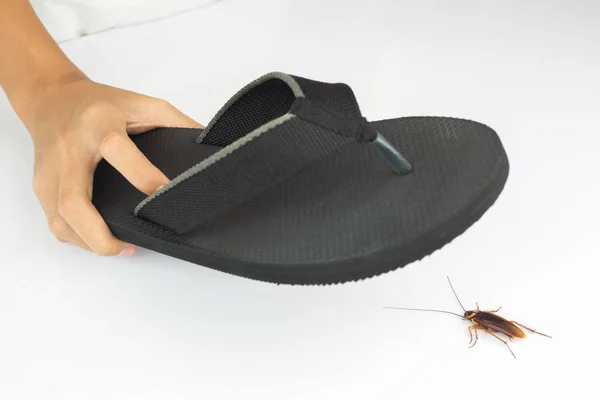
Roaches do not willingly travel across wide-open spaces during daylight hours. If you are placing bait stations or gel dots in the middle of your kitchen floor or on open countertops, the roaches will ignore them. You must bring the bait directly to their harborage points.
👉👉 How Long Does Roach Bait Take to Work? Read THIS Now
✅ Where to Apply Gel Bait
Apply small dots inside tight cracks, crevices, and structural joints where roaches spend 90% of their lives:
- The Kitchen Hub: Inside cabinet door hinges, along the upper tracks of drawers, where the backsplash meets the wall, and around plumbing penetrations under the sink.
- The Heat Zones: Behind the refrigerator compressor, near the dishwasher motor, and around microwave vents.
- The Bathroom Hub: Behind the toilet base, inside the vanity cabinet frame, and around pipe escutcheon plates.
🛠️ Where to Place Bait Stations
Use plastic bait stations in high-traffic transit pathways where gel might easily get wiped away or contaminated:
- Flush against baseboard corners.
- Tucked deep into the back corners of pantries.
- Placed directly alongside major plumbing lines behind access panels.
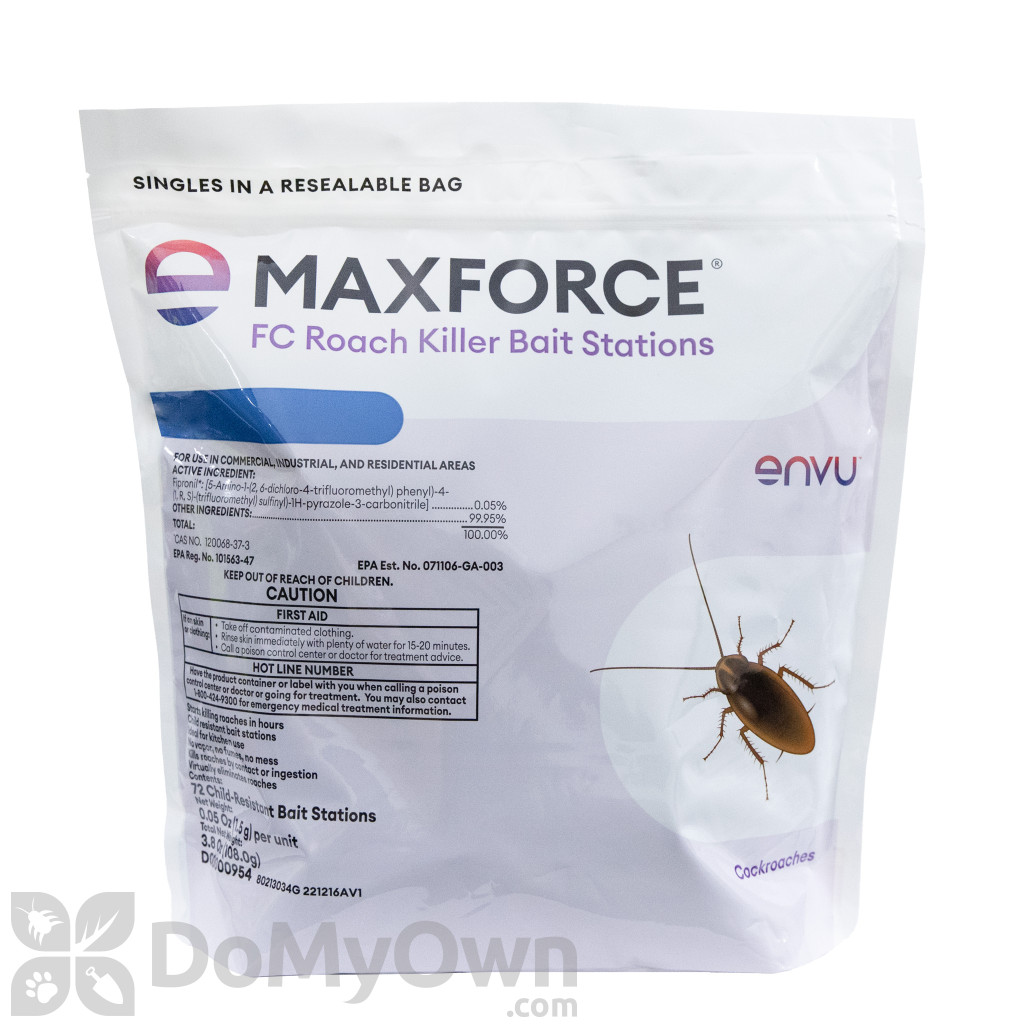
🛒🥇 When Using Bait Stations in the Field, This is my Go-To. 👇👇 No mess, no fuss, just place it and be done. 👇👇 Check prices on DoMyOwn Now 👇👇
⚠️ 3. Critical Mistakes to Avoid
⚡ EXTERMINATOR'S RULE:
Never treat your bait like a chemical spray. It is a food source.
If the food looks, smells, or tastes wrong, the colony survives.
- Mistake 1: Creating Massive Globs. Roaches have small mouthparts. Large piles of gel bait form a hard outer crust rapidly, making the center inaccessible. It also frightens foraging roaches instead of inviting them to feed.
- Mistake 2: Overspraying the Treated Area. Never spray liquid aerosols or retail bug sprays over or near your bait placements. The harsh chemical repellents in those sprays will contaminate the bait matrix, making the roaches completely avoid it.
- Mistake 3: Leaving Competing Food Sources. A roach will choose grease, crumbs, or open pet food over bait if they are easily accessible. Deep-clean your surfaces to ensure your bait is the only meal available.
📊 The Field Execution Guide
| Action Item | The Right Way (Professional Protocol) | The Wrong Way (Amateur Mistake) |
|---|---|---|
| Placements | 10–20 tiny, pea-sized dots distributed across multiple hidden cracks. | One large, thick line smeared across an open wall or shelf. |
| Application | Placed deep inside dark gaps, cabinet corners, and appliance frames. | Dropped out in the open on countertops or center floors. |
| Sanitation | Surfaces wiped completely clean of grease, food debris, and standing water. | Bait applied next to sticky stoves or unwashed pet bowls. |
| Chemical Mixing | Combined strictly with non-repellent dusts or growth regulators (IGRs). | Sprayed over with harsh, over-the-counter aerosol bug bombs. |
🗓️ 4. The Elimination Timeline: What to Expect
Baiting requires patience. Because it relies on a domino effect to clear out the hidden nest, you will not see instant results overnight.
- Hours 24–48: You will often notice a temporary surge in roach activity. This is completely normal. The attractants in the bait are successfully drawing hidden roaches out of the walls to feed.
- Days 3–5: You will begin finding dead roaches near your placement zones. The horizontal transfer process is actively working inside the harborages.
- Weeks 1–2: You should experience a dramatic, noticeable reduction in live sightings.
Field Tip: If you notice the roaches have completely stopped eating your initial gel placements but the infestation persists, they may be suffering from bait aversion. Scrape away the old material and rotate to a different brand featuring an entirely different food matrix asset.

📖 Frequently Asked Questions
Why am I seeing more roaches after putting bait down?
This is a sign that your bait is working exactly as intended. High-quality professional baits use potent chemical attractants to pull roaches out of their hidden structural nests. Let them feed freely; they need to consume the product and return to the nest alive to infect the rest of the colony.
How long does a tube of professional gel bait last once applied?
In indoor environments with moderate humidity, gel baits generally remain soft and highly palatable for roughly 30 to 60 days. Once the gel dries out completely, hardens, or collects ambient dust, its effectiveness drops. You should clean away the brittle residue and apply fresh dots.
Can I use roach bait if I have indoor pets?
Yes, but placement is paramount. While the active ingredients in professional baits are used in incredibly low percentages, you should still place gel dots deep inside structural cracks, wall voids, and cabinet tracks where dogs and cats cannot physically reach them. For exposed areas, utilize tamper-resistant plastic bait stations.