Last Updated on September 6, 2026 by Tim L. | Founder of Pest Control Playbook | Reviewed for Scientific Accuracy by our Co-Founder, an Associate Certified Entomologist (ACE)
If you turn on your kitchen light after dark and see roaches scattering across your countertops, your skin immediately crawls. Armed with 13 years of hands-on pest control field experience, alongside my co-founder’s scientific background as an Associate Certified Entomologist (ACE), our team brings over 40+ years of combined industry expertise straight to your keyboard.
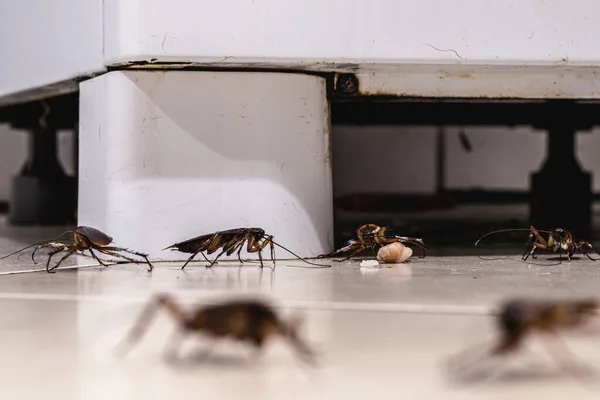
I can tell you one absolute truth: roaches are strictly nocturnal. If you spot them out in the open at night, it means their hidden nesting sites are already maxed out. You aren’t dealing with a single stray invader; you have an active, breeding infestation.
Can you completely eliminate a roach colony overnight? No. Anyone promising a 24-hour total cure for an established infestation is selling snake oil. However, you can dramatically crush their population overnight and set a professional-grade colony collapse in motion within hours if you use the exact field playbook my technicians and I deploy every day.
This guide breaks down the precise, step-by-step strategy to knock out active roaches immediately and wipe out the entire nest using professional-tier tools.
🥉 Quick-Start Summary: The 24-Hour Roach Eraser Playbook
If you are short on time and need to stop the bleeding tonight, follow this exact breakdown. Avoid retail bug bombs or heavy synthetic pyrethroid sprays—they only scatter the bugs deeper into your walls.
🧹 1. TARGETED VACUUMING: Flush out and kill active roaches immediately with a HEPA vacuum. Wipes out hundreds in minutes.
🎯 2. PRECISION BAITING: Apply small dots of non-repellent gel bait in dark, hidden feeding pathways.
🛑 3. BIRTH CONTROL: Deploy an Insect Growth Regulator (IGR) to freeze the reproductive cycle of the survivors.
🔒 4. VOID DUSTING: Puff insecticidal dust deep into dry wall cracks and electrical outlets.
💡 Professional Affiliate & Editorial Disclosure
Some links on this page are affiliate links, meaning a small commission may be earned on recommended professional-grade products (like pressurized backpack sprayers or commercial baits) at no extra cost to you.
👉👉👉 I Only Saw One Roach. Do I Have an Infestation? Read THIS Now
🕵️ Step 1: Map the Enemy (Find the Harborage Zones)
Before you touch a single piece of pest control equipment, you must find exactly where the roaches are living. Throwing product at random baseboards wastes money and alerts the colony.
Grab a flashlight and check these primary harborage zones:
- Kitchen Appliances: Look behind and underneath your refrigerator, stove, and microwave. The compressors generate heat and electrical warmth, which roaches crave.
- Moisture Hubs: Inspect the areas directly under kitchen and bathroom sinks, around water heater closets, and behind toilets.
- Cabinet Corners: Open your upper and lower cabinets and look closely at the interior corner seams, shelf tracks, and hinge plates.
🔎 Signs of an Active Infestation
- Frass: Tiny, black pepper-like specks on cabinet shelves, hinges, or countertops.
- Oothecae: Light-brown, purse-shaped egg casings left in drawers or behind appliances.
- The Odor: A distinct, musty, oily smell that indicates a heavy population density.
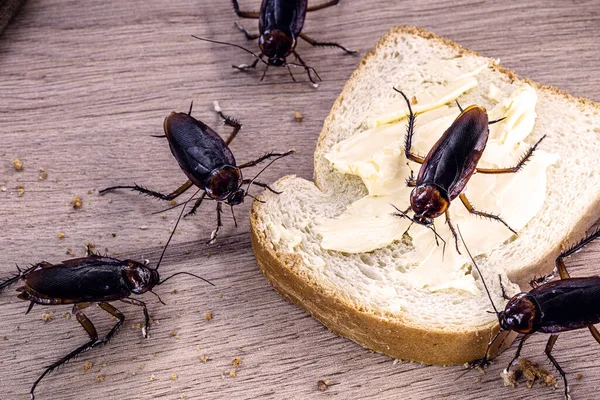
🧹 Step 2: The Secret Mechanical Knockdown (Vacuuming)
This is the step that most DIY homeowners miss entirely, but it is an absolute requirement for my crews on initial clean-outs.
Do not start by spraying. Grab your vacuum cleaner—ideally a shop vac or a model equipped with a HEPA filter. Remove the main floor attachment so you are working with the raw hose or a narrow crevice tool.
Pull your stove and refrigerator away from the wall. As the roaches scatter, vacuum them up immediately.
👉 PRO TIP: Pour two tablespoons of cornstarch or liquid dish soap directly into your vacuum bag or canister before you start. This physical barrier ensures the roaches suffocate inside the machine and cannot crawl back out when you turn it off. Disposal is immediate: bag it, seal it, and throw it straight into the outdoor trash.
🎯 Step 3: Deploy Non-Repellent Professional Gel Baits
Sprays only kill the roaches you can see. High-quality gel baits eliminate the entire colony through a process called horizontal transfer. Foraging roaches eat the bait, return to the nest, pass the poison through their droppings and carcasses, and wipe out the hidden breeding population.
The Colony Collapse Chain Reaction:
Forager eats bait -> Returns to hidden nest -> Forager dies -> Nest nymphs eat carcass and droppings -> Total colony collapse.
⚠ Crucial Application Rules
- Think Small: Apply the bait in small, matchhead-sized dots. Do not smear long lines of gel. Big blobs dry out fast and form a hard skin that roaches won’t eat.
- Space Wisely: Place a fresh dot every 12 to 18 inches right along structural corners, cabinet frames, and appliance gaps.
- Protect the Bait: Never place bait on surfaces you have recently treated with common grocery-store aerosol sprays. The harsh chemical residues will ruin the bait and act as a total repellent.
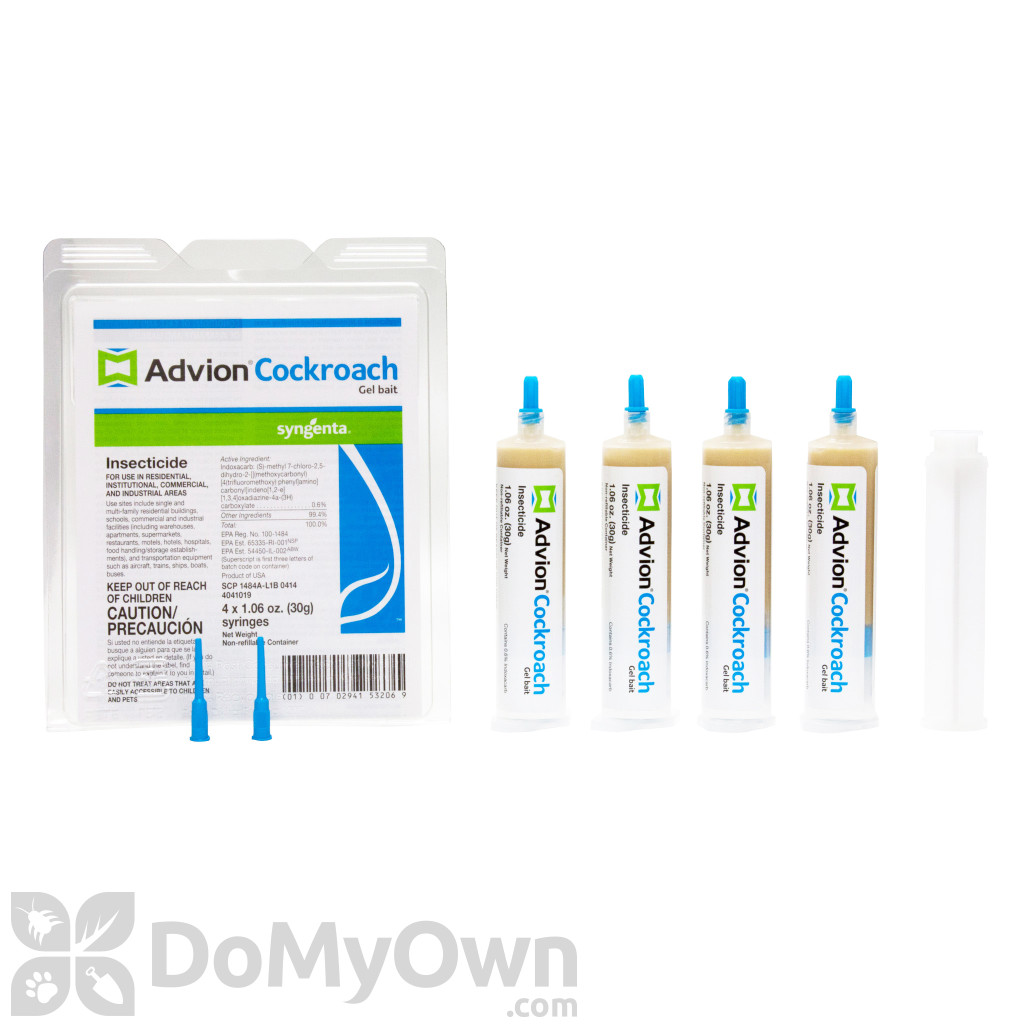
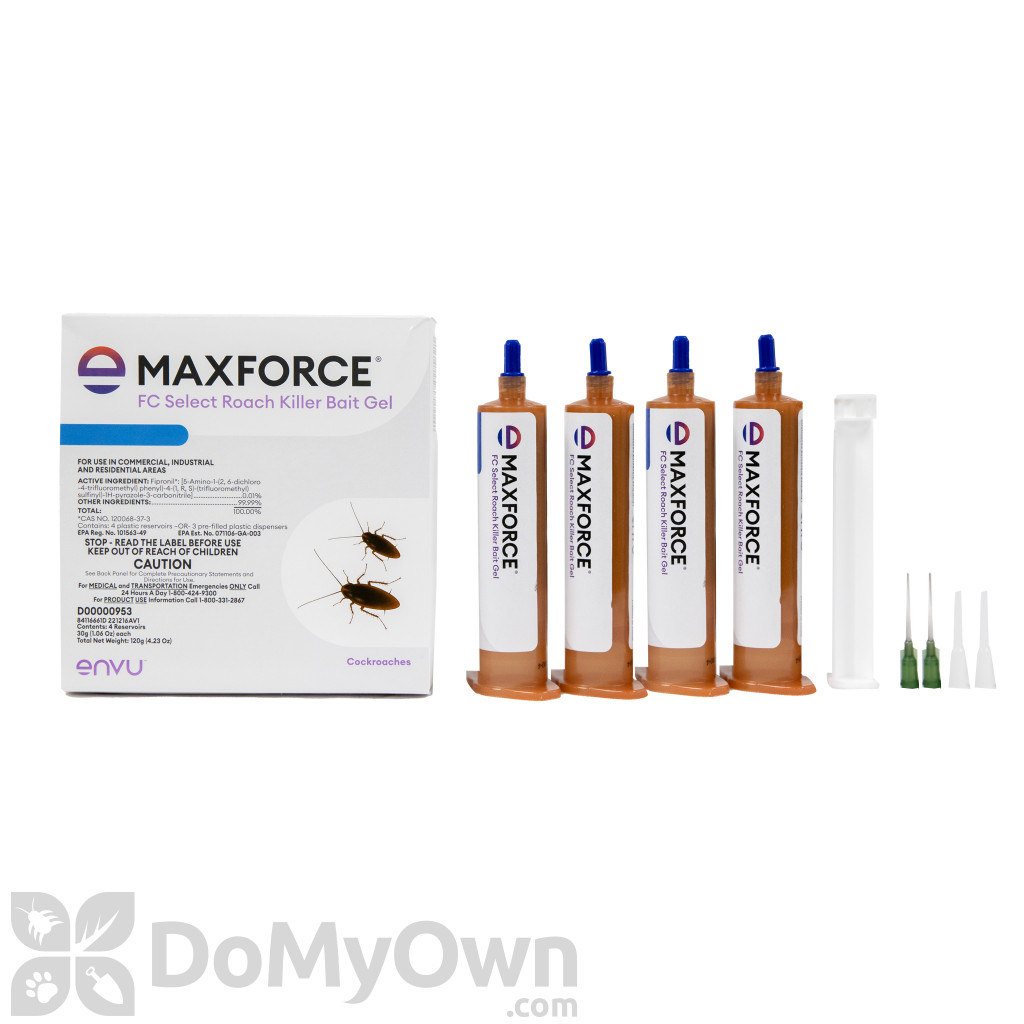
🛒 Our Top Field Picks: For residential infestations, we highly recommend switching between Syngenta Advion Roach Gel Bait and Maxforce FC Select. Alternating baits over time prevents the roaches from developing bait aversion. 👇👇👇 Click on the products below to check prices on DoMyOwn 👇👇👇
🛑 Step 4: Halt the Lifecycle with an IGR (Insect Growth Regulator)
Even if your bait kills 90% of the adult roaches tonight, a single surviving female German cockroach can carry an egg capsule containing up to 48 nymphs. To break this cycle, you must use an Insect Growth Regulator (IGR).
Think of an IGR as specialized birth control for insects. It does not kill the adult roaches instantly. Instead, it mimics their natural hormones, locking immature nymphs into a permanent state of adolescence. They fail to grow their adult wings, cannot reproduce, and die without ever laying another egg.
📋 How to Apply IGRs
- Use a concentrated liquid IGR mixed inside a compressed pump sprayer alongside a professional non-repellent liquid insecticide (like Alpine WSG). This combination lets you kill active foragers on contact without ruining your nearby bait placements.
- Alternatively, buy easy-to-use point-source discs like Gentrol Point Source. You simply click the disc to activate the mechanism and stick it under sinks or behind your refrigerator. The active ingredient volatilizes, traveling through ambient air currents to reach deep inside hidden wall tracks.
🔒 Step 5: Seal the Dry Voids with Insecticidal Dust
Roaches spend up to 80% of their lives tucked safely inside dark structural voids where liquid sprays cannot easily reach. To create a long-term protective barrier that lasts for months, you need a high-quality insecticidal dust.
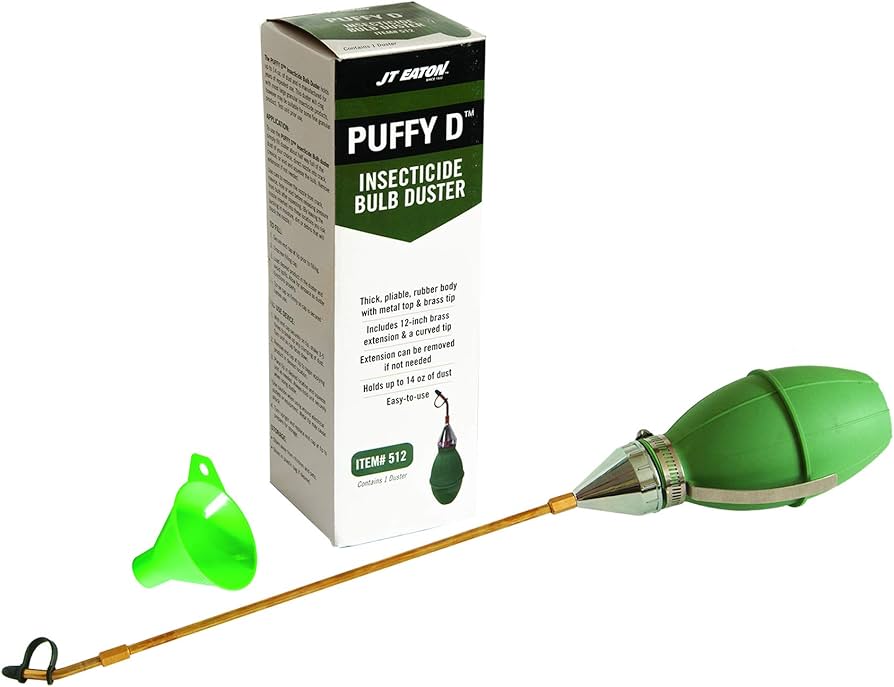
Using a handheld bulb duster, apply a very fine, invisible layer of dust into:
- Hollow wall spaces behind your plumbing pipe rings under the kitchen and bathroom sinks.
- The tiny gaps between your kitchen countertops, backsplashes, and the drywall.
- Deep crevices underneath your large major appliances and baseboard tracks.
💡 Dusting Technique Matters
Never use a heavy hand when applying dust. If it looks like a winter snowdrift, you have used far too much. Roaches will simply recognize the obstacle and walk around it. You want an incredibly fine, electrostatic puff of dust that clings invisibly to their legs and bellies as they walk through it.
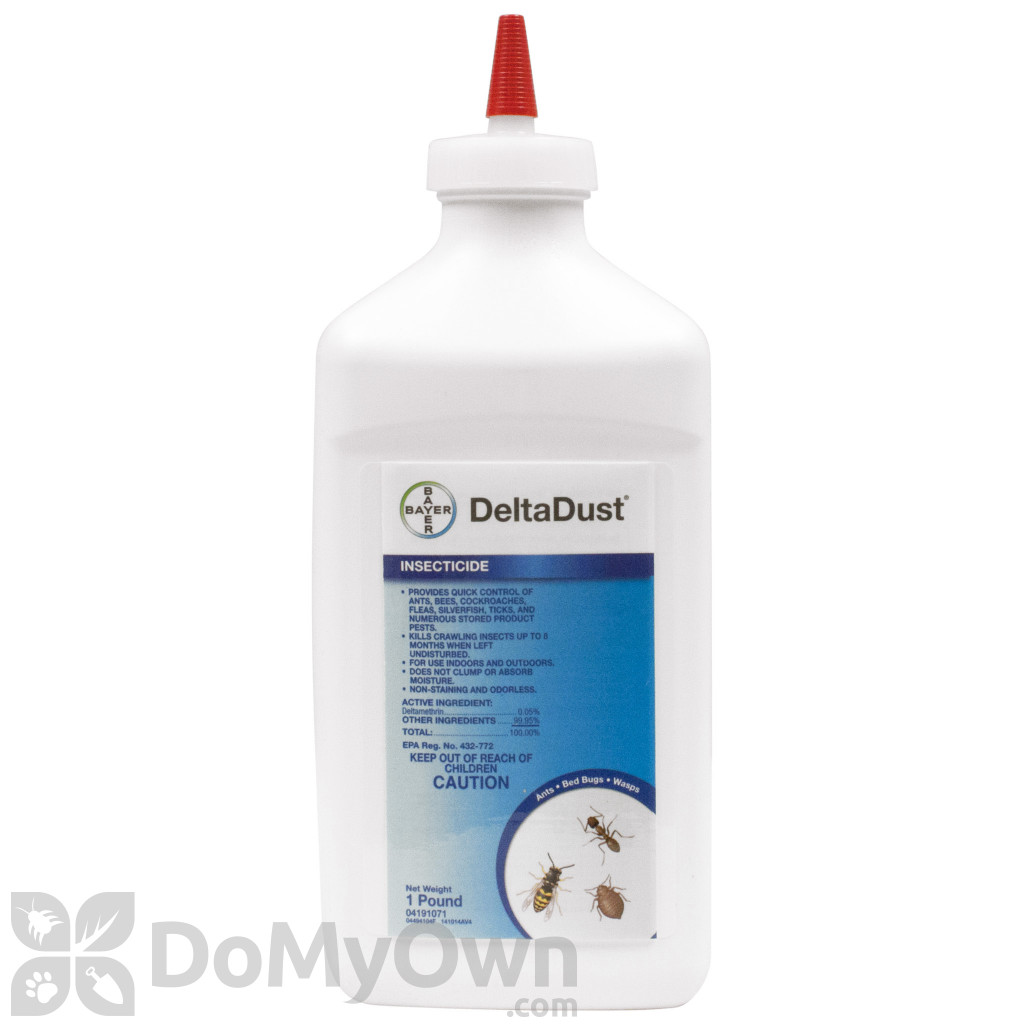
🛒 Our Top Field Pick: We recommend Envu Delta Dust Insecticide Dust. DELTA DUST containing deltamethrin is the world’s first and only 100% waterproof insecticide dust, so it works in the wet and damp places that insects love.Delta Dust should be applied with a “bellows hand duster” which allows you to easily apply the dust in hard to reach areas. One application of Delta Dust will keep on killing insects for up to eight months. 👇👇👇 Check Prices on DoMyOwn Now 👇👇👇
🧼 Step 6: Starve Them Out (The Non-Negotiable Sanitation Rule)
Pest control products are only as good as your sanitation standards. If your kitchen counters are covered in grease splatters and leftover crumbs, the roaches will choose that free food supply over your toxic gel baits every single time.
🧼 Sanitized Counters: Wipe down every surface with a kitchen degreaser to eliminate food films and cooking oils.
🗑️ Sealed Waste: Take the trash outside every single evening. Use a trash can with a tight rubber gasket.
📦 Protected Food: Move cereal, chips, and pet food into rigid airtight plastic or glass containers.
💧 Dry Sinks: Wipe sinks completely dry before bed. A roach can live for weeks without food, but dies in days without moisture.
📉 Why Most DIY Roach Treatments Fail
In my 13 years working on the road, I have walked into hundreds of homes where families spent a fortune on retail products but still had bugs crawling everywhere. Here is what they always did wrong:
- Over-spraying Repellents: Spraying strong-smelling retail aerosols around your baseboards sounds effective, but it backfires. It triggers an alarm response, causing the roaches to scatter deeper into wall voids and even move into adjacent rooms or bedrooms.
- The “More is Better” Fallacy: Homeowners tend to pile roach bait into large, thick mounds or spray thick blankets of white powder. Roaches are highly sensitive to their environment; if they sense a structural change or chemical buildup, they will avoid the area entirely.
- Ignoring the Lifecycle: People stop treating the moment they stop seeing live adults crawling across the counter. If you don’t use an IGR to address the unhatched egg casings hidden behind the walls, the infestation will roar back to full strength within 30 days.
⏱ Real-World Timeline: What Success Looks Like
This professional playbook system works quickly, but you must measure your success on a realistic, field-tested timeline:
- Night 1: You will notice a major reduction in crawling roaches if you completed the mechanical vacuuming step. Bait consumption begins immediately in the dark.
- Days 3–5: You will start finding dead or sluggish, disoriented roaches out in the open during daytime hours. This means the gel bait and non-repellent liquids are working their way through the core colony.
- Weeks 1–2: The adult population collapses. You will begin seeing adolescent roaches with crinkled, deformed wings—a clear indicator that your IGR treatment has successfully taken control of the breeding cycle.
🗂 The Ultimate Overnight Roach Elimination Checklist
Use this deep-dive field checklist to track your progress as you work through the system tonight:
- Map Harborage Sites: Flashlight inspection under sinks, behind appliances, and inside cabinets.
- Perform Mechanical Clean-out: Vacuum active foragers using a HEPA vacuum primed with soap or cornstarch.
- Place Precision Bait: Put down matchhead-sized dots of Advion or Maxforce gel every 12-18 inches along corners.
- Activate Hormonal Control: Mix liquid IGR with a non-repellent insecticide like Alpine WSG, or mount Gentrol Point Source discs.
- Apply Barrier Dust: Puff an invisible layer of CimeXa silica dust into hollow dry wall voids and outlet boxes.
- Lock Down Sanitation: Scrub kitchen grease, empty daily trash, seal food in airtight bins, and wipe all sinks dry.