
Last Updated on July 29, 2026 by Tim L. | Founder of Pest Control Playbook
30 Year Professional in the Pest Control Industry Explains How Long it Takes to Get Rid of Ants, and What to Expect
If you’ve recently placed professional ant bait or started treating an ant problem, you’re probably wondering one thing:
How long does it take to get rid of ants?
The answer depends on the size of the colony, the species of ant, and the treatment you’re using. In most cases, homeowners can expect to see significant improvement within 7 to 14 days when using the correct ant bait. Larger colonies or difficult species may take several weeks to eliminate completely.
With over 30 years of hands-on pest control experience, I’ve seen homeowners make one common mistake—they expect instant results. Unlike sprays that kill ants on contact, the most effective treatments take time because the worker ants must carry the bait back to the colony and feed the queen.
Here’s what you can realistically expect.
👉👉💡💡 Quick Answer: Most ant baits begin killing worker ants within a few days, but eliminating an entire colony typically takes 1-3 weeks, depending on the species, colony size, and bait acceptance.
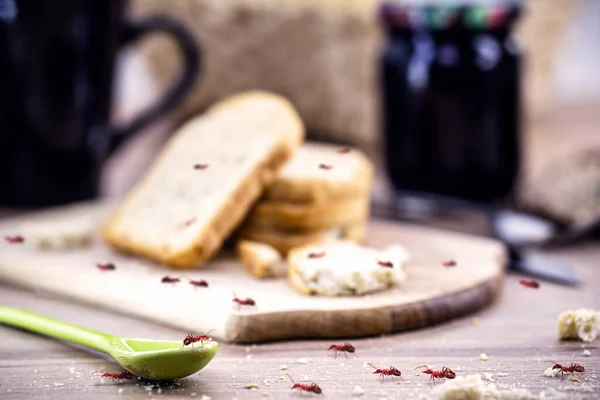
The First 24 to 48 Hours
Don’t be surprised if you actually see more ants after placing bait.
This is a good sign.
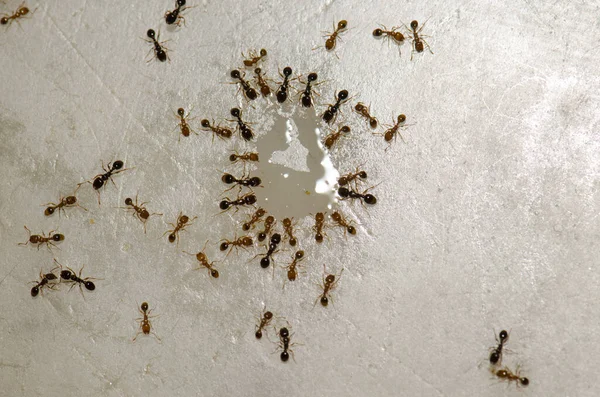
The bait is attracting worker ants, which then carry it back to the nest and share it with the rest of the colony. Many homeowners think the bait isn’t working because they suddenly notice more ants than before. In reality, this is often the first sign that the treatment is doing exactly what it’s supposed to do.
Avoid spraying these ants. Killing them before they return to the nest slows the entire process.
💡👉 Step By Step Guide to Get Rid of Ants in the House
Days 3 Through 7
By the end of the first week, you should notice fewer ants traveling along established trails.
The colony is beginning to weaken as more workers feed on the bait and transfer it throughout the nest.
Continue to leave the bait undisturbed and resist the temptation to replace it every day.
One to Two Weeks
For most common household ants, this is when you’ll notice the biggest improvement.
Traffic around kitchens, bathrooms, and entry points should decrease dramatically if the bait is being accepted.
If you’re still seeing the same number of ants after two weeks, one of several things may be happening:
- The colony is much larger than expected.
- The ants are feeding on another food source instead of the bait.
- The wrong bait is being used for that species.
- There are multiple colonies around the home.
What Affects How Long It Takes?
Ant Species
Different ant species behave differently. Some colonies contain only a few thousand ants, while others may contain hundreds of thousands.
Colony Size
A small colony located outdoors may disappear within a week.
Large colonies hidden inside walls, beneath concrete slabs, or under landscaping can require significantly more time.
The Right Bait
Not all ant baits work equally well on every species.
Protein-loving ants often ignore sweet baits, while sugar-feeding ants may completely ignore protein-based products.
Using the correct bait makes a tremendous difference.
💡👉 Read This Article About the Ant Baits I Use in the Field Every Day
Weather
Heavy rain, drought, and extreme heat can all change ant foraging behavior, making treatments appear slower than normal.
Common Mistakes That Slow Ant Control
Many homeowners unknowingly make the infestation last longer by:
- Spraying the ants after placing bait.
- Moving the bait stations every day.
- Cleaning away ant trails too quickly.
- Removing bait before the colony has been eliminated.
- Failing to seal food in airtight containers.
Patience is one of the most important parts of successful ant control.
Signs Your Treatment Is Working
Look for these positive signs:
- Fewer ants each day.
- Less activity around food sources.
- Trails becoming shorter.
- Ants disappearing from previously active areas.
- No new trails forming after one to two weeks.
These are all indications that the colony is declining.
When Should You Call a Professional?
If you’ve used quality ant bait correctly for two to three weeks and the infestation hasn’t improved, it’s time to investigate further.
The colony may be hidden inside a wall void, beneath the foundation, or you may be dealing with multiple colonies.
A professional inspection can identify the source and determine the most effective treatment.
Frequently Asked Questions
Why are there more ants after I put out bait?
This is completely normal. The bait attracts worker ants, allowing them to carry it back to the colony where it can reach the queen and developing ants.
Should I spray ants while using bait?
No. Spraying worker ants prevents them from transporting the bait back to the colony, often making the treatment take longer.
How long does it take to kill an entire ant colony?
Most household colonies can be eliminated within one to three weeks when the correct bait is used properly. Very large or multiple colonies may require additional time.
Why do the ants keep coming back?
Recurring ants often indicate another nearby colony, an untreated outdoor nest, or easy access to food and moisture inside the home.
Final Thoughts
One of the biggest misconceptions about ant control is that faster is always better. In reality, the most effective treatments are designed to work slowly enough for worker ants to spread the active ingredient throughout the colony.
With more than 30 years of professional pest control experience, I’ve found that patience, proper bait selection, and allowing the ants to do the work are the keys to eliminating an infestation for good.
If you give the treatment time to work and avoid common mistakes, you’ll have a much better chance of eliminating the colony instead of simply killing the ants you happen to see.
About The Author
As the founder of Pest Control Playbook, I have more than 30 years of hands-on experience in the pest control industry. Drawing from real-world field work in residential and commercial settings, the goal of this site is to provide homeowners with practical, straightforward pest control advice that actually works.