Last Updated on July 24, 2026 by Tim L. | Founder of Pest Control Playbook
The Most Effective Way to Eliminate Ant Colonies Inside Your Home, Field Tested by a 30 Year Professional
With over 30 years of hands-on pest control experience, I can tell you this, Ant bait is one of the most effective long-term solutions for eliminating ant colonies, when used correctly. In the field, I’ve seen homeowners waste weeks spraying trails when a properly placed bait would have collapsed the colony in days. The key is not just choosing a bait, it’s matching the right formulation to the ant species and placing it where the colony actually feeds.
But herein lies the problem….
What I typically see is that most homeowners either:
- Use the wrong type of ant baits
- Place bait in the wrong location
- Or kill the ants too quickly with sprays before the bait can work
This is where people go wrong, and why so many ant problems keep coming back.
The goal of ant bait is not just to kill the ants you see, but the ones that you don’t see.
The goal is to eliminate the colony itself, and without using ant bait, it is very difficult to fully control an ant infestation.
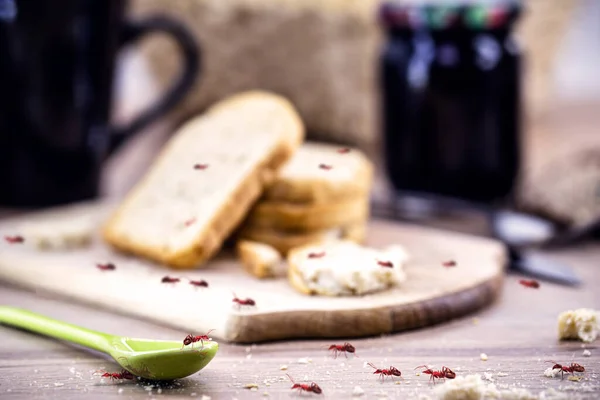
Why Ant Baits Work Better Than Sprays
Sprays usually kill worker ants on contact.
That may look satisfying at first, but it often does very little to stop the colony hidden behind walls, under floors, or outside the home.
Baits work differently. Ant Baits work by exploiting the colony’s food-sharing system. Worker ants carry bait back to the next, where it is distributed to the queen and larvae. That is why you will often see more activity at firs, and that is actually a good sign! It means that the ants are bringing the bait back to the colony and alerting other workers to follow suit. I always tell homeowners after ant bait has been applied that if you see more ants, that is a good thing. They look at me funny, but more often than not, within a few days, the ants are gone.
Worker ants feed on the bait and carry it back to the colony where it is shared with:
- Other workers
- Larvae
- The queen
That’s what makes baiting so effective for long-term control.
👉👉👉 Have Ants In Your Kitchen? Read THIS
Best Ant Baits (Quick Picks 2026)
🥇 Best Overall: Advion Ant Gel (fast colony elimination, highly attractive)
🥈 Best for Sweet-Eating Ants: Optiguard Ant Gel Bait
🥉 Best Outdoor Ant Bait: Niban Granular Bait (Use early in season to start killing ants fast)
The Different Types of Ant Baits
Not all ants prefer the same foods.
Some ants prefer:
- Sweet baits
- Protein-based baits
- Greasy foods
This is why one bait may work extremely well for one infestation but poorly for another.
Professional pest control companies often use multiple bait types at the same time.
Liquid Ant Baits
Liquid baits are especially effective for sugar-feeding ants.
These are commonly used for:
- Odorous house ants
- Argentine ants
- Small kitchen ants
Liquid baits are attractive because they combine sugar with a slow-acting insecticide.
The slow kill is important because it allows worker ants time to spread the bait throughout the colony.
🛒🛒👇 This is the #1 Ant Gel Bait for 2026 that I use. It works FAST, and ants love it! 👇🛒🛒
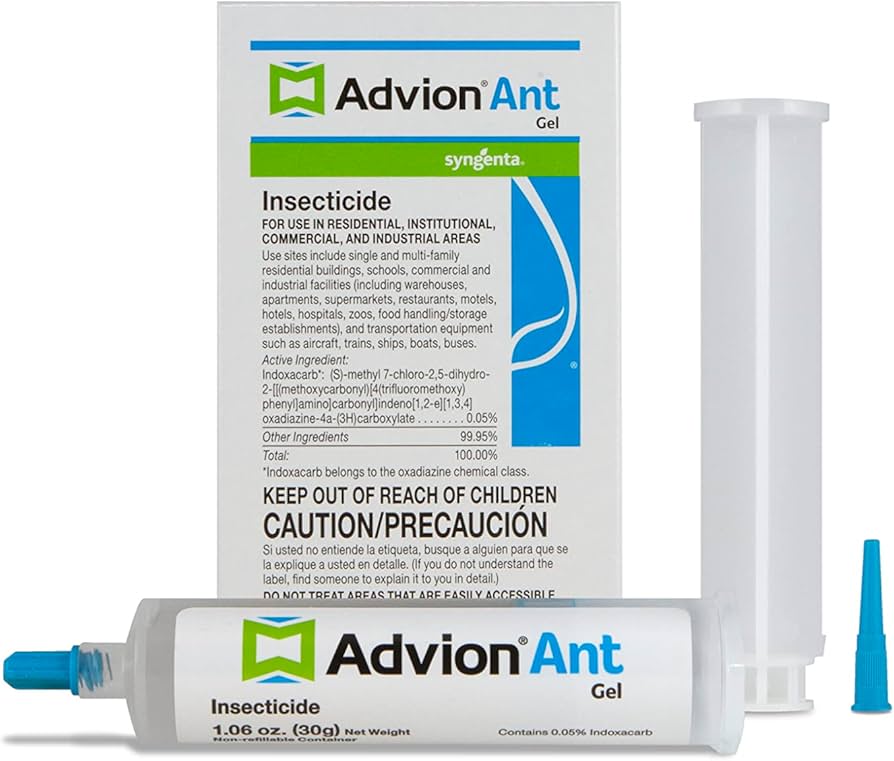
Gel Ant Baits
Gel baits work well in cracks, crevices, and hidden areas.
They are commonly applied:
- Under sinks
- Behind appliances
- Along baseboards
- Near ant trails
Gel baits are popular because they are easy to place precisely where ants are active.
Granular Ant Baits
Granular bait is often used outdoors around:
- Foundations
- Mulch beds
- Patios
- Sidewalks
Many outdoor ant colonies respond very well to granular treatments.
Outdoor baiting can sometimes stop ants before they ever enter the home, and are great to use early in the spring. I always put out ant granules in the spring to help kill the colonies before they start thriving.
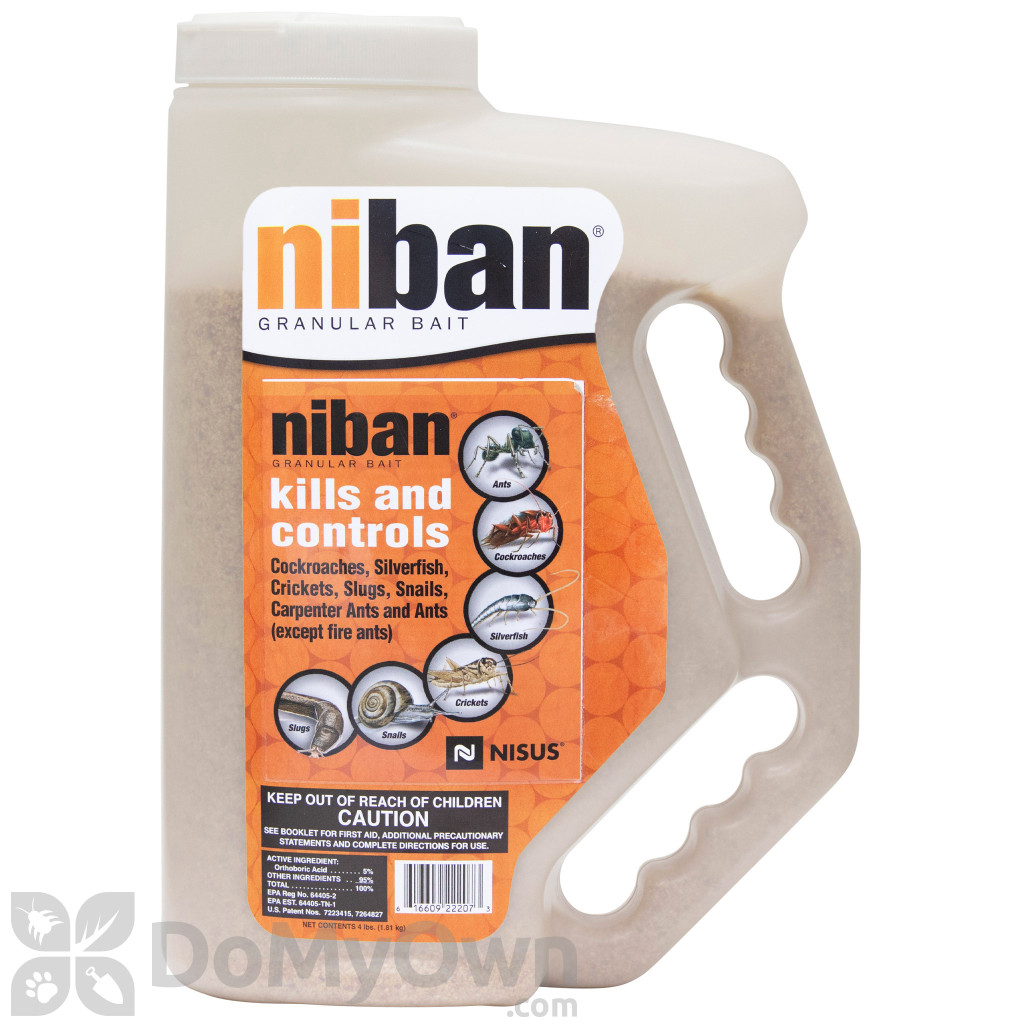
💡💡 I always use this in the Spring to get ahead of and infestations with great success
The Best Places to Put Ant Bait
Placement is critical.
For best results:
- Place bait directly near ant trails
- Put bait close to entry points
- Focus on areas with visible activity
Common bait locations include:
- Kitchen counters
- Under sinks
- Behind refrigerators
- Pantry corners
- Window sills
- Bathroom plumbing areas
Avoid placing bait where it will get wet or contaminated.
🛒👇🛒👇 THIS is my #2 Ant Gel Bait I Use in the Field, with Great Success! 👇🛒👇🛒
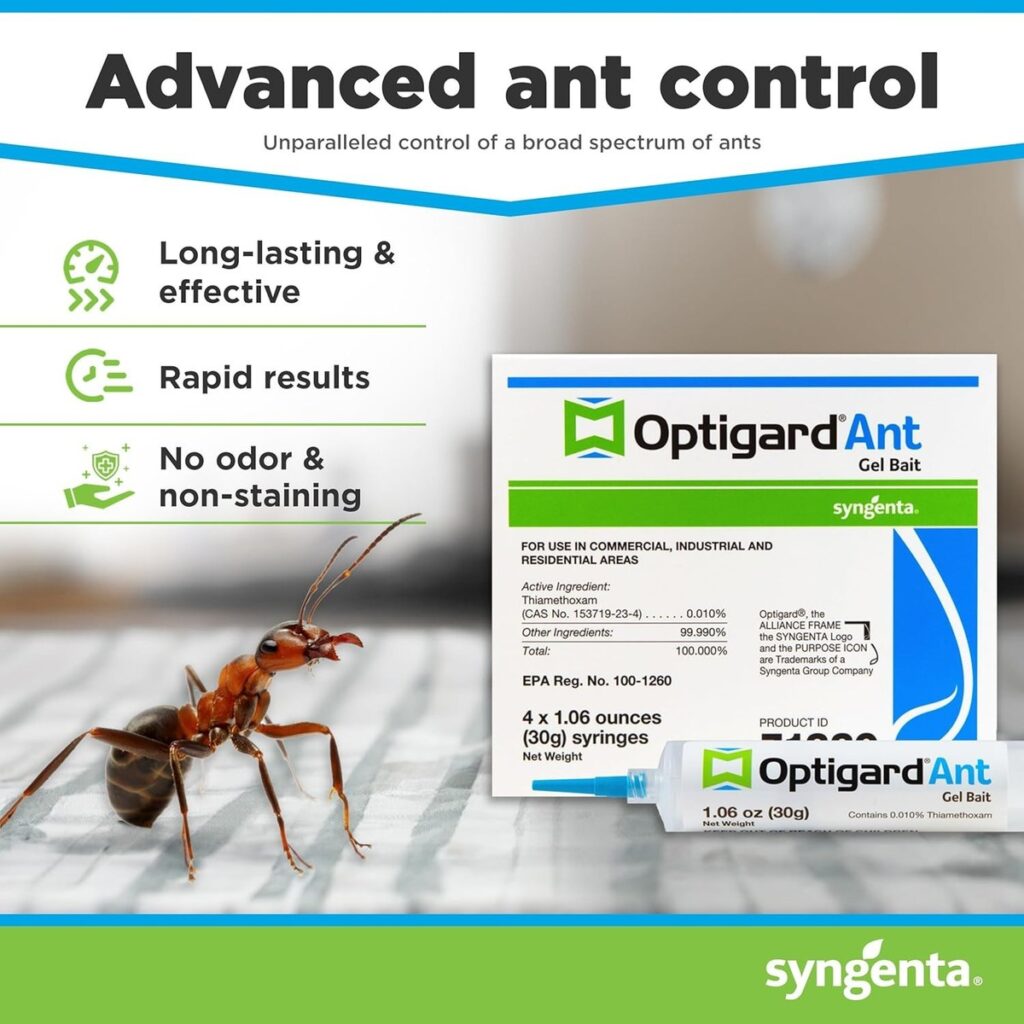
👉💰👉💰 Check Availability on Do My Own HERE
Optiguard Ant Gel BaitOne of the Biggest Mistakes I See In The Field: Spraying Near Bait
This is one of the most common homeowner mistakes.
If you spray ants near bait stations, the ants may die before carrying the bait back to the colony.
That can reduce the effectiveness of the entire treatment. Most of the time, I have found it is best to spray outside, and simply use only gel baits inside.
When using ant bait, I always let the homeowner know 3 things:
- Avoid strong repellent sprays nearby
- Let the ants feed
- Be patient
In many cases, you may actually see more ants at first.
That’s usually a good sign.
It means the bait is attracting workers from the colony.
How Long Does Ant Bait Take to Work?
Many homeowners expect instant results.
Unfortunately, ant bait is not designed for immediate knockdown.
Depending on:
- The ant species
- Colony size
- Bait acceptance
- Placement quality
…it can take several days to a few weeks for full control.
Consistency is important.
Why Some Ant Baits Fail
Sometimes bait simply doesn’t work.
Common reasons include:
- Wrong bait type
- Poor placement
- Competing food sources
- Using too much spray
- Old or dried-out bait
- The colony changing food preferences
Ants can even switch between sweet and protein foods during different times of the year.
👉👉 Interested in Gel Baits for Roaches? Read This Now
Indoor vs Outdoor Ant Control
The best long-term results often come from treating both:
- Inside the home
- Outside around the foundation
Indoor baiting controls active invaders.
Outdoor treatment helps reduce the source population.
Combining both approaches is often the most effective strategy.
Natural Ant Baits: Do They Work?
Some DIY remedies include:
- Borax mixtures
- Sugar water traps
- Peanut butter bait
- Baking soda combinations
Some homemade baits can work surprisingly well if mixed correctly.
However, commercial products are usually:
- More consistent
- Longer lasting
- Better formulated for colony transfer
For larger infestations, professional-grade products often perform better.
Signs the Bait Is Working
Good signs include:
- Increased ant activity initially
- Ant trails becoming weaker over time
- Fewer ants appearing daily
- Slower-moving ants
- Reduced sightings near food sources
Complete elimination takes time.
When to Call a Professional
You may need professional treatment if:
- Ants keep returning
- Multiple colonies are present
- The infestation is spreading
- DIY baiting fails repeatedly
- You suspect carpenter ants
Some species require specialized identification and treatment strategies.
Frequently Asked Questions
What is the best ant bait for homeowners?
The best ant bait depends on the species you’re targeting, but professional-grade gel baits often provide the fastest colony elimination because worker ants carry the bait back to the nest and share it with the rest of the colony.
How long does ant bait take to work?
Most homeowners begin seeing fewer ants within a few days, but complete colony elimination can take one to two weeks depending on the size of the infestation and the ant species.
Why are ants ignoring my bait?
Ants may ignore bait if they’re currently seeking a different food source, such as protein instead of sugar. Fresh bait placement and removing competing food sources can also improve results. Remember, sanitation is key when you need to get rid of an ant infestation in your house.
Should I spray ants while using bait?
In most situations, no. Spraying can kill worker ants before they have a chance to carry the bait back to the colony, reducing the overall effectiveness of the treatment. I like to use ant bait indoors, and then spray the exterior thoroughly, while also applying granular baits outside.
Where should I place ant bait?
Place bait directly along active ant trails, near entry points, and in areas where ants are regularly seen. Avoid placing bait in the open where ants are not actively foraging.
Is gel bait better than ant bait stations?
Gel bait often works faster because it is highly attractive and can be placed precisely where ants are traveling. Bait stations are convenient, cleaner to use, and work well in homes with children or pets when used according to the label.
What is the biggest mistake homeowners make when using ant bait?
One of the biggest mistakes I see in the field is giving up too soon. It’s normal to see increased ant activity for a short time after bait is placed because more workers are recruiting to the food source. Allowing the ants to feed without disturbing the bait usually leads to better long-term results.
Final Thoughts
Ant bait can be extremely effective when used properly.
The key is understanding that successful ant control is about eliminating the colony — not just killing visible ants.
For best results:
- Use the correct bait type
- Place bait near active trails
- Avoid spraying nearby
- Be patient
- Maintain sanitation
When done correctly, baiting is one of the most powerful tools available for long-term ant control
About The Author
As the founder of Pest Control Playbook, I have more than 30 years of hands-on experience in the pest control industry. Drawing from real-world field work in residential and commercial settings, the goal of this site is to provide homeowners with practical, straightforward pest control advice that actually works.