Last Updated on September 18, 2026 by Tim L. | Founder of Pest Control Playbook | Reviewed for Scientific Accuracy by our Co-Founder, an Associate Certified Entomologist (ACE)
If you are loading up your mechanical traps with standard yellow cheddar cheese, you are falling for a cartoon myth. In the real world, mice will easily sniff out your trap, lick a loose piece of food clean off the trigger, and scurry back into your walls without ever firing the spring mechanism.
To solve an active rodent infestation quickly, you need to think like an entomologist and understand rodent behavior. Choosing the absolute best mouse bait for snap traps comes down to two specific rules: high stickiness and high-protein scent pull.
The Quick Answer: What is the Best Bait for Mouse Traps?
The single most effective bait for catching mice is a high-protein, highly adhesive material that forces the rodent to pull, tug, or apply heavy downward pressure on the trigger mechanism. Professional pest control operators rely heavily on specialized, allergen-free attractants like Provoke Professional Gel for Mouse Traps. If you are using household items, sticky hazelnut spread, thick peanut butter, or a small piece of cotton ball tied to the trigger will drastically outperform regular cheese.
💡 Professional Affiliate & Editorial Disclosure
Some links on this page are affiliate links, meaning a small commission may be earned on recommended professional-grade products (like pressurized backpack sprayers, mouse traps, or commercial baits) at no extra cost to you.
Why Regular Bait Fails: The “Lick and Run” Problem
House mice (Mus musculus) are incredibly nimble. Because their whiskers and paws are highly sensitive, they can detect the slightest resistance on a mechanical trigger.
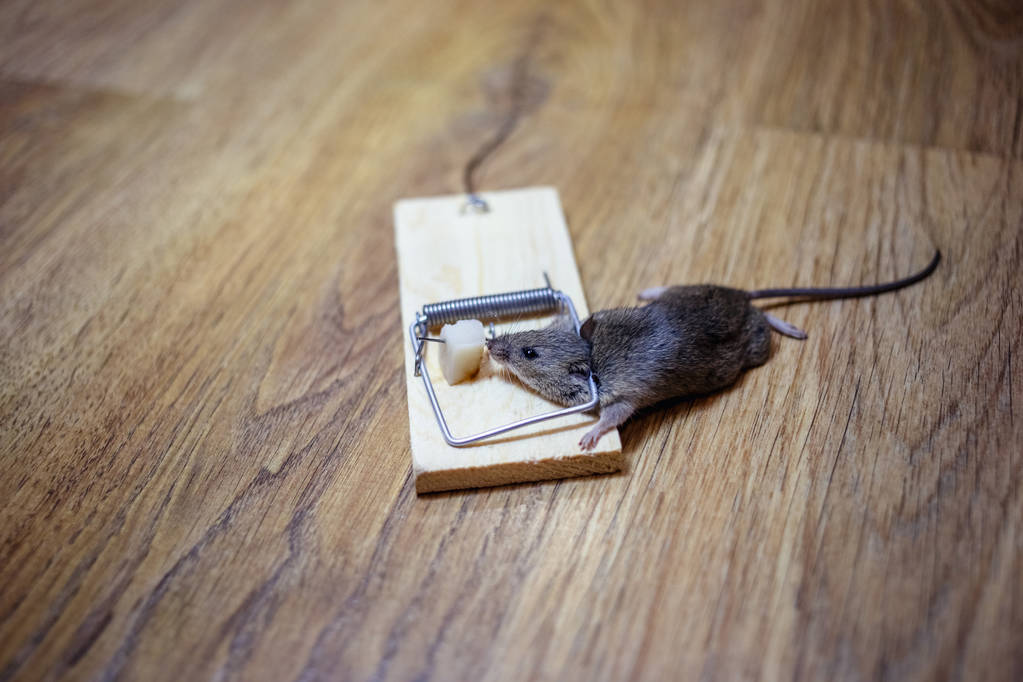
When you place a solid, loose piece of food on a trap—like a cube of cheese, a piece of hot dog, or a loose kernel of corn—the mouse doesn’t have to work for it. They will gently pick up or lick the food off the top. If the trap trigger isn’t set to a hair-fraction sensitivity, the mouse gets a free meal, and you are left with an empty trap.
To guarantee a 100% catch rate, your bait must be physically anchored or sticky enough that the mouse cannot separate it from the plastic or metal trigger paddle without using its teeth and applying force.
Top 3 Professional Baits That Actually Catch Mice
1. Provoke Professional Gel for Mouse Traps
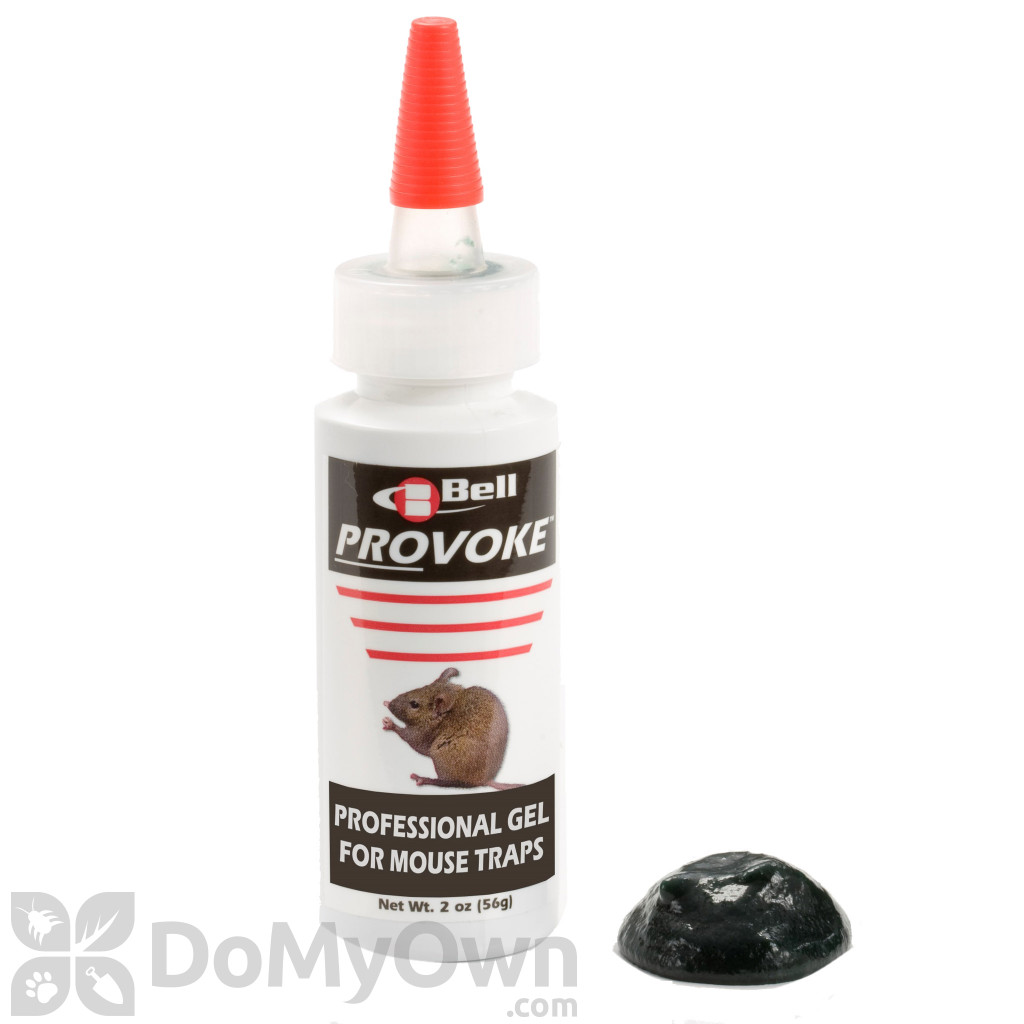
This is the industry standard for a reason. Developed specifically to target the acute sense of smell in mice, this gel formulation is entirely allergen-free (making it safe for homes with nut allergies) and comes in a convenient syringe wrapper for easy application. It sits perfectly in the bait cup of modern traps and cannot be licked away.
🛒🥇 Provoke Professional Gel Bait for Mouse Traps is what we use in the field. Mice love it, and you catch rate drastically improves! 👇👇 Check Prices on DoMyOwn Pest Control 👇👇
2. Sticky Hazelnut Spread or High-Oil Peanut Butter
If you need a quick household fix, look in your pantry for a spread with high oil and high sugar content. Hazelnut spreads offer an incredibly strong aromatic pull that draws mice out of wall voids. The trick is to apply an amount no larger than a single pea. If you overfill the bait cup, the mouse can eat from the edge without stepping onto the trigger plate.
3. Tied Cotton Balls (The Nesting Trick)
During late autumn and winter, female mice are aggressively hunting for nesting materials rather than food. Take a tiny piece of an ordinary cotton ball, dental floss, or yarn. Wrap it tightly around the metal trigger hook or thread it through the hole of a plastic expanded trigger. Mice will grab the fibers with their teeth to pull them away for their nest, instantly setting off the trap.
👉👉 Need a Complete Rodent Control Playbook? Read THIS Article Now
How to Correctly Bait and Set Your Snap Traps
Knowing the best mouse bait for snap traps is only half the battle. You have to deploy it using professional field mechanics to see real results:
- Wear Disposable Gloves: Mice have an acute sense of smell and can detect human skin oils on a trap from days away. Always wear latex or nitrile gloves when handling your gear.
- Keep the Bait Quantity Tiny: More bait does not equal more catches. Use a pea-sized amount directly inside the designated bait well.
- Perpendicular Placement: Always place your baited snap traps flush against the baseboards where you have found fresh droppings. Mice navigate using their whiskers along walls; they will rarely walk out into the open center of a room to inspect a trap.
❓ Frequently Asked Questions (FAQ)
How often should I change the bait on my mouse traps?
You should replace the bait every 3 to 4 days to keep the scent profile fresh and strong. High-protein household baits like peanut butter or hazelnut spread will oxidize, dry out, and lose their oil-driven aromatic pull over time. In contrast, professional gel lures like Provoke Mouse Gel are formulated to remain highly stable and scent-dense for a significantly longer period before needing a refresh. If a trap has been sitting for a week without action, scrape the cup clean and apply a fresh, pea-sized drop.
Why are mice eating the bait but not setting off my traps?
If mice are cleaning out your traps without getting caught, it usually down to two specific mistakes: too much bait or the wrong type of bait. When you pile a mountain of peanut butter into the bait cup, the mouse can sit on the edge and comfortably lick the top layers away without ever placing downward weight on the trigger plate. Always use a tiny, pea-sized amount deep inside the well. If you are using solid foods like cheese or meat, switch immediately to a highly adhesive material like professional gels or sticky spreads that force the rodent to physically tug or pull the trigger mechanism to get a bite.
Should I pre-bait mouse traps before setting them?
Absolutely. In professional pest control, pre-baiting is a highly effective tactic used to overcome trap shyness in heavy or cautious infestations. Place your un-armed snap traps along your target baseboard runways and load them with bait, but do not pull the spring bar back. Allow the mice to freely feed off the unset traps for 48 hours. Once they identify the device as a safe, trusted food source, re-bait the traps and arm the springs. You will often secure a massive population knockdown on the very first night.
Is cheese actually bad bait for a mouse trap?
Cheese is far from the best choice. While mice will eat cheese if no other food source is available, it lacks the strong, long-range aromatic pull of high-protein, high-fat oils found in nuts, seeds, and commercial lures. More importantly, solid cheese is exceptionally easy for a nimble mouse to pick up and carry away without firing the spring trigger. If you want to use the absolute best mouse bait for snap traps, skip the cartoon myths and stick to sticky, high-protein gels and spreads that anchor themselves to the trigger mechanism.