
Last Updated on September 18, 2026 by Tim L. | Founder of Pest Control Playbook | Reviewed for Scientific Accuracy by our Co-Founder, an Associate Certified Entomologist (ACE)
Garages are the ultimate staging ground for a residential rodent infestation. As the autumn temperatures drop, your garage offers the perfect combination of shelter, warmth, and nesting material—often hidden safely inside storage boxes, lawn mowers, or vehicle engine bays.
If you don’t take action immediately, a couple of exploring house mice can quickly turn into a massive structural problem that spreads into your main living spaces. Based on decades of professional field experience, here is the exact step-by-step playbook to evict mice from your garage and keep them out permanently
The Quick Answer: How Do You Get Mice Out of a Garage?
Getting mice out of a garage requires a strict two-phase process: elimination and exclusion. First, you must knock down the active population inside the garage using heavy-duty snap traps baited with professional lures. Second, you must seal every single exterior gap larger than a dime. Pay special attention to the flexible bottom corners of your garage door weather stripping, which is where 90% of garage mice gain entry.
💡 Professional Affiliate & Editorial Disclosure
Some links on this page are affiliate links, meaning a small commission may be earned on recommended professional-grade products (like pressurized backpack sprayers, mouse traps, or commercial baits) at no extra cost to you.
Step 1: Execute a Rapid Population Knockdown
Do not rely on ultrasonic sound boxes or basic store-bought repelling granules. When mice have established a cozy home in your garage, they will tolerate bad smells and noises to stay there. You need to use physical capture devices to eliminate them.
- Set Multiple Traps: Do not just set one or two traps. Use at least 6 to 10 snap traps per garage bay. Mice rarely travel across open floors, so place them in pairs flush against the walls, pointing toward corners and behind stored items.
- Use Premium Lures: Skip regular cheese. Bait your traps with a pea-sized drop of a sticky, high-protein attractant that rodents can’t resist or easily lick off the trigger paddle.
- Check Traps Daily: Check your setup every morning. Remove caught mice immediately while wearing protective gloves to keep your target zones fresh and highly effective.

Step 2: Seal the Garage Core (Exclusion)
You can trap mice all day long, but if you don’t seal the entry points, new mice will move in to replace them the very next night. A mouse can squeeze its skeletal structure through a gap as tiny as a common ink pen.
- Upgrade Your Door Sweeps: Standard rubber garage door seals are incredibly soft. Mice will easily chew through the bottom corners where the track meets the wall. You need a heavy-duty, rodent-proof door sweep embedded with stainless steel fibers that stops teeth from cutting through.
- Pack the Foundation Gaps: Inspect the perimeter of your garage foundation. Look for openings where utility lines, water pipes, or electrical conduits enter the structure.
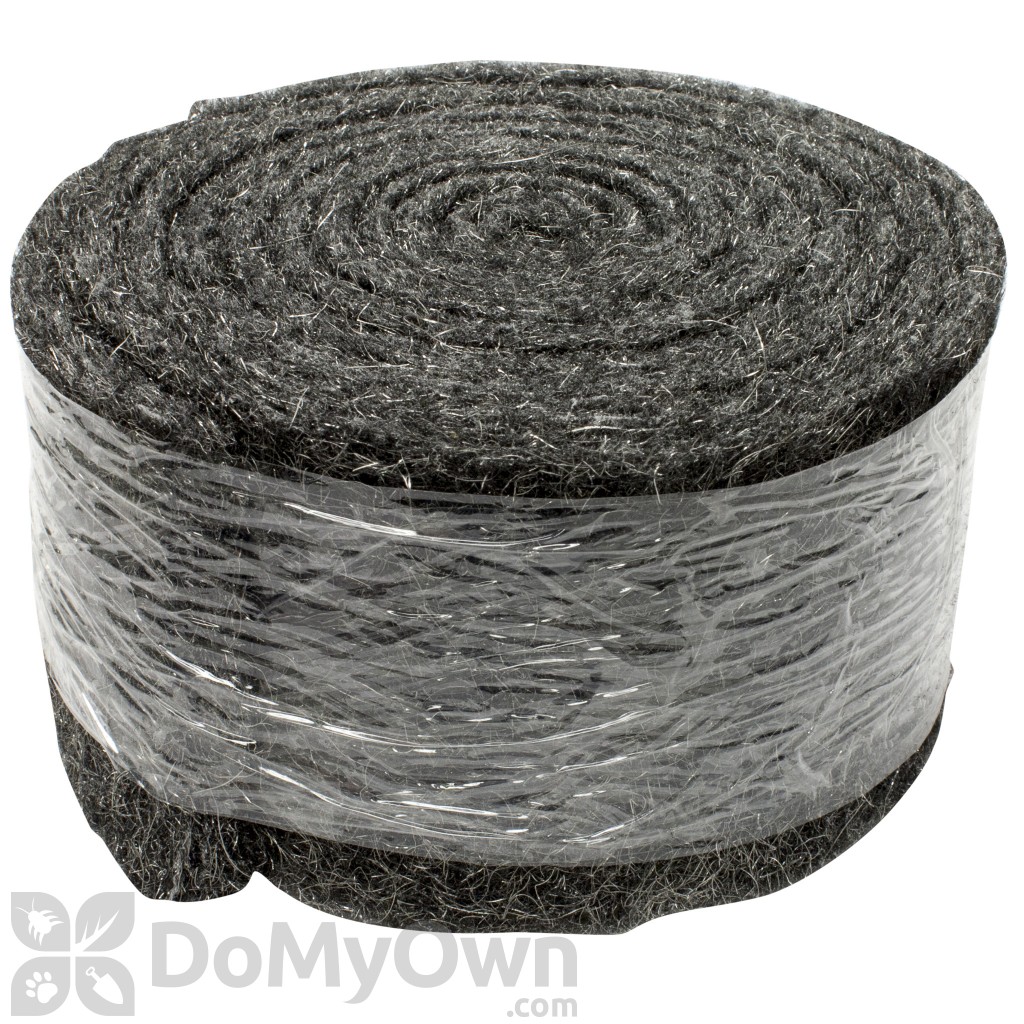
- Ditch Canned Spray Foam: Regular expanding foam insulation is full of soft air pockets that rodents love to chew on. Instead, pack every exterior gap tightly with a professional stainless steel wool blend like Xcluder Rodent Control Fill Fabric. Mice cannot chew through it, creating a permanent barrier.
🛒🥇 When doing exclusion work in the field, we always use a steel or copper mesh. This is our Go-To in the field, Xclucer Rodent Control Fill Fabric. 👇👇 Check Prices and Availability on DoMyOwn Pest Control Now 👇👇
Step 3: Remove the Hidden “Attractant Zones”
Mice choose your garage because it makes survival easy. If you eliminate their food and nesting resources, your traps will work twice as fast.
- Elevate Storage Boxes: Cardboard boxes sitting on the floor are prime nesting real estate. Swap your cardboard boxes out for heavy-duty plastic storage bins with snapping lids.
- Secure Pet Food and Bird Seed: Storing open bags of dog food, cat food, or grass seed on a garage shelf is like setting up a free buffet for pests. Pour all loose food materials into airtight, chew-proof metal or heavy-plastic containers.
- Clear the Floor Lines: Keep a clear, 6-inch pathway along the entire interior perimeter wall of your garage. Removing clutter along the baseboards strips mice of their natural runway cover, forcing them directly into your trap configurations.
👉👉 Want the Complete Playbook on How to Get Rid of Mice? Read THIS Article Now
❓ Frequently Asked Questions (FAQ)
How do you get rid of mice in garage walls?
To get rid of mice in garage walls, you must combine interior trapping with exterior exclusion. Avoid cutting holes into your drywall. Instead, locate the entry points on the outside of your garage where utility lines or framing meet the foundation and seal them tightly with Xcluder Fill Fabric. Once the exterior entryways are locked down, place heavy-duty snap traps baited with Provoke Mouse Gel directly along the baseboards closest to the wall voids where you hear scratching sounds. This forces the trapped wall mice to come out into your garage to feed, intercepting them safely.
What is the best mouse repellent for garage spaces?
The best mouse repellent for garage spaces is structural exclusion. While homeowners often try DIY remedies like peppermint oil, dryer sheets, or ultrasonic sound boxes, these methods completely fail to stop a hungry winter rodent. If you want a real, physical barrier, use a heavy-duty, steel-reinforced door sweep or professional-grade bio-repellent barrier gels like Detour Rodent Chemical Barrier on structural thresholds. The only permanent way to repel a mouse is to physically deny them access with chew-proof materials.
Why do mice keep getting into my garage in the winter?
Mice enter garages during late autumn and winter because their natural outdoor food sources dry up and temperatures plummet. Your garage acts as a massive windbreak that radiates heat from your vehicle engines and home walls. If your garage door has even a tiny half-inch gap at the bottom corners or worn-out rubber weather seals, mice will sniff out the escaping warm air and easily chew through the rubber to build nests inside your warm storage zones.
How do I stop mice from nesting in my car garage?
To stop mice from nesting in your car garage and chewing through expensive electrical wiring harnesses, you must remove their harborages and food sources. Never store open bags of birdseed or pet food on your garage shelves. Keep your vehicle windows rolled up completely when parked inside. If you suspect an active rodent presence near your car, place a row of snap traps along the garage floor directly parallel to your vehicle’s tires, as mice will always use your car tires as ramps to climb up into your engine bay.