
Last Updated on September 17, 2026 by Tim L. | Founder of Pest Control Playbook | Reviewed for Scientific Accuracy by our Co-Founder, an Associate Certified Entomologist (ACE)
Finding a stray dropping on the kitchen counter or hearing a quick scurry behind the baseboard confirms a frustrating truth: you have mice. But simply knowing they are in the house isn’t enough to stop them. To completely eliminate a mouse population, you have to find out exactly where they are nesting and how they are navigating your property out of sight.
Mice are biologically engineered to stay hidden. Because they are nocturnal and view humans as apex predators, they actively seek out structural dead zones that are dark, warm, and completely undisturbed.
Leveraging over 40 years of combined field-tested pest control experience and technical entomological expertise, this playbook breaks down the exact spots mice hide in a residential property, how to locate their active runways, and the professional gear you need to lock them out permanently.
💡 Professional Affiliate & Editorial Disclosure
Some links on this page are affiliate links, meaning a small commission may be earned on recommended professional-grade products (like pressurized backpack sprayers, mouse traps, or commercial baits) at no extra cost to you.
Top 4 Indoor Mouse Hiding Spots
Mice do not roam randomly across your floors. They travel along highly predictable routes, usually keeping one side of their body pressed firmly against a wall or structural boundary. When looking for their main nesting hubs, focus your inspection on these four primary zones:

1. Behind and Under Large Kitchen Appliances
The kitchen is the ultimate rodent destination because it provides an endless supply of food and water crumbs. The spaces directly underneath or behind your refrigerator, stove, and dishwasher are prime nesting real estate. These areas are warm due to appliance motors, rarely disturbed, and usually feature open gaps in the drywall where electrical lines and water pipes enter the room.
2. Inside Finished Wall Voids and Drop Ceilings
Drywall provides complete protection from predators, while fiberglass insulation acts as luxury bedding material for nesting female mice. If you hear scratching or gnawing sounds high up in the walls or directly overhead at night, the colony has likely established a matrix of runways inside your walls or ceiling joists.
👉👉 Hearing Mice or Rats in Your Walls? Read THIS Article Now
3. Utility Closets and Water Heater Enclosures
Mice require warmth, making utility rooms containing water heathers, furnaces, or laundry units incredibly attractive. Look closely at the drywall penetrations where copper plumbing pipes or gas lines pass through the walls. If these gaps are unsealed, mice will use them as a private door to travel between rooms.
4. Basements, Crawlspaces, and Attic Insulation
Unfinished structural spaces see the least amount of human foot traffic. Mice frequently nest inside the fiberglass insulation batting along basement rim joists or deep within attic floors. They will shred the paper backing of the insulation to construct tightly packed, ball-shaped breeding nests.
How to Find Active Runways
You don’t need to see a physical mouse to know exactly where they are hiding. Look for these undeniable field signs during your inspection:
- Fecal Droppings: Fresh mouse droppings are small (about 1/4 inch long), dark, and shaped like grains of rice with pointed ends. A concentration of fresh droppings means a nesting site or primary food source is nearby.
- Gnaw Marks: Rodents must continuously chew to keep their incisors worn down. Check the bottom corners of pantry doors, cabinet bases, and plastic utility lines for fresh, light-colored wood or plastic shavings.
- Rub Marks: Mice have oily fur. As they repeatedly travel the same tight paths along baseboards or through structural gaps, they leave behind dark, greasy smudges known as “rub marks.”
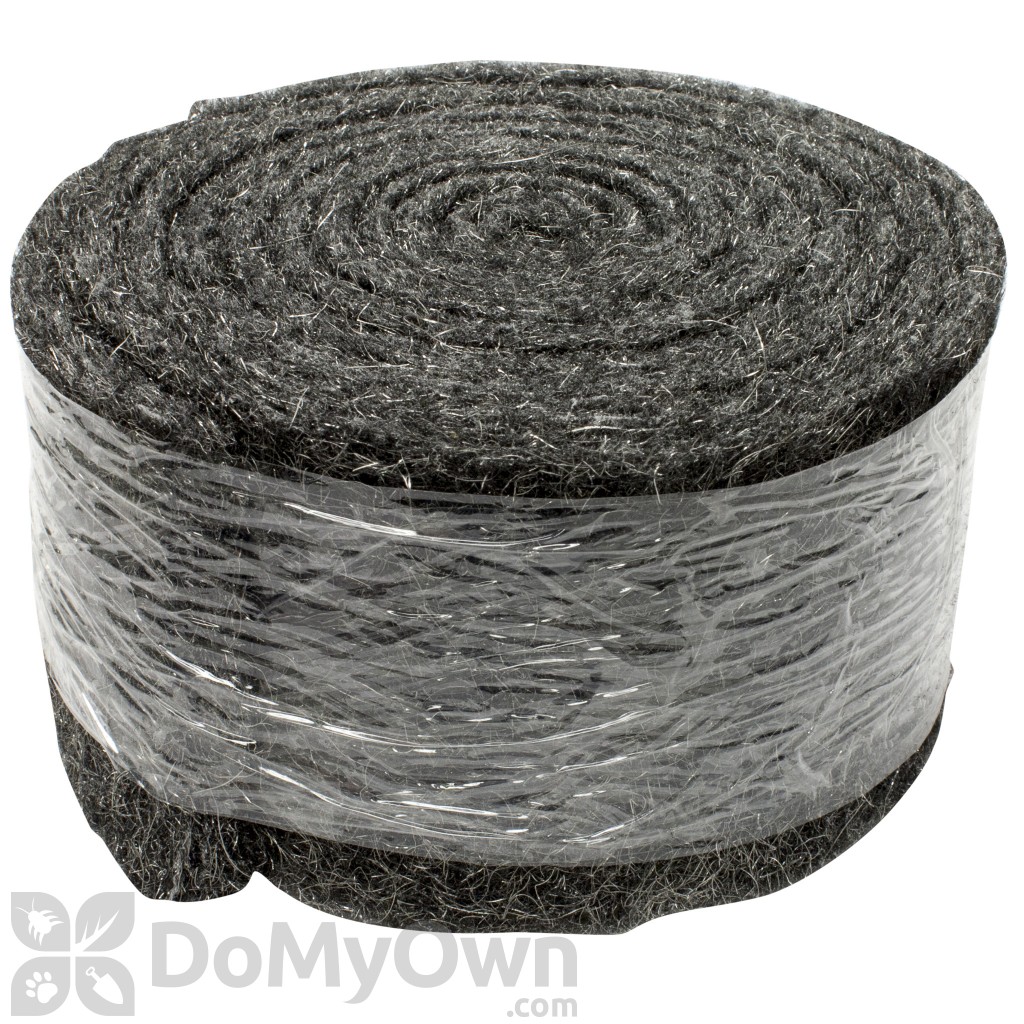
🛒🥈 Professional Exclusion Tools: This is a must when closing entry points for mice and rats in your home! 👇👇 Check Prices Now on DoMyOwn Pest Control 👇👇
Moving From Detection to Elimination
Finding where mice hide is only half the battle. To stop them permanently, you must combine targeted interior trapping with aggressive exterior exclusion lines.
Step 1: Secure the Exterior Foundation Lines
If you do not stop new mice from entering the perimeter, your interior trapping efforts will fail. Walk the exterior of your home and inspect the foundation. Pack all gaps, weep holes, and utility penetrations tightly with stainless steel coarse wool or heavy-duty copper mesh. Backfill the mesh completely with a premium, hard-drying elastomeric sealant. Avoid using cheap expanding foam, as mice can easily chew through it to open the path back up.
Step 2: Deploy Perimeter Defense Stations
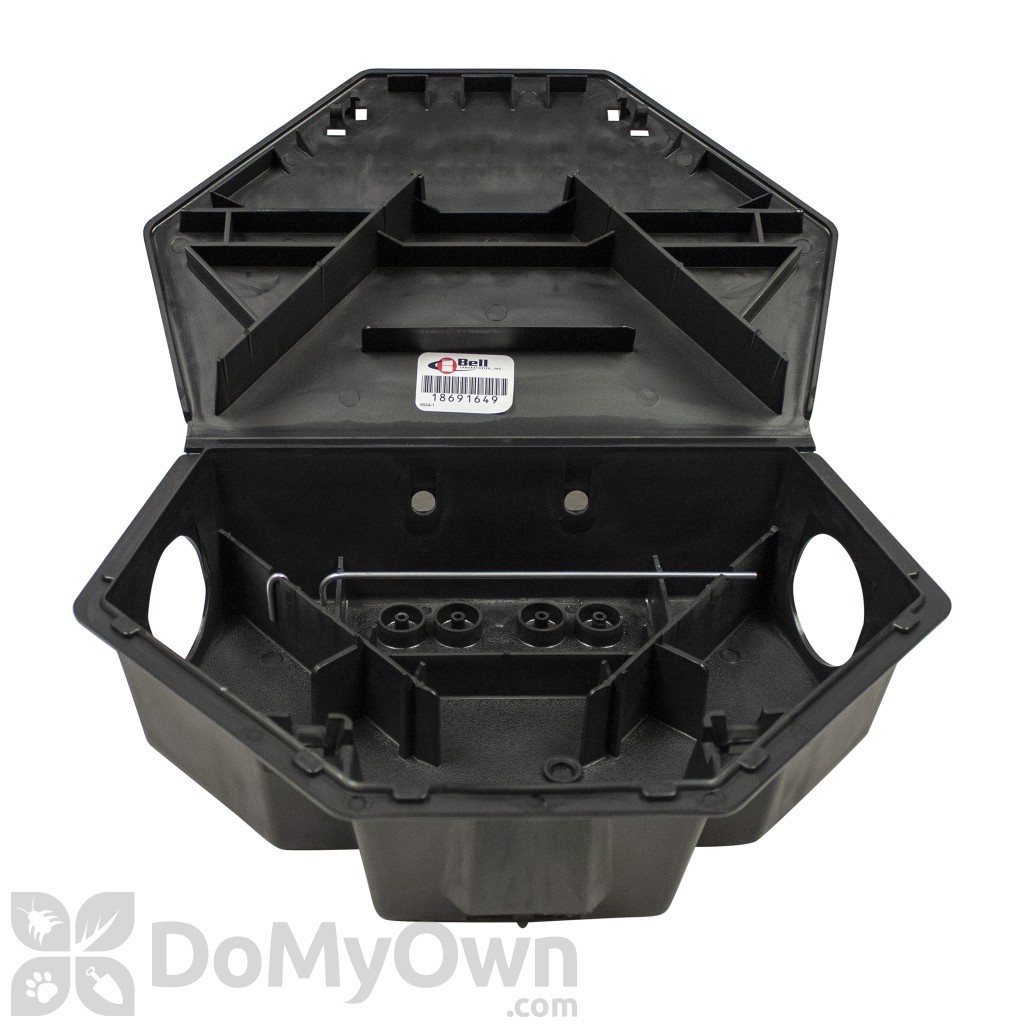
To drop the rodent pressure before they ever make it inside your crawlspace or attic, professionals install tamper-resistant bait stations along the exterior foundation walls. These locked boxes protect the bait blocks from weather, pets, and non-target wildlife while giving foraging mice an immediate, highly attractive food source outside the home.
🛒🥇 Professional Perimeter Defense: Protecta LP Bait Stations are the Industry Standard for Exterior Protection. 👇👇 Check Availability and Prices on DoMyOwn Pest Control Now 👇👇 Pro-Tip: Install At Least 1 on Each Side of Structure for Best Results
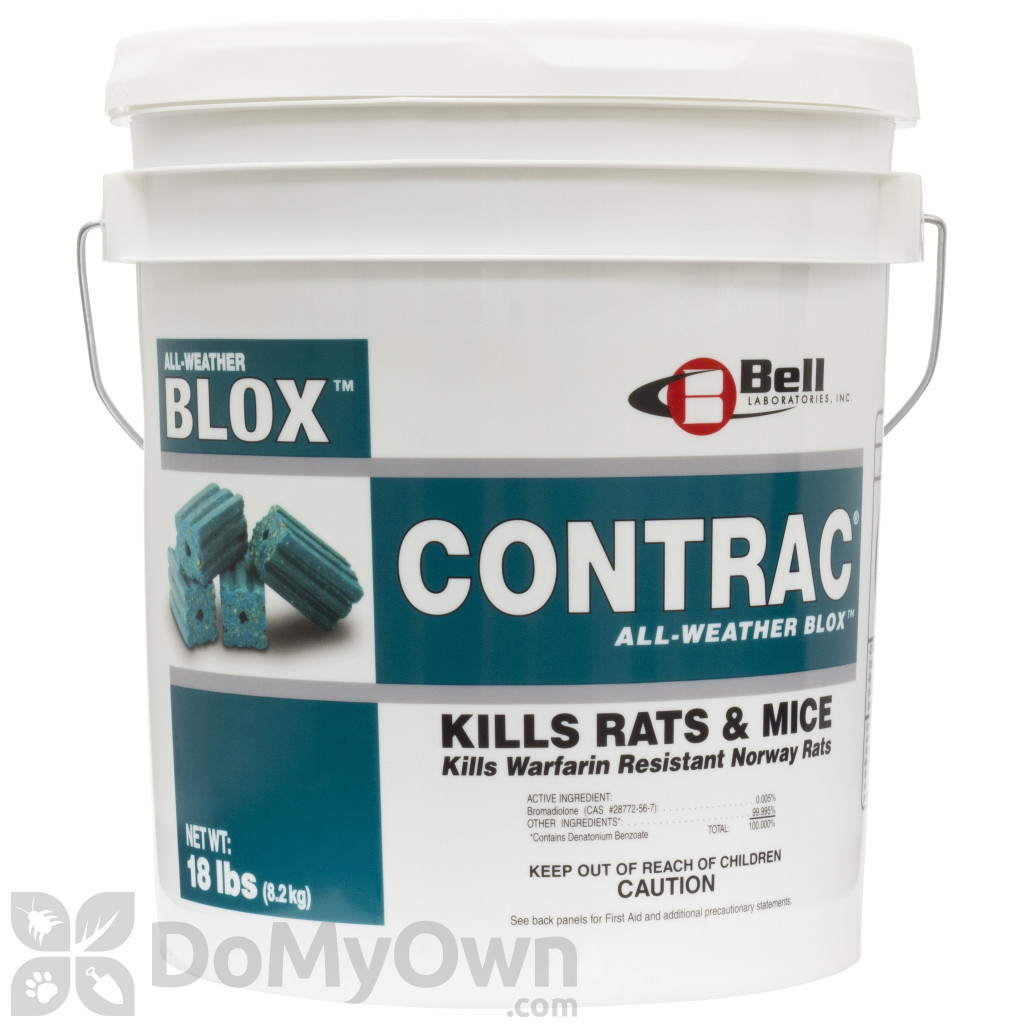
🛒🥇 Professional Rodent Bait, Field Tested and Approved. This is Our Go-To for Everyday Use. 👇👇 Check Prices on DoMyOwn Pest Control Now 👇👇
Step 3: Clear the Interior Runways
Once the exterior is locked down, place heavy rows of professional plastic snap traps directly inside the hidden zones you discovered—especially behind kitchen appliances and inside utility closets. Position the triggers directly flush against the baseboards to ensure immediate capture when they emerge to forage.
The Bottom Line
Mice are creatures of habit. They hide in the dark, warm spaces of your home because those areas offer safety and easy access to food pathways. By learning how to read the physical signs of their runways and executing a tight exclusion plan with professional-grade materials, you break their travel patterns and reclaim your home permanently.