Last Updated on July 24, 2026 by Tim L. | Founder of Pest Control Playbook
Tiny Ants in Your Kitchen? Here’s What’s Really Going On
With over 30 years of hands-on pest control experience, I can tell you this — when ants show up in the kitchen, they’re not there by accident.
Your kitchen provides everything ants need to survive and thrive:
- Food
- Water
- Shelter
- Easy access points
And once a few ants find a food source, they leave behind invisible pheromone trails that lead the rest of the colony straight into your home.
The good news is that when homeowners are having ants in the kitchen, it is usually very manageable once you understand what’s attracting them and how to properly eliminate the colony.
Why Ants Love Kitchens
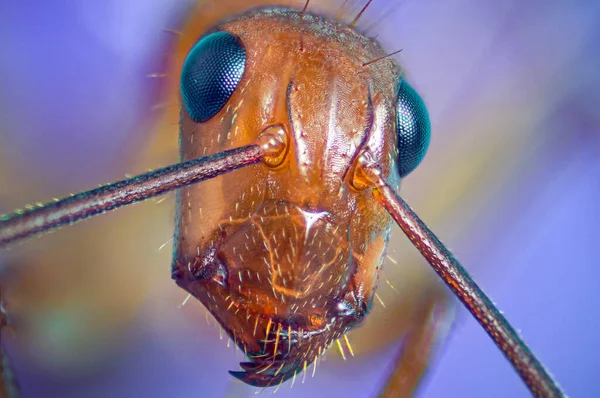
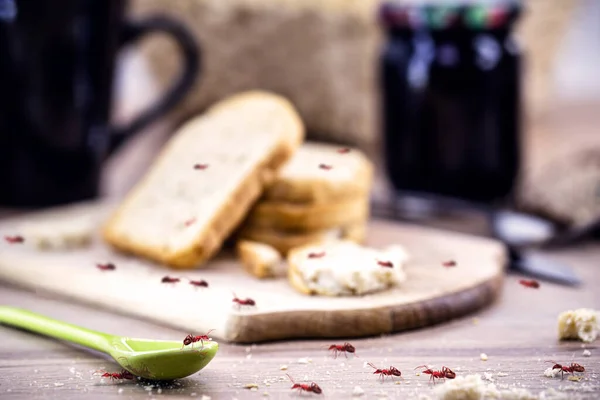
Kitchens are one of the most common places for ant infestations because they offer a constant supply of crumbs, moisture, and hidden food sources.
Even clean kitchens can attract ants.
Common attractants include:
- Sugar spills
- Pet food
- Grease residue
- Fruit left on counters
- Sticky drink spills
- Garbage cans
- Moisture under sinks
- Dirty dishes left overnight
Ants are extremely efficient scouts. A single ant can locate food and quickly alert thousands moreby returning to the next, leaving behind a pheromone trail that tells the other ants, “We found the buffett!”
That’s why you may suddenly wake up to a full trail of ants seemingly appearing overnight.
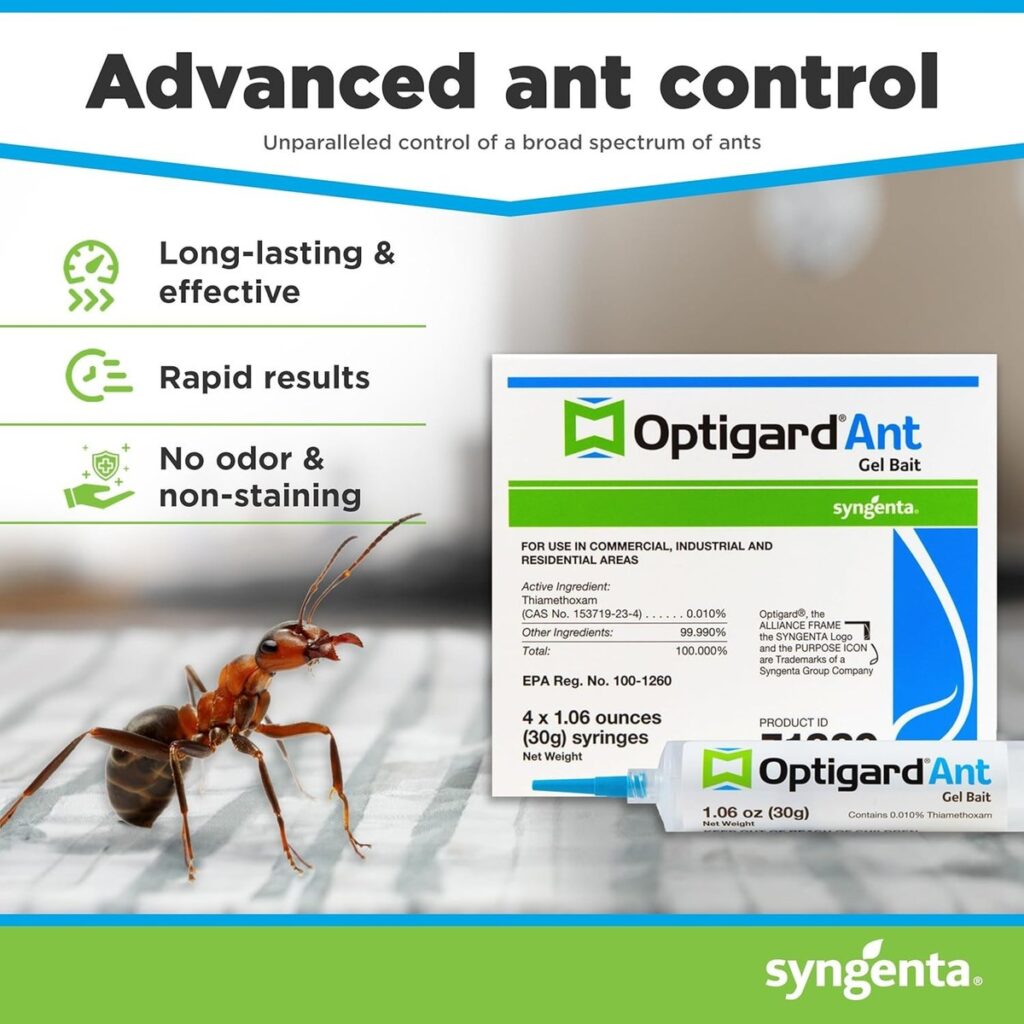
🛒👇🛒👇 This is a Great Ant Bait That is Field Tested and Approved! 👇🛒👇🛒
Common Kitchen Ants Homeowners See
Odorous House Ants
These are tiny dark ants often found around sinks, countertops, and dishwashers.
When crushed, they give off a strange odor many people describe as rotten coconut.
They are one of the most common indoor kitchen ants.
Pavement Ants
Pavement ants often enter homes through cracks near foundations and windows.
They commonly search kitchens for crumbs and greasy foods.
Pharaoh Ants
These tiny yellowish ants are harder to eliminate and often spread if sprayed incorrectly.
Professional baiting methods usually work best for these ants.
Why Ants Keep Coming Back
Many homeowners make the mistake of only killing the ants they can see.
Unfortunately, that rarely solves the actual problem.
The visible ants in the kitchen are usually just worker ants searching for food while the colony remains hidden:
- Inside walls
- Under floors
- Beneath foundations
- Outside near the home
Unless the colony is eliminated, new worker ants will continue returning. It is nearly impossible to kill a colony of ants with sprays alone. Bait is a must!
The Biggest Mistake Homeowners Make
One of the biggest mistakes is using too much spray.
Strong sprays may kill visible ants in the kitchen quickly, but they can also prevent ants from carrying bait back to the colony.
In some species, spraying can actually split the colony into multiple smaller colonies, making the infestation worse.
This is especially common with Pharaoh ants.
How to Get Rid of Ants in the Kitchen
1. Eliminate Food Sources
Start with sanitation.
Wipe down:
- Counters
- Cabinets
- Appliances
- Floors
- Pantry shelves
Store food in sealed containers whenever possible.
Even tiny crumbs can sustain an ant colony.
2. Fix Moisture Problems
Many ants are strongly attracted to water sources.
Check for:
- Leaky pipes
- Damp areas under sinks
- Standing water
- Wet sponges
- Condensation around appliances
Reducing moisture removes a major attractant.
3. Use Ant Baits Properly
In most cases, baiting works better than spraying.
Worker ants carry bait back to the colony, helping eliminate the source of the infestation.
For best results:
- Place bait near trails
- Avoid spraying near bait stations
- Be patient
- Allow ants to feed
It may look worse before it gets better because more ants are drawn to the bait initially.
That’s normal.
👉💰👉 PRO TIP! Want to know more about the Best Ant Baits? Read More HERE
4. Seal Entry Points
Ants can enter through incredibly small openings.
Inspect around:
- Windows
- Door frames
- Plumbing penetrations
- Utility lines
- Baseboards
Use caulk to help reduce access points.
Natural Remedies: Do They Work?
Some homeowners try:
- Vinegar
- Lemon juice
- Cinnamon
- Peppermint oil
These may temporarily disrupt ant trails, but they usually do not eliminate the colony.
Natural methods can help as part of prevention, but severe infestations often require baiting or professional treatment.

When to Call a Professional
You may want professional help if:
- Ants keep returning despite treatment
- Multiple rooms are affected
- You cannot locate the source
- The infestation is rapidly growing
- You suspect carpenter ants
Persistent infestations often require identifying the exact species and targeting the colony directly.
Final Thoughts
Having Ants in the kitchen is frustrating, but they’re also extremely common.
The key is understanding that the ants you see are only part of the problem.
Long-term control usually requires:
- Removing food sources
- Reducing moisture
- Using bait correctly
- Eliminating the colony itself
With the right approach, most kitchen ant problems can be brought under control fairly quickly.
About The Author
As the founder of Pest Control Playbook, I have more than 30 years of hands-on experience in the pest control industry. Drawing from real-world field work in residential and commercial settings, the goal of this site is to provide homeowners with practical, straightforward pest control advice that actually works.