Last Updated on September 15, 2026 by Tim L. | Founder of Pest Control Playbook | Reviewed for Scientific Accuracy by our Co-Founder, an Associate Certified Entomologist (ACE)
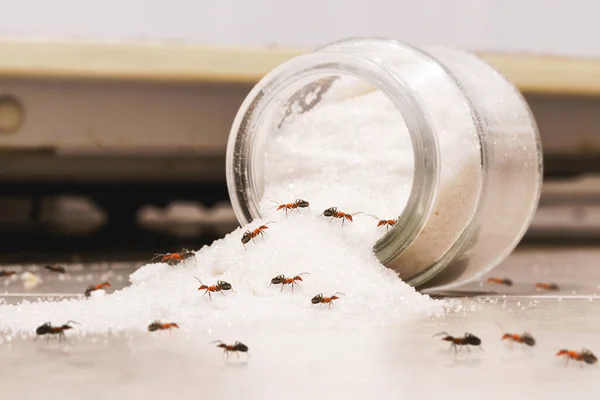
Discovering a line of ants marching along your baseboards or swarming your kitchen counter is frustrating, but dealing with them inside an apartment or condominium introduces a unique set of structural challenges. Many renters make the mistake of treating their living space like an isolated house. They grab a retail spray, blast the visible trail, and assume the problem is solved—only for the ants to return in greater numbers a few days later.
In multi-family housing, an ant infestation is rarely confined to a single unit. Because apartments feature dense, interconnected networks of hidden utilities and shared walls, a colony nesting deep within the building structure can easily forage across multiple floors.
To eliminate apartment ants permanently, you must look past your individual rooms and deploy a tactical treatment strategy that neutralizes the entire multi-unit network at its biological source.
Quick Answer: How Do I Eliminate Ants in an Apartment Permanently?
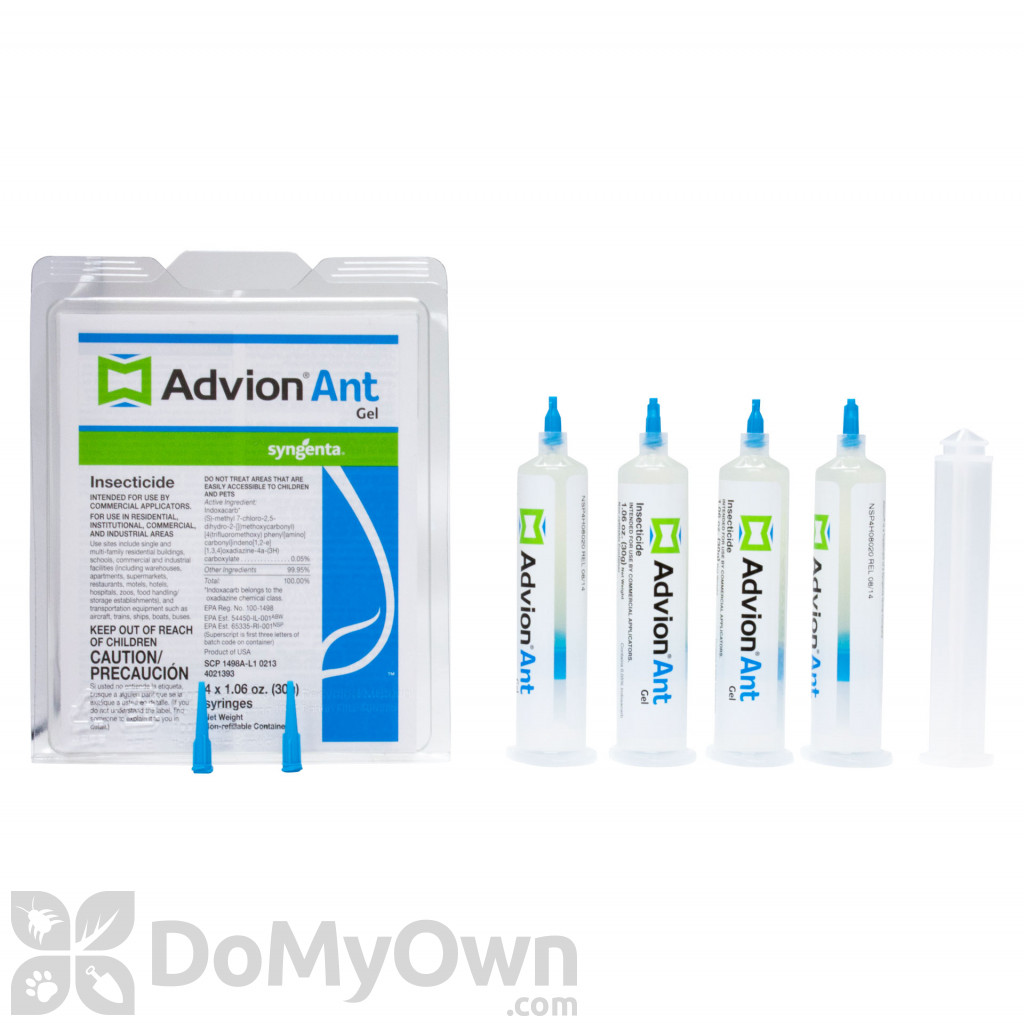
Apartment ants cannot be controlled with standard retail aerosol sprays because repellent chemicals trigger “budding,” which causes multi-queen colonies to fracture and spread into adjacent walls. To get rid of them for good, you must thoroughly clean hidden food crumbs, seal the gaps around incoming plumbing lines beneath your sinks, and deploy a professional-grade, non-repellent gel bait like Advion Ant Gel near active trails. The foraging workers will safely ingest the slow-acting bait, transport it through shared utility lines, and distribute it directly to the hidden queens, destroying the entire building-wide colony.
💡 Professional Affiliate & Editorial Disclosure
Some links on this page are affiliate links, meaning a small commission may be earned on recommended professional-grade products (like pressurized backpack sprayers or commercial baits) at no extra cost to you.
Why Apartments Are Highly Vulnerable to Persistent Ant Infestations
Multi-unit residential buildings create an ideal incubator for ant colonies. If you want to stop them, you have to understand how they exploit apartment architecture:
- Shared Walls and Utility Corridors: The hollow voids behind your drywall serve as a highway network for insects. Ants travel effortlessly through plumbing chases, electrical conduits, and shared heating ducts. A colony nesting inside the walls of one unit can forage into adjacent units and the apartments directly above and below without ever stepping into a public hallway.
- Localized Structural Moisture: Multi-unit structures frequently experience hidden moisture faults, such as slow pipe seeps under sinks, unsealed window frames, or commercial AC condensation lines. These hidden water pockets supply the exact humidity and hydration ants require to sustain vast colonies.
- Abundant, Concentrated Food Sources: Dozens of households living under a single roof mean a constant supply of food debris. Stray pet kibble left out overnight, unwashed trash bins, and hidden grease deposits behind stoves across various units create an endless forage buffet for scout ants.
👉👉 Seeing Ants Outside Your Apartment? Learn how to kill the colonies now! Read THIS
Common Apartment Ants and How to Spot Them
You must identify what species is invading your unit before applying treatments. Using the wrong tactic against certain species will backfire drastically.
Odorous House Ants
These are small, dark brown to black ants that trail heavily along baseboards, carpet edges, and sink basins. They are highly drawn to sweet foods and consistent moisture.
- The Field Test: If you crush one between your fingers, they release a pungent, chemical odor that smells exactly like rotten coconuts. They build vast supercolonies with hundreds of thousands of workers and multiple reproducing queens.
Pharaoh Ants
Pharaoh ants are ultra-tiny, semi-translucent ants that range from pale yellow to light reddish-brown. They nest almost exclusively indoors within warm wall voids, behind electrical faceplates, and inside linens.
- The Critical Danger: Pharaoh ants are notoriously difficult to control. You must never use retail chemical sprays around them. Spraying them causes the colony to instantly panic and execute a survival process called “budding,” where the colony breaks into multiple sub-colonies throughout your apartment walls, multiplying your pest problem overnight.
Pavement and Carpenter Ants
Ground-floor apartments often see pavement ants raiding kitchens for grease and proteins, while larger carpenter ants excavate damp timber, signaling potential water damage inside the building walls.
🛒🥇 This is the EXACT Ant Gel Bait that We Use in the Field, with quick results! 👇👇 Check Prices and Availability 👇👇 on DoMyOwn Now 👇👇
The Playbook Strategy: Step-by-Step Apartment Eradication
To permanently eliminate apartment ants, seal plumbing entry gaps, manage food sources, and apply a professional non-repellent gel bait like Advion Ant Gel Bait near active trails to target the colony at its source. For the best affiliate product deals and recommendations, check availability on major retail platforms.
Drawing on our combined 40+ years of professional pest control experience, including expertise from our co-founder who is an Associate Certified Entomologist (ACE), utilizing this non-repellent baiting method remains the most effective way to address complex multi-unit infestations.