Last Updated on September 9, 2026 by Tim L. | Founder of Pest Control Playbook | Reviewed for Scientific Accuracy by our Co-Founder, an Associate Certified Entomologist (ACE)
Understanding the German cockroach (Blattella germanica) life cycle is the single most critical factor in achieving successful, long-term elimination. Many homeowners expect a severe cockroach infestation to completely vanish within 48 hours of an initial treatment. However, biological timelines dictate otherwise.
A temporary continuation of insect activity post-treatment is normal. A deep understanding of structural entomology explains why new generations emerge and how strategic pest management actively breaks their reproductive momentum.
Why the Life Cycle Matters in Structural Pest Control
German cockroaches reproduce at an exponential rate that far outpaces almost any other structural household pest. A single breeding pair can spark an infestation numbering in the thousands within a matter of months.
Professional pest control strategies do not simply target the visible, foraging adult population. True eradication relies on interrupting the developmental stages of the hidden colony to crash the breeding cycle entirely.
💡 Professional Affiliate & Editorial Disclosure
Some links on this page are affiliate links, meaning a small commission may be earned on recommended professional-grade products (like pressurized backpack sprayers or commercial baits) at no extra cost to you.
🥚 1. The Egg Stage (The Ootheca)
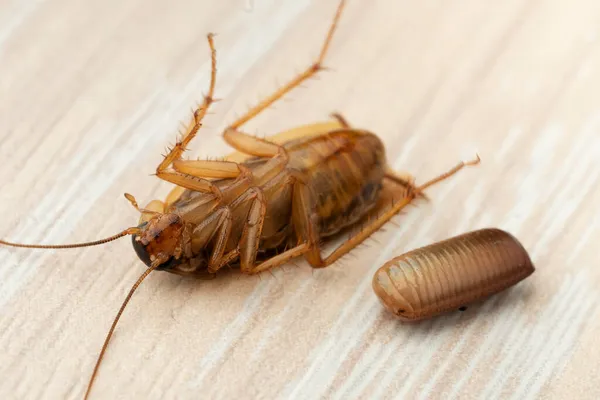
The life cycle begins with the egg capsule, scientifically known as an ootheca.
- Protective Carrying: Unlike other structural cockroach species that drop their egg cases prematurely, the female German cockroach carries the ootheca attached directly to the rear of her abdomen. She retains this capsule until roughly 24 to 48 hours before hatching occurs, providing the developing embryos with protection against environmental hazards and chemical contact sprays.
- Colony Capacity: A single German cockroach ootheca typically contains between 30 and 40 developing nymphs.
- Incubation Period: Depending closely on ambient indoor temperatures and relative humidity, the incubation phase spans approximately 14 to 28 days.
Because the female keeps the egg case protected deep within inaccessible structural harborages, traditional chemical broadcast sprays rarely impact the unhatched generation. This survival mechanism is why infestations frequently appear to rebound a few weeks after an initial chemical treatment.
🪳 2. The Nymph Stage (The Growth Phase)
When the ootheca splits open, tiny, translucent juveniles called nymphs emerge.
- Appearance: Nymphs resemble miniature adults but completely lack wings and feature a much darker, near-black coloration with a distinct light stripe running down their backs.
- The Molting Process: To grow, a cockroach must shed its rigid exoskeleton through a process called instar molting. German cockroach nymphs progress through 6 to 7 distinct instar stages, shedding their outer skins each time they outgrow them.
- Maturation Timeline: Under optimal indoor conditions (70°F to 80°F with accessible moisture), nymphs reach full reproductive maturity within 40 to 60 days.
During these active growth stages, nymphs forage heavily for organic matter, grease, and food debris. This aggressive feeding behavior makes properly formulated gel baits incredibly effective during the nymphal phase.
🦅 3. The Adult Stage (The Reproductive Engine)
Upon completing their final molt, the insects emerge as fully formed adults.
- Identification: Adult German cockroaches measure roughly 1/2 to 5/8 of an inch in length, boast a light brown or tan coloration, and feature two prominent, dark parallel stripes running longitudinally down the pronotum (the shield-like structure just behind the head).
- Reproductive Capacity: Adult females live for approximately 4 to 6 months. During this lifespan, a single female can produce 4 to 8 oothecae.
- Overlapping Populations: Because reproduction is continuous indoors, an established infestation will simultaneously contain overlapping generations of eggs, developing nymphs, and mature adults within the same nesting harborages.
👉👉 Does Seeing One Roach Mean You Have an Infestation? Read THIS Article Now
📊 The Developmental Timeline
| Life Stage | Duration / Capacity | Key Behavior / Control Vulnerability |
|---|---|---|
| Egg (Ootheca) | 14–28 days incubation; 30–40 eggs per case. | Carried by female; highly protected from contact aerosols. |
| Nymph (Juvenile) | 40–60 days; undergoes 6–7 molts. | Forages aggressively; highly susceptible to baiting and IGRs. |
| Adult (Mature) | Lives 4–6 months; produces up to 8 egg cases. | Drives population growth; must be eliminated to halt reproduction. |
Environmental Accelerants: Temperature and Foraging
The velocity of the German cockroach life cycle is directly tied to the surrounding environment. In commercial kitchens, heated restaurants, multi-family apartment complexes, and unventilated utility areas, elevated temperatures accelerate the molting process.
When high ambient heat pairs with poor sanitation—such as standing water, structural grease accumulation, or uncovered trash containers—the reproductive timeline compresses to its absolute minimum limits, triggering rapid population explosions.
Strategic Eradication: Breaking the Breeding Cycle
Our 42 combined years of professional field experience have proven that relying on a single control methodology will not solve a German cockroach problem. Eradication requires a multi-tiered approach that attacks the life cycle from every angle:
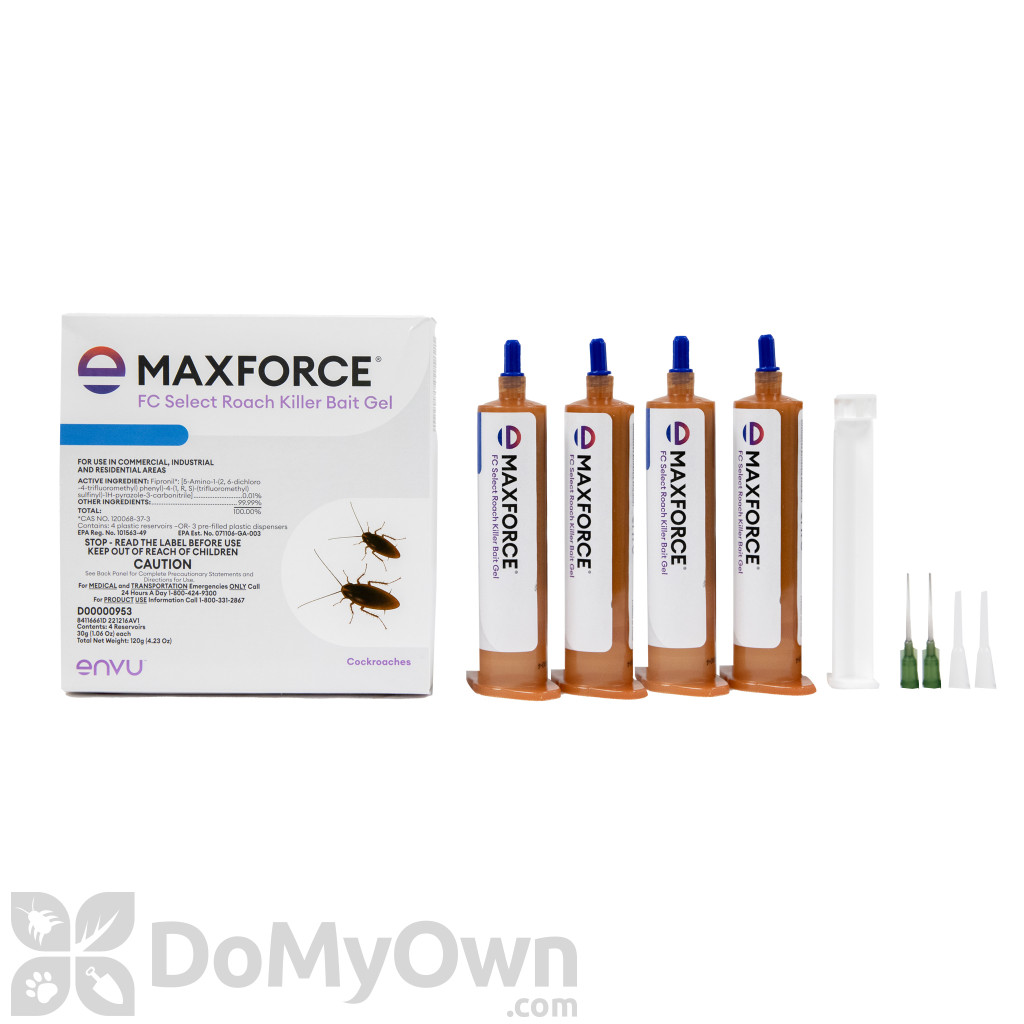
- Nutritional Disruption (Gel Baits): High-palatability gel baits attract foraging nymphs and adults. The slow-acting active ingredients allow the insects to return to dark wall voids and transfer the toxin to the resting population via grooming and cannibalism (horizontal transfer).
- Developmental Interruption (IGRs): Insect Growth Regulators (IGRs) are absolute necessities in roach control. These specialized compounds mimic natural juvenile hormones, locking nymphs into their current instar stage and preventing them from molting into fertile, reproducing adults.
- Physical Sanitation: Eliminating competing food matrices forces both nymphs and adults to feed exclusively on your bait placements, accelerating the collapse of the colony.
Seeing small nymphs a few weeks after a thorough treatment does not mean the protocol failed. It indicates that egg cases present before the treatment have successfully hatched. As long as fresh bait remains accessible and IGR layers are left undisturbed, these nymphs will ingest the product and die before they can seed the next generation.
🛒🥇 We Use Maxforce FC Roach Bait in the Field with Great Results! 👇👇 Check Availability on DoMyOwn Now 👇
📖 Frequently Asked Questions
How long does it take to break the German cockroach breeding cycle?
Complete eradication typically requires 30 to 60 days. This timeline ensures that adult populations are eliminated by baits while younger nymphs hatching from protected egg cases are systematically exposed to active baits and Insect Growth Regulators before they can reach reproductive maturity.
Do traditional bug bombs eliminate cockroach eggs?
No. Over-the-counter total release foggers (bug bombs) utilize synthetic pyrethroids that do not penetrate the protective, chitinous shell of a female’s ootheca. Furthermore, the airborne particles fail to reach deep into structural cracks and wall voids, often scattering the live population deeper into the building infrastructure.
Why do some nymphs appear crinkled or misshapen after treatment?
This is a visual confirmation that your Insect Growth Regulator (IGR) is working perfectly. IGRs disrupt the chitin synthesis during the molting phase, causing the wings of maturing nymphs to twist, crinkle, and deform. These deformed adults are completely sterile and incapable of reproducing.
About The Author
Backed by 42 combined years of hands-on structural pest control experience, Pest Control Playbook delivers field-tested, scientifically grounded strategies for homeowners. For complex residential or commercial infestations, please consult your local Pest Control Professional.