Last Updated on September 15, 2026 by Tim L. | Founder of Pest Control Playbook | Reviewed for Scientific Accuracy by our Co-Founder, an Associate Certified Entomologist (ACE)
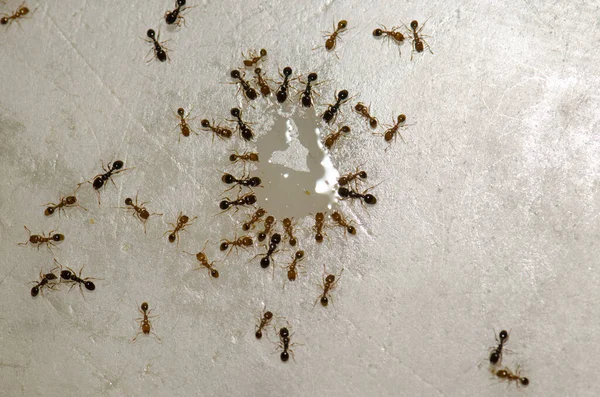
You set out the bait stations. You waited patiently. Yet, days later, the ants are still marching across your kitchen counters like you threw them a welcome party.
Few things are more frustrating than spending money on high-quality pest control products only to watch the target insects crawl right past them without taking a single bite.
In our 40 years of combined pest control and entomology experience, our team has diagnosed thousands of failing baiting programs. When professional ant bait fails, it is almost never because the product is defective. Instead, it comes down to a clash between simple application errors and complex ant biology.
The good news is that once you understand why the colony is ignoring your placements, the solution is straightforward.
💡 Professional Affiliate & Editorial Disclosure
Some links on this page are affiliate links, meaning a small commission may be earned on recommended professional-grade products (like pressurized backpack sprayers or commercial baits) at no extra cost to you.
⚡ The Quick Answer
- The Main Culprit: Ant bait failure is usually caused by chemical contamination (like spraying over-the-counter repellents or using harsh bleach near the bait) or mismatched dietary needs.
- Ant Biology: Ants constantly shift their nutritional demands between sugars (carbohydrates for fast energy) and proteins (for larval development and the queen). If you offer sugar to a protein hunter, they will walk right past it.
- The Golden Rule: Stop all chemical spraying immediately. Keep your bait placements fresh, clean, and positioned directly against structural edges or active trails rather than out in the open.
🧠 How Professional Ant Bait Actually Works
To troubleshoot a failing system, you have to look at the mechanism behind it. Professional ant baits rely entirely on a social behavior called trophallaxis (mouth-to-mouth food sharing).
Foraging workers do not eat the bait to kill themselves immediately. The active ingredients are formulated with a delayed-action design. The workers consume the liquid or gel, store it in their secondary “social stomach,” and walk it back deep into the underground nest. There, they regurgitate and feed the slow-acting poison to the larvae and the queens.
If this chain of food transfer is broken at any point, the entire treatment program collapses.
🚨 The 6 Main Reasons Your Ant Bait is Failing
1. A Repellent Spray Contaminated the Treatment Zone
If you sprayed a standard aerosol can (like Raid or Hot Shot) to kill a few visible ants before putting your bait down, you ruined the area. These over-the-counter sprays contain synthetic pyrethroids that act as powerful physical repellents. They leave a chemical residue that warns the colony away. When that chemical odor drifts onto your fresh gel bait, it completely masks the food attractants.
- The Fix: Lock the sprays away. Clean the contaminated surfaces thoroughly with mild soap and warm water—never chemical cleaners—and reapply fresh bait.
2. You Are Feeding Sweets to a Protein Hunter
An ant colony’s dietary needs change based on the lifecycle of the nest. When the queen is actively laying eggs and the larvae are growing, the colony hunts exclusively for proteins and fats (like grease or meat). If your bait is entirely sugar-based, the scouts will completely ignore it because the nest cannot use it.
- The Fix: Run a side-by-side taste test. Place a tiny drop of sweet gel bait right next to a small smear of peanut oil or protein bait. See which drop the ants swarm, then deploy that specific formula.
🛒🥇 The Professional’s Choice: Dual-Action Baiting
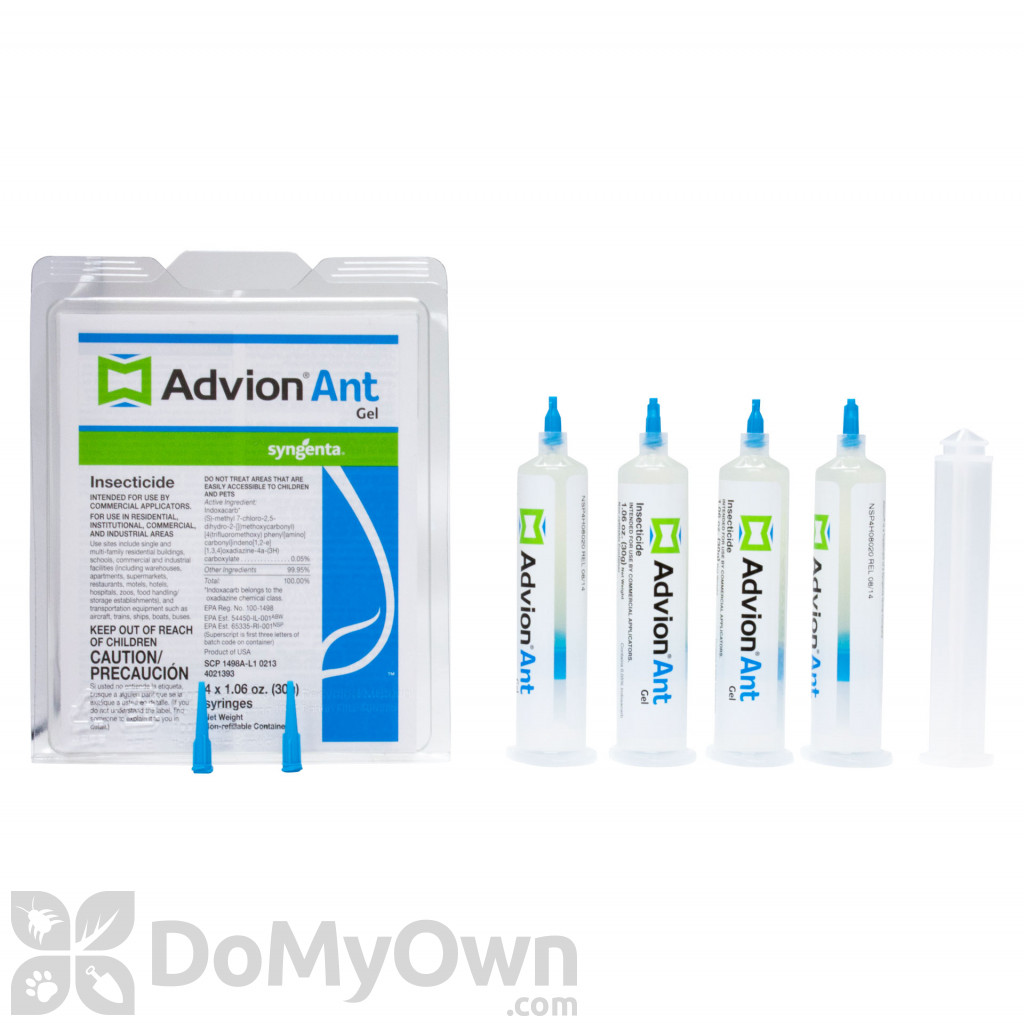
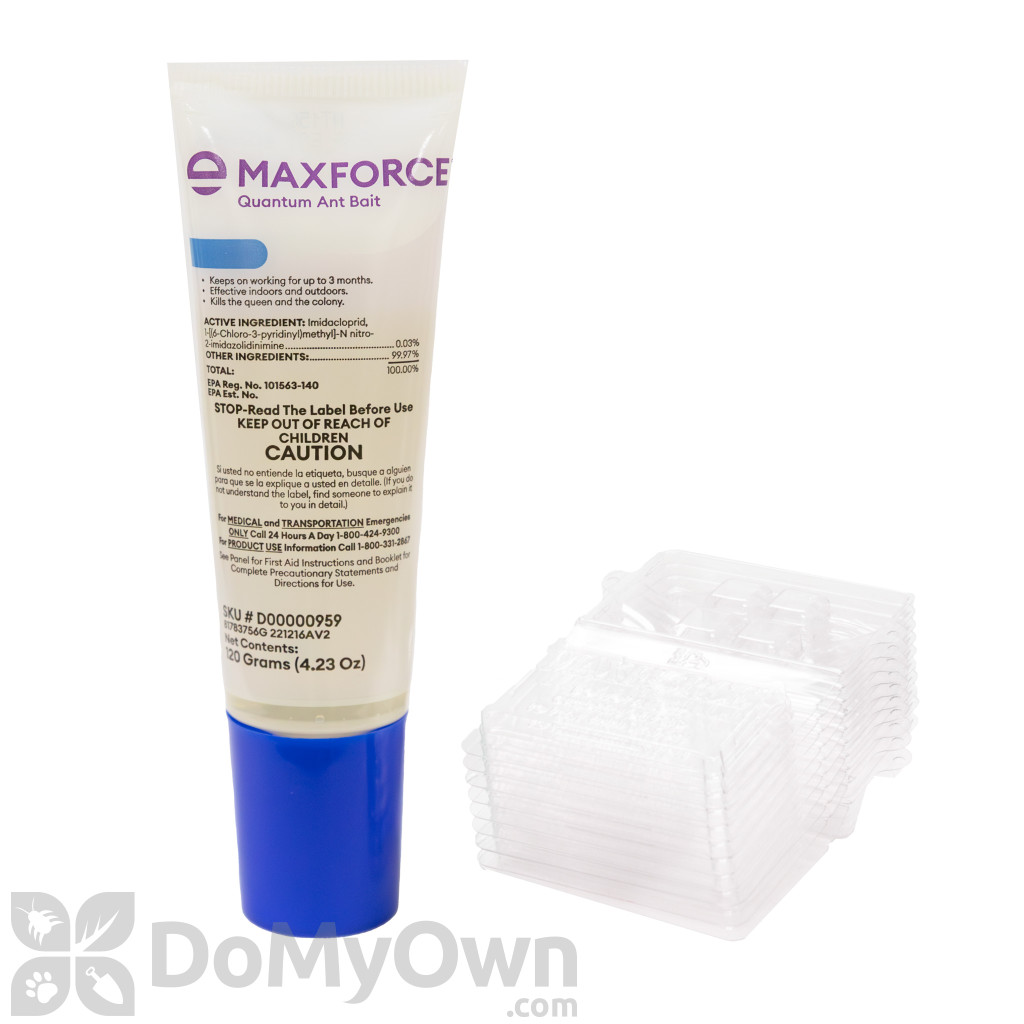
To beat shifting dietary preferences, we always recommend using a dual-choice system. The Advion Ant Bait Gel is the industry standard for sweet-loving ants, utilizing a highly attractive sugar matrix paired with a powerful, slow-acting non-repellent active ingredient. To cover your bases for protein hunters, pairing it with Maxforce Quantum Ant Bait or a solid granule gives the colony exactly what they are foraging for, no matter the season. You can grab these professional-grade formulas directly from Do My Own Pest Control to get the exact tools the pros use. 🛒👇👇👇👇🛒
3. The Bait Placements Avoid Natural Edges
Ants do not like walking across open, exposed spaces like the center of a floor or the middle of a countertop. They are blind or have poor eyesight, so they navigate using their antennae against physical guiding lines. They follow invisible pheromone trails tucked tight against baseboards, grout lines, cabinet corners, and carpet edges.
- The Fix: Apply pea-sized drops or place stations directly inside structural corners, along windowsills, and exactly where utility pipes enter the wall voids beneath your sinks.
4. The Bait Has Dried Into a Hard, Crusty Shell
Gel baits rely heavily on moisture to stay palatable. Over time, exposure to indoor heating, air conditioning, or direct sunlight pulls the water out of the gel matrix. Within 7 to 10 days, the drop turns into a hardened, glassy crust that the ants can no longer chew or digest.
- The Fix: Monitor your bait drops weekly. If the gel has hardened or gathered dust, scrape it away with a putty knife and place fresh, moist drops in the exact same trail line.
5. The Colony has “Budded” and Multiplied
Certain persistent indoor species—like Pharaoh ants, Argentine ants, and Odorous House ants—have multiple queens per nest. When they detect a hostile chemical threat like a household spray or bleach, they trigger a survival response called budding. The queens split up, take a handful of workers and larvae, and scatter in opposite directions to form several new satellite colonies inside your walls.
- The Fix: Ditch the sprays permanently. Rely 100% on non-repellent baits that circulate through the entire population slowly without triggering an alarm.
6. You Cleaned the Area with Bleach or Pine-Sol
It feels natural to scrub down your kitchen counters with strong disinfectants when you see bugs. However, strong household cleaners emit intense chemical fumes that act as strong repellents. Even worse, they completely strip away the ants’ natural pheromone trails, leaving the disoriented scouts unable to find the bait you just set out.
- The Fix: If you must clean near an active bait site, use plain warm water. Let the ants retain their natural pathways so they can safely navigate straight to your bait placements.
📊 Quick Diagnostic Checklist
| Observation | Probable Cause | Action Step |
|---|---|---|
| Ants walk completely around the bait drop. | Chemical contamination or wrong food matrix. | Wipe away bait, clean with water, switch to a protein/oil formula. |
| The bait swarm disappeared after 48 hours but ants are still alive. | The bait dried out or was eaten completely. | Inspect the placement site; scrape clean and apply fresh, moist drops. |
| The ant population exploded into three new rooms. | Colony budding caused by a repellent contact spray. | Immediately halt all spraying; deploy non-repellent gel baits in all new areas. |
⏱ The Realistic Reality Check: How Long Does It Take?
Baiting requires patience because you are playing the long game against the root of the colony.
- Days 1–3: Expect a temporary surge in activity. You might see more ants than before as scouts recruit their nestmates to the food source. Do not disturb them.
- Weeks 1–2: You will see a significant drop in numbers. The foraging lines will thin out, and you will find dead or sluggish ants near the bait sites.
- Weeks 3–4+: Total colony collapse occurs once the active ingredient successfully eradicates the queens hidden inside the structural wall voids.
👉👉 If you have completely wiped out your indoor infestation and want to ensure they never breach your walls again, check out our next guide on Ants in the Kitchen: Why They Keep Coming Back and How to Stop Them to lock down your structural perimeter.