Last Updated on September 15, 2026 by Tim L. | Founder of Pest Control Playbook | Reviewed for Scientific Accuracy by our Co-Founder, an Associate Certified Entomologist (ACE)
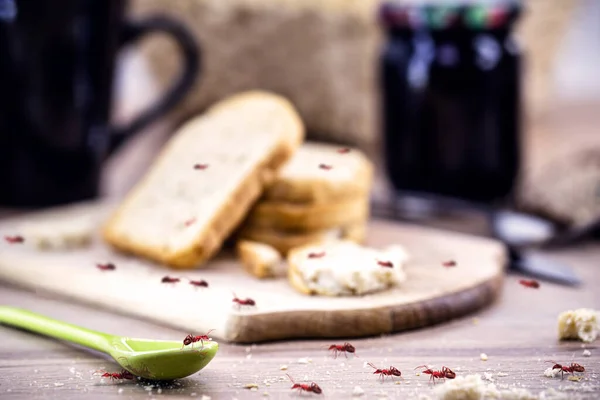
Waking up to an active trail of ants marching across your kitchen counters, scaling your coffee maker, or swarming your sink is an incredibly frustrating experience. Many homeowners find themselves cleaning constantly, scrubbing down surfaces with bleach, yet the ants seem to reappear out of thin air the very next morning.
When ants invade your kitchen, they are not wandering around randomly. Your kitchen is the ultimate biological jackpot for a local colony, providing a highly concentrated source of food, water, and structural shelter.
To break this frustrating cycle permanently, you have to move past basic surface cleaning and execute a targeted treatment strategy that addresses the hidden colony at its biological source.
Quick Answer: How Do I Stop Ants from Coming Back in My Kitchen?
Ants keep returning to kitchens because visible foraging workers leave behind invisible chemical pheromone trails that lead thousands of secondary nest mates directly back to discovered food and water sources. Wiping down counters or using retail contact aerosol sprays only kills the surface workers, failing to eliminate the reproducing queen hidden deep inside walls or underground. To stop them permanently, you must eliminate localized moisture leaks, store pantry items in airtight containers, and place a professional-grade slow-acting gel bait like Optiguard near active trails so workers carry the lethal dose deep back to the core nest.
💡 Professional Affiliate & Editorial Disclosure
Some links on this page are affiliate links, meaning a small commission may be earned on recommended professional-grade products (like pressurized backpack sprayers or commercial baits) at no extra cost to you.
Why Ants Target Kitchens: The Three Main Invitations
To a scout ant, a residential kitchen is a massive buffet. Understanding what keeps drawing them back is critical to breaking their patterns.
- Pheromone Trail Highways: When a solitary scout ant finds a food or moisture source in your kitchen, it doesn’t just eat and leave. It turns around and walks back to the nest, pressing its abdomen against your floors and countertops to lay down a continuous line of volatile chemical markers called pheromones. This invisible scent trail acts as a perfect GPS highway, allowing thousands of additional worker ants to line up and target the exact same spot within hours.
- Concentrated Food Sources: Ants possess a highly refined sense of smell and complex chemoreceptors on their antennae. Microscopic sugar film left behind by a sticky soda bottle ring, hidden grease splatters behind the stove, overripe fruit on the counter, and open pet food dishes provide easy, calorie-dense nutrition that can sustain an entire colony.
- Accessible Moisture Pockets: Ants require regular water intake to survive and regulate the internal humidity of their nests. Kitchens offer a steady supply of moisture via dripping faucets, slow plumbing leaks underneath the sink, standing water in dishwashers, and wet sponges left on counter ledges.
Common Kitchen Ants Homeowners Encounter
Identifying the correct ant species is crucial because different ants exhibit distinct foraging patterns and dietary preferences.
Odorous House Ants
These are tiny, dark brown to black ants that are frequently found trailing along kitchen baseboards, countertops, and around sink fixtures. They are highly drawn to sweet substances and high-moisture zones.
- The Field Test: If you crush one between your fingers, they release a sharp, pungent odor that closely resembles rotten coconuts. They build vast, multi-queen colonies that require aggressive baiting strategies.
Pavement Ants
Pavement ants are small, dark brown ants that typically nest outdoors under concrete slabs, patios, and driveways. However, they routinely exploit expansion joints and foundation cracks to forage inside kitchen pantries.
- Dietary Preference: Unlike sweet-loving ants, pavement ants are highly attracted to greasy foods, meats, proteins, and dropped pet kibble.
Pharaoh Ants
These are ultra-tiny, semi-translucent yellowish or light orange ants. They are notorious for nesting exclusively indoors within wall voids, electrical outlets, and behind kitchen cabinets.
- The Critical Danger: You must never spray contact insecticides at Pharaoh ants. Spraying them triggers a natural defense mechanism called “budding,” where the single colony panics, splits into multiple sub-colonies throughout your kitchen walls, and makes the infestation ten times worse.
👉👉 What Attracts Ants to Your House? Read THIS Article to Find Out, and How to Stop Them Fast!
The Biggest Mistake: Relying on Retail Aerosol Sprays
When homeowners see ants on the counter, their immediate instinct is to grab a can of retail bug spray and blast the visible trail. This is the single biggest mistake you can make in home pest management.
The visible ants crawling on your kitchen surfaces represent only about 5% to 10% of the total colony population. The rest of the colony—including the reproducing queens, the developing larvae, and thousands of structural workers—remains safely protected deep inside your wall voids, underneath your floors, or outside beneath your foundation.
When you use a harsh, repellent retail spray, you only kill the few foraging workers on contact. The chemical residue cuts off the pheromone trail, preventing the remaining ants from crossing that specific spot temporarily. However, the hidden nest remains completely healthy. Within a few days, the colony will simply route around the sprayed area or seek out new entry points, causing the infestation to pop up on the opposite side of your kitchen.
The Playbook Strategy: Step-by-Step Kitchen Eradication
To eliminate a persistent kitchen ant problem for good, you must use a slow-acting, professional-grade baiting system that leverages the ants’ natural foraging habits against them.
1. Disrupt the Entry Points and Food Chains
- Deep Clean Hidden Zones: Pull out your toaster, microwave, and stove. Wipe down the hidden sides of cabinets where grease splatters and crumbs collect over time.
- Seal the Pantry: Move dry goods, sugars, cereals, and baking supplies into thick, airtight plastic or glass containers.
- Isolate Pet Dishes: Avoid leaving pet food bowls out on the kitchen floor overnight. Pick up the bowls after feeding times and wash the surrounding floor to remove food odors.
- Manage Sinks and Trash: Fix any slow leaks under the kitchen sink, dry out standing water pools, and make sure your kitchen garbage bin has a tight-fitting, secure lid.
2. Deploy Professional-Grade Gel Baits Correctly
Because ants are social insects that share food through a process called trophallaxis (mutual feeding), you want to introduce a highly attractive, slow-acting toxicant that they will carry back into the heart of the nest.
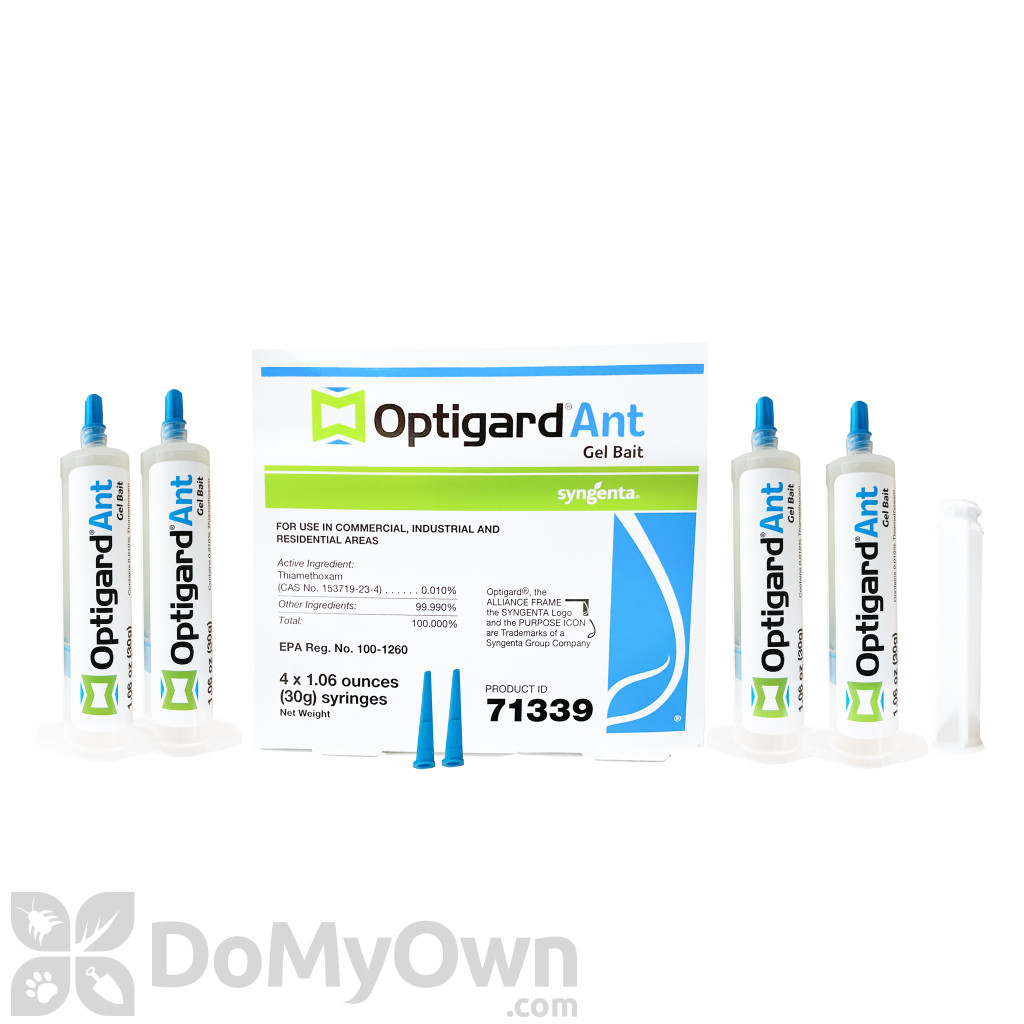
For immediate indoor kitchen control, our top field recommendation is Optiguard Ant Gel Bait.
Unlike messy hardware store powders, Optiguard features a clear, highly palatable sweet matrix that ants find irresistible. Its active ingredient is engineered to kill ants slowly, giving the foraging workers plenty of time to consume the gel, walk back to the hidden nest, and distribute the lethal dose directly to the queen and developing larvae.
🛒🥇 This is the EXACT professional gel bait we trust in the field to eliminate persistent indoor kitchen colonies. 👇👇 Check Prices and Availability on DoMyOwn Now 👇👇
How to Apply it for Best Results:
- Place it Near Active Trails: Squeeze out small, pea-sized dots of the gel bait immediately adjacent to the ant trails you see near baseboards, backsplashes, or under sink plumbing lines. Do not place the bait directly on top of the ants, as this can scare them away.
- Do Not Spray Near the Bait: Keep all household cleaners, bleach wipes, and aerosol bug sprays away from the bait placements. Contaminating the gel with chemical odors will cause the ants to avoid it completely.
- Be Patient: Once the ants discover the Optiguard gel, you will notice a sudden increase in ant activity around the bait dots. This is completely normal and means the bait is working perfectly. Allow them to feed undisturbed so they can transport the bait deep into the walls to wipe out the source of the infestation.
Pro Insights: Summary from 40+ Years of Field Experience
With a combined 40+ years of professional pest control experience, and with our co-founder being an Associate Certified Entomologist (ACE), we have resolved thousands of severe kitchen infestations. The secret to winning the battle against kitchen ants is shifting your focus from the kitchen counters to the hidden nest source.
If you cut off their access to structural moisture, clean away hidden grease deposits, and provide a high-quality, professional-grade gel bait like Optiguard, you allow the ants to do the hard work for you. By executing this systematic playbook approach, you eliminate the entire reproductive colony and keep your kitchen permanently protected.