Last Updated on September 10, 2026 by Tim L. | Founder of Pest Control Playbook | Reviewed for Scientific Accuracy by our Co-Founder, an Associate Certified Entomologist (ACE)
When homeowners discover a cockroach infestation, their first instinct is usually to reach for liquid chemical sprays, aerosol foggers, or retail bait stations. However, one of the most powerful and long-lasting tools in structural pest management is something many people overlook entirely: insecticide dust.
When deployed correctly, insecticide dust treats the deep, inaccessible voids that liquid sprays and surface traps miss completely. It works by enveloping structural cavities with a micro-fine, non-detectable barrier. Our 42 combined years of hands-on professional field experience have proven that dusting cracks and crevices is one of the most effective ways to collapse a hidden cockroach population. The key to success relies entirely on proper application technique and strategic placement.
💡 Professional Affiliate & Editorial Disclosure
Some links on this page are affiliate links, meaning a small commission may be earned on recommended professional-grade products (like pressurized backpack sprayers or commercial baits) at no extra cost to you.
What is Insecticide Dust and How Does It Work?
Insecticide dust is a dry, powder-based formulation engineered to eliminate insects upon physical contact. Unlike liquid residual sprays that break down within weeks due to light, heat, and moisture, professional dusts remain active for months—or even years—if left undisturbed in dry structural voids.
Different formulations target cockroaches through distinct biological mechanisms:
- Desiccant Dusts (e.g., Boric Acid, Diatomaceous Earth): These compounds absorb the waxy, protective lipid layer from the cockroach’s exoskeleton. Once this barrier is compromised, the insect rapidly dehydrates and dies.
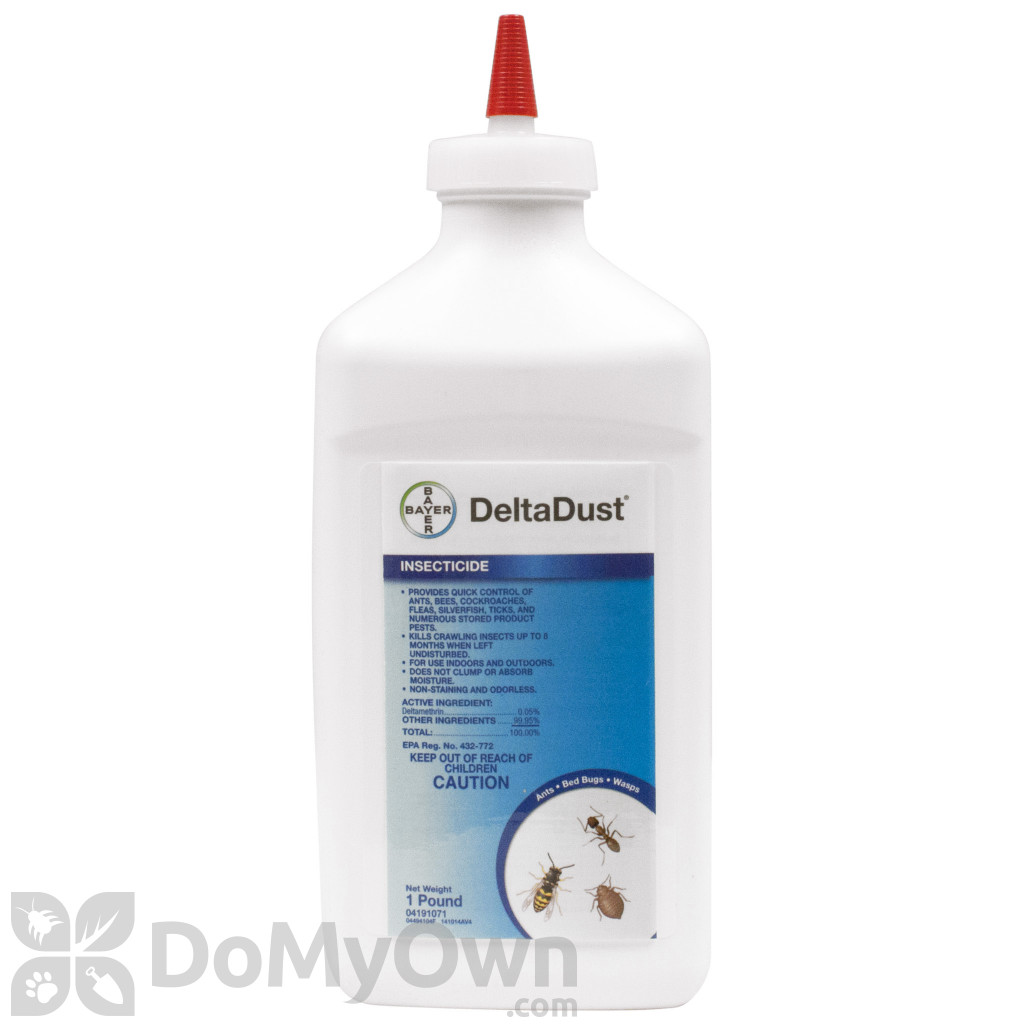
- Synthetic Residual Dusts (e.g., Tempo Dust / Cyfluthrin): These utilize advanced pyrethroid active ingredients that attack the cockroach’s central nervous system upon contact, providing a rapid knock-down effect.
🛒🥇 This is Our #1 Dust that we use in the field on a daily basis. Fast Knockdown and a very long residual. 👇👇 Check Prices and Availability on DoMyOwn Now 👇👇
Cockroaches are highly thigmotactic, meaning they thrive in tight, compressed environments where their bodies make contact with surfaces on multiple sides. They naturally seek out cabinet joints, wall voids, and gaps behind major appliances. As they navigate these tight passages, their bodies collect the microscopic dust particles. Because cockroaches groom themselves meticulously, they inevitably ingest the lethal dose during their natural cleaning cycle.
The Number One Mistake: Over-Application
The most common error made during DIY applications is using far too much product. More is not better.
When insecticide dust is applied in thick, visible piles or heavy white lines, cockroaches will recognize the barrier as an obstruction and simply walk around it. This misapplication can ruin your entire remediation program by scattering the insects into untreated areas of the home.
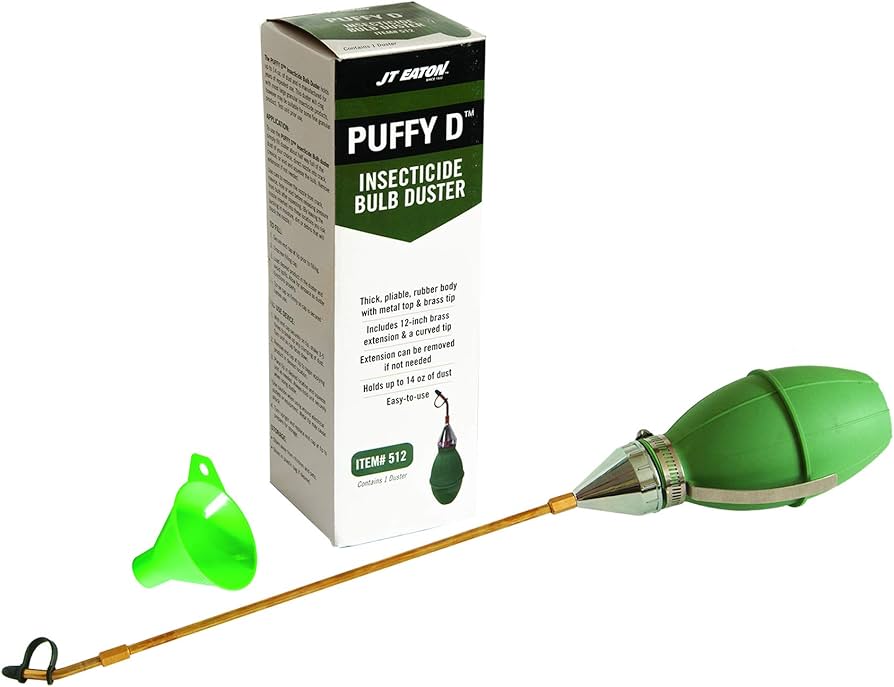
A professional-grade application should be nearly invisible. The goal is to create a micro-fine layer of dust that a cockroach will cross without hesitation. This precise delivery is best achieved using a professional bellows hand duster or a flexible bulb duster.
🛒🥇 A Dust Bulb is a must when applying dust to wall voids. 👇👇 This is our tried and true choice for performance and durability in the field 👇👇
Strategic Placement: Where to Apply Dust
Insecticide dust must never be broadcast across open floors, countertops, or exposed shelving. It belongs strictly inside hidden harborages where roaches travel and rest:
- Behind Refrigerator Compressors: The warm, vibrating motor area behind refrigerators is the primary harborage zone for German cockroaches in residential kitchens. A light, targeted puff of dust behind the appliance creates a long-lasting defensive shield.
- Under Stoves and Ovens: Ambient heat and hidden food grease make the voids beneath cooking appliances high-activity zones. Pulling the bottom warming drawer out allows direct access to the floor joints.
- Around Plumbing Penetrations: The gaps where water lines enter walls under kitchen sinks, behind toilets, and behind washing machines serve as insect highways. Dusting deep into these entry points intercepts roaches traveling between rooms.
- Inside Electrical Wall Voids: Cockroaches frequently nest behind electrical switch plates and outlet boxes. Removing the plastic plates allows a hand duster to inject powder directly into the wall voids where roaches breed undisturbed. Always exercise extreme caution and follow label instructions around electrical connections.
👉👉 Roaches in Your Walls? Read THIS Article Now to find out How a Dust Bulb Kills Roaches Fast
🛠️ Field Execution Checklist
| Equipment Needed | Professional Action Item | Purpose |
|---|---|---|
| Bellows Hand Duster | Fill only halfway; add a small bearing or coin to break up clumps. | Ensures a light, fine puff of airborne dust rather than a clump. |
| Flashlight | Inspect dark crevices before inserting the duster tip. | Identifies exact structural harborages and active nesting zones. |
| Dust Mask / Respirator | Wear proper personal protective equipment (PPE) during application. | Prevents inhalation of fine airborne particulates in enclosed spaces. |
| Nitrile Gloves | Wear protective gloves while handling and loading the duster. | Eliminates direct skin contact with concentrated chemical powders. |
Integrating Dust Into a Complete Cleanout Plan
While insecticide dust provides unparalleled longevity, it should rarely be used as a standalone treatment. The most successful professional eradication programs utilize an integrated approach:
- Insect Growth Regulators (IGRs): Interrupt the reproductive cycle by preventing nymphs from maturing into fertile adults.
- Gel Baits: Provide a highly attractive food source that carries slow-acting toxins back into the heart of the nesting colony.
- Targeted Dusts: Seal off the deep wall voids and appliance frames where baits and liquid sprays cannot easily reach.
By combining these methods, you attack the infestation from every biological angle, ensuring complete structural elimination.
About The Author
Backed by 42 combined years of hands-on pest control management and entomological field work, Pest Control Playbook delivers trusted, professional-grade insights for homeowners. For severe infestations or complex structural challenges, please utilize our regional directory to connect with a certified local provider.