Last Updated on September 6, 2026 by Tim L. | Founder of Pest Control Playbook | Reviewed for Scientific Accuracy by our Co-Founder, an Associate Certified Entomologist (ACE)
If you have suddenly started seeing a line of tiny ants marching across your kitchen counter, bathroom sink, or living room floorboards, you are facing one of the most common and frustrating structural pest problems in the country.
The immediate reaction for most homeowners is to grab a supermarket bug spray and blast every insect in sight. But a week later, the exact same trail of ants appears in the exact same spot.
Most people only kill the ants they can see. The real problem is the central colony hidden deep behind your drywall, underneath your foundation slabs, or out in your yard turf. Unless you eliminate the egg-laying queen inside that nest, the worker ants will continue to invade your home day after day.
This guide breaks down the biological secrets of ant foraging behavior and details the precise step-by-step system our field crews use to wipe out indoor ant trails for good.
💡 Professional Affiliate & Editorial Disclosure
Some links on this page are affiliate links, meaning a small commission may be earned on recommended professional-grade products (like pressurized backpack sprayers or commercial baits) at no extra cost to you.
🥉 Quick-Start Summary: The Complete Ant Elimination Protocol
If you are fighting an active ant invasion right now and need to halt their progress today, follow this field-tested blueprint.
🔍 1. LOCATE THE TRAILS: Track active worker ants to find their exact structural entry holes and primary food targets.
🎯 2. PRECISION BAITING: Apply professional non-repellent sweet and protein gel baits directly along their foraging paths.
🧼 3. SANITATION CRITICAL: Scrub down countertops with soapy water to erase their invisible chemical pheromone trails.
🔒 4. PERIMETER EXCLUSION: Apply silicone caulk around windows, doors, and exterior utility lines to block future scouts.
🕵️ Why Are Ants Attracted to Your House?
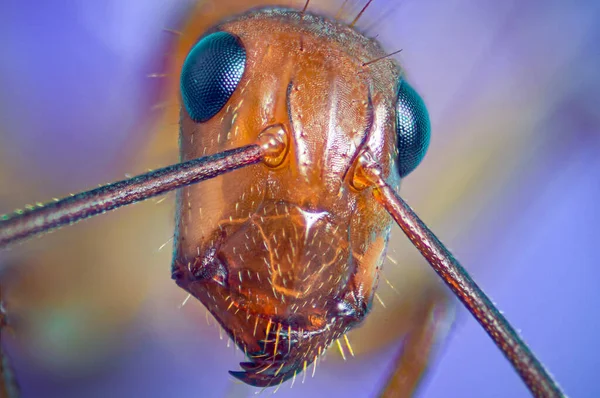
Ants do not enter your home at random. They are highly organized social insects operating under three strict biological directives: searching for food, sourcing water, and finding shelter from extreme outdoor weather conditions.
The initial invasion always starts with a single, solitary insect known as a scout ant. Scout ants wander aimlessly across your floors and counters searching for resources.
The moment a scout finds a food source—like a single grain of sugar, a drop of honey, or a bowl of pet food—it consumes a portion and heads straight back to the nest.
As it travels home, it presses its abdomen to your floorboards, leaving behind an invisible chemical scent called a pheromone trail. The rest of the colony smells this trail and follows it in a perfect, single-file line directly into your kitchen.
🗂️ The Most Common Household Ant Species
Different types of ants possess entirely different dietary preferences and nesting habits. To eliminate them quickly, you need to identify the exact enemy you are dealing with:
🥥 Odorous House Ants
These are tiny, dark brown ants that typically invade kitchens in massive numbers. If you crush one under your finger, they release a highly distinct, pungent odor that smells exactly like rotten coconuts or rancid oranges. They have an extreme biological craving for sugar and sweets.
🧱 Pavement Ants
True to their name, these ants typically build their nests under sidewalks, patios, driveways, and concrete foundation slabs. They enter homes through expansion joints and tiny structural stress cracks in your lower flooring.
🪵 Carpenter Ants
These are much larger than standard household ants, often measuring up to a half-inch in length. Carpenter ants do not eat wood like termites do, but they chew through damp, compromised structural timber to hollow out galleries for their nests. They can cause severe structural damage if ignored.
🧪 Pharaoh Ants
These are microscopic, yellowish-gold ants commonly found inside wall voids of multi-family complexes, apartments, and warm indoor utility areas. They are highly sensitive to stress; spraying them with retail chemicals will cause the colony to fragment into multiple sub-colonies, making the problem significantly worse.
👉👉 Want to Know if Ants Cause Structural Damage to Your Home? Read THIS Now
🛑 The Fatal Mistake: Why Aerosol Sprays Fail
When homeowners see ants, they immediately spray them with heavy chemical aerosols. While this delivers an instant, satisfying kill on the 10% of worker ants out in the open, it does absolutely nothing to stop the 90% of the colony hiding safely behind your walls.
Even worse, spraying common synthetic pyrethroid retail repellents can trigger a biological survival mechanism known as budding.
When the colony senses a toxic chemical threat blocking their foraging path, the queen signals the nest to scatter. The colony splits into three or four smaller independent nests hidden throughout your house, turning a single localized kitchen issue into a multi-room home infestation.
🎯 Step-by-Step Guide to Get Rid of Ants Permanently
To achieve complete colony elimination, you must switch from a contact-kill strategy to a professional-grade baiting methodology.
1. Track the Foraging Lines
Before you apply any product, sit down and watch the ants move. Do not disturb them. Trace the line back to the exact point where they disappear behind a baseboard, cabinet seam, or window frame. These entry junctions are your primary treatment zones.
2. Apply Non-Repellent Professional Gel Baits
Ant baits work by exploiting the natural food-sharing habits of social insects. The sweet gel contains a slow-acting active ingredient disguised as a highly attractive food source. Foraging workers ingest the bait, carry it safely back inside the nest, and feed it directly to the larvae and the breeding queen.
- Place Small Placements: Apply the gel bait in small, pea-sized dots directly adjacent to the active ant trails. Never place bait directly on top of the ants, as this will disrupt their movement.
- Let Them Feast: Within hours of placing the bait, the ant trail will often double or triple in size as more workers discover the food source. Do not step on them or spray them. You must let them feed undisturbed so they can transport the bait back to the heart of the nest.
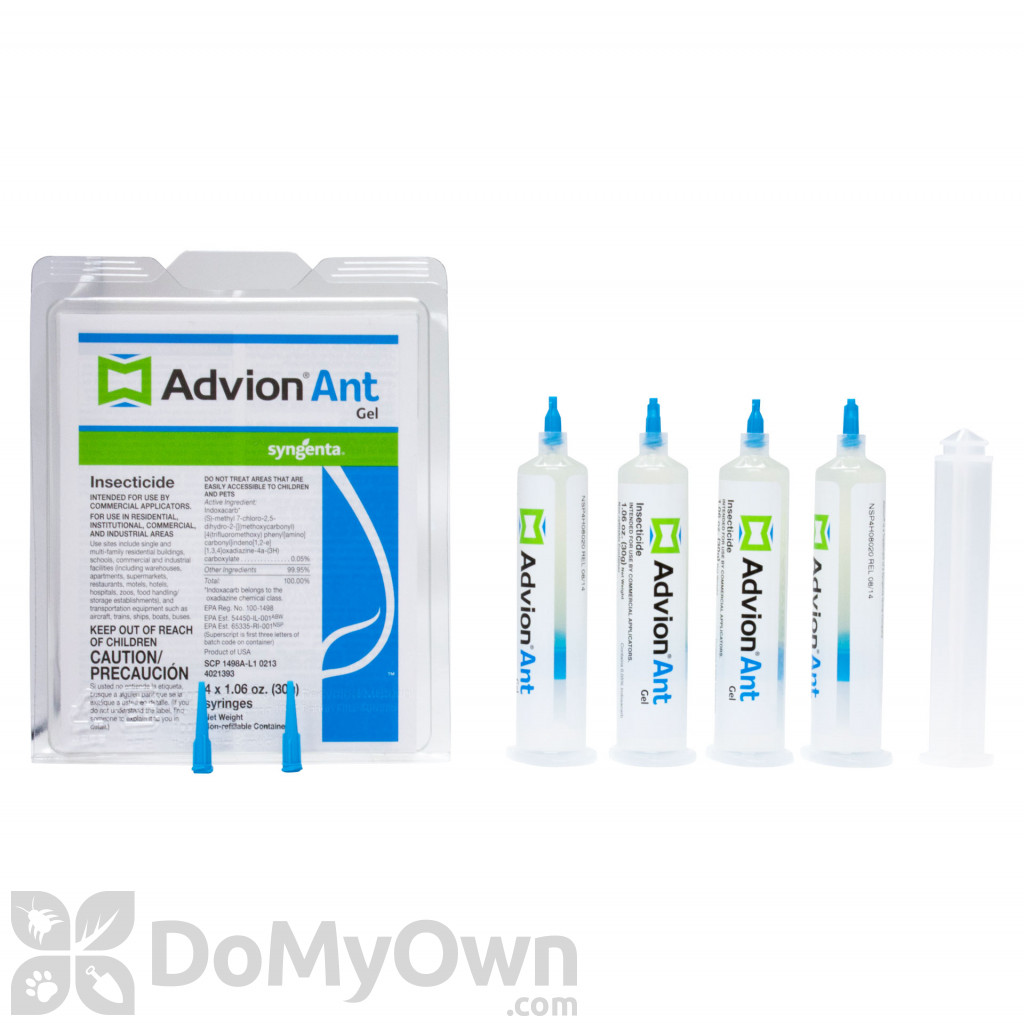
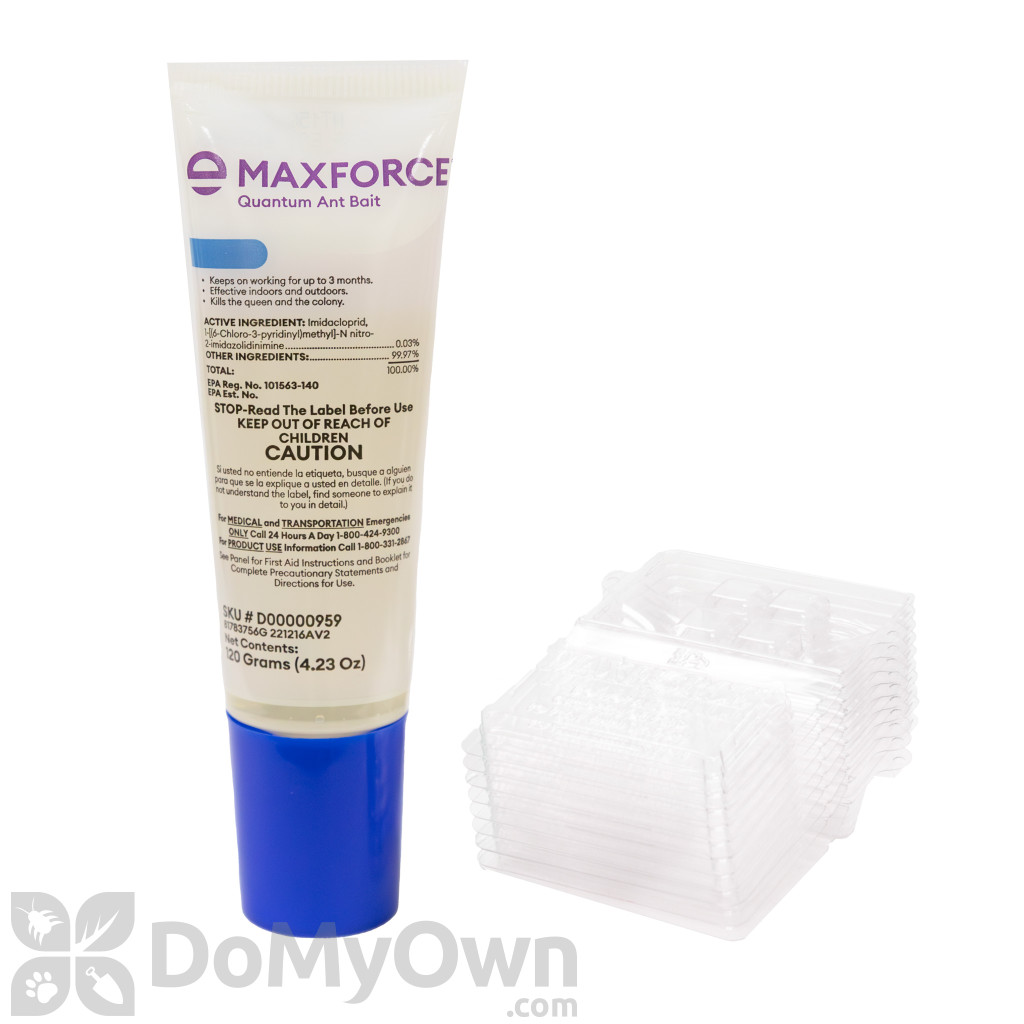
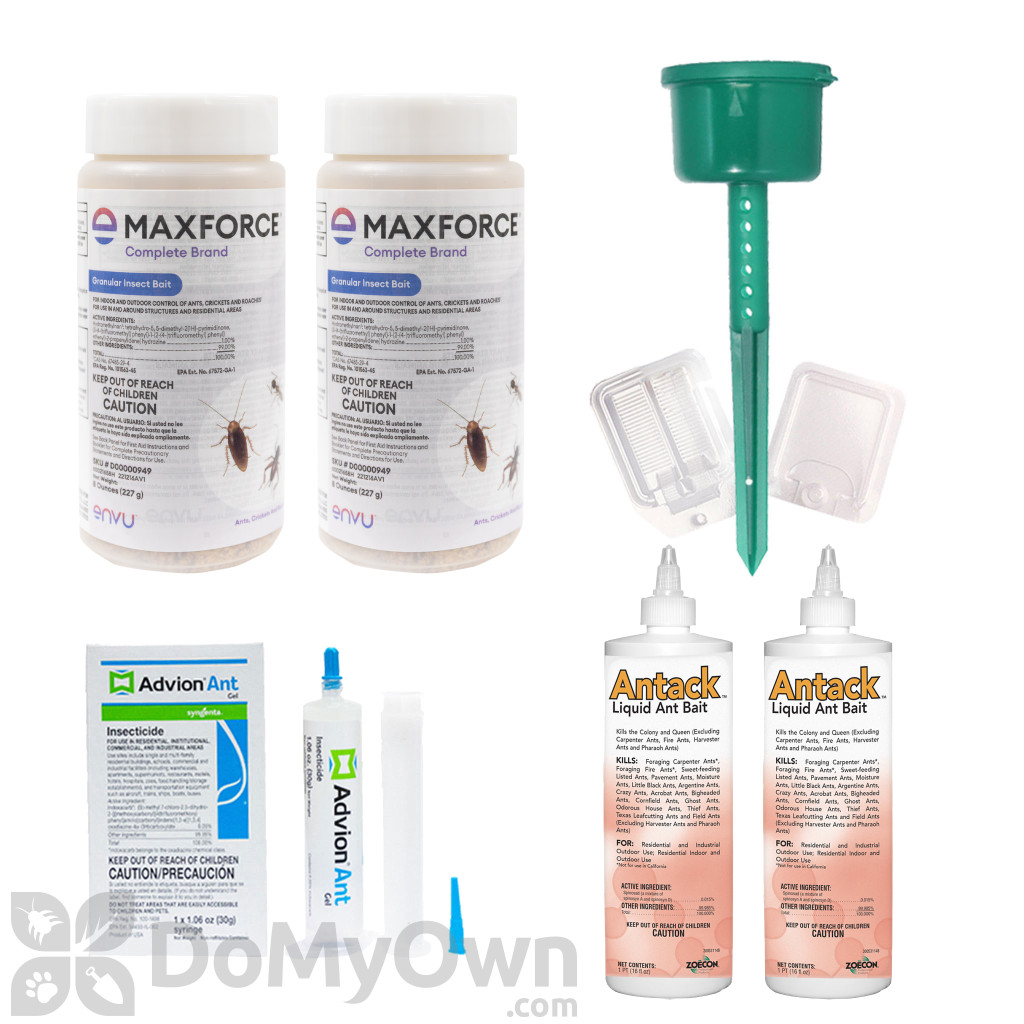
🛒 Our Top Field Picks: For sweet-loving ants, we highly recommend Syngenta Advion Ant Gel Bait or Maxforce Quantum. 👇👇👇 Check Prices on DoMyOwn Now, and Use the Same Ant Baits that We Use in the Field Everyday 👇👇👇
3. Disinfect and Erase the Chemical Trails
Once the ants have fed on the bait and the line begins to thin out, you must erase their navigation highways. Scrub your countertops, baseboards, and floors thoroughly using warm, soapy water or a vinegar-based cleaner. This completely breaks down the invisible pheromone scent tracks, preventing stray outdoor ants from rediscovering the entry route.
4. Cut Off the Moisture Sources
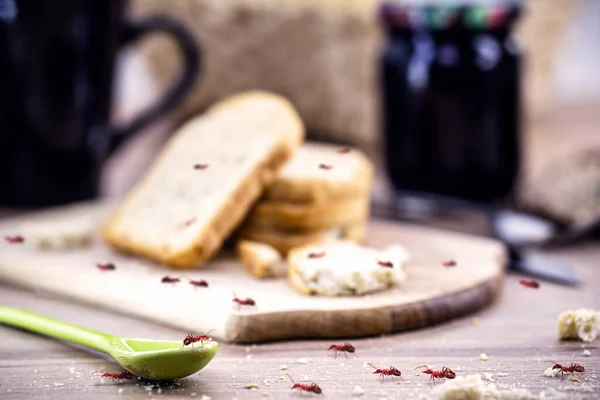
Many persistent ant species, particularly carpenter ants and pavement ants, require high humidity levels to survive. Inspect your plumbing lines under the kitchen and bathroom sinks for slow drips. Keep your crawl spaces completely dry, wipe standing water out of your shower basins before bed, and avoid leaving wet pet food bowls sitting out overnight.
5. Seal the Exterior Entry Ports
Once the indoor population drops to zero, walk around the outside of your home with a flashlight. Look for small cracks in your concrete foundation walls, gaps around window screens, and openings where outdoor utility lines enter the structure. Use a high-quality exterior-grade silicone caulk to seal these openings shut, locking outdoor colonies out of your house permanently.
⏱️ Real-World Timeline: When Will the Ants Disappear?
Colony elimination requires patience, as the active ingredients must work through thousands of hidden insects:
- Hours 1–24: Ant activity along your bait placements will spike significantly. This is a sign that the bait formulation is working perfectly.
- Days 2–4: The foraging lines will begin to thin out dramatically as the slow-acting bait spreads through the hidden nesting tiers.
- Days 5–7: Indoor ant sightings should drop to zero. At this point, the queen has ingested the bait, and the core breeding colony has collapsed.
🛒🥇 Check Out the Complet Ant Control Kit (California & NY Compliant!) 👇👇 Check Availability on DoMyOwn Now 👇👇👇
🗂️ Your Complete Indoor Ant Eradication Checklist
Follow this field-tested checklist step-by-step to guarantee total control over your current infestation:
- Identify the ant species based on size, nesting habits, and odor when crushed.
- Locate the exact baseboard, window, or pipe entry gap where the trail enters.
- Place pea-sized dots of professional gel bait directly along the foraging line.
- Avoid spraying retail aerosols or crushing the workers while they are baiting.
- Clean all adjacent kitchen surfaces with soapy water to strip away old pheromone trails.
- Fix underlying water leaks, damp cabinet bases, and standing sink moisture.
- Move open food packages, pantry staples, and pet kibble into airtight bins.
- Seal exterior siding seams, utility line entries, and window trim gaps with caulk.
❓ Struggling with a Severe or Damaging Ant Problem?
Certain persistent species, like large Wood-damaging Carpenter Ants or fragmented Pharaoh Ants, can be incredibly difficult to eradicate using standard over-the-counter methods once they embed themselves inside your structural framing.
If you have been baiting for weeks and still see ant activity inside your living areas, do not let the infestation compromise your peace of mind. Contact your local Pest Professional.