Last Updated on September 17, 2026 by Tim L. | Founder of Pest Control Playbook | Reviewed for Scientific Accuracy by our Co-Founder, an Associate Certified Entomologist (ACE)
Hearing a distinct scratching, gnawing, or scurrying sound inside your drywall is one of the most frustrating signs of a home pest invasion. When mice compromise your wall voids, they aren’t just looking for a cozy place to sleep. They are actively chewing on insulation, damaging electrical wiring, and building hidden nesting hubs that can rapidly expand.
Getting mice out of your walls requires moving past passive retail remedies. Because you cannot easily access the inside of a finished wall, you have to leverage their natural biological habits to force them out onto your terms.
Backed by a combined 40+ years of professional pest control experience and technical expertise, this step-by-step playbook breaks down the exact field tactics used by seasoned pros to silence the scratching and eliminate wall-dwelling mice for good.
Why Mice Choose Your Walls
Before deploying control lines, you have to understand why they are there. Structural walls provide mice with three primary necessities:
- Absolute Protection: Wall voids offer a safe harbor completely protected from natural predators like owls, hawks, and domestic pets.
- Climate Control: The insulation inside your walls acts as premium nesting material, keeping the colony warm in the winter and cool in the summer.
- Structural Highways: Utility lines, plumbing pipes, and electrical conduits run through your walls, creating a hidden, protected highway system that allows mice to travel from the basement to the attic entirely out of sight.
💡 Professional Affiliate & Editorial Disclosure
Some links on this page are affiliate links, meaning a small commission may be earned on recommended professional-grade products (like pressurized backpack sprayers, mouse traps, or commercial baits) at no extra cost to you.
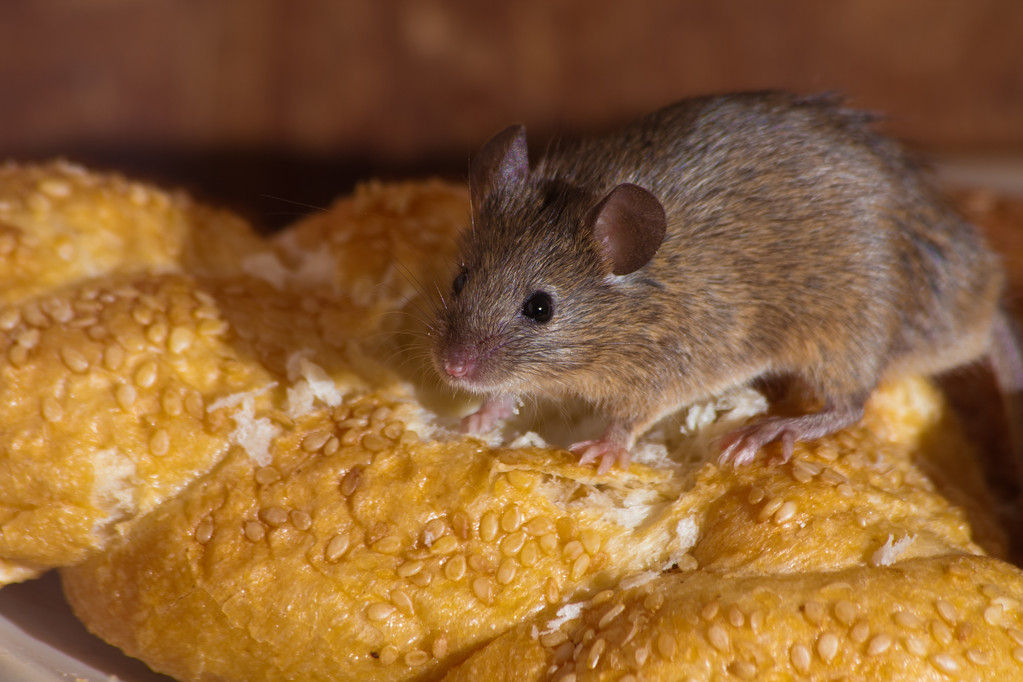
The Professional 4-Step Wall Eradication Strategy
If you simply place a couple of traps in the middle of a room, mice inside the walls will ignore them. You must use a tactical approach that forces them to interact with your control lines when they leave the walls to forage for food.
Step 1: Pinpoint the Active Exit Zones
Mice do not stay inside walls 24/7; they must exit to forage for food and water. Grab a high-intensity flashlight and inspect the baseboards directly below where you hear the scratching sounds. Look closely for:
- Utility Gaps: Openings where plumbing pipes emerge under sinks or behind major kitchen appliances.
- Rub Marks: Dark, greasy smudges left along wall-floor junctions by the natural oils in the rodent’s fur.
- Droppings: Small, rod-shaped pellets with pointed ends clustered near wall corners or pantry edges.
👉👉 Need a Complete Rodent Elimination Program? Read THIS Article Now
Step 2: Set Up Saturation Trapping Lines
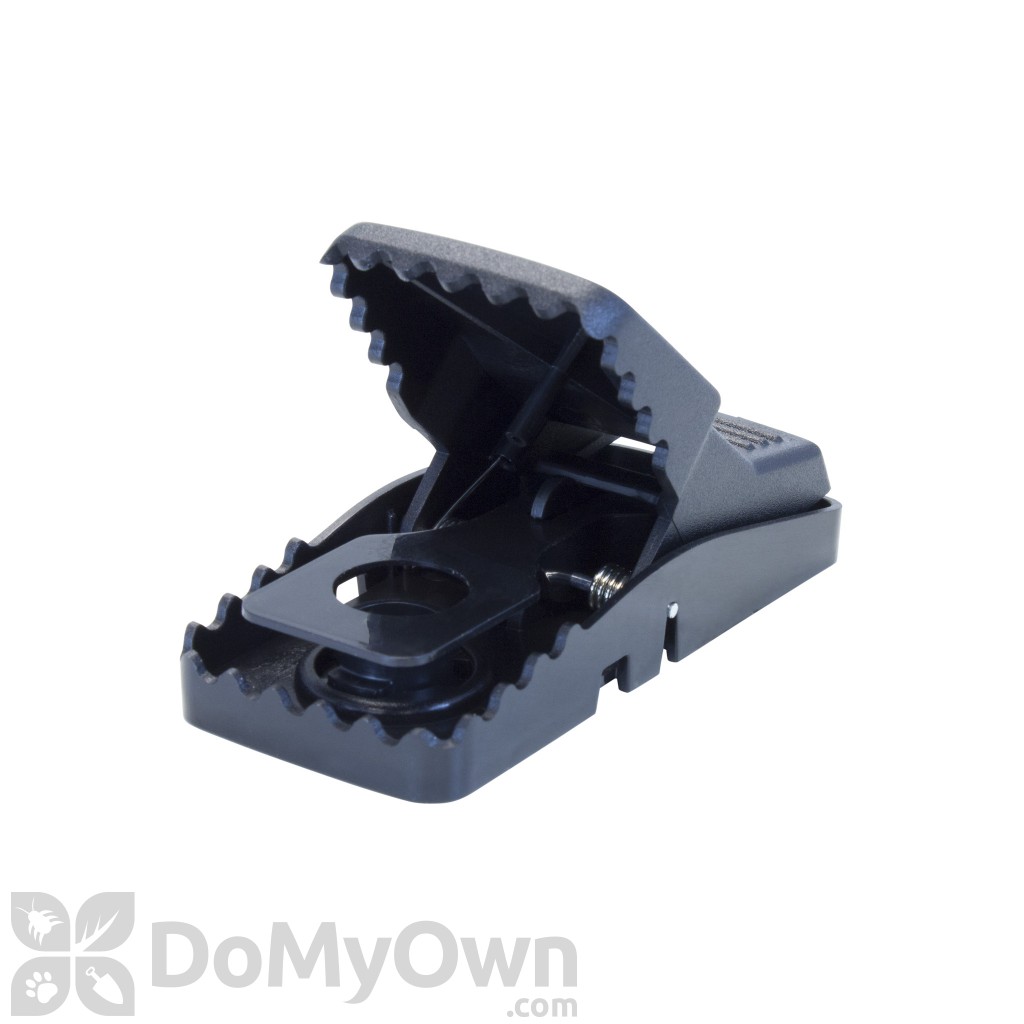
The gold standard for removing mice from walls is heavy-density snap trapping. Do not rely on one or two traps. Professionals use a “saturation” technique, placing dozens of traps simultaneously to eliminate the bulk of the population within the first 48 hours.
- Placement: Position snap traps perpendicular to the wall, with the expanded yellow trigger facing the baseboard directly. This ensures the mouse runs directly into the trigger regardless of which direction it approaches from.
- Spacing: Place traps tight against the wall, spaced no more than 3 to 5 feet apart across the entire active foraging zone.
- Professional Baiting: Use high-protein, sticky baits that cannot be easily pulled off without triggering the spring. Peanut butter, hazelnut spread, or even a small piece of cotton string (which female mice highly covet for nesting material) are exceptional choices.
🛒🥇 Field Pro Tip: Standard wooden traps often misfire. We exclusively use professional-grade expandable plastic snap traps for guaranteed triggers. These are the EXACT Traps that we use in the Field to Kill Mice Fast. 👇👇 Check Prices and Availability on DoMyOwn Pest Control Now 👇👇
Step 3: Seal the Exterior Entry Points (Exclusion)
If you trap the mice inside without sealing the outside of the house, new mice will continuously use the same pathways to get back into your walls. You must cut off the highway.
- Inspect the Foundation: Walk the exterior perimeter of your home and inspect the foundation line, crawlspace vents, and areas where utility pipes penetrate the siding.
- Use Rigid Materials: Do not use cheap expanding foam or plastic mesh—mice will chew through it in minutes. Use a combination of stainless steel coarse wool or copper mesh packed tightly into gaps, then backfill the opening with a premium elastomeric exterior sealant.
- Check the Garage: Garage doors are a primary entrance point for wall-dwelling rodents. Replace worn bottom astragals immediately and ensure the side weatherstripping creates a tight, light-proof seal against the pavement.
Step 4: Keep Triggers Hot Until the Scratching Stops
Leave your interior trap lines active for at least 7 to 10 days after the scratching sounds stop. Mice can survive for brief periods on hidden caches of food inside a wall void. Total silence, clean traps, and zero new droppings are the only true indicators of complete eradication.
Common Mistakes to Avoid
- Dropping Loose Bait or Poisons Inside the Walls: Tossing loose rodenticide baits blindly into a hole in the drywall is a major risk. A poisoned mouse will often crawl deep into an inaccessible section of the wall to die, leading to severe odor issues and secondary pest problems like flies and beetles. Always keep baits secured inside tamper-resistant exterior stations or stick to targeted interior trapping.
- Ignoring High-Level Highways: If you hear scratching near the top of the wall or ceiling, the primary entry point might be on your roofline. Inspect your soffit vents, roof intersections, and fascia boards for gaps.
The Bottom Line
Mice in the walls can feel like an impossible problem, but they are completely bound by their biology. By cutting off their exterior access points and setting heavy, aggressive trap lines along their interior runways, you take full control of the environment and force a swift, permanent resolution to the infestation.