Last Updated on September 10, 2026 by Tim L. | Founder of Pest Control Playbook | Reviewed for Scientific Accuracy by our Co-Founder, an Associate Certified Entomologist (ACE)
If you have been catching cockroaches scurrying across your countertops or kitchen floor, your mind immediately jumps to one urgent question: Where is the nest?
The good news is that cockroaches leave behind an extensive paper trail of physical clues if you know how to read them. The bad news is that they are evolutionary masters of concealment, and unlike ants, wasps, or bees, they do not possess a single, central colony structure.
In my 42 years of hands-on field experience, I have learned that successful roach eradication starts by locating their specific harborage areas—the tight, dark, high-humidity micro-environments where they spend 80% of their lives hiding, feeding, and breeding. Backed by my decades on the road and our team’s Associate Certified Entomologist (ACE) credentials, this handbook covers the exact professional inspection patterns I use to unearth hidden roach harborages behind drywall, inside appliances, and deep within structural voids.
The Big Misconception: Do Cockroaches Actually Have a “Nest”?
Biologically speaking, no.
One of the most common mistakes I see homeowners make is spending hours searching for a traditional, structured nest made of paper, mud, or soil. Cockroaches do not build physical structures. Instead, they form harborages.
A harborage is any protective crack, crevice, or void that allows a cockroach’s back and stomach to touch surfaces simultaneously—a behavioral trait known as thigmotaxis. They crowd into these tight gaps by following aggregate pheromones found in their feces.
- German Cockroaches: The most common indoor invader. They are highly localized and typically spend their entire life cycle within a tight 5 to 10-foot radius of a primary food or water source.
- American and Oriental Cockroaches: These larger species are wider-ranging. They prioritize intense moisture and commonly harbor in subterranean basements, crawlspaces, sump pump housing units, and main sewer line connections.
💡 Professional Affiliate & Editorial Disclosure
Some links on this page are affiliate links, meaning a small commission may be earned on recommended professional-grade products (like pressurized backpack sprayers or commercial baits) at no extra cost to you.
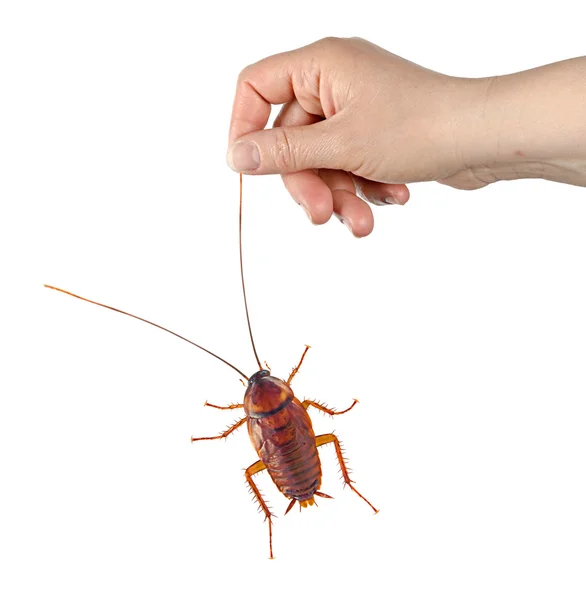
5 Warning Signs You Have Uncovered a Roach Harborage
When you are hunting for the core of an infestation, look for these five specific physical indicators. The higher the concentration of these clues, the closer you are to the primary breeding site.
- 1. Concentrated Fecal Spotting: Small infestations leave behind tiny black specks resembling coffee grounds or black pepper. In heavy harborages, these specks coalesce into thick, dark ink-like staining along cabinet hinges, drywall corners, and appliance seams.
- 2. Clusters of Egg Cases (Oothecae): Female roaches drop or glue their purse-shaped, 1/4-inch brown egg capsules in highly protected zones. Uncovering a cluster of hatched, split-open oothecae confirms you have hit a primary nursery site.
- 3. Piles of Cast Skins: A cockroach nymph must shed its rigid outer shell up to seven times before reaching reproductive maturity. Finding layers of translucent, hollow exoskeletons means a generation is actively developing inside that specific void.
- 4. The Pheromone Stench: If you open a cabinet or pull back an appliance and are hit by an immediate, oily, musty, or sour odor, you are standing directly over a major aggregation zone.
- 5. Mixed-Generation Populations: If you flash a light into a gap and see tiny, pinhead-sized baby nymphs scurrying alongside fully grown, winged adults, you have successfully isolated a core harborage area.
👉👉 Do I have a Roach Infestation? 10 Signs to Never Ignore
High-Probability Hiding Spots Every Homeowner Must Inspect
Cockroaches do not spread across a home randomly; they seek out heat, moisture, and darkness. When I step into a structure for an inspection, I systematically target these specific zones:
Behind and Under the Refrigerator
This is the number-one hotspot for German cockroaches. The refrigerator’s compressor motor generates intense, constant heat, while the condensation drip pan provides a perpetual water source. Dust, pet hair, and dropped food crumbs accumulate behind the unit, creating an absolute paradise for a breeding colony.
The Dark Void Under Kitchen Sinks
This area combines multiple major risk factors: high humidity, dark isolation, hidden plumbing trap leaks, and wide-open structural penetrations where water lines pass through the drywall straight into the wall voids.
Around and Inside the Dishwasher
Dishwashers offer an incredible amount of protected, high-heat, high-moisture space. Roaches love to squeeze behind the front kickplate, crawl along the side insulation blankets, and harbor inside the internal electronic control panels.
Upper Cabinet Corners and Hinges
Homeowners often look exclusively at the floor, but German cockroaches love vertical altitude. Grab a flashlight and inspect the hidden top corners of your upper kitchen cabinets, paying close attention to the tiny gaps behind metal door hinges and shelving pegs.
Wall Voids and Utility Penetrations
If cockroaches are traveling between rooms or adjacent apartment units, they utilize the interior walls like a highway system. They access these wall voids through unsealed gaps around electrical outlets, light switches, HVAC chases, and plumbing lines.
The Master Professional Nighttime Inspection Strategy
Because cockroaches are strictly nocturnal, a daytime inspection only reveals about 10% of the true population. To find out where they are truly nesting, you have to hunt on their schedule.
- Isolate the Space: Wait until at least one hour after complete darkness. Keep the target kitchen or bathroom completely dark and silent for an hour beforehand.
- The Sudden Strike: Step into the room quietly without turning on the main overhead lights.
- The Flashlight Sweep: Turn on a strong flashlight and immediately sweep the beams along the baseboards, the junction where the countertop meets the backsplash, and around the edges of major appliances.
- Track the Retreat: Do not try to squash them immediately. Watch exactly which cracks, crevices, or cabinet seams the startled roaches sprint toward to escape the light. Those exit points are the direct doorways to their primary harborages.
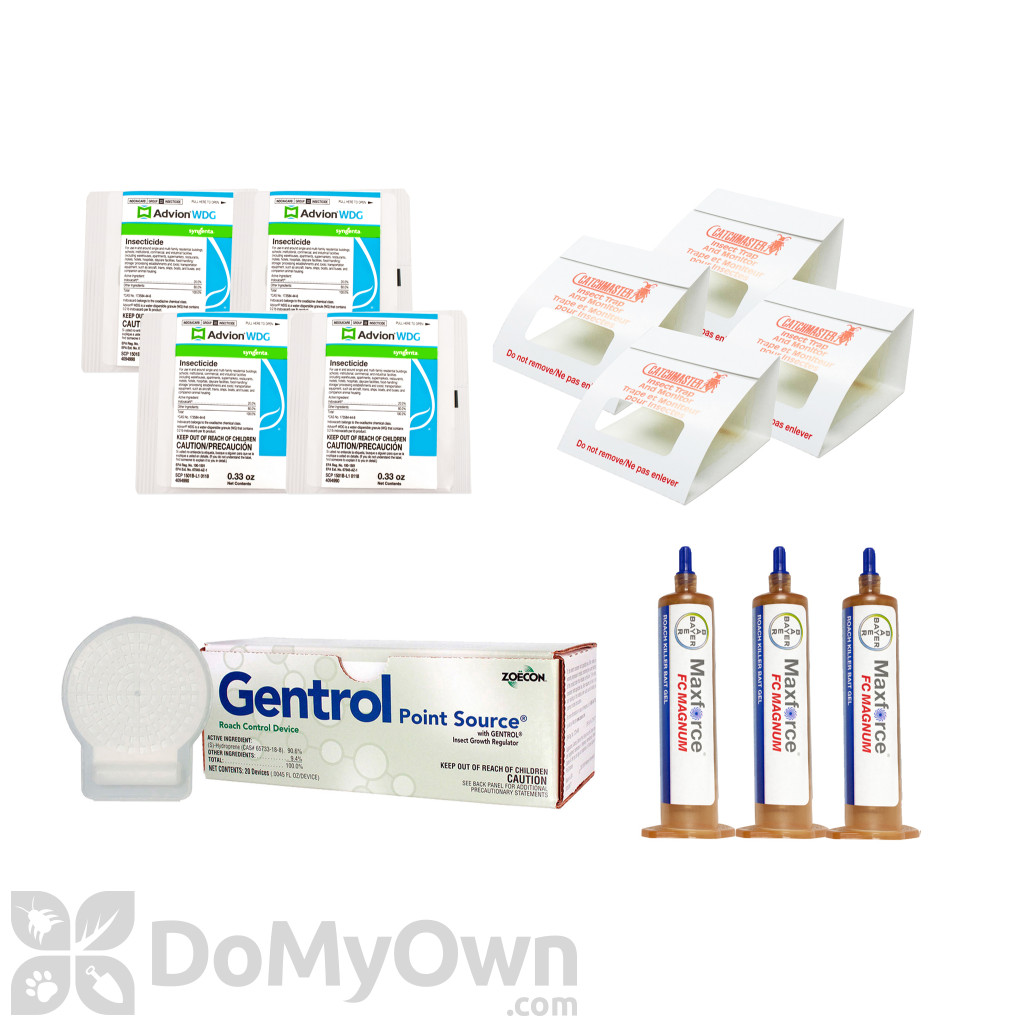
🛒🥇 This is Our Choice for a Complete Roach Control Kit, Field Tested , (NY/CA Compliant). 👇👇 Check Availability and Pricing on DoMyOwn Now 👇👇
The Complete Master Field Diagnostics Checklist
Use this deep-dive inspection checklist to systematically audit your property, isolate the structural harborages, and execute a flawless cleanout.
Step 1: Structural & Environmental Audit
- Pull the stove and refrigerator completely away from the walls; thoroughly scrape away grease buildup and vacuum all accumulated crumbs.
- Inspect all plumbing penetrations under kitchen and bathroom sinks; confirm they are 100% sealed with heavy-duty silicone caulk or expandable foam.
- Check the dishwasher kickplate; remove it to inspect the hidden motor space underneath for active spotting.
- Verify that the refrigerator condensation tray is clean, dry, and free of active nymphs.
Step 2: Diagnostic Trapping & Isolation
- Place sticky glue monitoring traps flush against the walls directly behind the refrigerator, stove, and toilet.
- Write the date on each trap and check them after 48 hours to pinpoint which zones have the highest cockroach traffic.
- Inspect the interior tracking of kitchen drawers; check the underside of drawer boxes for glued egg capsules.
- Check all electrical outlet covers near water sources for signs of dark fecal spotting along the plastic seams.
Step 3: Targeted Remediation Application
- Use a crevice-attachment vacuum to physically extract live roaches, shed skins, and oothecae directly from the discovered harborages.
- Apply professional-grade gel bait in small, pea-sized drops inside the hidden hinges, corners, and voids you isolated. Never smear bait or apply it in long, messy lines.
- Deploy a high-quality Insect Growth Regulator (IGR) discs or spray into the wall voids to instantly break the breeding cycle and sterilize the remaining nymphs.
- Maintain sticky traps in place for 30 days post-treatment to verify that zero new generations are emerging from hidden wall voids.
Disclaimer: While the pest control methods outlined in this handbook reflect decades of professional field experience and rigorous entomological review, always read, understand, and strictly follow the specific manufacturer labels on any pest control products applied to your property.