
Last Updated on July 24, 2026 by Tim L. | Founder of Pest Control Playbook
A Field Based Comparison From a 30-Year Pest Control Professional
In my 30 years working in pest control, one of the most common questions I get from homeowners is whether roach baits or liquid spray treatments work better. The answer isn’t as simple as choosing one over the other—it depends on the situation, the level of infestation, and how the products are actually used.
Over the years, I’ve seen countless cases where homeowners rely heavily on chemical sprays and still struggle with roaches, while others use bait correctly and achieve long-term control. Understanding the difference between these two approaches is critical if you want to eliminate a roach infestation instead of just temporarily reducing it. If I was forced to use either JUST Roach Bait vs ONLY Liquid Sprays, I would pick the Roach Bait every time. That being said, I have found that the best program involves spraying, baiting, IGRs, dust, and traps. It is the perfect combination, and I always use each one for proper roach control.
How Roach Baits Work
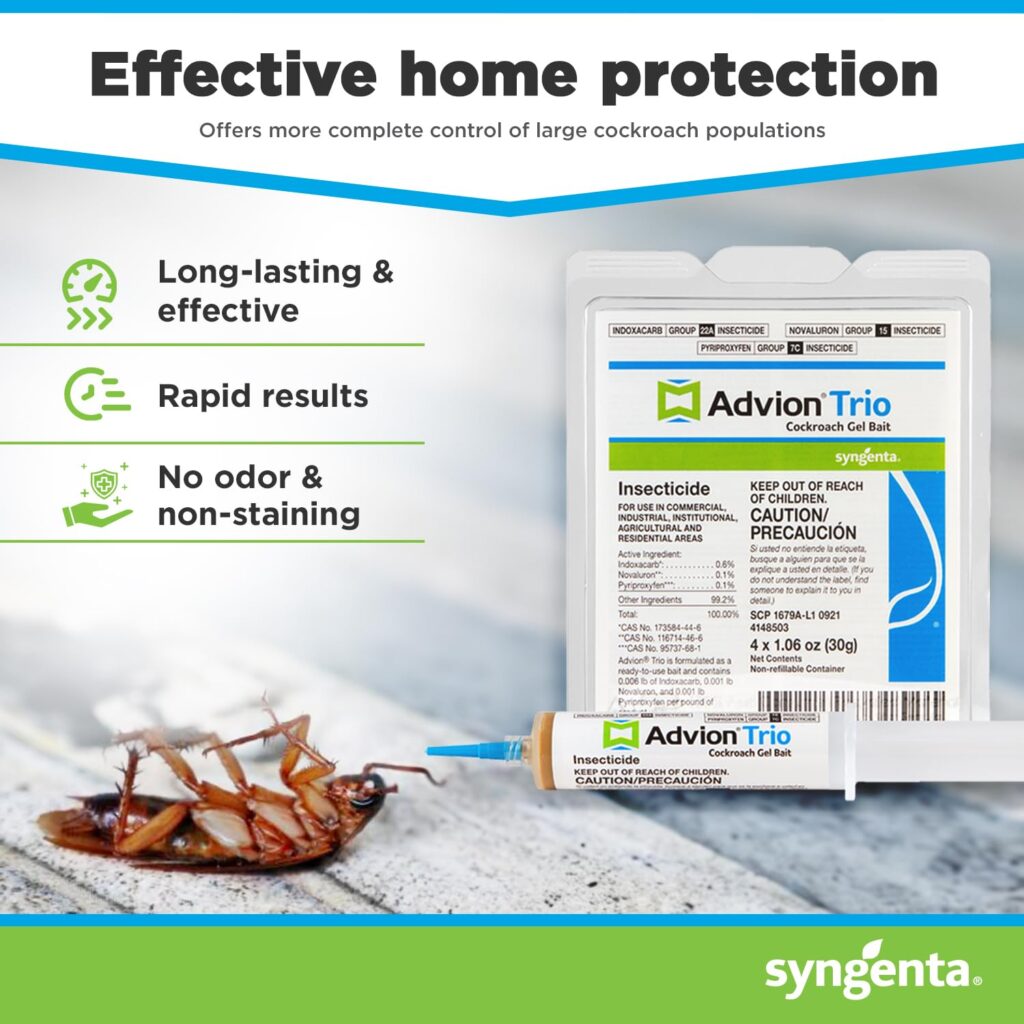
Roach baits are designed for colony elimination, not just killing the roaches you see. Worker roaches are attracted to the bait, consume it, and carry it back to the nest. The active ingredient is then shared throughout the colony, eventually reaching other roaches and the queen.
This delayed transfer effect is what makes baiting so effective in long-term control.
In my field experience, gel baits tend to perform especially well in:
- Kitchens with German roach activity
- Apartments and multi-unit housing
- Areas with hidden harborage zones (behind appliances, under sinks, inside wall voids)
When placed correctly, bait can significantly reduce an infestation over several days to weeks. In fact, sometimes in severe infestations, I use a large amount of bait on the first treatment, and hardly spray at all. Roach Bait, insecticide dust, and traps is a great first treatment in many cases, especially if sanitation is not an issue.
How Liquid Spray Treatments Work
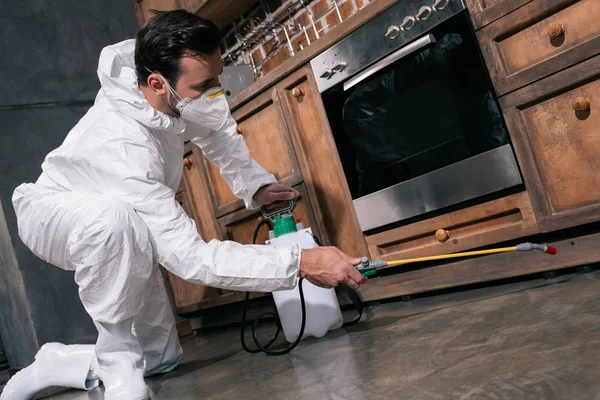
Liquid roach treatments (including contact sprays and residual insecticides) work in a completely different way. These products are designed to kill roaches on contact or leave a residue that affects insects that walk across treated surfaces.
The key advantage of liquid treatments is speed. They can quickly reduce visible roach activity, especially during heavy infestations.
However, after more than 3 decades in the industry, I’ve also seen a common problem: liquid sprays often only affect the roaches that are exposed. The deeper colony inside walls, cabinets, and hidden voids usually remains intact. That is where bait and dusts come into play.
Roach Baits vs Liquid Treatments: Key Differences
1. Speed of Results
- Liquids: Fast knockdown of visible roaches
- Baits: Slower, gradual colony reduction
2. Long-Term Control
- Baits: Strong long-term effectiveness when used correctly
- Liquids: Limited long-term impact on hidden colonies
3. Targeting the Colony
- Baits: Designed to eliminate the colony through transfer effects
- Liquids: Primarily affect exposed roaches
4. Best Use Case
- Baits: Kitchens, apartments, ongoing infestations
- Liquids: Heavy infestations requiring immediate reduction or crack-and-crevice treatment
What I Typically Use in the Field
After decades of treating residential and commercial infestations, I rarely rely on just one method.
In most real-world situations, I use a combination approach:
- Gel baits placed in key harborage areas
- Targeted liquid applications in cracks, voids, and entry points
The important distinction is that liquids are used strategically—not as a blanket spray over surfaces where bait is placed. Spraying over baited areas can actually reduce effectiveness by repelling roaches away from the bait.
💡👉 Read THIS Article on the Best Roach Baits 2026
When Roach Baits Work Better
Roach baits are generally more effective when:
- You are dealing with German cockroach infestations
- Roaches are active in kitchens or bathrooms
- You need colony elimination rather than quick knockdown
- The infestation is persistent or recurring
This is also why baiting is the foundation of most modern pest control programs.
(For a deeper breakdown of bait options, see my guide on the best roach baits for 2026.)
When Liquid Treatments Work Better
Liquid treatments can be more useful when:
- There is heavy visible roach activity
- You need immediate reduction in population
- You are treating cracks, crevices, or exterior entry points
- Bait alone is not providing fast enough relief
However, liquids are most effective when used as a supporting tool rather than the sole treatment method.
👉💡 Want to Know the Best Roach Killer Spray 2026? Read This First
Common Mistakes Homeowners Make
Over the years, I’ve seen the same mistakes repeated in home after home:
1. Spraying over bait placements
This is one of the biggest issues. Repellent sprays can interfere with bait acceptance and reduce overall effectiveness.
2. Expecting instant results from bait
Baiting is a delayed-action process. It works through colony transfer, not immediate kill.
3. Relying only on sprays
Sprays often eliminate visible roaches but leave the hidden infestation untouched.
4. Not addressing food and moisture sources
Even the best treatment will struggle if roaches continue to have access to food and water.

Professional Insight From 30 Years in Pest Control
In real-world infestations, the most successful results almost always come from understanding behavior, not just products.
Roaches are not simply surface pests—they are colony-driven insects that hide, reproduce, and spread in hidden environments. That’s why treatments that reach the colony (like baiting systems) tend to outperform treatments that only target visible activity.
Liquid treatments still have a place, but they work best when used with precision and purpose—not as a general spray solution.
Remember, sanitation is key. We always want to force the roaches to scavenge for their food, thus passing either through a liquid barrier, or finding the roach bait as a food source.
💡👉 For a full roach control breakdown, see our Roach Control Guide
Final Thoughts
When comparing roach baits vs liquid treatments, there is no universal “winner.” Instead, each has a role in a complete control strategy.
- Roach baits are best for long-term colony elimination
- Liquid treatments are best for immediate knockdown and targeted control
- The most effective approach in real infestations often combines both methods strategically
In my 30 years of experience, homeowners who understand this difference consistently achieve better and longer-lasting results than those who rely on sprays alone.
For most situations, starting with a strong baiting strategy—such as those covered in my guide to the best roach baits for 2026—provides the most reliable foundation for control.
About The Author
As the founder of Pest Control Playbook, I have more than 30 years of hands-on experience in the pest control industry. Drawing from real-world field work in residential and commercial settings, the goal of this site is to provide homeowners with practical, straightforward pest control advice that actually works.