Last Updated on September 21, 2026 by Tim L. | Founder of Pest Control Playbook | Reviewed for Scientific Accuracy by our Co-Founder, an Associate Certified Entomologist (ACE)
When a homeowner discovers a mouse problem, their first instinct is usually to head to the hardware store and buy a box of traditional wooden snap traps. However, after 40+ years of hands-on field experience in the professional pest control industry, I can tell you that high-volume trapping is rarely the most efficient way to clean out an infestation.
In the field, professional exterminators highly prefer tamper-resistant mouse bait stations over open trapping for structural control.
Bait stations utilize a mouse’s natural biology and behavior against them. They offer an enclosed, secure environment where mice feel safe to feed, while completely protecting the rodenticide blocks from weather, dust, children, and pets.
If you want to knock down a rodent population quickly and safely, this playbook guide covers exactly how to deploy, place, and manage mouse bait stations like an Associate Certified Entomologist (ACE).
💡 Professional Affiliate & Editorial Disclosure
Some links on this page are affiliate links, meaning a small commission may be earned on recommended professional-grade products (like pressurized backpack sprayers, mouse traps, or commercial baits) at no extra cost to you.
⚙️ How Mouse Bait Stations Actually Work
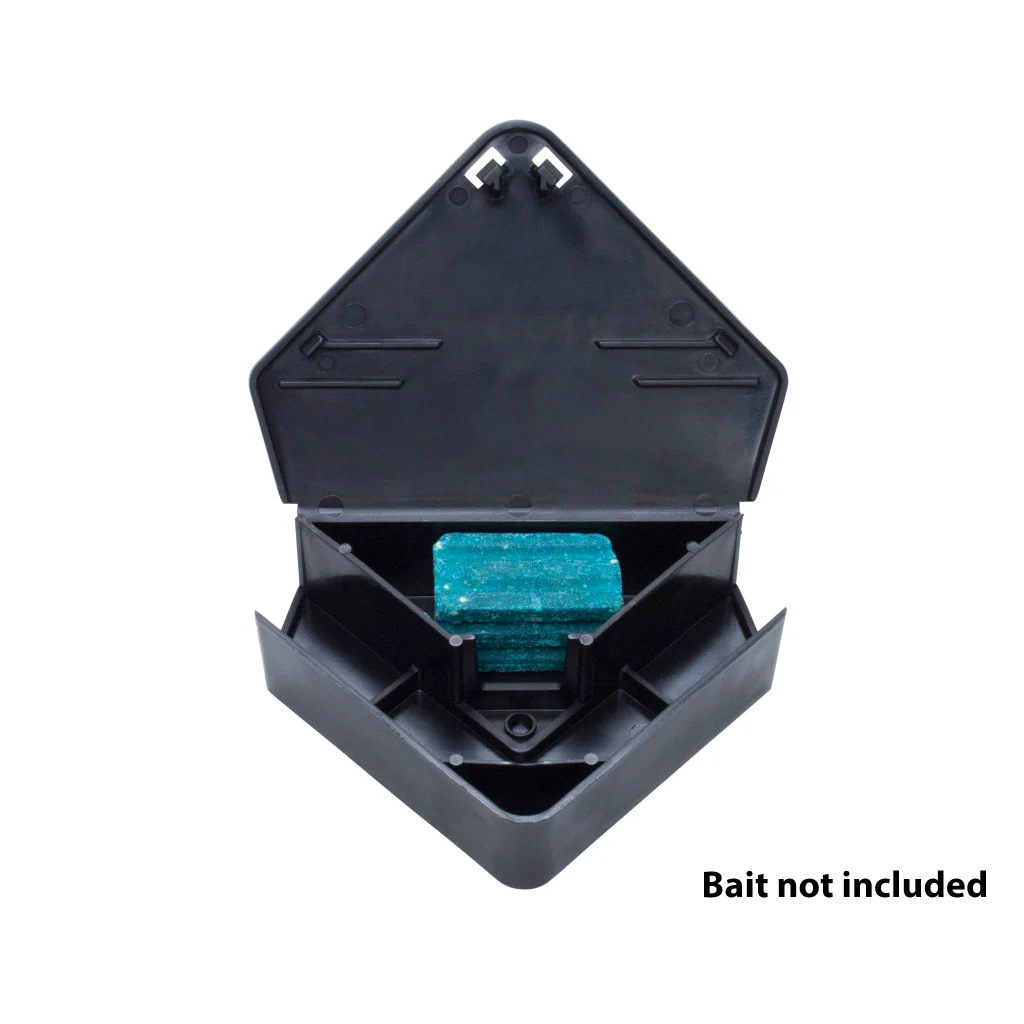
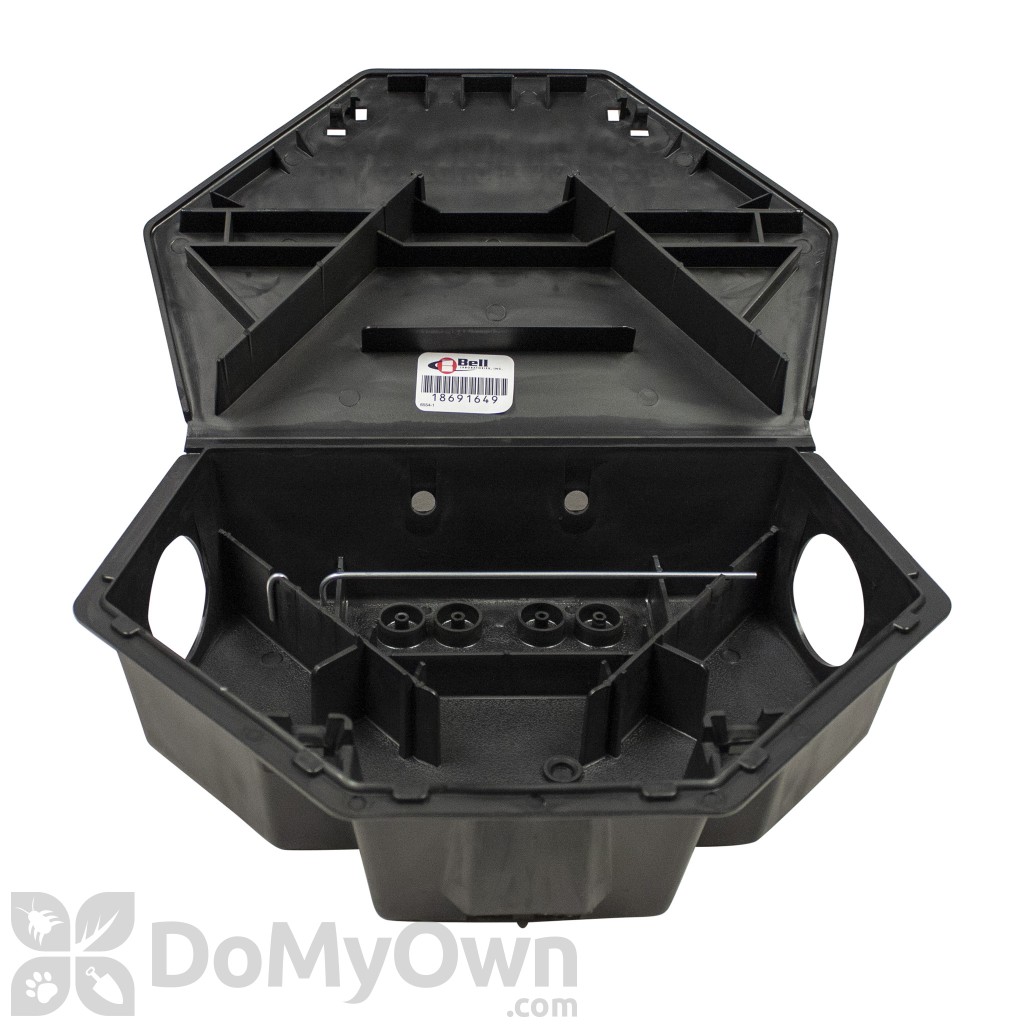
A bait station is not a trap; it is a specialized feeding chamber. The station features a low-profile entry hole designed specifically for rodents. Once a mouse enters, it travels through a small interior baffle or maze before reaching the bait compartment.
- The Security Effect: Mice are highly vulnerable to predators when feeding in the open. A dark, enclosed plastic station mimics a tight wall void or burrow, encouraging them to consume a lethal dose of bait rather than just nibbling and running away.
- Tamper-Resistance: Commercial-grade stations feature dual-locking mechanisms that require a two-pronged key to open. This ensures that curious dogs, cats, or children cannot access the toxicant inside.
- Secured Bait Block Rods: Inside the station, block baits are impaled on metal or plastic skewers. This prevents the mice from dragging the poison blocks out of the box and leaving them exposed in living spaces.
📍 Master Class: Strategic Station Placement
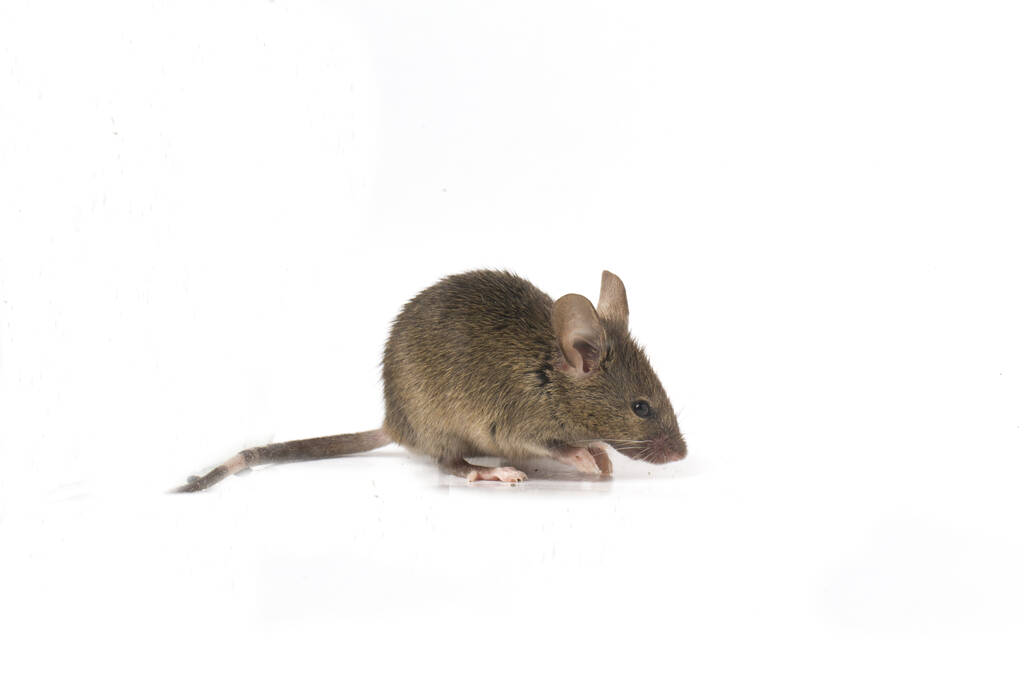
A bait station loaded with the best rodenticide on the market will fail completely if it is positioned incorrectly. Mice have a biological trait known as thigmotaxis—they rely on their whiskers to navigate along vertical structures and rarely travel out into open spaces.
Follow these rules for professional indoor and outdoor placement:
1. The Perpendicular Baseboard Rule
When placing a station inside a garage, basement, or crawlspace, always position the box flush against a wall or baseboard. Orient the entry holes so they sit directly parallel to the wall, right along the mouse’s runway. If the station is pushed even a few inches away from the wall, a foraging mouse will simply walk right behind it.
2. Key Exterior Interception Points
To stop mice before they ever breach the home’s foundation, establish an outdoor perimeter program. Place exterior bait stations at these critical transition zones:
- The Foundation Corners: Mice naturally hug walls and follow structural corners. Place a station at every major corner of the home’s exterior.
- Doorways and Entry Gaps: Position stations directly on both sides of garage doors, exterior entryways, and areas where utility lines penetrate the foundation.
- A/C Condenser Pads: The warmth and sheltered space behind outdoor HVAC units are prime rodent harborages.
3. Professional Spacing and Distance
House mice have a very tight foraging range, rarely venturing more than 10 to 30 feet from their active nesting site.
- For a standard residential structure, space your bait stations 8 to 12 feet apart along active walls.
- If you space them 30 to 40 feet apart like you would for large rats, mice can easily forage between the boxes without ever encountering the bait.
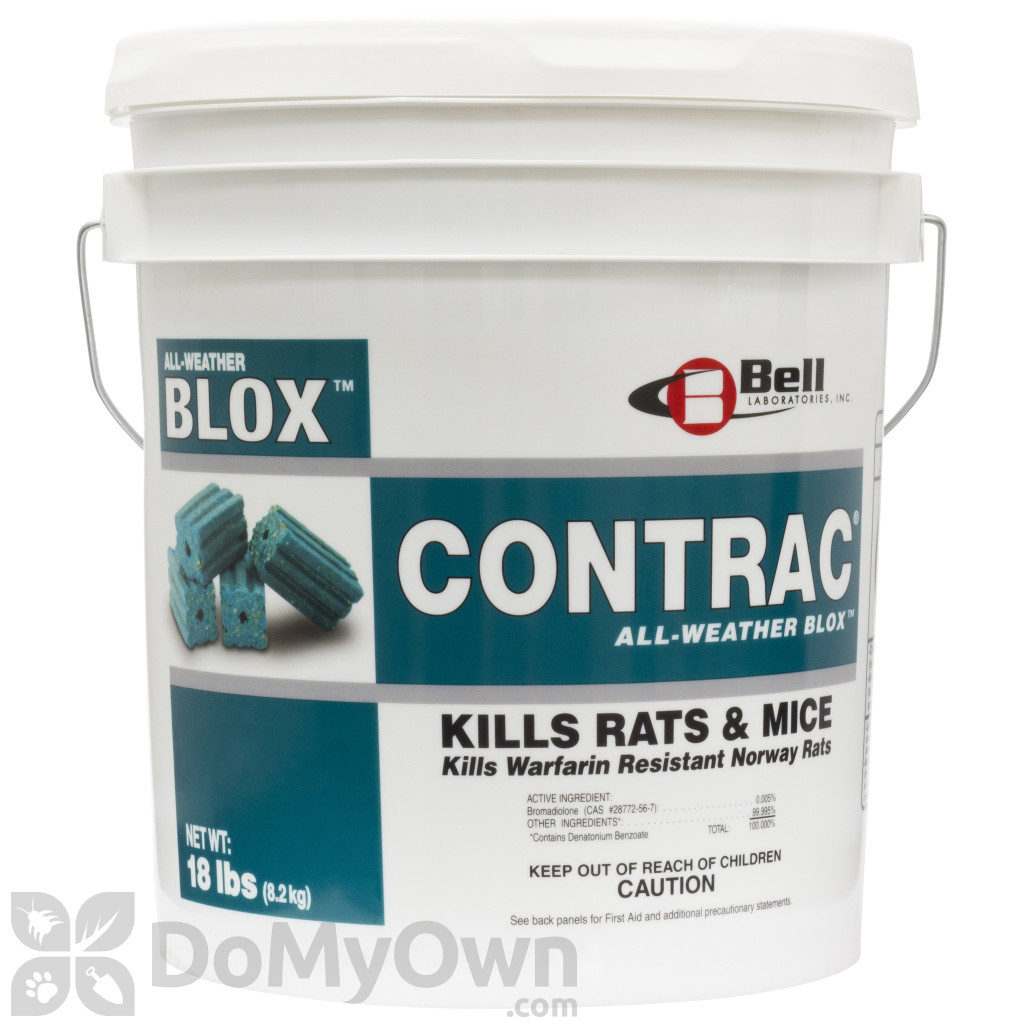
🛒🥇 These are our preferred indoor and outdoor rodent stations, as well as the bait that we use in the field everyday. 👇👇 Check prices and availability on DoMyOwn Now 👇👇
👉👉 Having mice in your garage and don’t want them ruining your classic cars? Read this article now to learn how to keep mice and rats out of your car engine
🛠️ Step-by-Step Guide to Servicing a Bait Station
Managing a professional baiting program requires strict attention to technique and safety. Follow this sequence every time you service your boxes:
- Put On Your PPE: Always wear thick, chemical-resistant gloves before touching bait blocks or opening stations. This keeps toxic residue off your skin and prevents you from leaving human scent on the station, which can make cautious rodents avoid the box.
- Inspect for Activity Indicators: Before opening the box, look for external signs of activity. Check for fresh droppings nearby, small rub marks (dark grease stains left by rodent fur), or gnaw marks around the entry holes.
- Unlock the Chamber: Insert your two-pronged security key into the top slots, apply downward pressure, and pop the lid open.
- Evaluate Bait Consumption: Examine the bait blocks. Mice like to gnaw on sharp edges. Look for small, parallel tooth marks on the blocks. If a block is completely gone or heavily eaten, record it as a high-activity zone.
- Replenish and Secure: Slide fresh bait blocks onto the internal metal rods. Ensure the rods are snapped securely back into place so the bait cannot be shaken loose.
- Clean, Don’t Wash: Brush away any old dust, dirt, or insect debris inside the box. Never wash the interior of a bait station with soapy water or harsh chemicals. Leaving the natural pheromone scents left behind by previous mice signals to new rodents that the box is safe to enter.
- Lock and Anchor: Close the lid tightly until you hear it snap shut. If deploying outdoor stations, use concrete blocks, duck-bill anchors, or heavy-duty landscape stakes to anchor the box down so it cannot be flipped over by non-target wildlife.
❓ Frequently Asked Questions
How long does it take for a mouse bait station to work?
Once a mouse consumes a lethal dose of a modern professional rodenticide (such as a bromethalin block), it typically takes 2 to 5 days for the rodent to die. Unlike old anticoagulants that required multiple days of continuous feeding, single-feed baits work incredibly fast to knock down populations.
Why are the mice ignoring my bait stations?
If a station has been in place for more than a week without a bite, it usually comes down to competing food sources. If there is open pet food, spilled birdseed, or unsealed garbage nearby, mice will stick to their familiar diet. Clean up competing food sources to force them into the station. Alternatively, try moving the box 5 feet to ensure it is directly on a high-traffic runway.
Can I use mouse bait stations inside my kitchen cabinets?
Absolutely! Tamper-resistant stations are safe to use indoors, and professionals generally bait both inside and outside to have a dual zone of protection, as well as attics, basements, and crawl spaces. Baiting heavily inside living spaces like kitchens can lead to mice dying behind walls or deep under major appliances, resulting in unpleasant foul odors with major infestations, but the baits ensure minimal decomposition, thus lessening odors.