Last Updated on September 18, 2026 by Tim L. | Founder of Pest Control Playbook | Reviewed for Scientific Accuracy by our Co-Founder, an Associate Certified Entomologist (ACE)
🥇 Quick Answer: To get mice out of a car engine quickly and prevent costly wire-chewing damage, you must implement a three-step professional protocol: immediately power-wash the engine bay to eliminate pheromone nesting scents, disrupt their safe harbor by propping your vehicle’s hood open completely overnight, and establish an exterior tire perimeter defense grid using weighted, ready-to-use (RTU) rodent bait stations placed flat on the ground right against your tires. Never rely on household remedies like mothballs or peppermint oil sprays, as engine heat rapidly neutralizes them and fails to stop determined rodents from destroying your vehicle’s wiring harness.
Finding a mouse nest, chewed insulation, or acorn shells sitting on top of your engine block is an immediate emergency. Modern vehicles use soy-based biodegradable wire coatings, which act as a literal food source and attractant for foraging mice. A single rodent nesting under your hood can chew through critical electrical harnesses, causing thousands of dollars in mechanical damage in a single night.
With over 40 years of combined professional pest control and entomology experience, our team has treated hundreds of severe vehicular infestations. In this playbook, we pull back the curtain on how professionals protect high-value assets and show you exactly how to evict mice from your engine bay permanently using professional baiting strategies.
💡 Professional Affiliate & Editorial Disclosure
Some links on this page are affiliate links, meaning a small commission may be earned on recommended professional-grade products (like pressurized backpack sprayers, mouse traps, or commercial baits) at no extra cost to you.
Why Mice Target Your Vehicle
Vehicles provide the ultimate harbor for rodents, especially during seasonal temperature drops. A car engine bay is a dark, completely enclosed void that retains residual engine heat for hours after you park.
Once a mouse crawls up the rubber tread of your tires, it gains easy access to the engine compartment through the open bottom wheel wells and undercarriage panels. Once inside, they shred hood liner insulation for nesting material and chew wires to keep their continuously growing incisor teeth filed down.

The Step-by-Step Engine Eviction Protocol
Do not waste time placing standard snap traps or loose baits directly on top of a hot engine block where they can slip, melt, or snap your vehicle’s sensitive mechanical components. Follow this professional order of operations:
1. Eliminate the Pheromone Trail
Mice leave behind a microscopic trail of urine and droppings containing aggregating pheromones. Even if you remove the physical nest, these chemical scents signal to every other mouse in the neighborhood that your engine bay is a safe, established harbor.
- The Pro Fix: Safely detail or power-wash your engine bay (or have a professional automotive detailer do it) to completely eliminate all biological scents, urine stains, and nesting debris.
2. Force Open the Hood (Disrupt the Harbor)
Mice only nest in car engines because it mimics a dark, safe subterranean cave. If you park your vehicle inside a garage or a secure private structure, leave the vehicle’s hood propped open completely overnight. Introducing overhead ambient light completely destroys their sense of security and forces them to abandon the engine bay looking for darker shelter.
3. Deploy Ready-To-Use (RTU) Bait Stations Around the Tires
You cannot easily catch a mouse while the vehicle is in motion or parked away from home. Instead, stop the mice before they ever touch your vehicle by target-baiting the ground entry points where your rubber tires meet the driveway or garage floor.
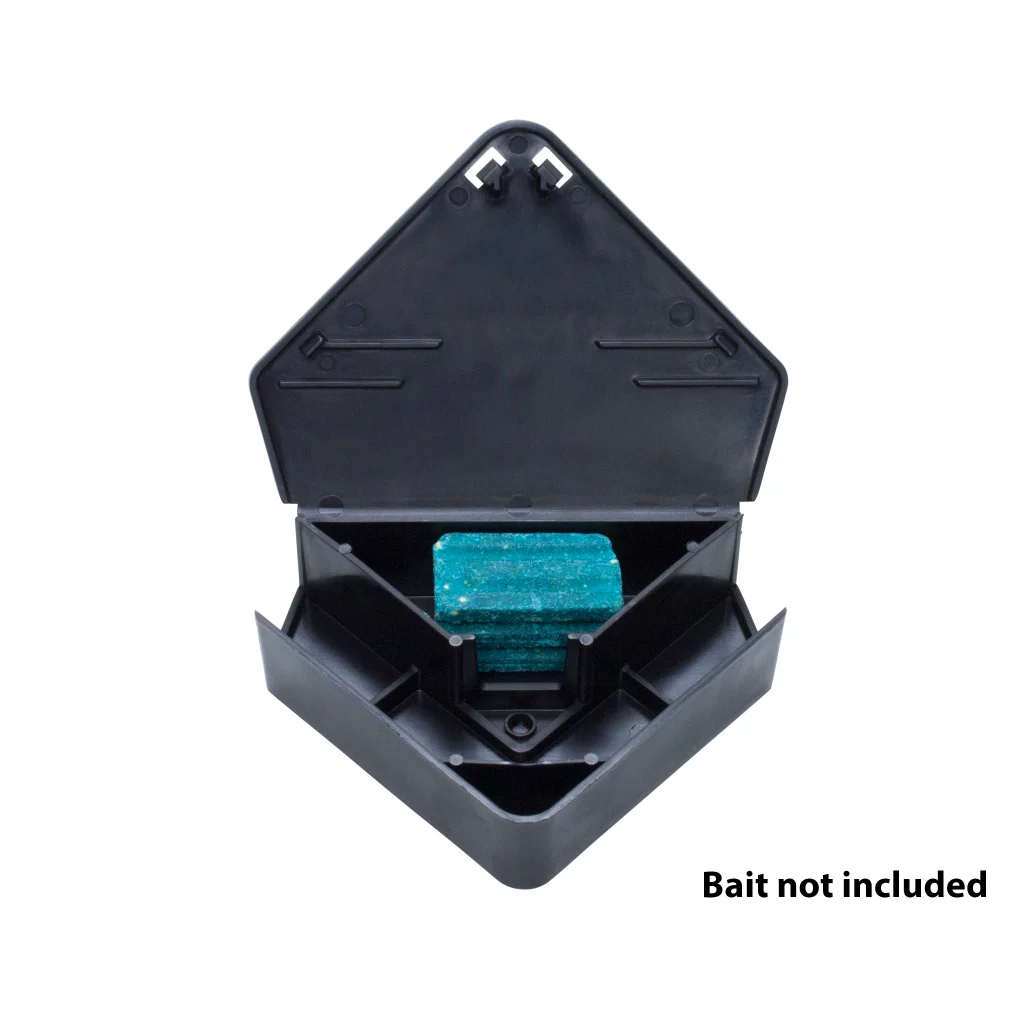
- The Pro Fix: Place heavy-duty, tamper-resistant ready-to-use (RTU) rodent bait stations directly on the ground, flush against the inside edge of each tire. Secure individual block baits onto the internal metal rods inside the station. Because mice must use your tires as a ladder to climb into the engine, they will encounter your perimeter defense bait stations first, consuming the bait and dying away from the vehicle. Place 1 RTU bait station, with bait, on each side of tire (8 total RTUs) for best results. We have also placed RTUs inside the engine compartment as a secondary level of defense.
Professional Automotive Rodent Control Gear
(Note: Secure your professional-grade DIY rodent control gear using the links below. We strongly advise purchasing your pest control supplies directly through Do My Own Pest Control rather than mass-market sites like Amazon. Amazon storefronts are heavily flooded with unverified third-party sellers, expired pest control chemicals, and cheap knock-off deterrents that fail to meet professional standards.)
- Tamper-Resistant RTU Bait Stations: Heavy-duty, locking plastic stations that sit perfectly flat on your garage or driveway floor right next to your vehicle’s tires, keeping baits protected from rain and non-target pets.
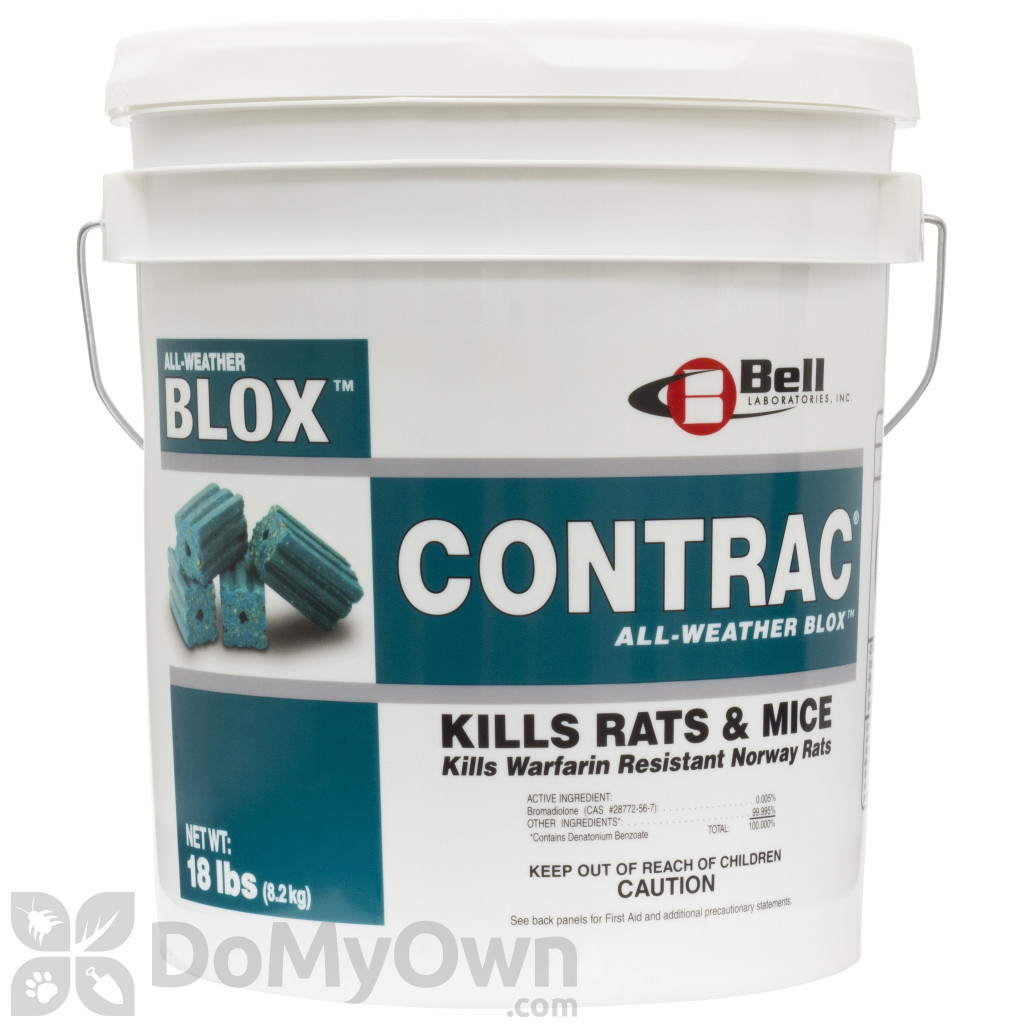
- Weather-Resistant Rodenticide Blocks: High-toxicity bait blocks formulated with specialized food-grade grains and paraffin that won’t melt or degrade under outdoor weather conditions, ensuring long-lasting perimeter protection around your parking pad.
- Bait Station Keys: Professional accessories that keep your stations locked tightly secure against children and non-target wildlife while allowing you to easily monitor bait consumption. (Ships free with RTUs)
Frequently Asked Questions (FAQ)
Can I use mothballs or peppermint oil under my hood?
No. Mothballs are highly toxic, emit dangerous fumes that enter your vehicle’s cabin air intake vents, and are a violation of federal law when used outside of labeled instructions. Peppermint oil sprays dry out and completely vaporize within minutes of your engine reaching operating temperatures, rendering them entirely useless against determined mice.
How do mice get into the interior cabin of a car?
If mice enter your engine bay, they can follow the main wire loom paths through the rubber firewall grommets, or crawl directly inside your HVAC system through the exterior fresh-air intake cowl located right below your front windshield wipers. Once inside the HVAC ductwork, they will chew through your cabin air filter to access the dashboard and seats. From there, they will often seek out structural entry points to move deep into your house framing, so it is vital to know how to keep mice out of walls before they establish a permanent nest inside your home.
Will insurance cover mouse damage to my car wiring?
In most cases, comprehensive auto insurance policies will cover electrical and mechanical damage caused by rodents, minus your standard deductible. You will need to file a claim, document the chewed wires with photographs, and show evidence of nesting material inside the engine bay to your insurance adjuster.
What kind of wire coating is attracting mice to my car?
Most modern automotive manufacturers utilize soy-based plastics and biodegradable bio-resins to insulate their electrical wiring harnesses. While environmentally friendly, these plant-based compounds emit a subtle food-like scent when warm, which actively draws in foraging rodents.
How often should I check my engine if I park outside?
If you live in an area with high rodent pressure or park near woodpiles, tall grass, or fields, you should pop your hood and inspect the engine bay at least once a week. Look specifically for stray leaves, acorns, droppings sitting on top of the battery, or chewed insulation fibers along the hood liner.