Last Updated on October 14, 2026 by Tim L. | Founder of Pest Control Playbook | Reviewed for Scientific Accuracy by our Co-Founder, an Associate Certified Entomologist (ACE)
⚡ Quick Answer
German cockroach bait resistance happens when surviving roaches pass on genetic immunity or behavioral aversion to a specific gel bait formula, making standard treatments useless. To smash resistance, we use a rigid 90-day bait rotation playbook that switches between entirely different chemical classes (IRAC Groups). For heavy or stubborn infestations, your rotation must include next-generation chemistry like Syngenta’s Vanecto Cockroach Gel Bait. Vanecto uses a brand-new active ingredient—Isocycloseram (IRAC Group 30)—which completely bypasses existing resistance, triggering rapid consumption within minutes and achieving a total population crash where older baits fail.
If you are battling an indoor German cockroach infestation and notice that they are completely walking past your gel bait, you aren’t imagining things. You are witnessing insecticide resistance firsthand. When the same gel bait is used month after month, cockroaches adapt. They either develop physiological resistance to the active chemical or behavioral aversion—where they literally refuse to eat the sweet sugars in the bait matrix.
To wipe out a deep indoor infestation, you have to break this cycle. We rely on a professional-grade 90-day rotation playbook that hits roaches with entirely different chemical classes and hyper-attractive bait matrices before they can adapt. In this guide, we will break down the exact rotation schedule, the chemistry required, and how to utilize cutting-edge tools to secure a total cleanout.
💡 Professional Affiliate & Editorial Disclosure
Some links on this page are affiliate links, meaning a small commission may be earned on recommended professional-grade products (like pressurized backpack sprayers, professional mouse baits, and organic insecticides) at no extra cost to you.
The Science of Roach Bait Resistance
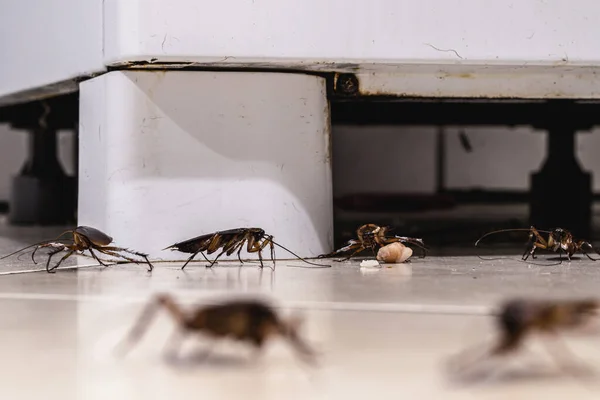
Cockroaches reproduce incredibly fast. A single German roach egg capsule (ootheca) can hold up to 40 nymphs, and a generation can mature in under three months. If a bait application fails to kill 100% of the population, the survivors are often the individuals that have a natural genetic tolerance to that specific poison or a strong distaste for that specific bait flavor.
When those survivors breed, they pass those exact traits on to the next generation. Within a few months, you have an entire colony of roaches that will completely ignore the product you are putting down. To keep them guessing, professionals categorize baits by their IRAC (Insecticide Resistance Action Committee) group numbers, which identify exactly how a chemical attacks the insect’s nervous system. If you switch from one bait to another but both use a chemical in the same IRAC group, you haven’t actually changed anything in the eyes of a roach.
The 90-Day Bait Rotation Matrix
To successfully clear out a stubborn German roach population, you must execute a strict 90-day rotation. This timeline perfectly mirrors the reproductive cycle of the pest, ensuring that emerging nymphs are exposed to a completely different lethal mechanism than their parents faced. Below is the precise strategy we deploy in the field:
| Rotation Phase | Product Example | Active Ingredient | IRAC Group / Mode of Action | |
|---|---|---|---|---|
| Phase 1: Day 1–90 (The Cleanout) | Syngenta Vanecto Cockroach Gel Bait | Isocycloseram (1.0%) | Group 30: GABA-gated chloride channel allosteric modulators | Glucose-averse & resistant strains |
| Phase 2: Day 91–180 (The Maintainer) | Advion Cockroach Gel Bait | Indoxacarb (0.6%) | Group 22A: Voltage-dependent sodium channel blockers | Secondary colony elimination via bio-activation |
| Phase 3: Day 181+ (The Pivot) | Maxforce Magnum Roach Gel Bait | Fipronil (0.05%) | Group 2B: GABA-gated chloride channel antagonists | Catching stragglers with an alternate food matrix |
The Game Changer: Syngenta Vanecto Roach Bait
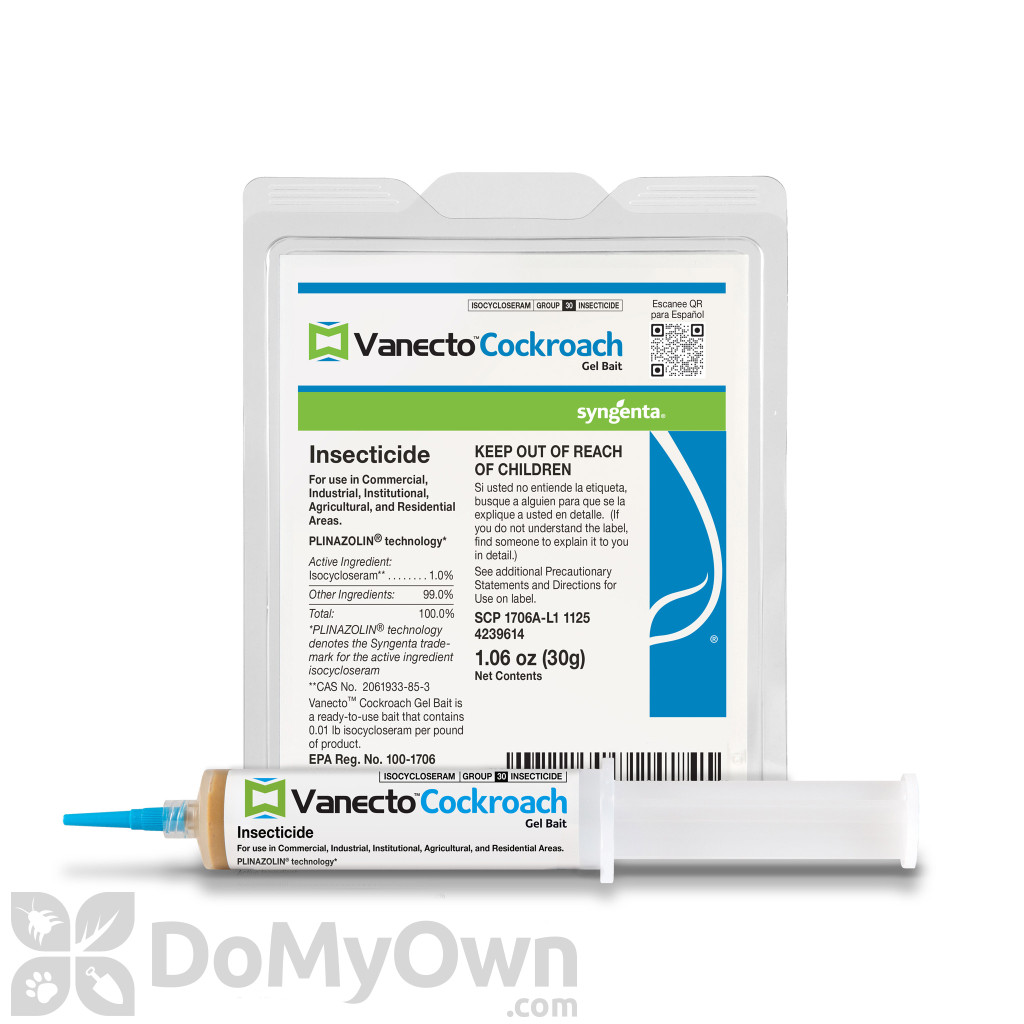
When starting a cleanout on a tough account or a heavy indoor residential infestation, you want an immediate knockdown. This is where Syngenta’s Vanecto Cockroach Gel Bait changes the entire playbook. It is powered by PLINAZOLIN technology, which features the first completely novel chemical mode of action (IRAC Group 30) introduced to the structural pest management industry in twenty years.
Vanecto targets the cockroach’s nervous system at a unique binding site on the GABA receptor. Because roaches have never encountered this specific chemistry before, there is zero cross-resistance—meaning populations that survive other popular commercial sprays or baits are completely defenseless against it.
Our field tests with this formula show incredible palatability. Roaches will actively swarm and devour the bait matrix within 5 minutes of application. Once ingested, individual mortality occurs within 24 to 48 hours. Because of its non-repellent formulation, Vanecto utilizes powerful horizontal transfer. Roaches carry the active ingredient back into hidden harborages, poisoning less mobile nymphs through secondary and tertiary transfer to crash the main breeding colony within 2 to 10 days.
💡 Pro Field Rule: Always apply your gel baits in small, pea-sized drops directly inside cracks, crevices, cabinet hinges, and pipe penetrations. Placing massive lines or globs of bait scares roaches away and causes the gel to dry out prematurely, ruining its palatability.
Application Rules for Your Playbook
- Inspect and Map First: Pull out appliances and check cabinet corners. Place bait placements directly into active harborage gaps, not out in the open where it can be contaminated by dust or household cleaners.
- Track the Dates: Write down the exact date you apply Phase 1. Once Day 90 hits, scrape away any remaining old gel and pivot directly to Phase 2 to catch the newly matured generations before they can build tolerance.
- Pair with Non-Repellents: Never spray a cheap, repellent store-bought aerosol over your bait placements. If you want to use a liquid residual along the baseboards alongside your baiting program, ensure it is a high-quality, non-repellent concentrate.
By treating cockroach elimination as a game of strategic chemistry rotation rather than random spraying, you protect your home or business from costly, endless infestations. Lock down the right rotation schedule, keep the bait fresh, and let the advanced chemistry do the heavy lifting for you.
👉 Recently applied bait and Want to Know How Long Does Roach Bait Take to Work? Read THIS Article Now
Frequently Asked Questions About Roach Bait Rotation
How often should you rotate roach baits?
You should rotate your roach baits every 90 days. This 3-month timeline aligns directly with the development and reproductive cycles of German cockroaches. Rotating at this frequency ensures that any emerging nymphs that may have inherited a mild tolerance to the previous bait matrix are immediately hit with an entirely different chemical mode of action before they can breed.
Can you mix different roach baits together?
No, you should never physically mix different gel baits together or apply them in the exact same spot. Mixing different formulas can cause chemical contamination, which ruins the unique flavor profile and attractiveness of the individual bait matrices. Instead, use one primary bait for your 90-day cycle, or place different baits in completely separate rooms if you are tracking different levels of behavioral aversion.
What is the best professional roach bait on the market right now?
While industry staples like Advion and Alpine are excellent, next-generation chemistry like Syngenta’s Vanecto Cockroach Gel Bait is currently the top choice for tough cleanouts. Because it features a brand-new active ingredient (Isocycloseram), it completely bypasses standard insecticide resistance. Field tests show roaches actively devouring the bait matrix within 5 minutes of placement, making it the ideal Phase 1 choice for a structural rotation playbook.
Why are cockroaches walking past my gel bait?
If roaches are ignoring your gel bait, they have likely developed glucose aversion or physiological resistance. Over time, heavy baiting eliminates roaches that love sugar, leaving behind a surviving population that finds sweet bait matrices repulsive. To solve this, you must clean away the old product and switch to a bait with an entirely different base food matrix and IRAC chemical class, such as moving from a neonicotinoid or fipronil bait over to a Group 30 bait like Vanecto.
Does roach bait attract more roaches from outside?
No. Professional gel baits are formulated with highly localized food attractants designed to draw in pests from only a few feet away. They do not have the range to pull outdoor roaches into your home. The bait simply ensures that the roaches already harboring deep inside your kitchen and bathroom walls are drawn out of their cracks and crevices to feed safely.