
Last Updated on June 24, 2026 by Tim L. | Founder of Pest Control Playbook
Roaches in Your Walls: How to Tell If You Have a Hidden Infestation
With over 30 years of hands-on pest control experience, I’ve inspected thousands of homes and businesses for cockroach infestations. One of the most common questions homeowners ask is: “Can roaches actually live inside my walls?” The short answer is yes—and if you only treat the insects you see, you may never eliminate the infestation.
Yes, Roaches Can Live Inside Your Walls
Cockroaches love dark, warm, and protected spaces. The empty cavities inside walls provide everything they need: shelter, stable temperatures, and easy access to water and food. Once roaches find their way into wall voids, they often establish breeding sites that can be difficult to reach with ordinary sprays.
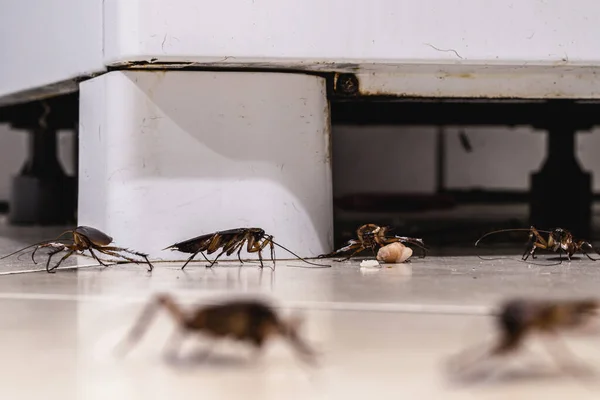
German cockroaches, the species most commonly found inside homes, are especially likely to hide behind drywall, around plumbing penetrations, electrical outlets, kitchen cabinets, and under sinks. Larger species such as American cockroaches may also use wall voids, especially in basements and utility rooms.
If you’re seeing roaches at night but can’t figure out where they’re coming from, there’s a good chance that you have roaches living in your walls.
Signs Roaches Are Living in Your Walls
A hidden infestation often leaves behind clues. Here are some of the most common signs:
- Roaches appearing from behind baseboards or electrical outlets.
- Increased activity after dark.
- Small black droppings that resemble coffee grounds or black pepper.
- Brown smear marks around cracks, corners, or cabinet joints.
- A musty, oily odor in heavily infested areas.
- Finding shed skins or empty egg cases near walls or under sinks.
If you notice several of these signs, the infestation may be much larger than the number of roaches you actually see.
💡👉 For a full roach control breakdown, see our Roach Control Guide
How Do Roaches Get Into Wall Voids?
Cockroaches can squeeze through incredibly small openings. Gaps around plumbing pipes, utility lines, electrical conduits, and even tiny cracks in drywall are enough for them to enter.
In apartment buildings, townhomes, and condos, roaches often travel between units using shared wall cavities. In single-family homes, they commonly move from crawl spaces, garages, basements, and kitchens into wall voids where they can hide during the day.
Why Spraying Alone Usually Doesn’t Work
Many homeowners immediately reach for a can of aerosol roach spray. While sprays can kill visible insects on contact, they rarely penetrate deep enough into wall voids where the majority of the colony is hiding.
In my experience after more than 30 years in the pest control industry, one of the biggest mistakes people make is relying entirely on sprays. You may kill a few roaches that wander out into the open, but the breeding population remains protected inside the walls.
Long-term control almost always requires a combination of targeted baiting, insecticide dusts, sanitation, and exclusion.
👉💡 Read About Roach Baits vs Liquid Treatments Here
The Best Way to Treat Roaches Living in Walls
1. Use High-Quality Roach Baits
Professional-grade gel baits remain one of the most effective tools for eliminating German cockroach infestations. Instead of spraying every surface, place small bait placements near suspected hiding areas such as:
- Under kitchen and bathroom sinks.
- Along cabinet hinges and corners.
- Behind appliances.
- Around plumbing penetrations.
- Near gaps where pipes or wires enter the wall.
Foraging roaches consume the bait and carry it back to the colony, where it can affect other roaches through secondary transfer. This allows the treatment to reach insects hiding deep inside wall voids.
If you’re dealing with an active infestation, baiting should be the foundation of your treatment plan.
👉💡 Read This Article About The Best Roach Baits for 2026
2. Apply Insecticide Dusts to Wall Voids
Insecticide dusts are one of the best-kept secrets used by experienced pest control professionals. When applied correctly, they provide long-lasting control in places that sprays can’t reach.
A light application of a quality insecticide dust can be placed:
- Behind electrical outlet covers (with power safely turned off).
- Around plumbing access points.
- Inside wall voids through existing openings.
- Under cabinets and behind kick plates.
- In crawl spaces and utility chases.
The key is using a very thin layer. More is not better—heavy applications can actually reduce effectiveness because insects avoid piles of dust. A nearly invisible coating is all that’s needed.
Dusts remain active for extended periods in dry, undisturbed areas, making them an excellent companion to a professional baiting program.
👉💡 Read All About Insecticide Dusts and Why They Are So Effective Here
3. Seal Entry Points
After the infestation is under control, seal cracks and gaps around plumbing, utility lines, and baseboards with caulk or appropriate sealants. Exclusion helps prevent new roaches from entering your walls and limits movement between rooms.
4. Eliminate Food and Moisture Sources
Even the best treatment products work better when food and water are limited. Clean up crumbs, repair leaking pipes, avoid leaving pet food out overnight, and reduce clutter around kitchens and bathrooms.
Can You Get Rid of Roaches in Your Walls Yourself?
Yes, many homeowners can successfully eliminate a moderate cockroach infestation themselves if they use the same integrated approach that professionals use. The biggest factors are patience and consistency.
A combination of:
- Professional-grade roach baits
- Properly applied insecticide dusts
- Good sanitation
- Moisture control
- Sealing entry points
The combination of the above will often produce far better results than repeated applications of over-the-counter sprays.
However, if you’re seeing large numbers of roaches during the day, finding multiple egg cases, or living in a multi-unit building where the infestation may be spreading between units, professional treatment may be the fastest solution.
Frequently Asked Questions
Can roaches come through electrical outlets?
Yes. Cockroaches commonly use wall voids and can emerge through gaps around electrical outlets and switches, especially in apartments and older homes.
What kind of roaches live in walls?
German cockroaches are the most common indoor species found in wall voids, although American and Oriental cockroaches may also hide in walls, basements, and utility areas.
Is insecticide dust better than roach spray?
For wall voids, insecticide dust is often much more effective because it remains active longer and reaches areas that liquid sprays cannot. The best results usually come from combining dusts with professional-grade roach baits.
How long does it take to get rid of roaches in walls?
A small infestation may improve within a few weeks, while larger infestations can take one to three months to fully eliminate. Consistent baiting and proper use of insecticide dusts significantly improve the chances of success.

Final Thoughts
If you’re wondering whether roaches can live in your walls, the answer is absolutely yes. In fact, that’s where many infestations spend most of their time. After more than 30 years in the pest control industry, I’ve found that successful roach control isn’t about spraying everything in sight—it’s about targeting where the colony actually lives.
By combining professional-grade roach baits with strategically applied insecticide dusts, reducing food and moisture sources, and sealing entry points, homeowners can often eliminate even stubborn wall infestations without wasting money on ineffective treatments.
If you’ve started seeing roaches emerge from outlets, baseboards, or gaps around pipes, don’t ignore the warning signs. The sooner you target the hidden colony inside the walls, the easier it will be to bring the infestation under control.
This guide combines more than 30 years of hands-on pest control experience, plus the scientific expertise of a certified entomologist who co-founded Pest Control Playbook with me, in the hopes of giving guidance and expertise to the DIY pest control folks out there.
About The Author
As the founder of Pest Control Playbook, I have more than 30 years of hands-on experience in the pest control industry. Drawing from real-world field work in residential and commercial settings, the goal of this site is to provide homeowners with practical, straightforward pest control advice that actually works.