Last Updated on September 11, 2026 by Tim L. | Founder of Pest Control Playbook | Reviewed for Scientific Accuracy by our Co-Founder, an Associate Certified Entomologist (ACE)
Stepping into your vehicle and finding a line of ants crawling across your dashboard, steering wheel, or passenger seats can be an immediate source of frustration. Your car is a confined space, and the last thing you want to do is sit in traffic while insects travel up your legs.
The good news is that ants rarely establish a permanent, structural nest inside a vehicle the way they do inside a residential home. Most of the time, they are simply utilizing your car as a temporary foraging ground.
In our 40+ years of hands-on field experience, I have cleaned out hundreds of infested vehicles, ranging from daily commuters to long-haul trucks. By blending decades of road diagnostics with our team’s Associate Certified Entomologist (ACE) credentials, we can bypass the generic internet advice and target exact ant biology. This handbook breaks down precisely why ants are targeting your vehicle, how to eliminate them safely without exposing yourself to harsh pesticide residues, and how to keep them out for good.
💡 Professional Affiliate & Editorial Disclosure
Some links on this page are affiliate links, meaning a small commission may be earned on recommended professional-grade products (like pressurized backpack sprayers or commercial baits) at no extra cost to you.
The Core Problem: What Is Drawing Ants Into Your Vehicle?
Ants do not explore your car out of spite. They are driven entirely by biological survival mechanisms: food, sugar, and moisture. Because a vehicle experiences drastic temperature shifts, even tiny attractants can spark a massive trailing influx overnight.
1. Forgotten Food and Hidden Crumbs
This is the number-one culprit on the road. A single stray French fry dropped between the center console and the driver’s seat, half a bag of forgotten road-trip snacks in the seatback pocket, or pet treats rolling around the floorboards provide an endless supply of carbohydrates and proteins for a foraging colony.
2. The Sticky Residue of Sugary Drinks
Spilling soda, coffee, sports drinks, or morning juice into a cup holder creates an immediate beacon for scout ants. Even if you wipe up the puddle with a napkin, the invisible, dried, sticky sugar film that remains is more than enough to anchor a chemical pheromone trail.
3. Subterranean Moisture Searching
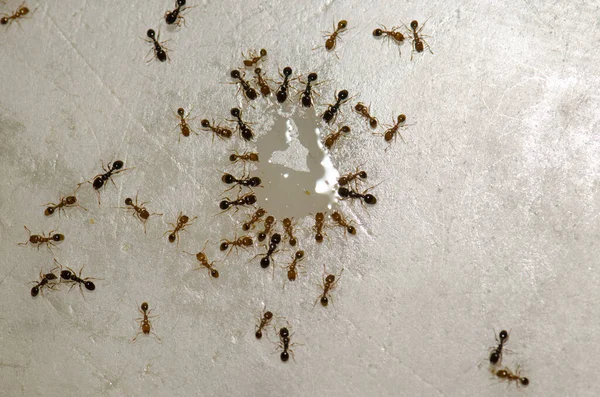
During periods of intense summer heat or prolonged drought, certain ant species (like Odorous House Ants or Argentine Ants) will aggressively hunt for moisture. Condensation dripping from your vehicle’s air conditioning lines, a leaky water bottle rolling under the passenger mat, or damp flooring from a recent rainstorm will draw them right inside your cabin.
4. High-Risk Parking Locations
One of the most overlooked variables has absolutely nothing to do with the interior cleanliness of your vehicle. If you park your car with a tire resting directly against a landscaping timber, over a cracked asphalt driveway, or under a tree branch teeming with aphids, you have provided a literal highway system for ants. They will climb your tires, travel up your suspension, and enter your engine bay or door seals within minutes.
Why Spraying a Traditional Bug Bomb in a Car Fails
When homeowners see ants in their car, their first instinct is often to buy a retail “bug bomb” or a heavy aerosol contact spray and blast the interior. I strongly advise against this.
Total-release foggers and heavy pesticide sprays are highly ineffective inside vehicles and create an immediate health hazard. A vehicle’s interior contains thousands of intricate plastic, leather, and fabric electronics components where the fog cannot penetrate. Worse, the chemical mist settles heavily on your steering wheel, seats, and seatbelts—creating a direct skin-contact exposure risk inside a tight, unventilated space.
Furthermore, spraying a contact killer merely eliminates the 10% of the ants out foraging. It does absolutely nothing to stop the remaining colony waiting down in the soil beneath your parking spot.
👉👉 Read THIS Article Now to Find the Best Ant Baits that Actually Work
Master Technician Tactics: How to Clear Vehicle Ants Fast
To eradicate the infestation without contaminating your driving space, follow this precise professional cleanout process:
1. Execute a Total Environmental Cleanout
Remove every single loose item from your vehicle. Pull out the floor mats, empty the glove box, clear out the center console, and check the spare tire well in the trunk. Throw away all trash, wrappers, and old straw wrappers immediately.
2. Deep-Vacuum the Tracks
Using a high-powered vacuum with a narrow crevice attachment, systematically clean the recessed tracks of your seats, the tight crevices beneath the center console, and the seams of the seat cushions where crumbs naturally settle.
3. Neutralize the Pheromone Trails
Wipe down all hard interior surfaces—including cup holders, dashboards, and door panels—with a warm, soapy microfiber cloth or an interior-safe cleaner. This physically strips away the invisible aggregate pheromone scents that scout ants used to guide the rest of the colony into your vehicle.
4. Deploy Strategic Overnight Baiting
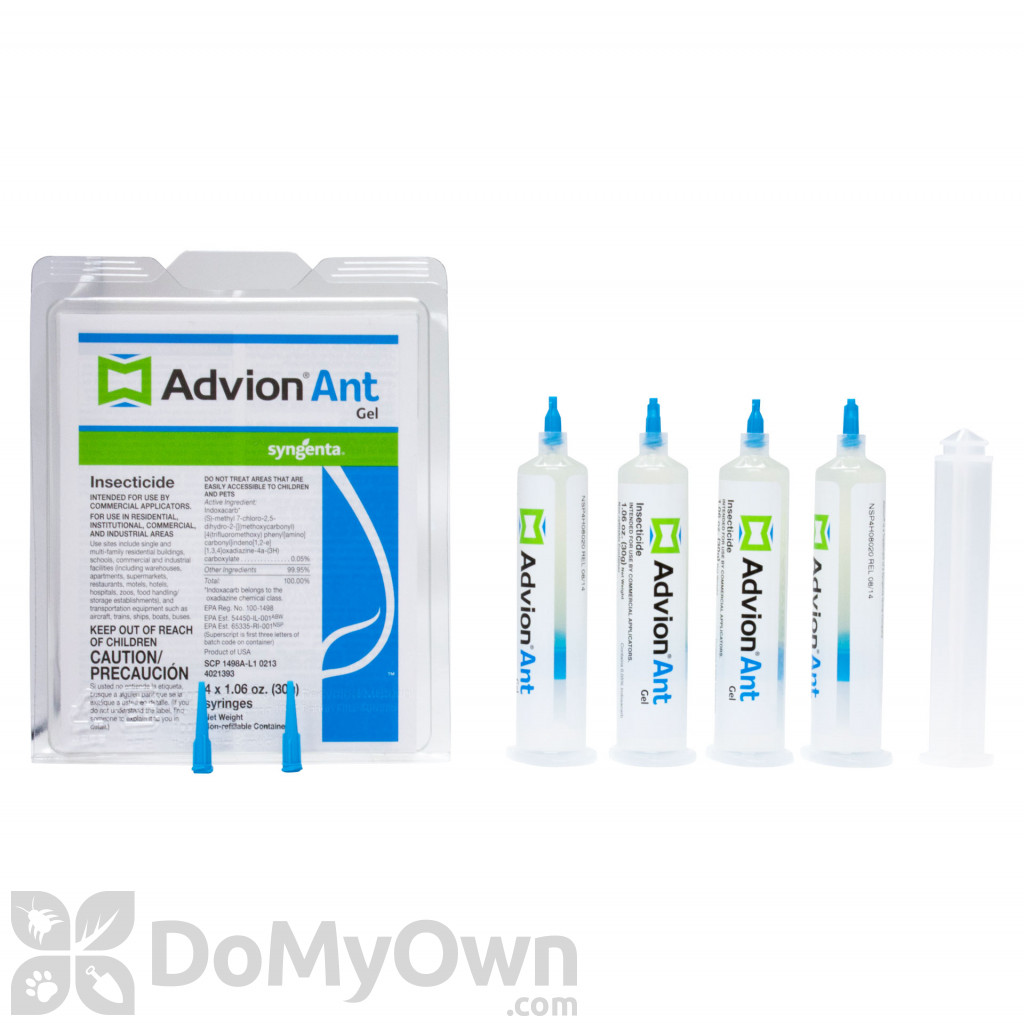
If ants continue to appear after a thorough cleaning, let their foraging biology do the heavy lifting. Place a small, self-contained professional gel or liquid ant bait station flat on the floorboard of the car overnight while the vehicle is parked. The workers will consume the bait, travel back down out of the car, and distribute it to the queen, destroying the root source.
⚠️ CRITICAL FIELD SAFETY NOTE: Always remove the bait station from the floorboard and store it safely in a sealed container before starting the engine or driving the vehicle. Never leave open bait stations loose while the car is in motion.
🛒🥇 Use Advion Ant Bait to Get Rid of Ants in Your Car Fast! 👇👇 Check Prices and Availability on DoMyOwn Now 👇👇
The Master Vehicle Ant Diagnostics Checklist
Use this field inspection checklist to systematically secure your vehicle, break the trailing habits, and protect your parking zones.
Step 1: Vehicle Interior Triage
- Pull back all removable floor mats and check the carpet underneath for hidden moisture pockets or spilled organic material.
- Slide both front seats completely forward and completely back to inspect the hidden floor tracks underneath.
- Empty all side door pockets; check for sticky residue from old wrappers or cups.
- Check the trunk or cargo area, paying close attention to seams where groceries or pet food bags are loaded.
Step 2: External Parking & Boundary Audit
- Inspect your primary driveway or parking spot; look for active ant mounds or trailing lines in the expansion joints.
- Move the vehicle to an entirely different parking location for 48 to 72 hours to instantly sever the physical connection to the local ground colony.
- Ensure no low-hanging tree branches, bushes, or ornamental grasses are physically contacting any part of your vehicle’s roof, windows, or body panels.
- Examine your vehicle’s tires; if you see active trailing on the rubber, lightly apply a perimeter-approved residual spray on the ground around the tires (never on the vehicle itself).
Step 3: Preventative Maintenance
- Establish a strict “no open trash” rule inside the vehicle overnight.
- Keep a small pack of interior-safe wet wipes in the glove box to instantly clean up coffee or soda spills on the road.
- Check your cabin air filter area during regular maintenance; ensure no leaves or organic debris are collecting in the cowl, which can draw moisture-seeking ants.
Disclaimer: While the pest control methods outlined in this handbook reflect decades of professional field experience and rigorous entomological review, always read, understand, and strictly follow the specific manufacturer labels on any pest control products applied to your property.