Last Updated on September 10, 2026 by Tim L. | Founder of Pest Control Playbook | Reviewed for Scientific Accuracy by our Co-Founder, an Associate Certified Entomologist (ACE)
If you are tracking trailing ants across your kitchen countertops, bathroom tile, or baseboards, your first instinct is probably to grab a can of big-box store spray and blast them. That is the single biggest mistake you can make.
In our 42 years of hands-on field experience, we have seen homeowners spend hundreds of dollars on contact killers, only to multiply their problem overnight. To eradicate an infestation for good, you have to hit the heart of the colony: the nest. While our co-founder’s Associate Certified Entomologist (ACE) credentials give us the scientific breakdown of colony dynamics, finding that hidden fortress requires pure, practical field execution. This handbook covers exactly how to track down and eliminate ant nests behind drywall, under concrete slabs, and across residential landscapes.
The Golden Rule: Weaponize the Foraging Trail
Never disturb a line of foraging ants. Worker ants are bound by chemical biology; they travel back and forth between structural food sources and their hidden colony by following precise pheromone trails laid down by scout ants.
Instead of spraying them, you must use their behavior against them.
- Audit the Activity Windows: Ants do not forage randomly. Peak trailing hours typically occur during the high-humidity windows of early morning or late evening. Turn off the kitchen lights, grab a strong flashlight, and observe their direction.
- The Granular Trick: If you spot sporadic ants outside but cannot find a solid line, drop a small pinch of professional granular ant bait or a tiny smear of honey along the foundation wall. Sit back for ten minutes. Once they lock onto the food source, they will form a distinct, high-traffic highway leading straight back to their structural entry point.
💡 Professional Affiliate & Editorial Disclosure
Some links on this page are affiliate links, meaning a small commission may be earned on recommended professional-grade products (like pressurized backpack sprayers or commercial baits) at no extra cost to you.
Primary Structural Gaps and Nesting Harborages
Ants do not randomly chew through solid drywall; they follow the path of least physical resistance. When I inspect a home, I immediately target areas where high moisture intersects with architectural voids.
Common Exterior Anchor Points
- Mulch Beds and Foundation Expansion Joints: Deep wood mulch retains intense moisture. Pull back the top layer of mulch against your foundation wall to expose hidden satellite nests.
- A/C Condenser Lines and Utility Gaps: Gaps around incoming plumbing lines, electrical conduits, and HVAC lines are open invitations. Ants utilize these lines like a transit system to travel from the soil straight into your wall voids.
👉👉 Do Ants Cause Structural Damage to Your Home> Read THIS Article Now to Find Out
Critical Interior Harborages
- Under Kitchen and Bathroom Cabinets: The dark, unventilated void directly beneath your sink base cabinets is a premier nesting hotspot due to hidden trap leaks or condensation on plumbing lines.
- Window and Door Frames: Damaged exterior caulking allows rainwater to seep into window headers and door sills, softening the wood and creating a perfect, high-moisture nesting pocket behind the drywall.
Field Identification: Carpenter Ants vs. Moisture Ants
How you treat a nest depends entirely on what species is occupying it. Misidentifying the ant means misapplying your material.
Carpenter Ants (Structural Threat)
If you are dealing with large, black ants, you are likely looking for a carpenter ant colony. They do not eat wood, but they excavate it to expand their galleries. Look for “frass”—a material resembling fine sawdust mixed with insect parts—pushing out from baseboards or window trim. If you listen closely to a suspected wall void at night, you can actually hear a faint, dry rustling sound as thousands of workers move inside the sheetrock.
Sugar and Odorous House Ants (Nuisance Threat)
If the ants are small, brown, and running erratically when disturbed, they are likely Odorous House Ants. Crush one between your fingers; if it emits a pungent, rotten coconut odor, that is your confirmation. These colonies are highly fluid, often nesting under stepping stones or inside wall voids right next to bathroom water lines.
What to Do If the Nest Is Completely Unreachable
Do not panic if an ant trail vanishes behind a brick facade or deep beneath a poured concrete slab. In my early career, I wasted hours ripping out drywall trying to pinpoint every single colony. I quickly learned that understanding behavioral biology is far more effective than brute force.
If the nest is physically inaccessible, you must let the workers do the heavy lifting for you.
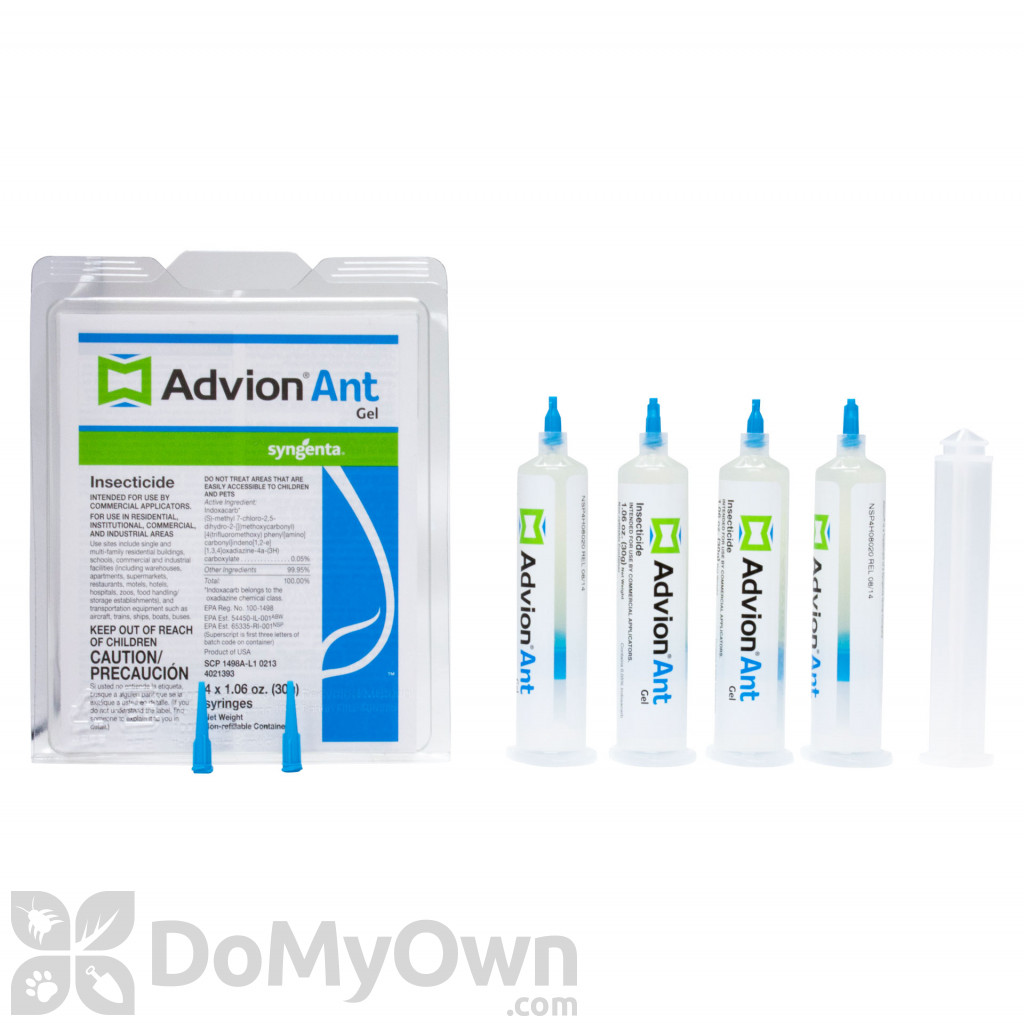
Applying a non-repellent gel bait or a specialized undetectable liquid transfer chemical ensures that the foraging ants walk through or consume the material without realizing it is lethal. They will naturally carry it deep into the structural voids, passing it from worker to worker, and ultimately killing the queen.
🛒🥇 We Use THIS ant bait in the field everyday. It has a fast knockdown, and is our Go-To for killing ant colonies. 👇👇 Check Prices and Availability on DoMyOwn Now 👇👇
The Master Field Diagnostics Checklist
Use this deep-dive inspection checklist to systematically audit your property and locate the source of the infestation.
Step 1: Exterior Perimeter Search
- Inspect all downspout splash blocks; check underneath for hidden colonies.
- Examine the lower 12 inches of exterior siding for active trailing lines.
- Check tree branches or shrubbery touching the roofline or gutters; ants use these as bridges to bypass ground treatments.
- Lift landscape timbers, rocks, and decorative brick borders within 15 feet of the foundation.
Step 2: Interior Source Isolation
- Pull back the vanity base plates under bathroom sinks to check for hidden plumbing pipe leaks.
- Inspect the internal tracks of sliding glass doors for debris and moisture buildup.
- Audit dishwasher kickplates; the high-heat, high-moisture motor void is a major attractant.
- Check attic insulation directly above rooms where ants are trailing below; satellite nests frequently anchor in warm attic spaces.
Step 3: Actionable Bait Placement
- Apply gel baits in small, pea-sized dots directly adjacent to the active trail, never directly on top of it.
- Keep children and pets away from treated areas during the baiting process.
- Monitor the bait station over 48 hours; if the material is completely gone, replenish it immediately until trailing completely ceases.
Medical Disclaimer: While the pest control methods outlined in this handbook reflect decades of professional field experience and rigorous entomological review, always read, understand, and strictly follow the specific manufacturer labels on any pest control products applied to your property.