
Last Updated on September 8, 2026 by Tim L. | Founder of Pest Control Playbook | Reviewed for Scientific Accuracy by our Co-Founder, an Associate Certified Entomologist (ACE)
Walking into your kitchen late at night, flipping on the light switch, and seeing a roach all of a sudden scurry under the refrigerator is a sickening feeling. It instantly triggers a wave of panic, leaving you wondering how your clean home suddenly became a harbor for nasty pests.
The biggest misconception homeowners have when they see a bug is assuming it happened by chance.
In my 40+ years of combined experience in the professional pest control industry, running commercial route trucks and managing heavy residential structural accounts, I can tell you that roaches do not just randomly show up overnight. There is always a root cause.
If you are seeing roaches all of a sudden, it means an environmental change occurred either inside your home, right next door, or in the weather pattern outside. This change gave the pests a direct pathway or a reason to move in.
Co-authored alongside our co-founder, an Associate Certified Entomologist (ACE), this guide breaks down the true real-world causes behind a sudden roach appearance and the exact professional system you need to execute to wipe them out before they establish a massive breeding population.
Why a Roach Problem Feels Sudden (But Usually Isn’t)
Before we look at the entry causes, you need to understand the biological reality of how these insects operate.
Roaches are nocturnal, cryptic, and evolutionary masters at hiding. They can squeeze their flat bodies into cracks no thicker than a quarter. They spend the vast majority of their lives tucked deeply inside wall voids, behind kitchen cabinetry, and underneath heavy appliances.
By the time you see a single roach out in the open during daylight hours or right when you flip on a light, they have likely already been breeding in your home for three to six weeks.
What feels like an instantaneous infestation is usually a growing population that has simply run out of hidden nesting space, forcing bolder roaches out into public view to search for food.
💡 Professional Affiliate & Editorial Disclosure
Some links on this page are affiliate links, meaning a small commission may be earned on recommended professional-grade products (like pressurized backpack sprayers or commercial baits) at no extra cost to you.
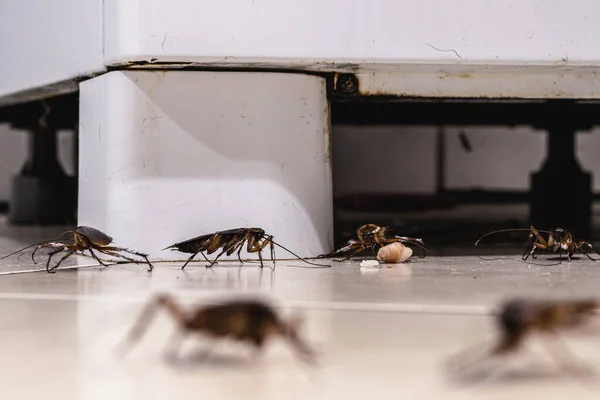
The Top 5 Reasons Roaches Appear Suddenly In Your House
When we audit a home that has a sudden flare-up, the source almost always traces back to one of these five specific industry scenarios:
1. High-Intent Hitchhikers (The Most Overlooked Entry)
Roaches are incredible hitchhikers. You do not have to have a dirty home to get them; you just have to be an active shopper.
- Cardboard Shipping Boxes: Corrugated cardboard boxes are a prime target. The glue used to hold shipping boxes together is made of starch, which serves as a food source for roaches. They will lay egg capsules (oothecae) inside the corrugated folds at fulfillment warehouses, which then hatch inside your laundry room or kitchen after delivery.
- Grocery Bags & Product Packaging: Roaches frequently ride home from the grocery store inside bulk beverage cases, potato sacks, or reused bags.
- Used Furniture and Electronics: Buying a secondhand couch, refrigerator, or microwave can introduce an active, mature population directly into your living room.
2. Sudden Shifts in External Weather Patterns
Roaches are highly sensitive to their environment. When the outdoor elements become unlivable, your home becomes their sanctuary.
- Heavy Rain and Flooding: Torrential downpours saturate the soil and fill up outdoor drainage systems, sewer lines, and water meters. Species like the large American cockroach or Oriental roach are forced out of these subterranean habitats and climb upward into your home’s weep holes, crawl space vents, and pipe penetrations to avoid drowning.
- Extreme Heat and Drought: When summer temperatures skyrocket and outdoor water tables dry up, roaches migrate indoors purely in search of moisture to stay alive.
3. New and Unprotected Food Sources
Roaches require very little caloric intake to maintain a colony, but a sudden abundance of food will draw them out like a magnet.
- Pet Food Bowls: Leaving a bowl of dry dog or cat kibble out on the floor overnight is an open buffet. Pet food is packed with proteins and fats that roaches crave.
- Neglected Kitchen Surfaces: A stove surface covered in a thin layer of cooking grease, a full trash can without a tight-fitting lid, or unwashed dishes sitting in the sink overnight provide more than enough food to support hundreds of pests.
4. Undetected Micro-Moisture Leaks
A roach can live for nearly a month without food, but it will die in less than a week without water. If a pipe or appliance starts failing out of sight, a roach colony will establish around it rapidly.
- Pinhole Sink Leaks: A slow drip under the kitchen or bathroom sink that darkens the vanity cabinet base creates a perfect high-humidity breeding ground.
- Refrigerator Drain Pans: The condensation pan underneath your refrigerator stays warm and wet, making it the number-one target area for German cockroaches.
5. Spillover From Surrounding Properties
If you live in a multi-family complex, apartment building, townhome, or a closely packed suburban neighborhood, your pest control is only as good as your neighbor’s.
- If a nearby unit develops a severe infestation or undergoes a disruptive, improper chemical treatment (like using cheap retail bug bombs), the roaches will flee through the shared utility lines, wall voids, and plumbing pipes, causing them to suddenly burst into your clean apartment.
The Professional Playbook System to Eliminate Them
When homeowners panic over a sudden roach appearance, they usually run to the local big-box store and buy a couple of cheap aerosol cans or liquid bug sprays.
This is the biggest mistake you can make.
Spraying a repellent chemical randomly along your baseboards simply scares the roaches, scattering the colony deeper into your walls and making them harder to kill. To solve a sudden problem before it turns into a long-term nightmare, you must use a systematic approach.
👉👉 Read THIS Article to Find Out the Best Roach Baits that we use in the field
Step 1: Deploy Non-Repellent Professional Baits
Instead of trying to spray individual bugs, you need to use their communal nature against them.
- Apply tiny, pea-sized dots of high-performance baits (such as Advion Trio Cockroach Gel Bait or Maxforce FC Select) inside cabinet hinges, behind appliances, and near water lines.
- The worker roaches eat the bait, carry it back to the hidden nesting voids, and spread the active ingredient throughout the entire population via grooming and cannibalism, completely knocking out the hidden breeding engine.
🛒🥇 These are the Best Roach Baits, Field Tested and Proven. 👇👇 We use these in the field on a daily basis 👇👇 Check availability on DoMyOwn Now 👇👇

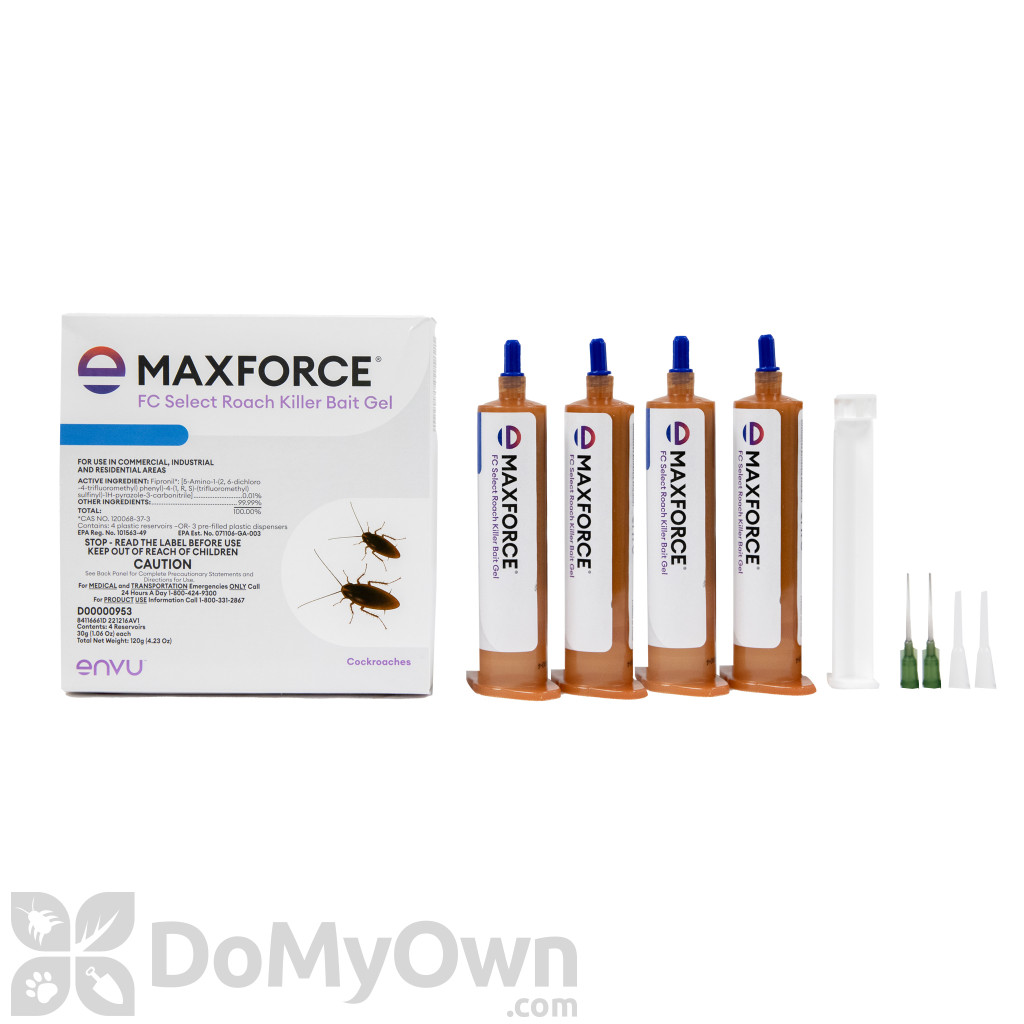
Step 2: Stop the Breeding Cycle with an IGR
Pair your baiting program with an Insect Growth Regulator (IGR) like Gentrol. IGRs act as birth control for bugs. They do not kill the roach instantly; instead, they mimic natural hormones to mutate juvenile roaches as they molt, preventing them from ever developing wings or becoming reproductively mature adults. This permanently halts colony growth.
Step 3: Sanitize and Sieve Out Moisture
Deprive the invading pests of their survival elements. Fix any dripping pipe joints under your sinks, dry out the condensation trays, pull your kitchen trash out to the exterior garage nightly, and store all pantry goods in airtight plastic containers. If there is no easy food or water available, the roaches are forced to consume your toxic bait stations much faster.
What to Expect During the Cleanout Phase
Once you apply a professional baiting and IGR system, do not expect the roaches to vanish within five minutes.
- Days 1 to 3: You will actually see an increase in roach activity. This is completely normal. The attractants in the bait are pulling the hidden roaches out of the wall voids to feed.
- Days 7 to 14: You will begin finding dead and dying roaches on the floor as the toxic transfer effect spreads through the colony.
- Week 4: The breeding cycle collapses, and your sudden roach problem is fully eliminated.
If roaches persist after 1 month, it may be necessary to contact your local pest control professional.