Last Updated on September 3, 2026 by Tim L. | Founder of Pest Control Playbook | Reviewed for Scientific Accuracy by our Co-Founder, an Associate Certified Entomologist (ACE)
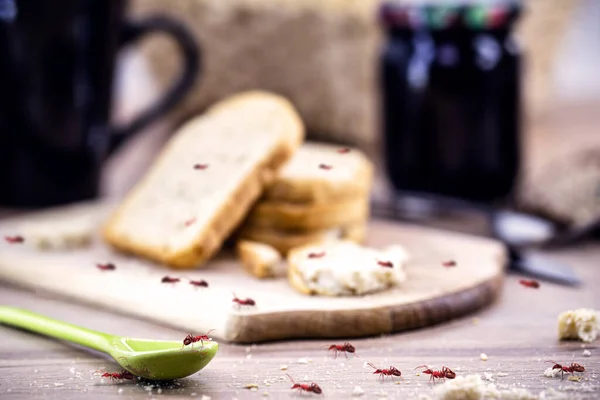
When you see a trail of ants marching across your kitchen counter, your first instinct is probably to grab a retail spray can and blast them.
Let me tell you why that is a massive mistake. In our combined 40+ years of experience and the knowledge of being an Associate Certified Entomologist (ACE), we have seen homeowners waste thousands of dollars on pesticide sprays. Sprays only kill the fifty worker ants you see on contact. Worse, they trigger a defense mechanism called budding. The millions of ants hidden deep inside your walls realize they are under attack, split their single colony into multiple new factions, and come back next week twice as strong.
If you want to stop playing whack-a-mole with ants, you have to use professional-grade bait. Baits exploit the colony’s natural food-sharing system. Foraging worker ants eat the slow-acting bait, carry it down into the nest, and feed it directly to the larvae and the queen. You aren’t just killing the bugs you see; you are collapsing the entire reproductive engine of the infestation.
However, ants are incredibly picky eaters. A bait that obliterates one species will be completely ignored by another. Based on our decades of field testing and entomological data, here are the absolute best ant baits on the market today and exactly how to use them.
Best Ant Baits: The Quick Picks
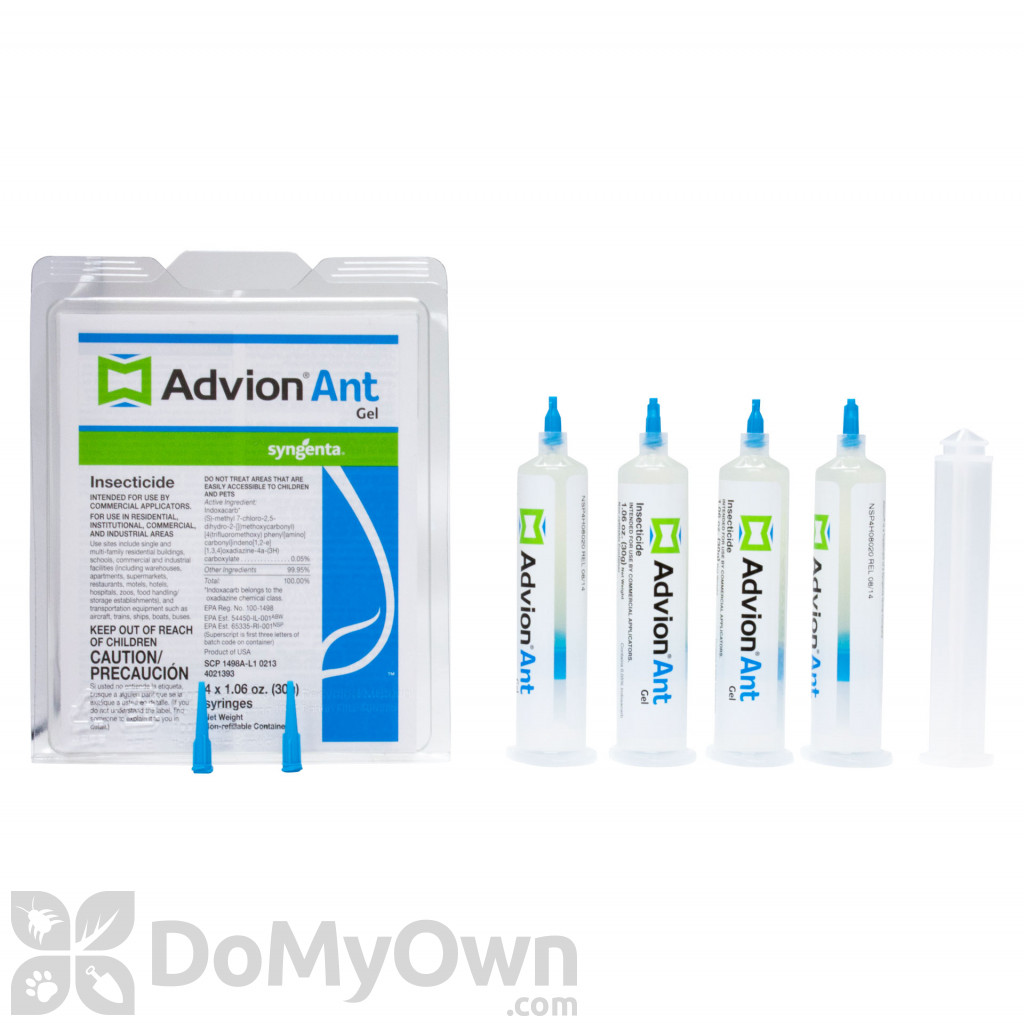
- Best Overall Performance: Advion Ant Gel Bait. This is the undisputed champion of the pest control industry. It features a hyper-attractive matrix that ants cannot resist, and its slow-kill mechanism provides maximum colony transfer.
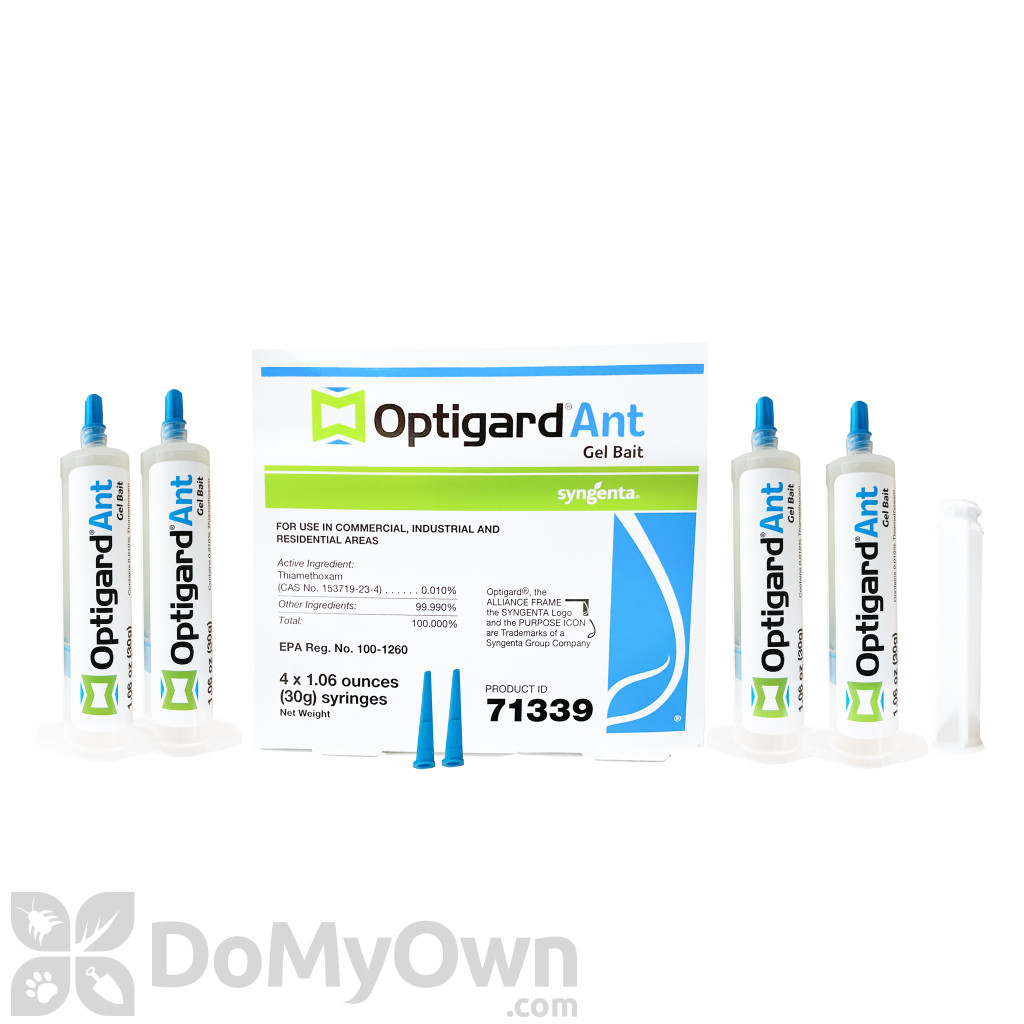
- Best for Sweet-Eating Sugar Ants: Optiguard Ant Gel Bait. When ants are heavily targeting sugars and ignoring other products, this clear, highly sweet formula knocks them out in days.
- Best for Outdoor Perimeters: Niban Granular Bait. A weather-resistant granule that mimics protein and carbohydrate food sources. This is your first line of defense to stop colonies before they ever cross your foundation wall.
💡 Professional Affiliate & Editorial Disclosure
Transparency Note: At Pest Control Playbook, our mission is to provide actionable, field-proven advice backed by 42 years of combined field experience. To keep our deep guides free and support the site, some of the links on this page are affiliate links. If you click through and buy a recommended professional-grade product, we may earn a small commission at no extra cost to you. We only recommend solutions we have personally used to solve real-world infestations in the field.
Understanding the Different Types of Ant Baits
To get results like a professional, you have to match the formulation to what the colony is actively craving. Ants constantly shift their dietary needs based on the season, the lifecycle of the larvae, and the environment.
Gel Baits for Cracks and Crevices
Gel baits are highly versatile and allow for pinpoint placement. Gels are the ultimate weapon for indoor kitchen infestations. You can squeeze small, pea-sized dots directly into the hidden gaps where ants are traveling—behind baseboards, where plumbing lines meet the drywall, and along cabinet hinges. They maintain their moisture content for days, which is critical because ants prefer wet bait over dried-out crust.
Liquid Baits for Heavy Foragers
Liquid baits are engineered primarily for tiny, sugar-loving species like Odorous House Ants and Argentine Ants. These species travel in massive numbers and have a high demand for moisture and sugar. Liquid baits allow hundreds of ants to feed simultaneously without crowding each other out. The only downside is they require dedicated plastic stations to prevent the liquid from running or collecting dust.
Granular Baits for Outdoor Moats
Granular baits look like small pieces of sand or cornmeal. They are coated in an attractant that mimics proteins or greasy foods. Do not use granular baits inside living spaces. Instead, these are meant to be broadcast across your outdoor mulch beds, flower pots, and lawn transitions. They are specifically formulated to withstand light rainfall and sun exposure, making them perfect for early spring preventative cleanouts.
🥇🛒 My #1 Field Tested Choice for the Best Ant Bait. 👇 👇👇👇 Check Price on DoMyOwn Now
The Pro’s Strategic Placement Playbook
You can buy the best bait in the world, but if you place it in the middle of a wide-open kitchen floor, the ants will walk right past it. Ants are cover-seeking creatures. They navigate using their antennae along structural lines and edges.
When baiting a kitchen, always look for edge transitions. Place small dots of gel directly inside the corner tracks of window sills, right at the junction where the kitchen backsplash meets the countertop, and directly around the plastic escutcheon plates where the plumbing lines emerge under the sink.
If you see an active trail of ants marching across your counter, do not drop the bait right on top of the lead ant. Put the bait two or three inches to the side of the trail. This allows them to naturally discover the new food source and recruit their nest mates without causing a panic that disrupts their travel pattern.
The Pro Team’s Deep-Dive Ant Baiting Success Checklist
Baiting is an exercise in patience. If you do it wrong, you are simply feeding the colony and making them stronger. Follow this exhaustive handbook checklist to ensure your baiting program completely eradicates the nest.
Step 1: Sanitize and Isolate the Area
- Eliminate Competing Food Sources: Move all open cereal boxes, sugar bags, and pet food into airtight plastic containers. Deep-clean your toaster trays, wipe down the tracks behind your stove, and don’t leave dirty dishes in the sink overnight. If the ants have a choice between your spilled honey and the bait, they will choose the honey every single time.
- Wipe Down Non-Trail Surfaces: Keep the immediate baiting area clean, but do not use harsh chemical cleaners, bleach, or essential oils anywhere near the ant trails. These strong scents act as repellents, ruining the attractive qualities of your bait and scattering the colony.
Step 2: Apply the Product Correctly
- Use Small Pea-Sized Dots: Do not smear gel bait in long, messy lines like toothpaste. Long lines skim over and dry out within a few hours. Instead, place multiple small, distinct dots. This keeps the core of the gel wet and attractive for much longer.
- Keep Out of Direct Sunlight: Apply gel baits in shadowed, protected voids. Direct sunlight bakes the moisture out of professional gels rapidly, turning them into hard plastic that ants cannot consume.
🥈🛒 Check Price on DoMyOwn NOW 👇👇👇 for Our Field Tested 2nd Pick for Ant Gel Bait
Step 3: Manage the Feeding Phase
- Expect a Surge in Activity: Within 24 to 48 hours of placing fresh bait, you will likely see a massive explosion of ants on your counters. Do not panic. This means the foraging workers have alerted the nest and are actively hauling the poison back to the queen. Let them feed completely unhindered.
- Never Spray Near Active Bait: This is the number one mistake we see in the field. If you get frustrated and spray a common retail aerosol near your bait station, you will kill the workers before they can deliver the food to the queen, rendering the entire treatment useless.
Step 4: Long-Term Monitoring
- Refresh the Dots Every Three Days: If you have a massive colony behind your drywall, they can clean out your bait dots overnight. Check your placement zones every 72 hours. If the dots are gone or have become dry and brittle, scrape away the residue and apply a fresh batch.
- Transition to Outdoor Granules: Once indoor activity stops, immediately walk outside and broadcast a granular barrier around your foundation perimeter. This catches neighboring colonies that are looking to move into the territory you just cleared out.
👉👉 Looking for a Complete Ant Elimination Guide? Read THIS Now
When Your Infestation Requires Professional Intervention
Most residential ant problems can be completely solved using the high-grade baits and structural checklist outlined above. However, if you have been consistently baiting for more than three weeks and the trails show zero signs of slowing down, you are likely dealing with a massive multi-queen satellite network or a deep wood-boring Carpenter Ant infestation.
Carpenter ants do not feed heavily on standard sweet gels and require a completely different tactical approach, including specialized foam applications inside the wall cavities. In these advanced scenarios, continuing to dump retail products onto the problem is a waste of time and money—it is time to bring in our team or an expert to pinpoint the primary nesting gallery.
Disclaimer: This guide is for educational and preventative purposes only. Always read and follow the specific manufacturer label instructions on any professional-grade pest control product before application. Keep all baits out of reach of children and domestic pets.