
One of the Most Powerful Roach Treatments Most Homeowners Never Use
When most people try to get rid of roaches, they immediately think of sprays, traps, or foggers.
But one of the most effective treatments we have used over our 30 years in the pest control industry is something many homeowners completely overlook: insecticide dust.
And yes — when used correctly, it absolutely works.
In fact, insecticide dust can continue killing roaches for weeks or even months after application, especially in hard-to-reach hiding spots where sprays often fail.
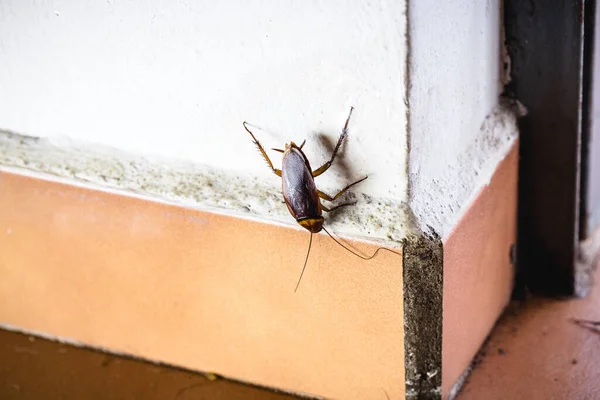
Why Insecticide Dust Works So Well
Roaches spend most of their time hiding inside:
- Wall voids
- Cracks and crevices
- Under appliances
- Behind cabinets
- Around plumbing lines
Liquid sprays usually dry quickly or never reach these hidden areas.
Dust, however, settles deep into those spaces and stays active much longer.
As roaches crawl through the dust, tiny particles stick to their bodies and legs. They then carry it back to nesting areas, spreading it to other roaches.
That’s one reason dust treatments can be extremely powerful during heavy infestations.
👉👉 PRO TIP! Read THIS ARTICLE to See How Long it Takes to Get Rid of Roaches.
The Biggest Advantage of Dust Treatments
One major benefit is long-lasting protection.
Many insecticide dusts continue working long after sprays lose effectiveness.
Some can remain active for months if left undisturbed in dry areas.
This makes them especially useful for:
- Kitchens
- Bathrooms
- Utility rooms
- Attics
- Crawl spaces
- Behind refrigerators and stoves
Professional exterminators commonly use dust products in these exact locations.
Important: More Dust Does NOT Mean Better Results
This is where many homeowners make a mistake.
A light, barely visible layer works best.
If you apply thick piles of dust, roaches may simply avoid the area altogether.
Think of it this way:
Roaches should walk through the insecticide dust without realizing it’s there.
A thin application is far more effective than dumping large amounts everywhere.
👉👉👉 Roaches in Your Bathroom? Read THIS Guide Now
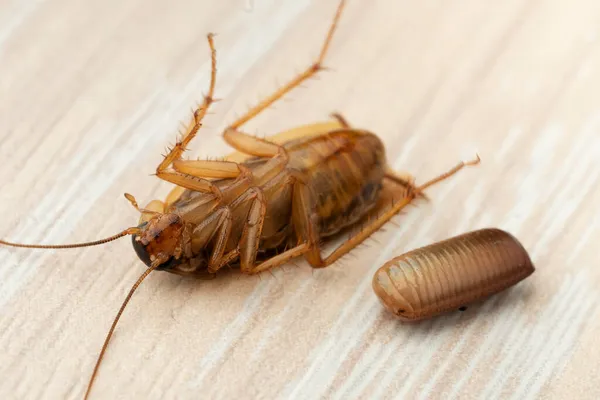
Best Places to Apply Insecticide Dust
For the best results, focus on hidden areas where roaches travel and nest.
Common treatment areas include:
- Under sinks
- Behind dishwashers
- Behind refrigerators
- Around pipe openings
- Inside wall voids
- Behind electrical outlets
- Under cabinets
- Near water heaters
These are the places where roaches often hide during the day.
Does Insecticide Dust Kill Roaches Instantly?
Usually not.
Most dust products work over time rather than immediately.
Roaches typically crawl through the dust, return to hiding areas, and die later.
This delayed effect actually helps spread the treatment deeper into the infestation.
You may still see roaches for several days after treatment, especially during larger infestations.
That’s normal.
Common Types of Roach Dust
Several types of insecticide dust are commonly used for roach control, including:
- Boric acid dust
- Silica dust
- Diatomaceous earth
- Professional insecticide dust formulations (Professional Grade Dust Always Works Best)
Each works differently, but all are designed to target hidden roach activity.
Some damage the roach’s outer shell and dehydrate it, while others affect the nervous system.
Safety Tips When Using Insecticide Dust
Always follow the product label carefully.
Avoid applying dust in exposed areas where children or pets may contact it.
Never apply large visible piles across floors or countertops.
Instead, target hidden cracks, voids, and inaccessible spaces.
Using a hand duster can help apply a thin, controlled layer.

Final Thoughts
Insecticide dust is one of the most effective roach treatments many homeowners never think to use.
When applied correctly in the right locations, it can dramatically improve your chances of eliminating a roach infestation.
The key is proper placement and light application.
Used alongside sanitation, sealing entry points, and baiting strategies, insecticide dust can become one of the strongest tools in your roach control plan.