Last Updated on October 11, 2026 by Tim L. | Founder of Pest Control Playbook | Reviewed for Scientific Accuracy by our Co-Founder, an Associate Certified Entomologist (ACE)
🥇 Quick Answer: To keep mice out of your house in the fall, you must establish an exterior perimeter defense before temperatures consistently drop below 50°F. This requires a three-step professional approach: sealing all entry points larger than a dime using copper mesh and premium silicone-latex caulk, eliminating nearby harborages like woodpiles and tall grass, and strategically placing secure, tamper-resistant exterior rodent bait stations along the foundation wall to intercept mice before they ever breach your home.
As the crisp autumn air settles in and temperatures drop, a biological shift occurs right in your backyard. House mice, which spent the warm summer months foraging happily outdoors, suddenly experience a driving instinct to seek warm, stable shelter for the upcoming winter. Your home’s foundation radiates heat, and to a foraging field mouse, that heat signature is an open invitation. In fact, each fall and winter approximately 21 million homes in the USA are invaded by mice and other rodents. They typically enter homes between October and February looking for food, water and shelter from the cold.
If you wait until you see a mouse darting across your kitchen floor in November, you are already playing catch-up against an established indoor infestation. The key to true winter rodent control is preventing the breach entirely. We have spent over 4 decades in the professional pest control industry dealing with heavy rodent pressure, and today we are breaking down the exact exterior perimeter defense playbook you need to implement right now.
💡 Professional Affiliate & Editorial Disclosure
Some links on this page are affiliate links, meaning a small commission may be earned on recommended professional-grade products (like pressurized backpack sprayers, professional mouse baits, and organic insecticides) at no extra cost to you.

Why the Fall Rodent Migration Happens Fast
Mice are incredibly sensitive to ambient temperature changes. The moment consistent nighttime temperatures dip below 50°F, mice actively begin searching for overwintering sites.
Because a mouse’s skeleton is highly flexible, they can easily compress their bodies to squeeze through incredibly tiny openings. If a gap or crack is large enough to fit a standard ink pen or a dime (roughly 1/4 of an inch), a mouse can slip right through it. Furthermore, if they find a smaller gap that emits warm air from the interior, they will use their powerful incisors to chew through drywall, wood, or vinyl siding until the hole is large enough to accommodate them.
Step 1: The Critical Exterior Walkthrough
You cannot seal out what you haven’t located. Grab a high-powered flashlight and a telescoping inspection mirror, get down on your hands and knees, and perform a rigorous inspection of your home’s exterior foundation line.
Pay close attention to these high-risk breach zones:
- Utility Penetrations: Look closely at where HVAC refrigerant lines, plumbing pipes, electrical conduit, and gas lines enter the foundation wall. The round holes drilled for these lines are almost always larger than the pipe itself, leaving a perfect entryway.
- Weep Holes: If you have a brick facade, the vertical gaps left between bricks for moisture drainage (weep holes) are a premier highway for mice to enter the wall voids.
- Garage Door Weather Stripping: The bottom corners of rubber garage door gaskets are the most common entry points we see in the field. Mice will easily chew through brittle rubber to enter a warm garage.
- Siding Corners: Vinyl siding corner posts act like hollow chimneys. Mice can climb the rough foundation wall right up inside the corner post and gain access to the rim joist area.
Step 2: Professional Exclusion Techniques (Say No to Expanding Foam)
One of the biggest mistakes we see homeowners make is grabbing a standard can of yellow expanding foam from the hardware store to fill foundation gaps. Mice can chew through standard spray foam in a matter of seconds.
To permanently block rodents, you must use professional-grade exclusion materials:
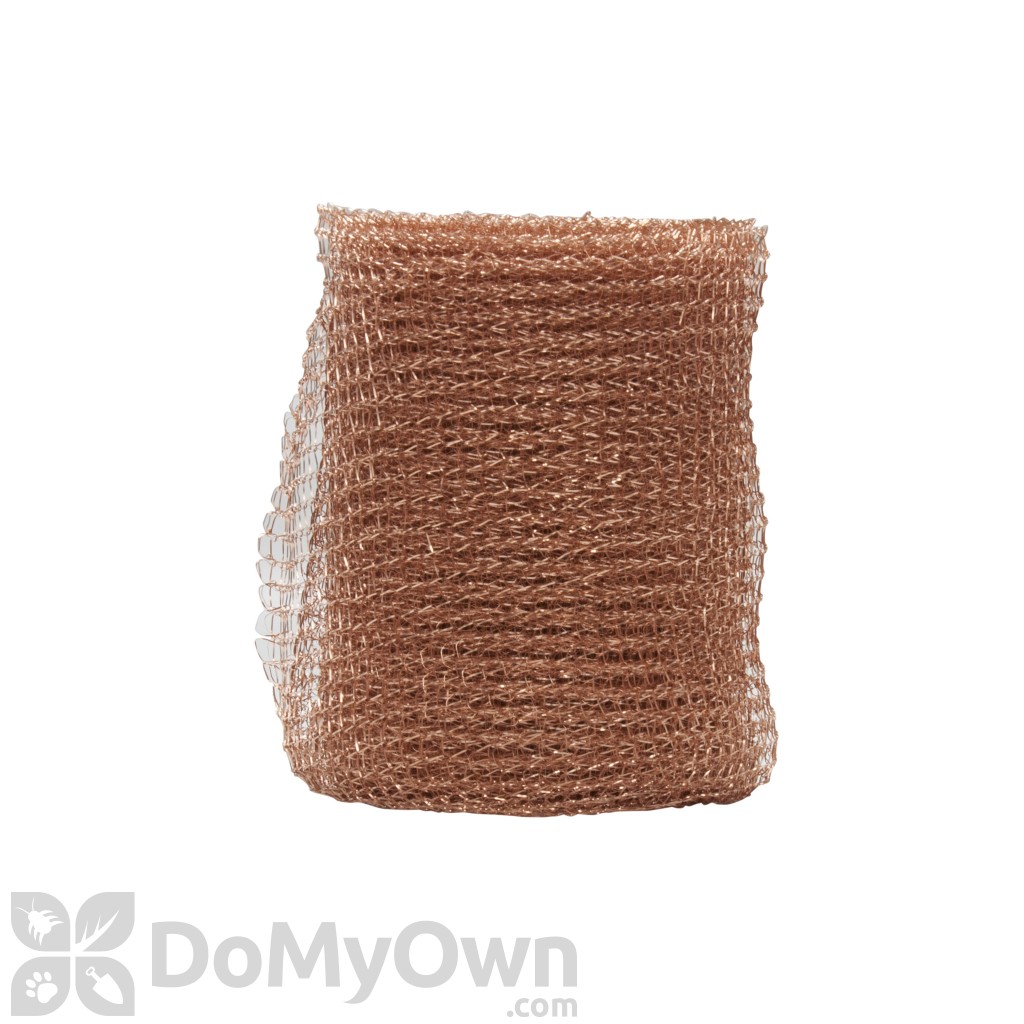
- Copper Mesh and Caulk: For pipe penetrations and structural gaps, tightly pack the opening with heavy-duty copper mesh or stainless steel wool. Once the mesh is wedged firmly in place, seal over the top of it with a high-quality silicone-latex caulk. The metal mesh creates a physical barrier that stops teeth, while the caulk seals out drafts and prevents the heat signatures that attract mice in the first place.
- Stainless Steel Weep Hole Covers: Never seal weep holes completely with caulk, as your walls need to breathe. Instead, insert custom stainless steel weep hole wire inserts. These allow airflow and water drainage but keep rodents out entirely.
- Heavy-Duty Door Sweeps: Replace worn rubber garage door seals and exterior door sweeps with metal-backed, rodent-resistant sweeps that feature built-in steel mesh cores.
Step 3: Eliminate Harborage and Food Triggers
An attractive yard draws mice closer to the foundation, increasing the probability that they will eventually find a way inside. Walk your property and aggressively eliminate the environmental factors that invite rodents:
- Manage the Vegetation: Cut back tree branches and heavy ornamental shrubs so they sit at least 3 feet away from your roofline and siding. Mice are excellent climbers and will use branches as bridges. Keep your lawn mowed short into the late fall to eliminate protective ground cover.
- Relocate Woodpiles: Firewood stacks are the ultimate luxury rodent hotels. Move all firewood, construction lumber, and leaf piles at least 20 feet away from the home structure, and elevate them off the ground if possible.
- Secure Outdoor Feeding Stations: If you feed birds, you are feeding mice. The spilled seed beneath a bird feeder will draw every rodent in the neighborhood. Clean up dropped seed daily, or suspend bird feeding during the peak fall migration weeks. Ensure trash cans have tight-fitting, locking lids.
Step 4: Deploying Exterior Bait Stations
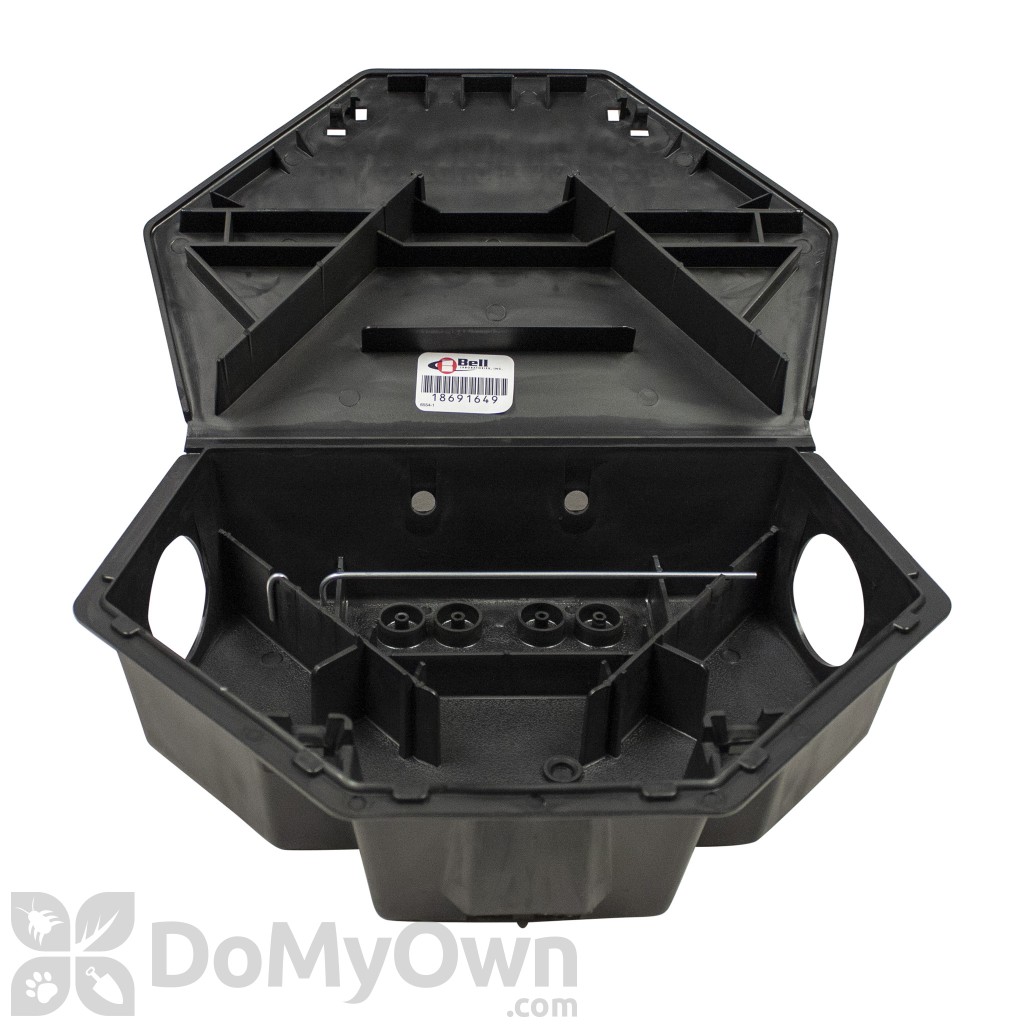
If you live in an area with high rodent pressure, exclusion alone might not be enough. You need an active interceptor system. This is where professional-grade, tamper-resistant exterior bait stations come into play.
Secure exterior stations keep non-target animals (like pets and songbirds) completely safe while allowing mice to enter, consume a lethal dose of rodenticide, and exit.
- Placement Strategy: Place the stations directly flat against the exterior foundation wall. Rodents have poor eyesight and navigate by running with their whiskers touching walls (a behavior called thigmotaxis). They will literally walk right into the entry holes of a properly placed station.
- Spacing: Position a station every 30 to 50 feet along the perimeter, prioritizing areas near high-risk zones like garage doors, HVAC units, and dense crawl space access doors.
- Maintenance: Check your stations every two weeks during October and November. If the bait blocks are heavily chewed or completely consumed, replenish them immediately to ensure continuous protection during the height of the fall migration surge.
Frequently Asked Questions
Can mice chew through concrete filler to get inside?
While mice cannot chew through solid, cured concrete, they can easily gnaw through weak, crumbling mortar, expanding foam, or cheap caulking compounds. When repairing foundation cracks, always use a heavy-duty polymer-modified concrete patch or pack the gap thoroughly with stainless steel mesh before applying your sealing compound.
👉 Want to Know if Mice can Check Through Wooden Doors? Read THIS Article Now
Why do I hear scratching in my walls in the fall if my house is sealed?
If you hear scratching, it is highly likely that mice breached the exterior perimeter earlier in the season when the gaps were unprotected, or they found a high-level entry point like an un-screened attic ridge vent. Once inside the wall voids or attic, they will actively move around as they establish nesting sites near interior heat sources.
Is it better to use traps or bait stations outside?
Bait stations are significantly better for exterior perimeter defense. Snap traps placed outdoors are highly susceptible to the elements, can easily snap prematurely due to wind or debris, and present a safety risk to non-target wildlife like birds and squirrels. Tamper-resistant bait stations protect the active ingredient from weather and ensure only targeted rodents can access the bait blocks.