Last Updated on October 11, 2026 by Tim L. | Founder of Pest Control Playbook | Reviewed for Scientific Accuracy by our Co-Founder, an Associate Certified Entomologist (ACE)
When ants invade your home, a quick spray from a retail aerosol can is not going to solve the problem. In fact, using the wrong product often makes the infestation significantly worse. To eliminate an ant colony entirely, you have to understand exactly how they behave, how to identify the specific species invading your structure, and how to utilize professional-grade transfer mechanics so the pests wipe out their own queen.
In fact, ants affect roughly 50% to 56% of U.S. households annually, making them the most common household nuisance pest. This master playbook provides the precise steps, tools, and strategies used by 40+ Year seasoned professionals to achieve total ant eradication.
1. The Pro’s Golden Rule: Stop Spraying Contact Killers
The single biggest mistake homeowners make is spraying visible trailing ants with a standard contact-kill aerosol. When you kill a few dozen worker ants on a kitchen counter, you are only treating a symptom, not the disease.
Worse yet, if you are dealing with a complex species like the Pharaoh ant or certain types of nuisance ants, harsh repellent sprays trigger a survival mechanism known as budding. When the colony senses danger, the single colony splits into multiple satellite nests with individual queens, turning a minor localized issue into a massive, multi-room structural infestation.
To eliminate ants permanently, you must utilize non-repellent chemistry and strategic baiting. The goal is to keep the worker ants alive long enough to carry the active ingredients deep into the heart of the colony.
💡 Professional Affiliate & Editorial Disclosure
Some links on this page are affiliate links, meaning a small commission may be earned on recommended professional-grade products (like pressurized backpack sprayers, professional ant baits, or exclusion materials) at no extra cost to you.
2. Structural Inspection and Threat Assessment
Before mixing any product, a technician must perform a thorough, structural inspection. Ants do not randomly appear; they trail along dedicated paths looking for moisture, structural defects, and food sources.
Interior Inspection Focus Areas
- Moisture Hubs: Check under kitchen and bathroom sinks, behind washing machines, and along dishwasher kickplates. Moisture-loving species like Carpenter ants seek out compromised, damp wood.
- The “Pipe Chases”: Inspect where utility lines—plumbing, electrical, and HVAC lines—penetrate through drywall. These are the primary highways ants use to travel inside wall voids between rooms.
- Carpet Tacks and Baseboards: Pull back your attention to the perimeter edges of rooms. Ants love to trail underneath the edge of carpet tacks right against the baseboard.
Exterior Inspection Focus Areas
- The Foundation Line: Walk the entire perimeter of your structure. Look closely at expansion joints, weep holes in brick siding, and where the soil meets the foundation wall.
- Vegetation Touchpoints: Tree branches, heavy shrubbery, and overgrown ivy acting as a direct bridge to your roofline or gutters are immediate structural hazards. If a branch touches your siding, ants will bypass any ground barrier you apply.
- Mulch and Landscape Beds: Pull back heavy mulch from the foundation. Thick mulch holds moisture and provides an ideal nesting environment right up against your home’s exterior walls.
3. High-Impact Species Identification
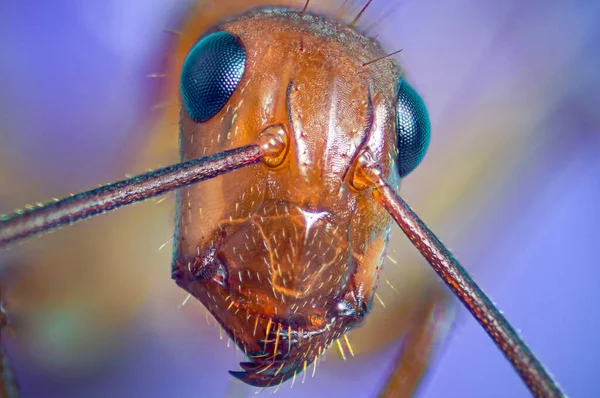
Effective treatment is entirely dependent on correct identification. Different species have wildly varying food preferences and nesting habits.
- Carpenter Ants: Large, typically black or dark red ants ranging from 1/4 to 1/2 inch in length. They do not eat wood, but they excavate galleries inside wet, decaying wood to expand their nests. Look for fine, sawdust-like piles called “frass” near windowsills and wall voids.
- Odorous House Ants: Small, dark brown to black ants about 1/16 to 1/8 inch long. When crushed, they emit a highly distinct, pungent odor resembling rotten coconuts. They are relentless sweet-feeders and are notorious for invading kitchens during rainy periods.
- Pavement Ants: Small, dark brown ants that commonly nest under concrete slabs, driveways, and patios. They frequently emerge inside homes through expansion joints or cracks in slab foundations, trailing along baseboards.
- Pharaoh Ants: Extremely small, yellowish-tan ants. These ants require immediate professional-grade baiting protocols. Never spray a Pharaoh ant colony with a repellent pesticide, or they will instantly bud and spread across the entire home.
👉👉 Wondering How Long Does it Take to Get Rid of Ants? Read THIS Article Now
4. The Baiting Strategy: Working with Transfer Mechanics
The most effective way to eliminate an ant colony from the inside out is by exploiting their social food-sharing behavior, a process called trophallaxis. Worker ants consume gel or granular bait, return to the hidden nest, and regurgitate the poison to feed the larvae and the queen.
👉👉 For a complete breakdown of The Best Ant Baits That Actually Work, Read THIS Article Now
Bait Rotation Strategy
Ant colonies cycle through nutritional needs based on the life stages of the nest.
- Carbohydrate/Sweet Preferences: When workers are actively foraging to sustain the adult population, liquid or gel sweet baits are highly effective.
- Protein/Lipid Preferences: When the queen is actively laying eggs and the colony is raising larvae, workers shift their focus heavily to proteins. In these cycles, granular protein baits perform exceptionally well.
Pro Tip: If ants are ignoring a sweet gel bait, do not force it. Clean the area and switch immediately to a protein-based granular or gel bait.
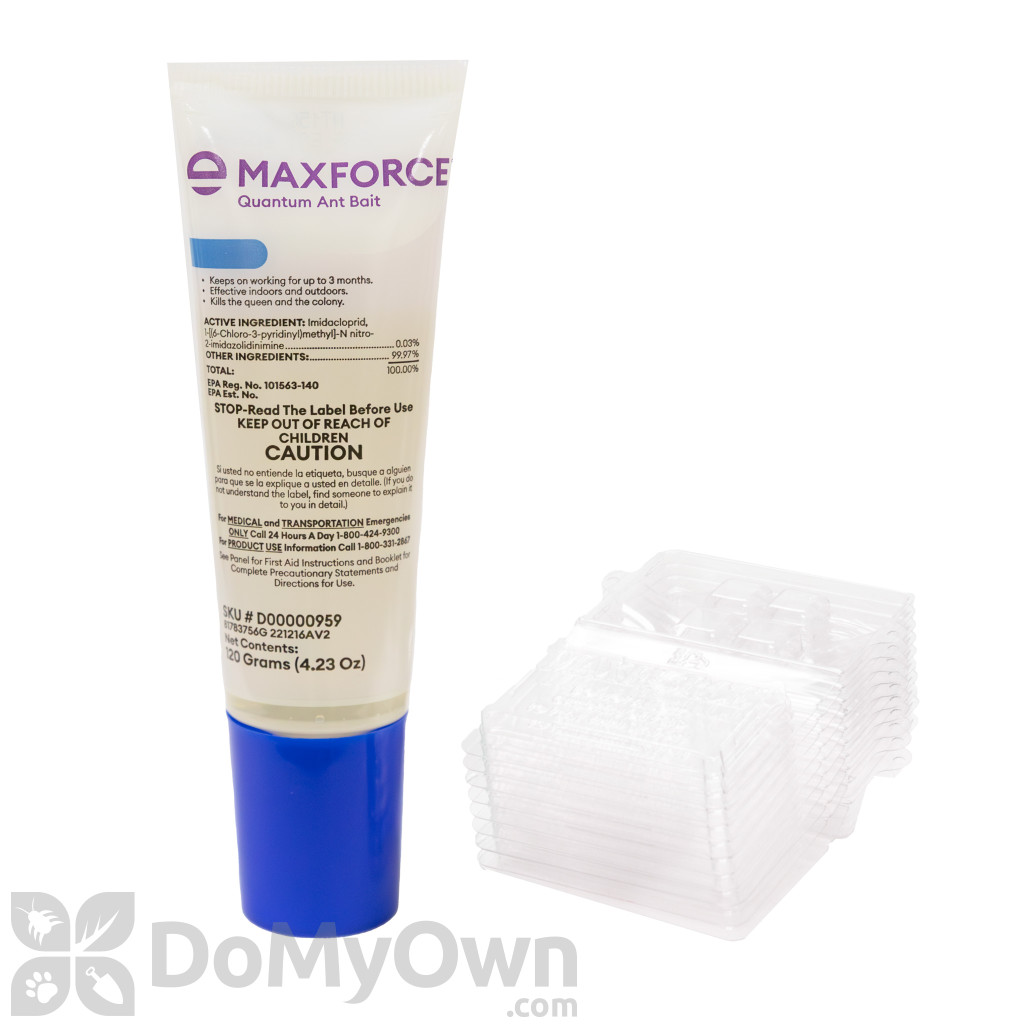
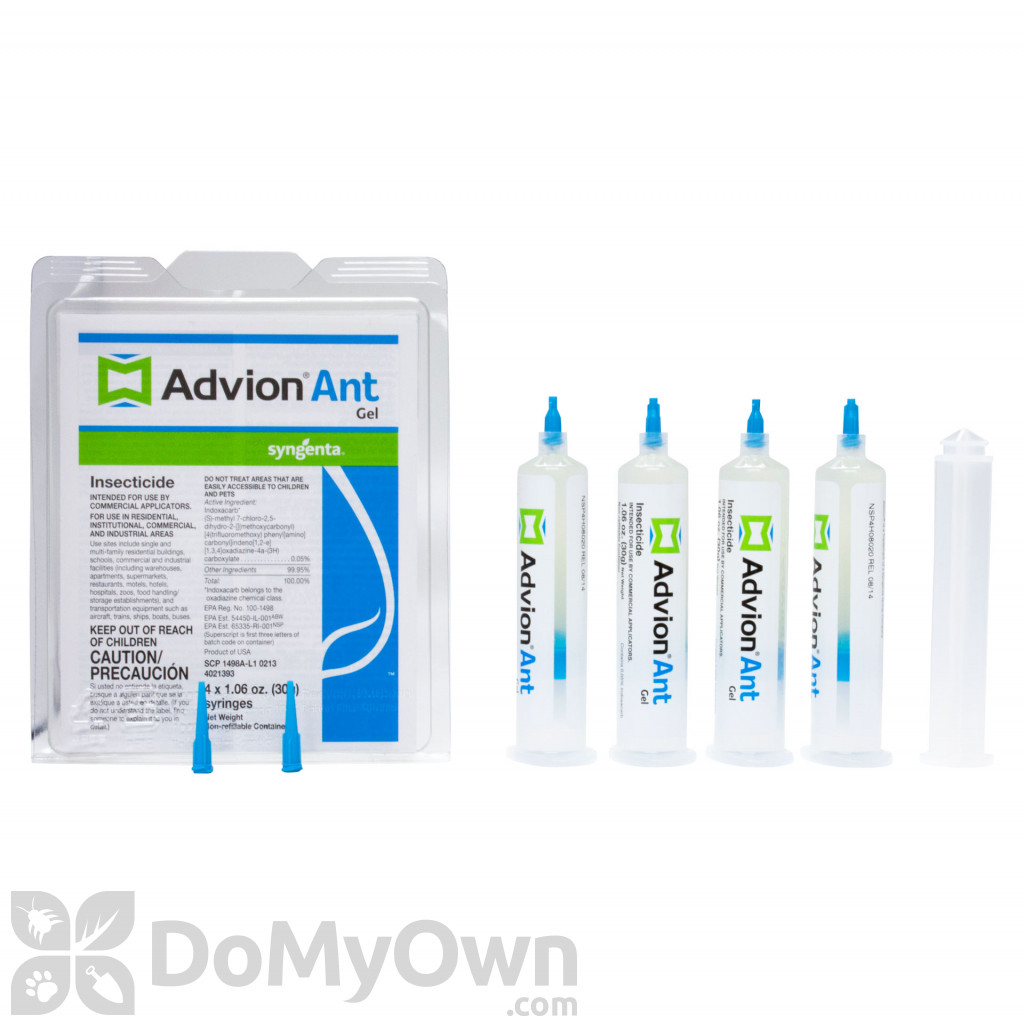
🛒🥇 These are our tried and true field tested ant gel baits (Maxforce Quantum, and Advion Ant Bait Gel) that we use in the field when ants invade your kitchen, bathroom, or anywhere else in your home.👇👇 Check Prices and availability on DoMyOwn Now 👇👇
Correct Bait Placement Protocols
- Place Baits Directly in the Trail: Do not drop bait randomly. Find the active trail along a baseboard or window frame, and place small, pea-sized dots of gel directly next to or slightly ahead of the line of march.
- Do Not Disturb the Ants: Once the ants swarm the bait, leave them alone. It may look alarming to see hundreds of ants on your counter, but every single one of those workers is carrying the payload back to the colony’s core.
- Remove Competing Food Sources: Deep-clean the surrounding area. Wipe down counters, fix leaky pipes, and store food in airtight containers so the bait is the most attractive option available.
5. Establishing a Long-Lasting Exterior Perimeter Barrier
While baiting handles the interior population, your primary line of defense against future invasions is a robust, non-repellent liquid exterior barrier.
Application Protocol
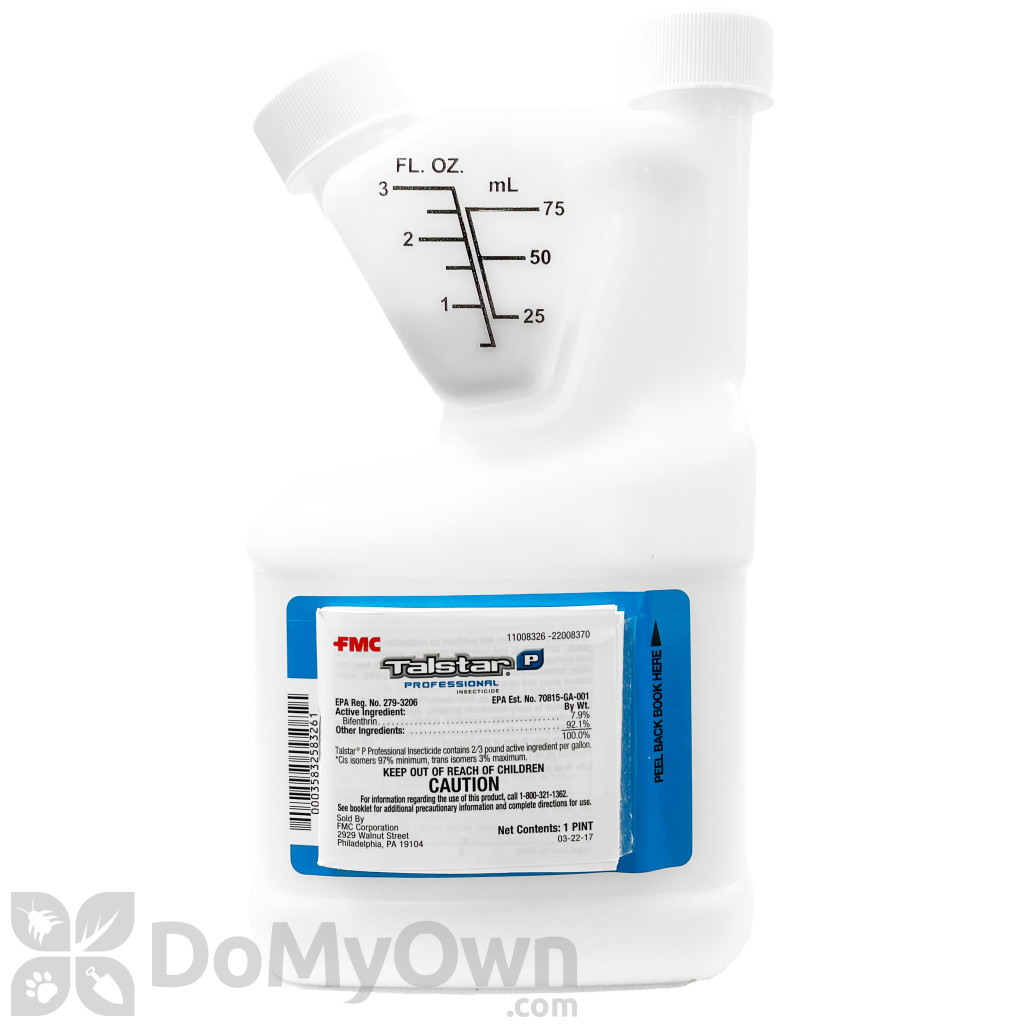
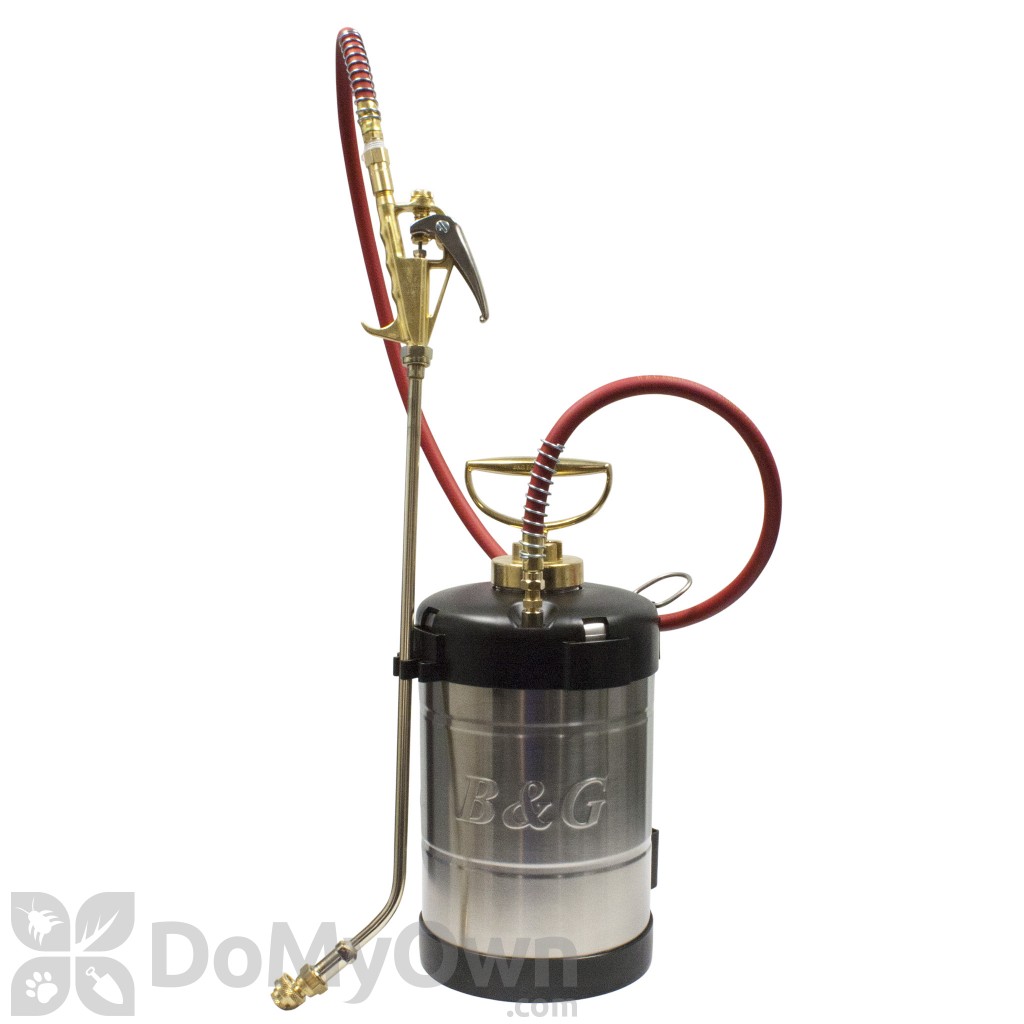
🛒🥇 Using a professional compressed-air sprayer (B&G is the Industry Standard, buy it once, lasts a lifetime) apply a dedicated non-repellent liquid residual insecticide such as Talstar P around the structure’s perimeter.
- The “Foot-up, Foot-out” Method: Spray a continuous band 1 to 2 feet up the exterior foundation wall, and 1 to 2 feet out onto the soil or concrete immediately adjacent to the foundation.
- Target Structural Penetrations: Treat critical entry points including window frames, door thresholds, weep holes, garage door tracks, and where utility lines enter the building envelope.
- The Result: Because the chemistry is non-repellent, foraging ants from the outside cross the treated zone completely unaware. They absorb the active ingredient on their cuticles, return to their outdoor nesting sites, and pass the lethal dose around the colony via contact.
6. Long-Term Prevention Checklist
To keep your home ant-free after executing your treatment playbook, follow these essential structural maintenance steps:
- Trim Back All Vegetation: Keep trees and bushes pruned at least 12 to 18 inches away from your roof, siding, and gutters.
- Manage Moisture: Fix any plumbing leaks under sinks or in crawlspaces immediately. Ensure gutters are clear and downspouts redirect water far away from the foundation wall.
- Seal Structural Gaps: Use premium silicone caulk to seal cracks around window frames, exterior doors, and foundation penetrations. Fill weep holes with specialized stainless steel mesh inserts to maintain ventilation while stopping pest entry.