Last Updated on September 25, 2026 by Tim L. | Founder of Pest Control Playbook | Reviewed for Scientific Accuracy by our Co-Founder, an Associate Certified Entomologist (ACE)
Quick Answer: To permanently get rid of mice, you must execute a strict three-phase protocol: Elimination, Exclusion, and a Maintenance Baiting Program. First, clear active indoor nesting areas using heavy placement of mechanical snap traps. Second, seal every structural gap larger than a dime along your foundation using copper mesh and professional sealant. Finally, deploy tamper-resistant exterior bait stations anchored with high-palatability rodenticide blocks to intercept incoming populations before they breach your home.
Waking up to the sound of scratching inside your drywall or finding mouse droppings in your kitchen pantry is incredibly stressful. When a rodent infestation compromises your home, you don’t need generic internet advice or folklore remedies like peppermint oil and mothballs. You need a systematic, professional-grade elimination plan that works.
In my 42 years of hands-on structural pest control experience, I have resolved thousands of residential and commercial mouse outbreaks. As an Associate Certified Entomologist (ACE), I approach rodent control by understanding mouse biology, foraging behaviors, and architectural vulnerabilities.
Mice are incredibly prolific breeders; a single female can produce up to 10 litters a year. To stop an infestation cold, you have to hit them hard on multiple fronts. This guide breaks down the exact professional playbook to clear out mice and secure your property permanently.
💡 Professional Affiliate & Editorial Disclosure
Some links on this page are affiliate links, meaning a small commission may be earned on recommended professional-grade products (like pressurized backpack sprayers, professional ant baits, or exclusion materials) at no extra cost to you.
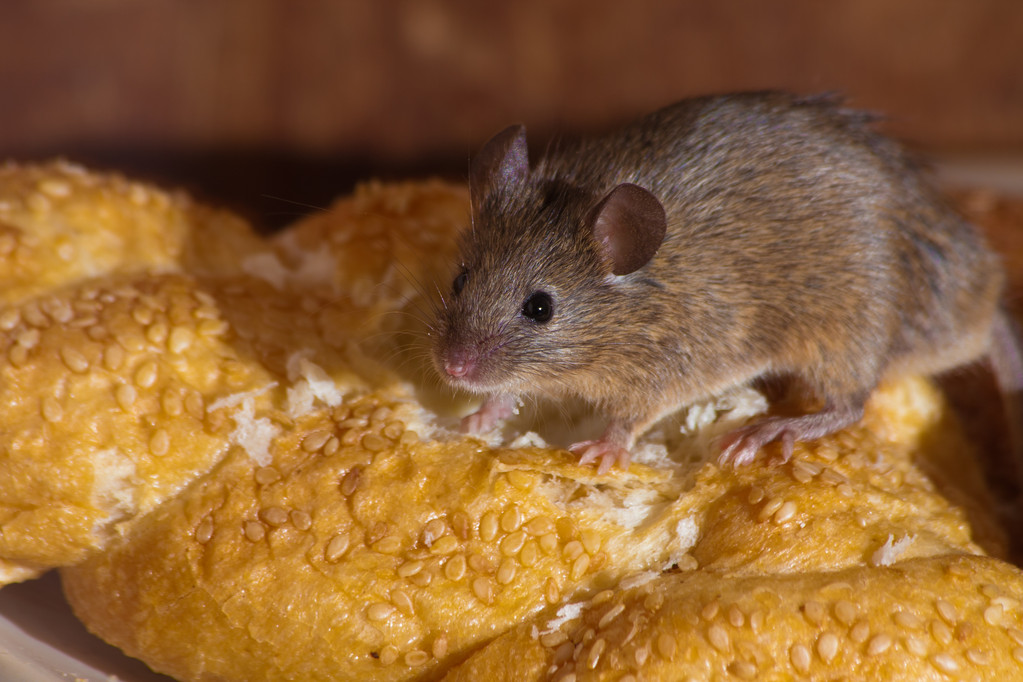
Phase 1: Rapid Indoor Elimination (The Knockdown)
When mice are actively traveling through your living spaces, your immediate priority is a rapid population knockdown.
Why Traps Win Indoors
Never use loose rodenticide chemical baits inside your living areas or main floors. A poisoned mouse will rarely die out in the open; they will crawl deep inside your wall cavities, ceilings, or under large appliances to die. Finding and removing a decaying rodent carcass behind a kitchen cabinet is a nightmare scenario.
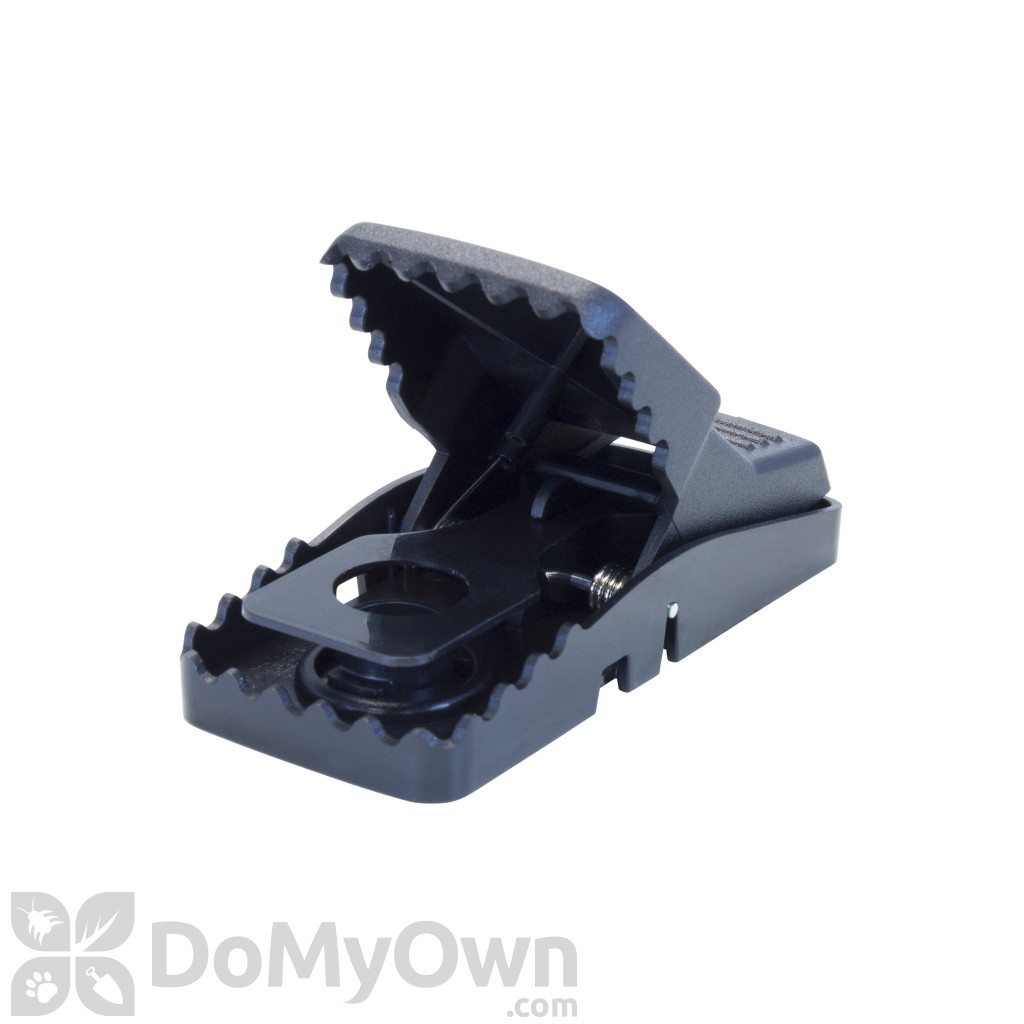
Instead, rely heavily on high-quality mechanical traps for all indoor spaces.
- Perpendicular Placement: Mice have poor eyesight and navigate using their sensitive whiskers (thigmotaxis) flat against walls. Always place your traps perpendicular to the baseboard, with the trigger or yellow bait paddle facing the wall.
- Heavy Trapping Density: Homeowners routinely make the mistake of setting just two or three traps. If you suspect you have three mice, set thirty traps. Mass trapping over the first 48 hours completely overwhelms the population before they become trap-shy.
- The Right Bait: For snap triggers, skip the loose food. Instead, use a tiny smear of high-fat attractant or professional gel matrix that forces the mouse to pull hard on the trigger mechanism.
Phase 2: Structural Exclusion (Locking the Door)
You can trap mice indefinitely, but if you don’t fix the holes in your house, a new family of rodents will move in next week. A mouse can squeeze through a gap the size of a dime, and their teeth can easily chew through standard insulation, drywall, and plastic weatherstripping.
Common Foundation Entry Points
Walk your exterior foundation line with a high-powered flashlight and closely inspect these critical vulnerabilities:
- Utility Penetrations: The gaps around AC refrigerant lines, outdoor water spigots, and gas pipes entering the siding.
- Garage Door Corners: The rubber weather seals at the bottom corners of garage doors are the #1 entry point for mice.
- Crawlspace Vents: Torn or loose mesh screening on foundation vents.
How to Seal Gaps Permanently
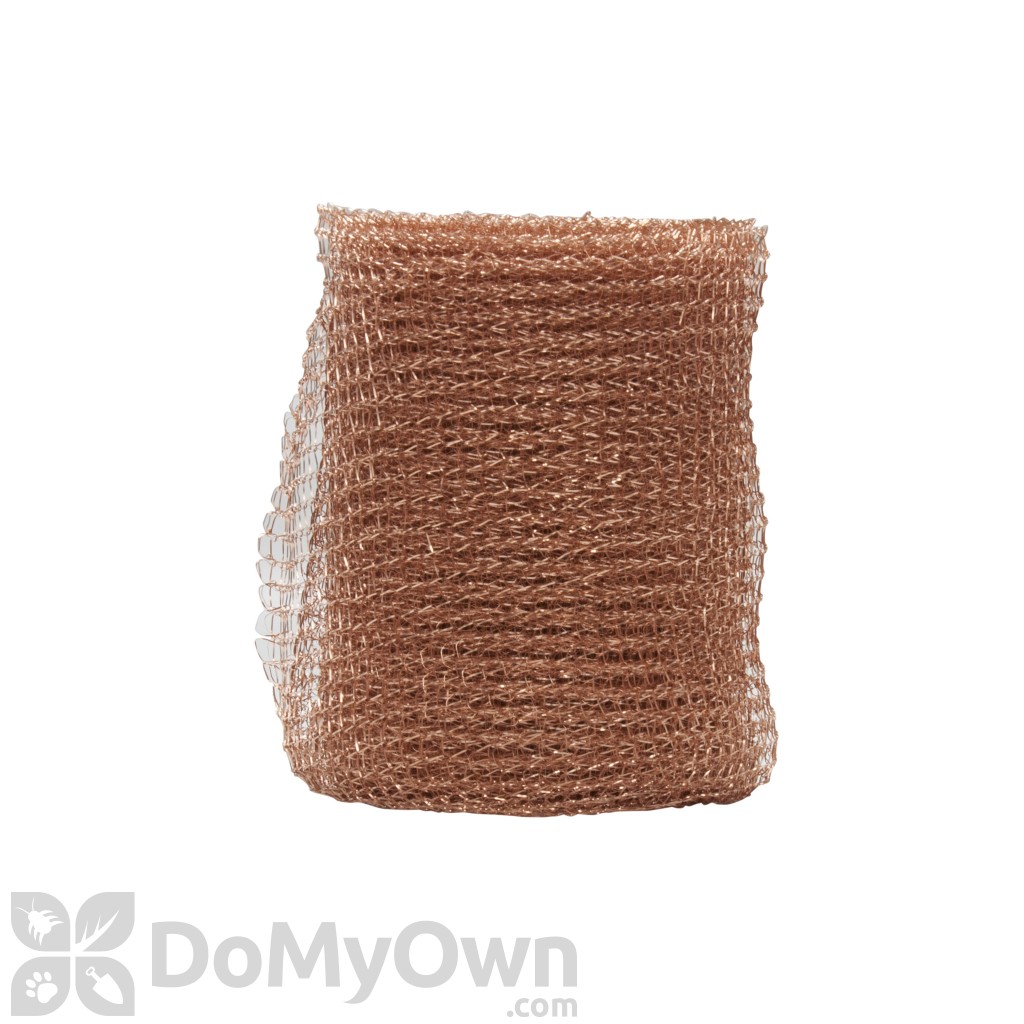
Do not use standard expanding foam alone; mice will chew right through it. Instead, pack every structural gap tightly with copper mesh or stainless steel mesh. Once the mesh is wedged firmly into the gap, coat it heavily with a premium elastomeric sealant or outdoor construction adhesive. The metal fibers pierce the rodent’s teeth if they attempt to chew, creating an absolute physical barrier.
Phase 3: Exterior Perimeter Maintenance (The Guard Line)
Once the indoor population is trapped out and the building is sealed, you must establish an exterior defensive line to suppress the local breeding population. This is where professional rodenticide baits shine.
Deploying Tamper-Resistant Bait Stations
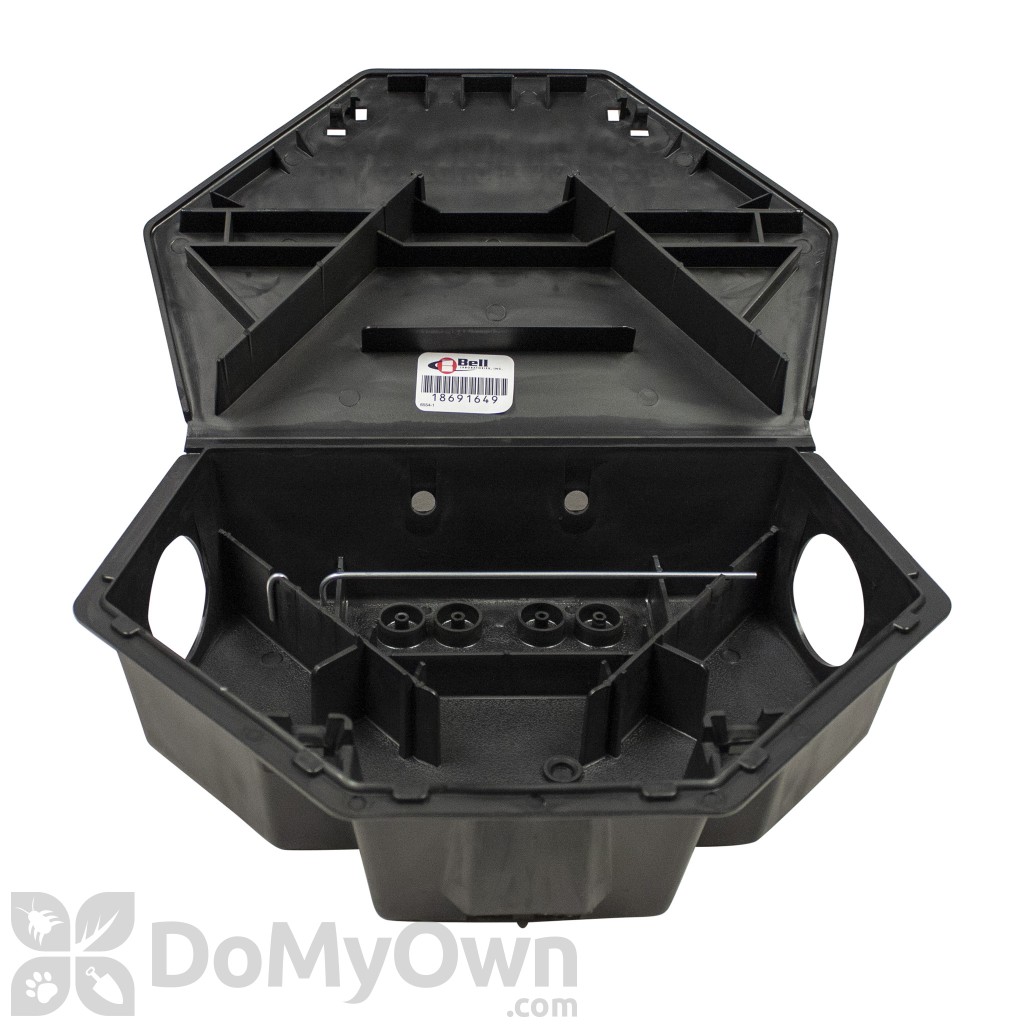
Exterior baiting requires heavy-duty, locked rodent bait stations to protect non-target wildlife, neighborhood pets, and children. (Minimum of 1 Bait Station on Each Side of Structure)
- Station Spacing: Anchor your bait stations flat against your foundation walls, spacing them roughly 20 to 30 feet apart near areas of high vegetation, decks, or exterior doors.
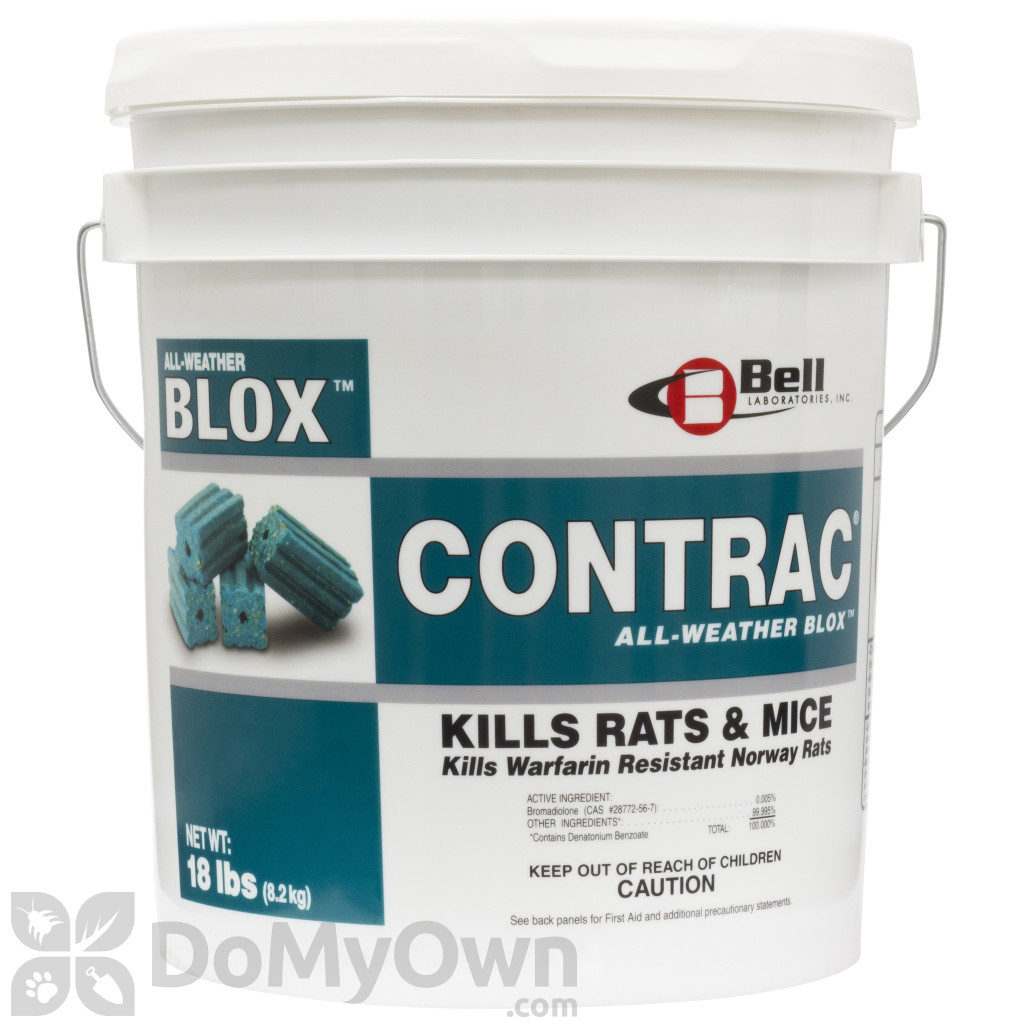
- Securing the Bait: Always lock your professional bait blocks (e.g., Contrac All Weather Blox) onto the internal metal rods inside the station. This prevents mice from carrying loose chunks of bait away and storing them in hazardous locations.
- Bait Palatability: Check your exterior stations monthly to ensure the bait remains fresh. Replace blocks immediately if they become moldy, insect-ridden, or completely eaten down.
👉👉 For a Complete Breakdown of the Best Commercial Mouse Baits, Read THIS Article Now
The Master Rodent Troubleshooting Checklist
If your DIY program stalls, run through this quick professional checklist to diagnose the issue:
- Are you wearing gloves? Always wear nitrile gloves when handling traps or bait. Your human scent on a trap acts as a major warning sign for cautious mice.
- Is there competing food? Mice will completely ignore traps and baits if your pet food bowls are left out overnight or if birdseed is spilling near your foundation. Eliminate alternative food sources completely.
- Are you checking placements frequently? Inspect your indoor traps daily during an active outbreak. A forgotten dead mouse on a trap will quickly ruin indoor air quality and attract secondary pests.