Last Updated on September 24, 2026 by Tim L. | Founder of Pest Control Playbook | Reviewed for Scientific Accuracy by our Co-Founder, an Associate Certified Entomologist (ACE)
Quick Answer: For an active indoor mouse infestation, mouse traps (snap traps and multi-catch traps) are the best choice because they capture the rodent immediately, prevent mice from dying and rotting inside your walls, and provide physical proof of a successful catch. Mouse baits (rodenticides) are highly effective but are best utilized in clean, controlled environments, immediately after a successful trapping program, and along the exterior perimeter and vulnerable interior locations (such as under the sink or in the basement) in secure bait stations to suppress the overall rodent population before they breach your home and living area.
In our 40+ years of hands-on field experience dealing with structural rodent control, We’ve seen well-meaning homeowners throw hundreds of dollars at the wrong tools. When you are waking up at 2:00 AM to the sound of scratching inside your drywall, you don’t want a generic solution. You want the infestation stopped cold.
As an Associate Certified Entomologist (ACE), I evaluate rodent management from a behavioral and biological standpoint. The battle between mouse bait and mouse traps isn’t about which one is universally “better”—it’s about which tool matches the biology of the pest and the specific environment you are treating.
Let’s break down exactly how these tools stack up in the field, when to deploy them, and how to combine them like a seasoned pest professional.
💡 Professional Affiliate & Editorial Disclosure
Some links on this page are affiliate links, meaning a small commission may be earned on recommended professional-grade products (like pressurized backpack sprayers, professional mouse baits, or exclusion materials) at no extra cost to you.
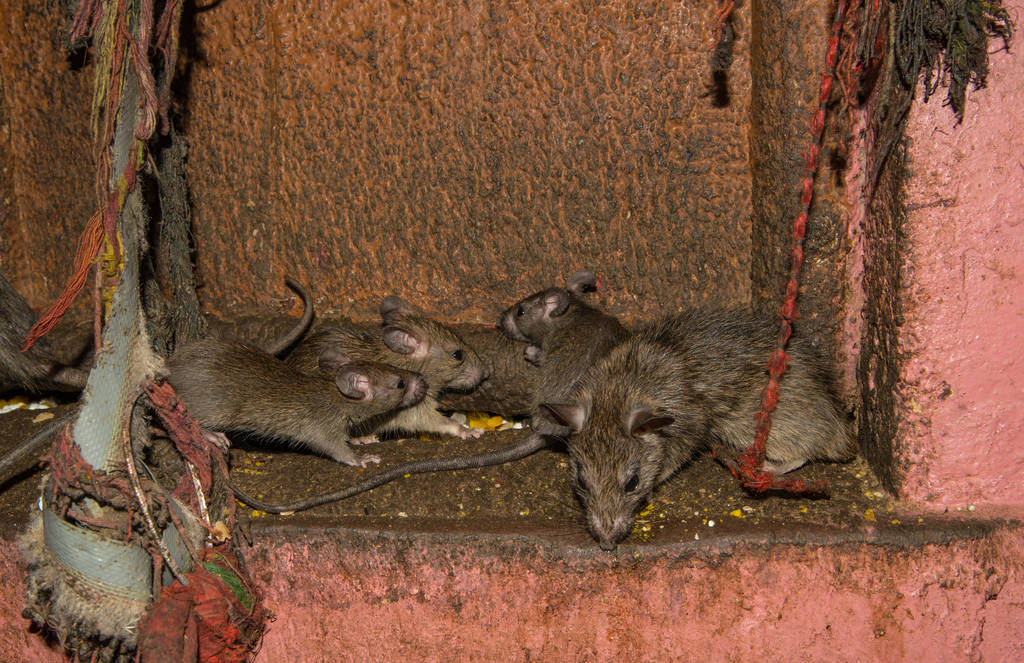
The Field Professional’s Breakdown: Traps vs. Baits
Mouse Traps: The Inside Strike Force
When mice are actively running across your kitchen counters or nesting behind your refrigerator, physical traps are your absolute best line of defense.
- Immediate Containment: A high-quality snap trap or multi-catch mechanical trap stops the mouse right there. There is no guesswork involved.
- No Hidden Odors: The biggest downside of using chemical baits indoors is that a poisoned mouse doesn’t die on your schedule. They frequently retreat deep into structural voids, crawlspaces, or wall cavities to die. In my decades on the road, I can tell you that locating a decomposing mouse carcass behind a bathroom vanity is a nightmare you want to avoid. Traps eliminate this risk entirely.
- Safety First: In living areas where children or curious pets roam, mechanical trapping hidden inside secure bait boxes or placed strategically out of reach is inherently safer than exposing open chemical blocks.
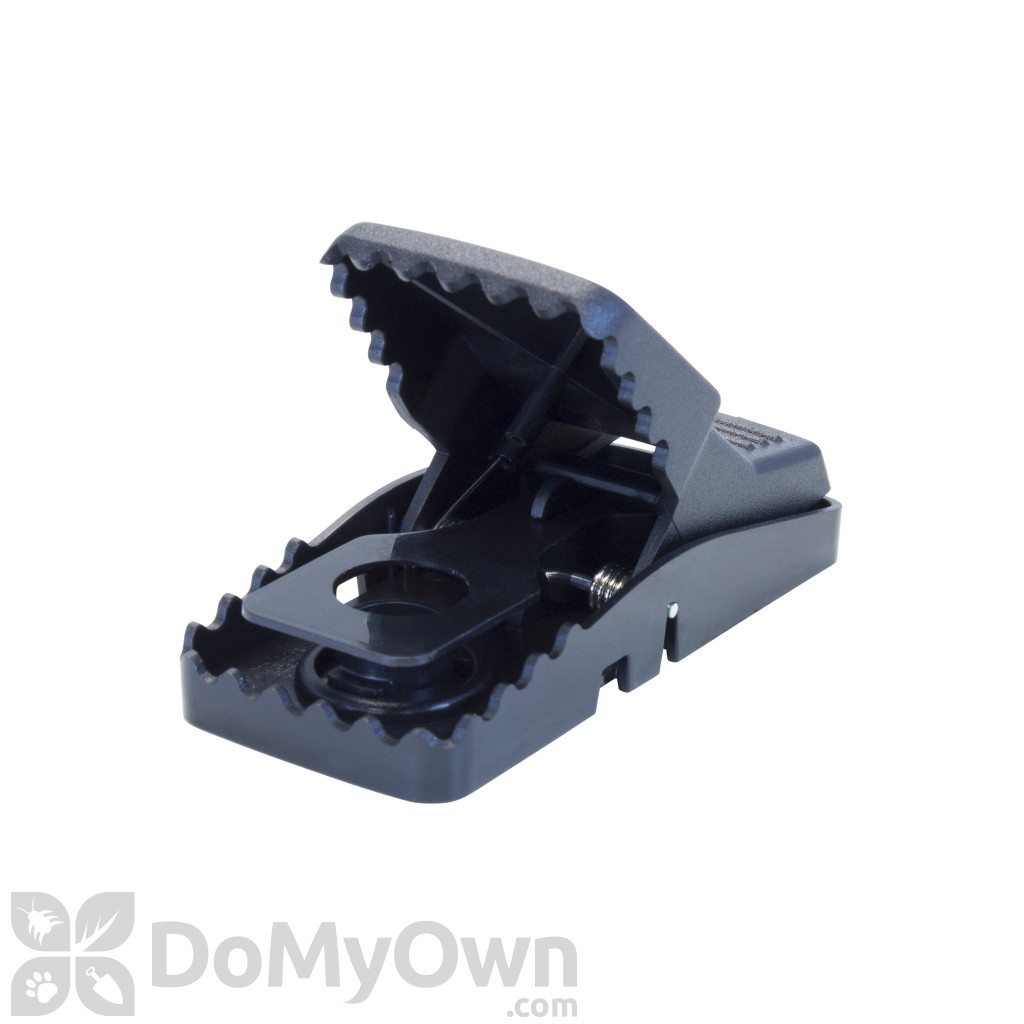
👉👉 What is The Best Mouse Bait for Snap Traps? Read THIS Article Now
Mouse Baits: The Exterior Perimeter Guard
Rodenticide baits are an incredibly powerful tool, but they belong in the right setting. Baits work exceptionally well in clean environments, commercial structures, or deployed outdoors to stop the breeding population before they ever reach your foundation. This is our go-to in the field for traditional baiting, and is often considered the industry standard.
- High-Volume Population Control: A single mouse block can lethal-dose multiple rodents depending on the active ingredient (such as bromadiolone or brodifacoum). If you are dealing with a severe barn infestation or a massive exterior population, trapping alone can be overwhelmed. Baits do the heavy lifting here.
- The Clean Environment Factor: Mice are highly selective foragers. If your kitchen floors are covered in crumbs, they may ignore a trap or a bait block entirely. However, in clean, secured environments where competing food sources are eliminated, mice will readily feed on highly palatable professional bait matrices.
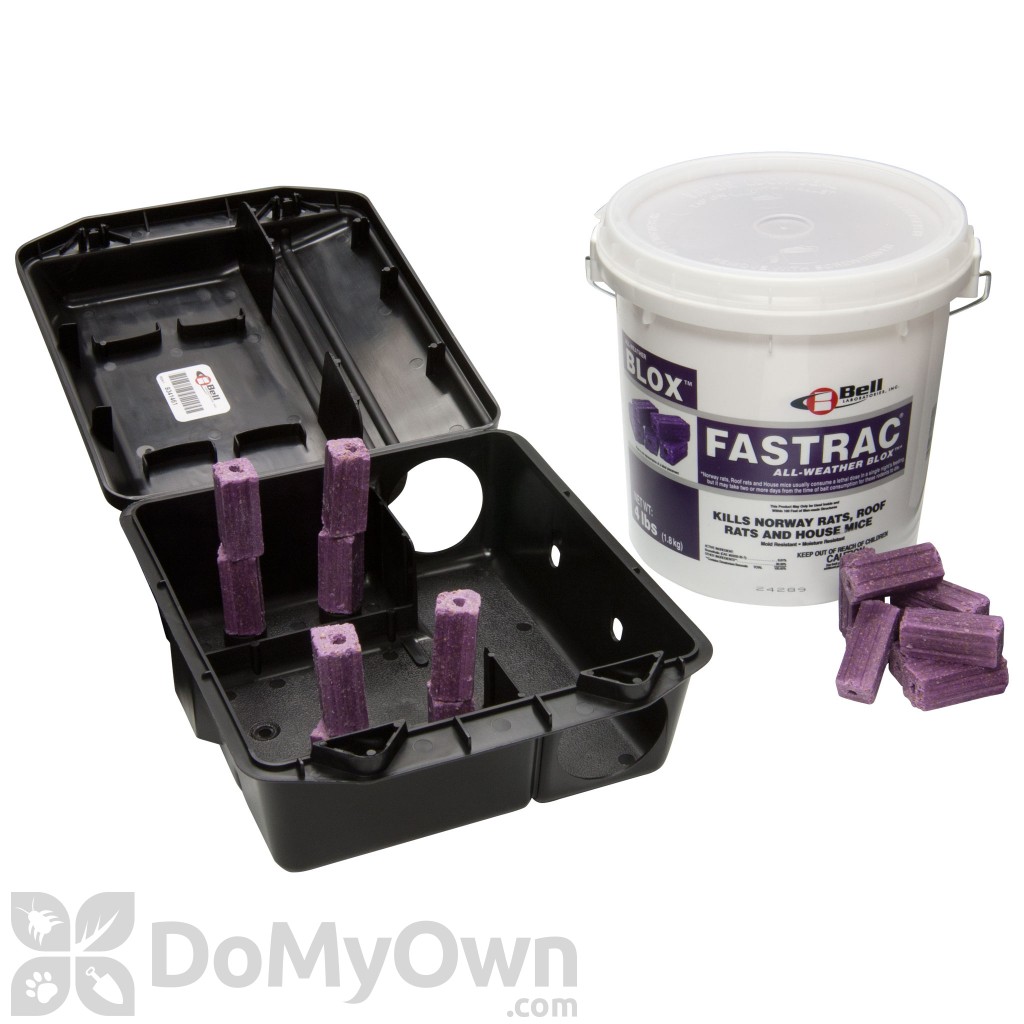
- Exterior Suppression: The professional playbook dictates anchoring heavy-duty, tamper-resistant bait stations along the exterior foundation walls. This creates a defensive perimeter that intercepts foraging mice before they can chew through your weather stripping or garage door seals.
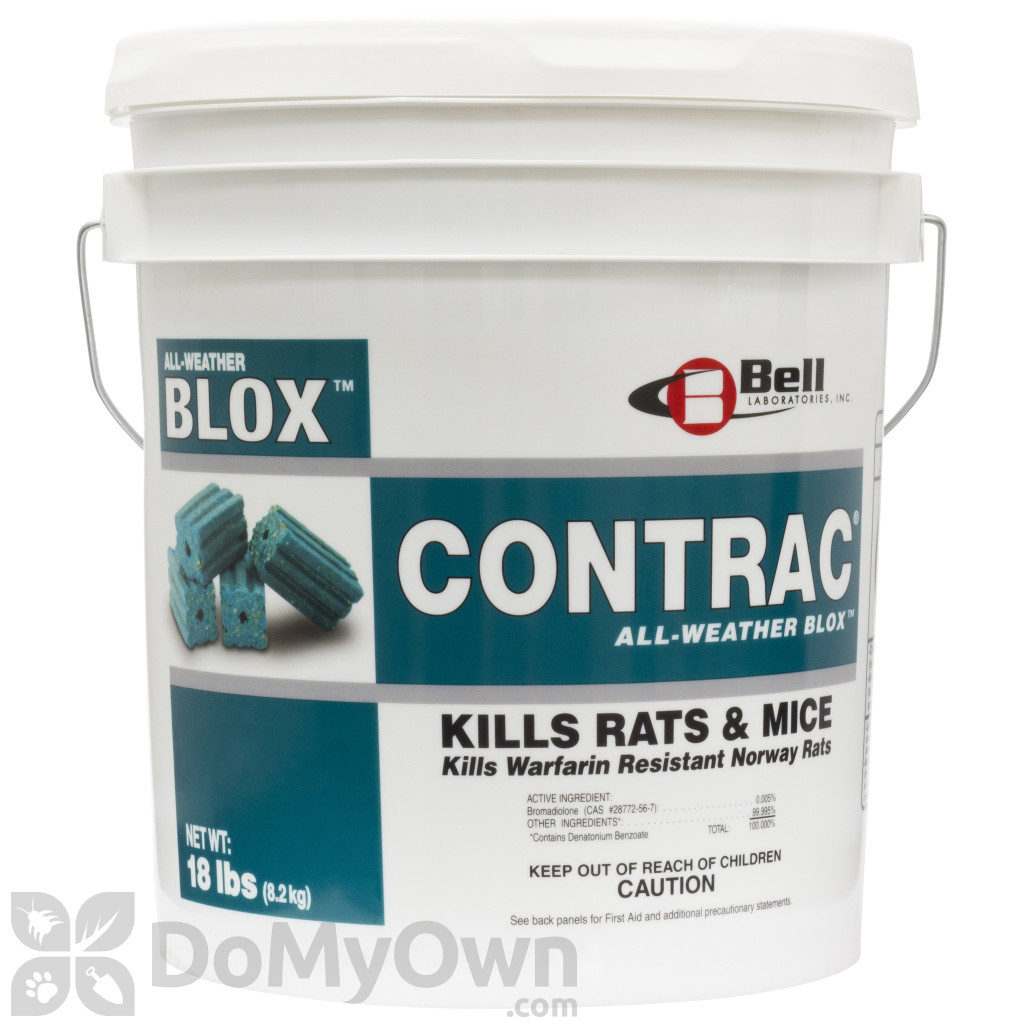
👇👇 If you are looking for a Complete Mouse Baiting System, this a great option with both Exterior Rodent Stations, as well as a fast acting bait to kill mice quickly! 👇👇
The Professional Playbook: How to Build a Combined Program
If you want to solve a mouse problem like an elite exterminator, you don’t choose just one; you execute a synchronized two-front war.
- The Interior Strategy: Deploy mechanical snap traps heavily inside the structure. Place them perpendicular to the walls in active runways, behind appliances, and along sill plates in the basement or crawlspace.
- The Exterior Strategy: Set up secure rodent bait stations along the perimeter of the home. Space them roughly 20 to 30 feet apart near potential entry points, like AC lines or basement window wells. 👉👉 HERE is our complete breakdown of The Best Rodent Baits to Kill Mice and Rats Fast.
- The Exclusion Step: Remember, a mouse can squeeze through a hole the size of a dime. While your traps and baits are working, use copper mesh and professional sealant to close up any structural gaps.
Professional Rodent Control Deep-Dive Checklist
To ensure your rodent program is flawless, follow this field-tested checklist:
- Never Clear-Coat Traps with Human Scent: Always wear nitrile gloves when handling both traps and baits. Mice have a keen sense of smell, and the scent of your hands on a trap will make them avoid it entirely.
- Bait Selection Matters: Use a high-quality, professional-grade block bait rather than cheap, loose pellets. Mice will carry loose pellets away and store them in unexpected places, creating a hazard for pets.
- Map Your Placements: Keep a mental or physical log of every trap you set inside. A forgotten trap with a decaying mouse will ruin the air quality of a home quickly.
- Inspect Regularly: Check your interior traps daily during an active outbreak. Check your exterior bait stations monthly to assess the feeding volume and replenish the blocks as needed.