Last Updated on October 11, 2026 by Tim L. | Founder of Pest Control Playbook | Reviewed for Scientific Accuracy by our Co-Founder, an Associate Certified Entomologist (ACE)
⏱️ Quick Answers: The 60-Second Playbook
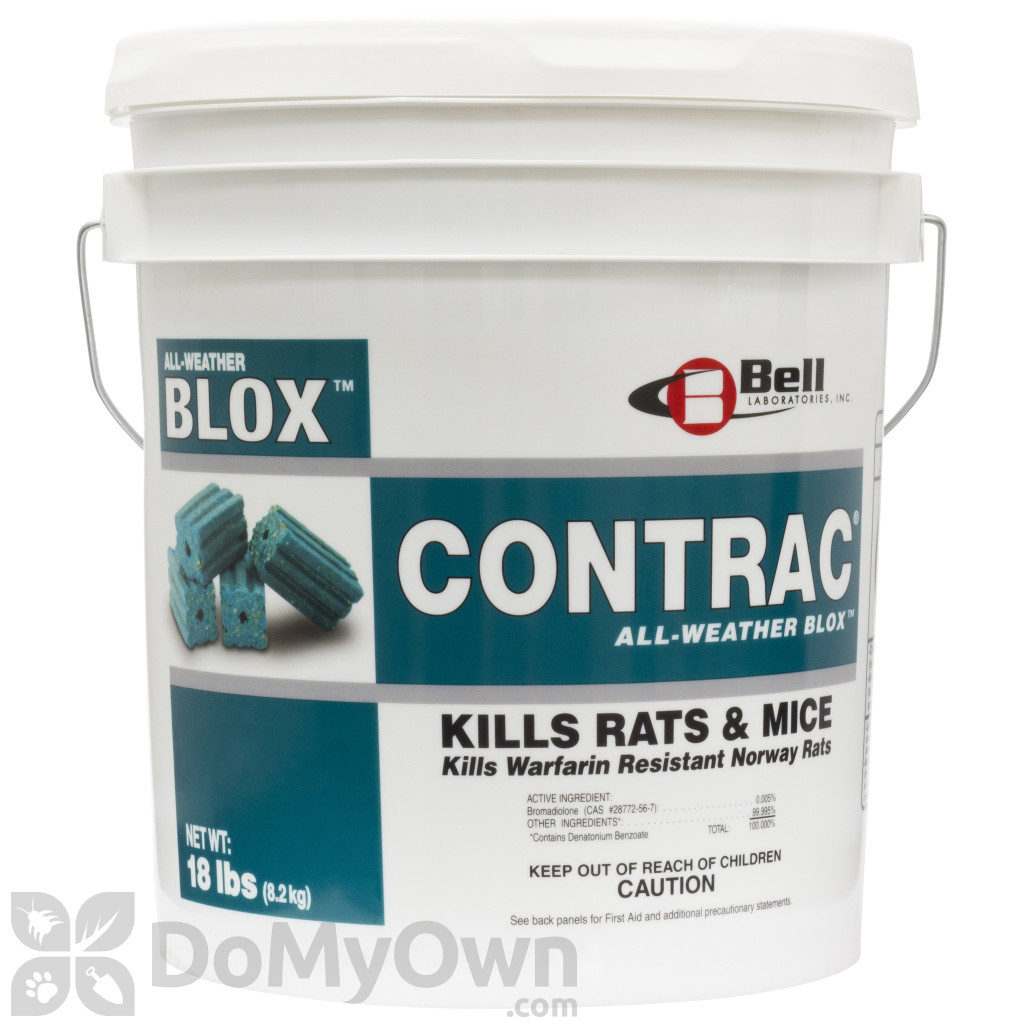
- What is the best commercial mouse bait for rapid population knockdown? Second-generation anticoagulants containing active ingredients like Bromadiolone or Difethialone (e.g., Contrac All- Weather Blox) offer the fastest single-feed lethal control for heavy infestations.
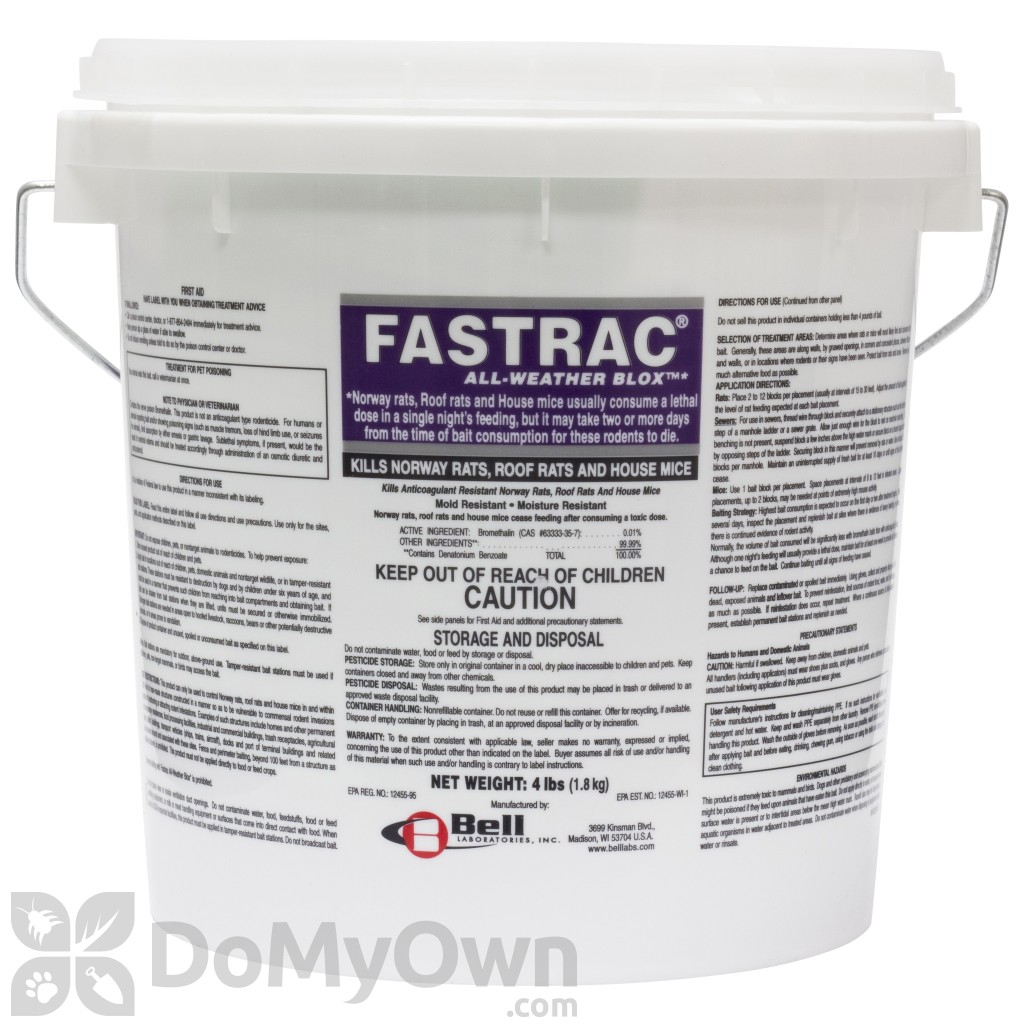
- What is the best rodent poison to counter bait aversion in commercial spaces? Acute neurotoxins containing Bromethalin stop rodent feeding within hours of consumption, preventing bait shyness and saving overall product costs. (e.g., Fastrac All-Weather Blox)
- What is the best formulation for damp, humid environments? Extruded all-weather hard bait blocks bound with food-grade paraffin wax (e.g., Ditrac All-Weather Blox) resist molding in crawlspaces, sewers, and exterior stations.
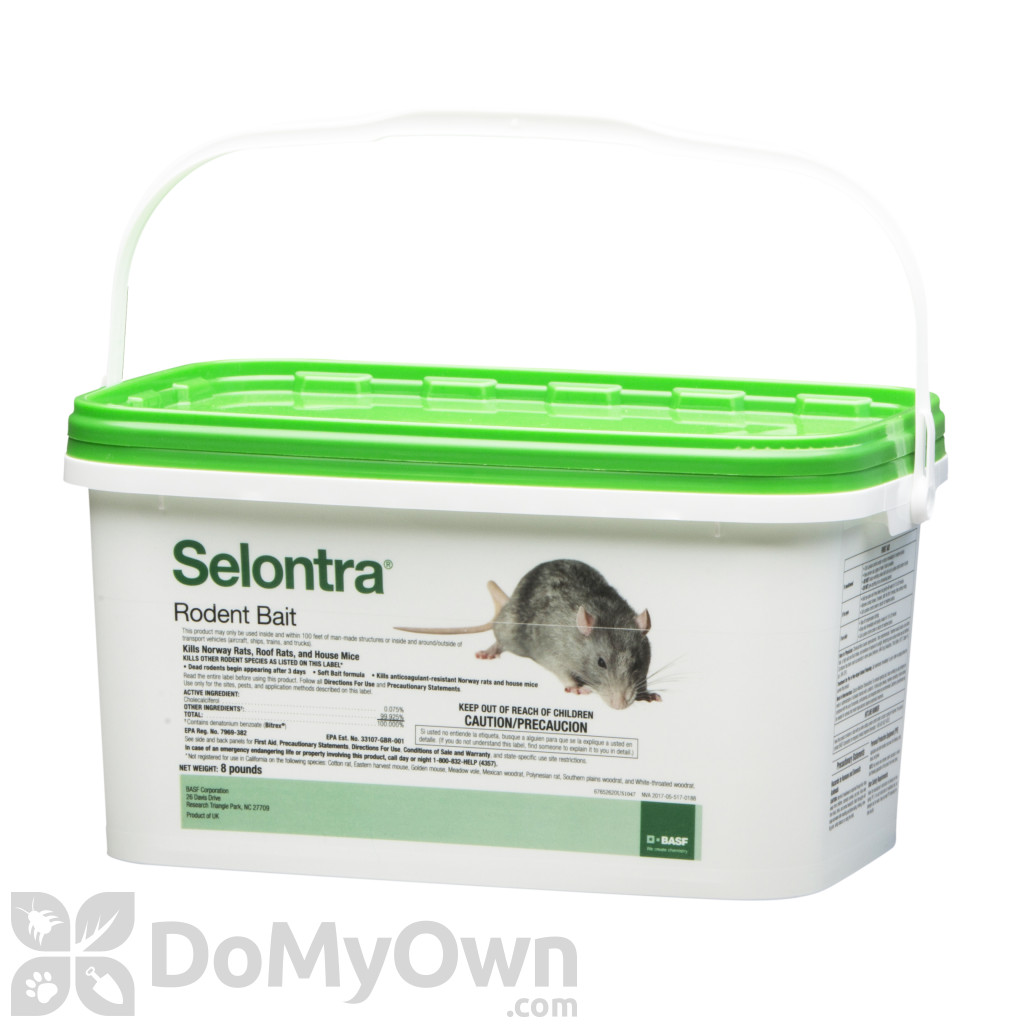
- What is the best bait for selective foragers in kitchens or food warehouses? Premium soft bait sachets formulated with aromatic seed pastes and lard (e.g., Selontra Rodent Bait) break through competing food environments better than traditional wax blocks.
When a structural rodent infestation scales past a few isolated pests, basic retail solutions lose their effectiveness. Commercial property operators, facility managers, and serious DIYers must transition to industrial chemical management programs. However, generic internet searches typically steer buyers toward basic household traps or peanut butter advice.
To permanently clear a severe structural breach, you need to understand professional rodenticides.
Deploying the wrong chemical matrix or active ingredient leads to immediate program failure, bait shyness, and wasted operational budgets. Backed by an Associate Certified Entomologist (ACE) designation and over 40 years of combined hands-on pest control management and field experience, we are breaking down the science of commercial rodent baiting so you can deploy the most effective chemical program safely and legally.
💡 Professional Affiliate & Editorial Disclosure
Some links on this page are affiliate links, meaning a small commission may be earned on recommended professional-grade products (like pressurized backpack sprayers, commercial mouse baits, or exclusion materials) at no extra cost to you.
🛒 Professional Bait & Gear Station
Before deploying any rodenticide program, ensure you have the industry-standard delivery systems and chemical matrices required to achieve absolute perimeter containment:
- [Protecta LP Rodent Bait Stations] Tamper-Resistant Bait Stations: Protect non-target wildlife and pets with commercial-grade locking bait enclosures.
- [Contrac All-Weather Blox] All-Weather Bromadiolone Bait Blocks: The baseline standard for heavy, multi-point perimeter knockdown.
- [Selontra Rodent Bait] High-Palatability Premium Soft Baits: Break through competing food environments inside commercial kitchens and warehouses.
👉👉 For a Complete Field Tested Guide on How to Get Rid of Mice, Read THIS Article Now
1. Decoding Active Chemistry: Finding the Best Rodent Poison
Commercial rodenticides are classified by their biological mode of action. To select the best rodent poison for your specific structure, you must choose between single-feed anticoagulants and fast-acting neurotoxins.
Second-Generation Anticoagulants (SGARs)
These active ingredients—including Bromadiolone and Difethialone—represent the historical baseline for professional pest managers. They work by disrupting the rodent’s liver function, preventing blood from clotting properly.
- The Field Advantage: These are true single-feed poisons. A mouse only needs to consume a tiny fraction of an ounce during a single feeding night to absorb a lethal dose, dying peacefully within 4 to 5 days.
- Operational Fit: Ideal for establishing an external protective perimeter around warehouses, barns, and residential foundations.
Acute Neurotoxins (Non-Anticoagulants)
As environmental regulations shift, active ingredients like Bromethalin have taken center stage in professional pest programs. Bromethalin attacks the central nervous system, causing cellular energy production to shut down completely.
- The Field Advantage: Bromethalin stops a mouse from feeding within hours of a lethal dose. Because the rodent stops eating long before it dies, it doesn’t wastefully over-consume bait. This allows a single pail of bait to clear a significantly larger population, saving you product cost.
- Operational Fit: Essential for rapid knockdown inside structures experiencing heavy population pressures.
2. Choosing the Right Matrix: Soft Baits vs. Hard Blocks
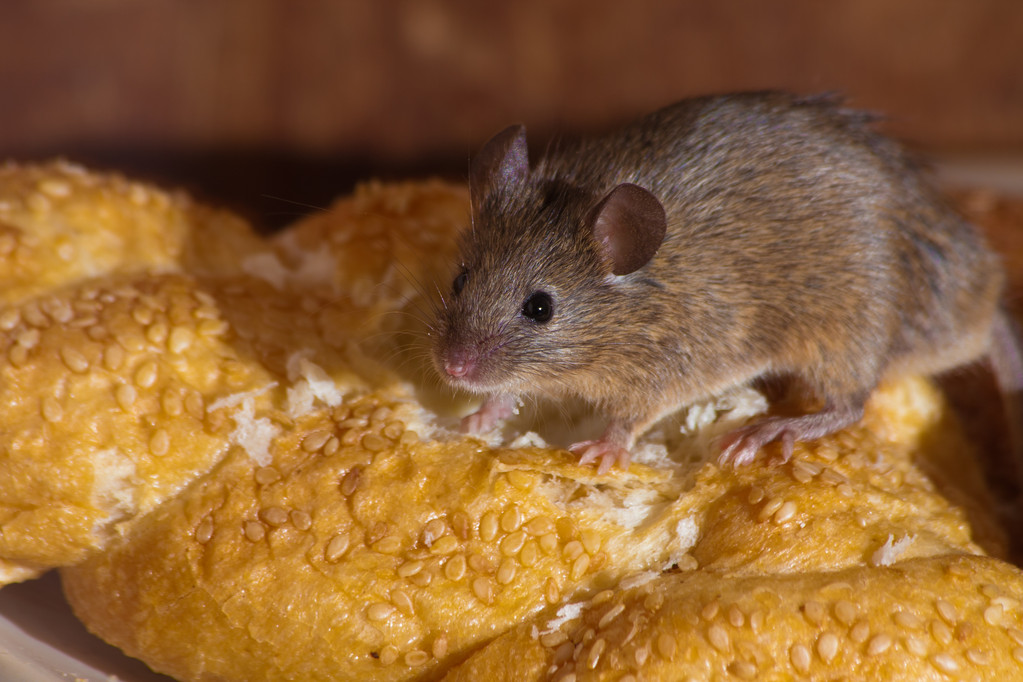
The active chemical compound only works if the target pest is motivated to eat it. Mice are highly selective foragers, and their preference shifts based on their immediate environment. Selecting the best commercial mouse bait requires analyzing the competing food sources on the property.
Extruded All-Weather Blocks
These blocks are formulated with high-quality grain blends mixed with a precise ratio of food-grade paraffin wax.
- Why They Work: The deep grooves molded into the blocks appeal directly to a mouse’s biological necessity to gnaw on hard objects to wear down its continuously growing incisors.
- Best Used In: Damp crawlspaces, open agricultural settings, and exterior bait stations where moisture would cause lesser baits to rot, mold, or dissolve.
👉👉 Want to know What to Do if Mice aren’t eating your bait? Read THIS Article Now
Premium Soft Bait Sachets
Soft baits contain zero wax. Instead, they utilize highly aromatic seed blends, grain flours, and pure lard packaged inside permeable paper pouches. These are great for commercial kitchen environments where there are competing food sources.
- Why They Work: The scent profile of soft bait is incredibly potent. In commercial kitchens, restaurants, or grocery warehouses where rodents have unrestricted access to spilled grease, pet food, or grains, traditional wax blocks are frequently ignored. Soft bait breaks through this competing food noise.
- Best Used In: Complex indoor environments where mice are displaying bait aversion or ignoring standard traps.
3. The 5-Day Structural Application Blueprint
Using professional-grade rodenticides requires strict adherence to safety margins and placement logic. You cannot simply scatter bait blocks in an open room.
- Tamper-Resistant Containment: All toxic baits must be locked securely inside rigid bait stations. These stations feature internal metal rods that anchor the blocks in place. This prevents a mouse from dragging a poison block out into the open where non-target animals or pets could ingest it.
- Tight Interval Spacing: Mice are highly localized foragers, rarely traveling more than 30 feet from their nest. Place your secured stations at strict 8- to 12-foot intervals directly along structural baseboards, walls, and exterior foundation plates. Check the stations every 48 hours during an active knockdown phase, replacing consumed blocks immediately.
👉 Winter Approaching? Learn How to Keep Mice Out of Your House in Fall. Read THIS Article Now
📋 Professional Rodenticide Q&A
Q: Why are mice eating the bait blocks but still active after a few days?
A: This delay is an intentional safety and operational mechanism built into the best rodent poison formulations. If a poison killed a mouse within minutes of ingestion, the remaining family group would immediately recognize the bait station as a hazard. This behavioral response is known as bait shyness. A delayed mortality window of 4 to 5 days ensures the entire colony feeds freely before the first symptoms take effect.
Q: How small of a gap can a mouse slide through to bypass an internal bait line?
A: A mature field mouse only requires a gap measuring 1/4 of an inch—the width of a standard ink pen—to compress its skeleton and enter a room. For a truly complete pest program, always pair your baiting layout with permanent mechanical exclusion. If you find entry holes or gnawed doors, read our step-by-step technical breakdown on can mice chew through wood doors to install bite-proof aluminum plates and metal-filled sweeps.