
Last Updated on September 18, 2026 by Tim L. | Founder of Pest Control Playbook | Reviewed for Scientific Accuracy by our Co-Founder, an Associate Certified Entomologist (ACE)
Quick Answer: To keep mice out of your walls permanently, you must seal every exterior gap larger than a dime (1/4 inch) using a combination of medium-grade stainless steel or copper mesh and outdoor-rated premium silicone caulk. Mice use plumbing lines, weep holes, and foundation cracks as highways into drywall voids. Standard expanding foam will not work alone, as rodents can easily chew right through it. Permanent prevention requires blocking these external entry points, clearing nearby perimeter vegetation, and deploying interior multi-catch traps.
Hearing scratching, chewing, or scurrying noises behind your drywall is a clear sign that rodents have breached your home’s exterior envelope. Once mice get inside your walls, they use the structural wood joists and utility lines as internal highways to access your kitchen, pantries, and crawlspaces.
With over 40 years of combined professional pest control and entomology experience, our team knows exactly how rodents exploit building construction. In this playbook, we are going to show you exactly how to find their secret entry points and seal them out for good using battle-tested professional exclusion methods.
💡 Professional Affiliate & Editorial Disclosure
Some links on this page are affiliate links, meaning a small commission may be earned on recommended professional-grade products (like pressurized backpack sprayers, mouse traps, or commercial baits) at no extra cost to you.
Why Standard DIY Methods Fail
Most homeowners run to the hardware store, buy a standard can of spray foam insulation, shoot it into a gap, and assume the job is done. Unfortunately, mice have incisor teeth that grow continuously throughout their lives. They can chew through wood, plastic, vinyl, and standard spray foam in a matter of minutes.
To create a rodent-proof barrier, you must combine a physical abrasive material that their teeth cannot cut with a durable weatherproofing sealant.
👉👉 If you are currently hearing mice in your walls, read THIS first to learn how to get rid of them fast. After that, proper exclusion and regular baiting will prevent them from infesting your home again
Step-by-Step Exterior Exclusion Guide
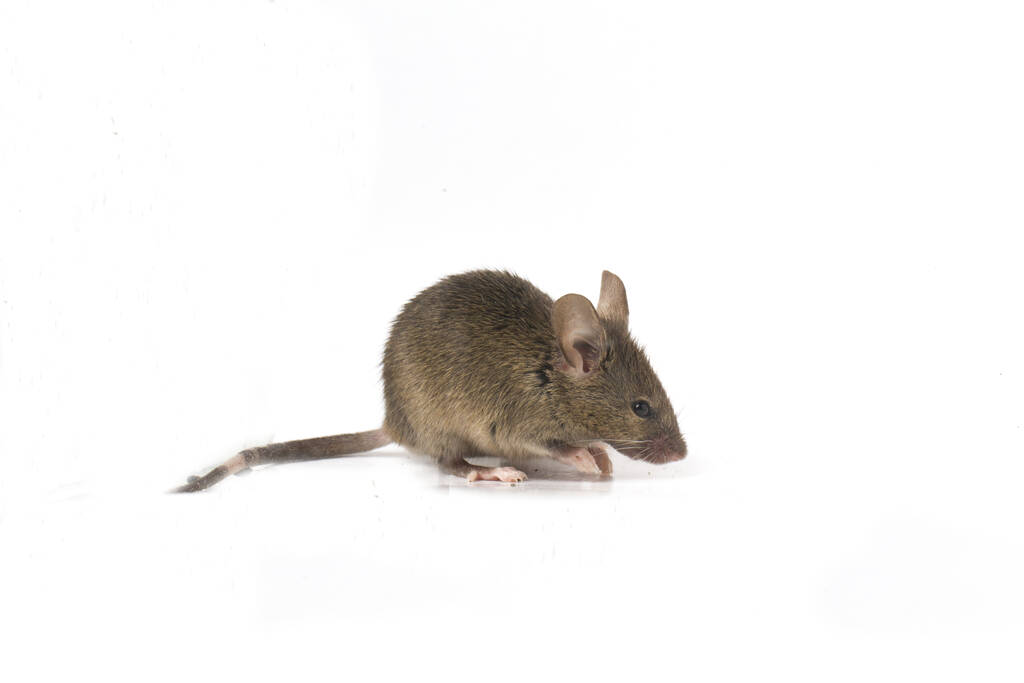
Mice can compress their skeletons to fit through an opening the size of a standard ink pen or a dime. Follow these steps to audit and seal your perimeter:
1. Screen the Foundation Weep Holes
If your home has a brick exterior, you have vertical gaps between bricks near the foundation called weep holes. These are vital for ventilation, but they act as open front doors for mice.
- The Pro Fix: Never clog weep holes with concrete or caulk. Instead, cut pieces of heavy-duty copper mesh or stainless steel mesh and pack them tightly into the weep holes using a screwdriver, or install pre-fabricated metal weep hole covers.
2. Seal Plumbing and Utility Penetrations
Walk around your exterior wall and look closely at where outdoor HVAC copper lines, electrical conduit, and outdoor spigots enter the siding. Builders often leave wide gaps around these pipes.
- The Pro Fix: Stuff the gap tightly with copper mesh, leaving about a half-inch of clearance from the surface. Then, cap the remaining space with a thick layer of exterior silicone caulk to seal out moisture, air drafts, and pests.
3. Reinforce Garage Door Corners and Thresholds
The rubber weatherstripping at the bottom corners of garage doors is one of the most common rodent entry points. Mice will chew right through the soft rubber corners to gain access to the garage, which leads directly into your interior walls.
- The Pro Fix: Install heavy-duty, steel-reinforced rubber garage door sweeps, or pack the bottom hollow tracks of your existing rubber seals with copper mesh.
4. Inspect Siding Voids and J-Channels
Vinyl and aluminum siding use a trim piece called a “J-Channel” along the bottom edges and around windows. If these channels are not capped tightly at the corners, mice can crawl inside the trim, slide underneath your house wrap, and find gaps in the exterior plywood sheathing to enter the wall framing.
Professional Exclusion Tools
(We highly recommend directing readers to these professional-grade materials available on DoMyOwn Pest Control.)
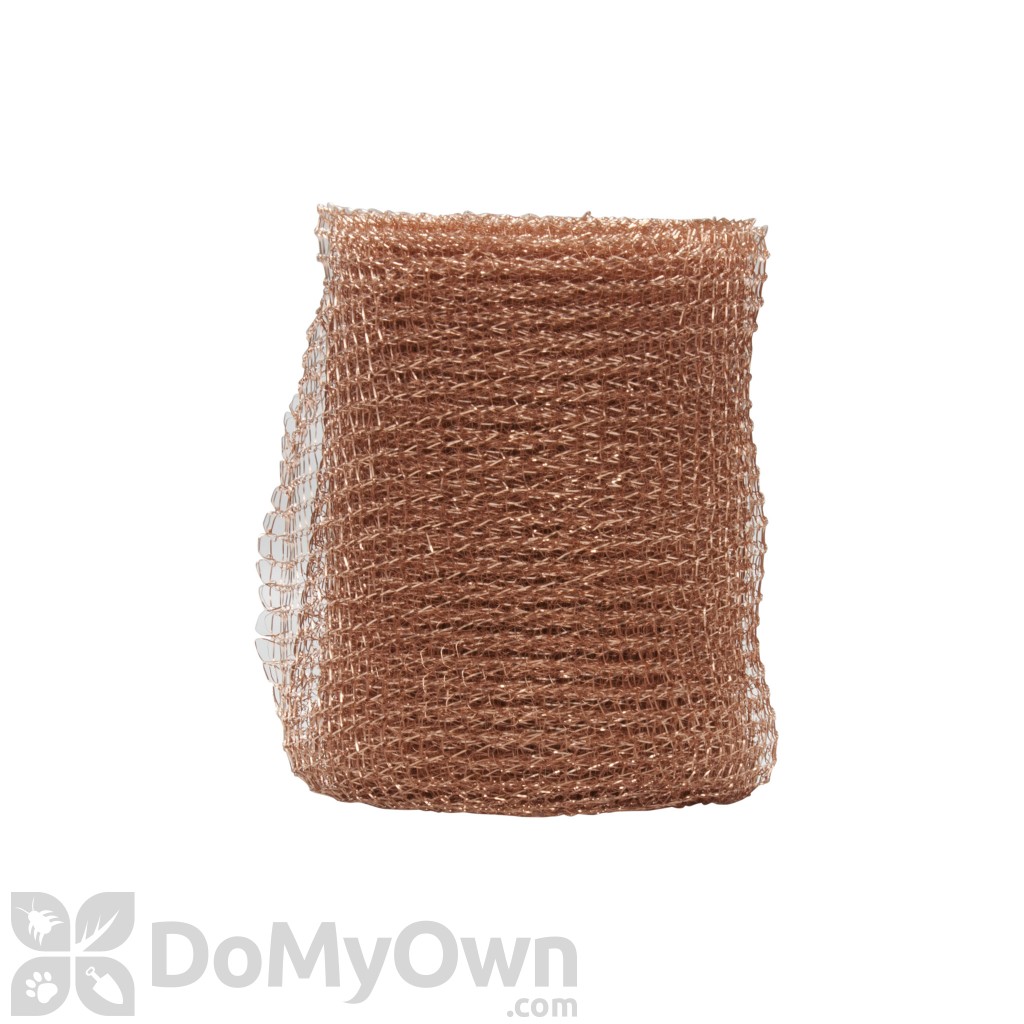
- Professional Copper Mesh / Stainless Steel Wire Cloth: Unlike steel wool, pure copper mesh will not rust, degrade, or stain your exterior walls over time when exposed to rain. It provides the ultimate chew-proof barrier.
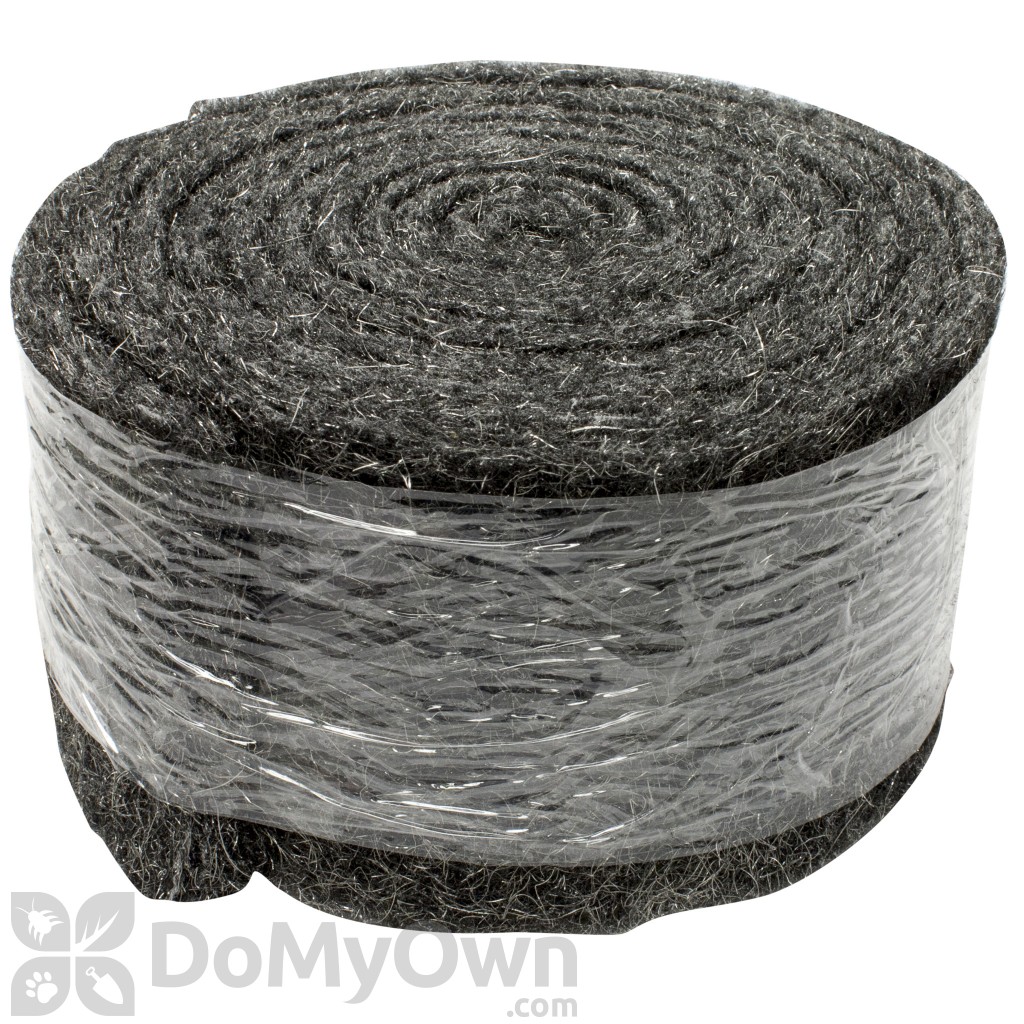
- Xcluder Rodent Prevention Fill Fabric: A specialized blend of coarse stainless steel wool and poly fibers that is specifically engineered to resist compression, making it impossible for rodents to pull out or chew through.
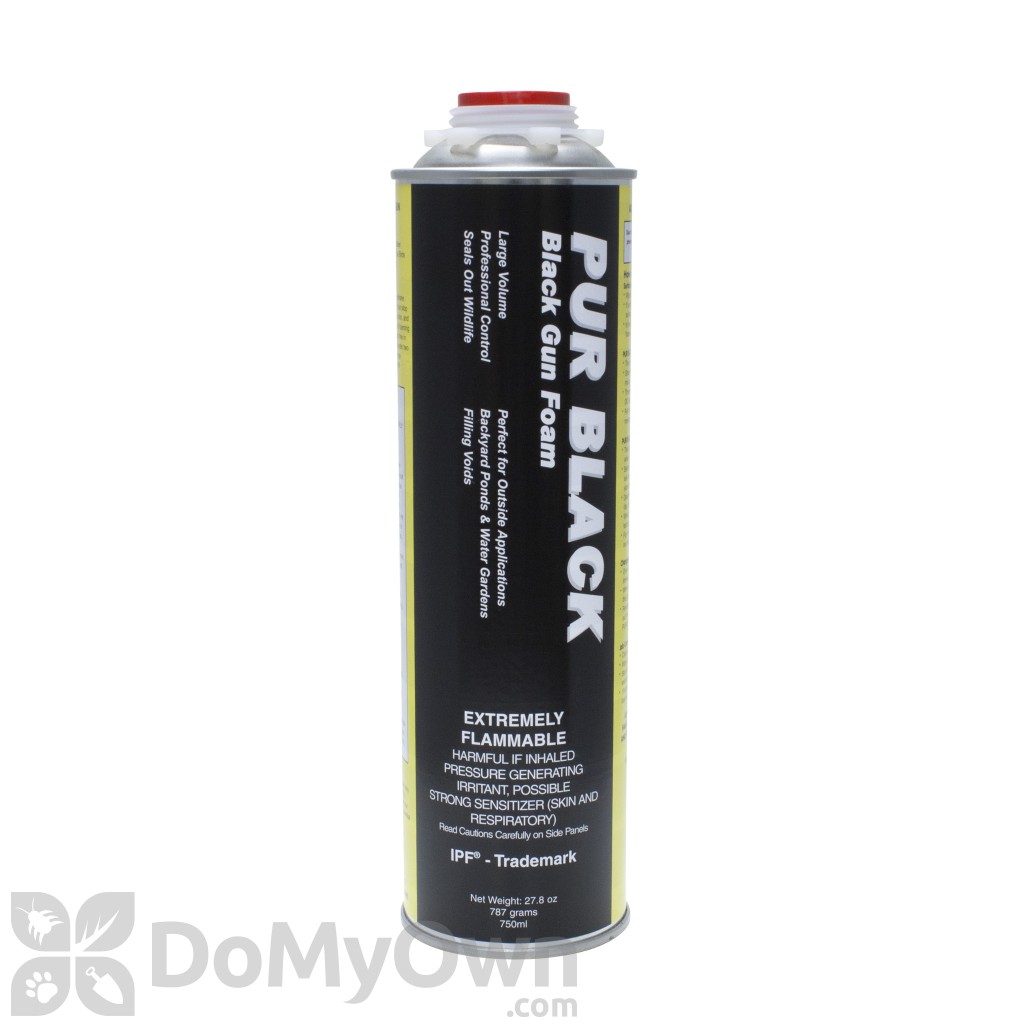
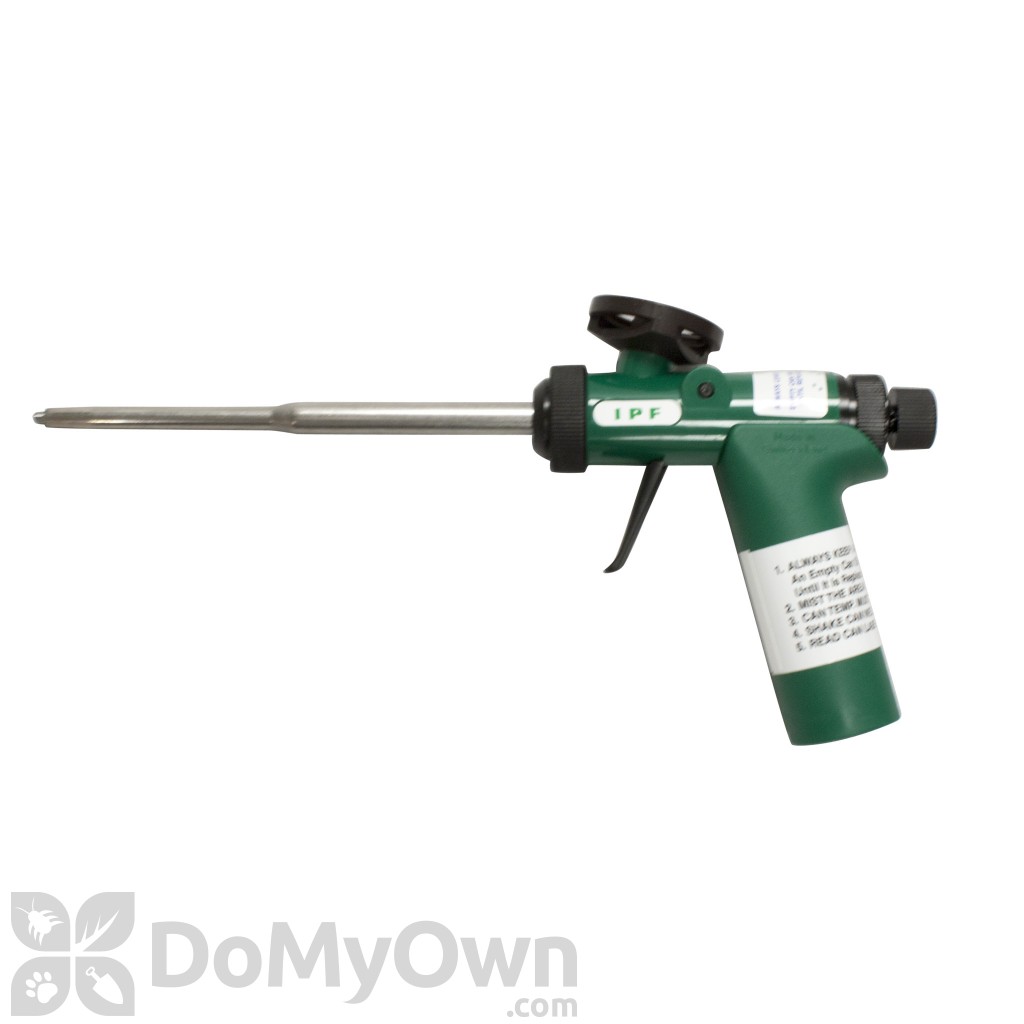
- Pur Black Foam: Pur Black Foam is for outdoor use and will quickly seal cracks, crevices and voids to help prevent insects and other small pests such as mice, rats and birds from getting inside your home. Apply with Pageris Foam Gun
Frequently Asked Questions (FAQ)
Can mice chew through standard steel wool?
Yes, mice can eventually chew through or pull out standard household kitchen steel wool. Furthermore, standard steel wool rusts rapidly when exposed to outdoor moisture, which leaves ugly red stains on your siding and eventually disintegrates the barrier. Always use pure copper mesh or stainless steel exclusion fabric instead.
Will mice eventually die inside the walls if I seal them in?
If you seal the exterior entry points while mice are inside foraging, they may become trapped. They will actively search for an interior exit into your living spaces or die within 3 to 5 days. To prevent this, always set highly effective interior snap traps along your baseboards for 3 to 4 days before performing your final exterior exclusion work to clean out the active population.
Why do I hear scratching in my walls only at night?
Mice are strictly nocturnal animals with highly sensitive eyes adapted for darkness. They are most active between the hours of dusk and dawn, which is when they leave the wall voids to forage for food scraps in your kitchen and pantry.
Can mice climb straight up interior and exterior walls?
Mice are phenomenal climbers. They can easily scale textured vertical surfaces like brick, stone, stucco, wood siding, and the interior face of unfinished drywall. They can also travel vertically along internal electrical wiring and plumbing pipes like a ladder.
How much does it cost to professionally rodent-proof a house?
Commercial pest control operations typically charge anywhere from $800 to $2,500+ to perform full-home exclusion work, depending on the size of the structure and the number of construction gaps. Taking a DIY approach using professional-grade mesh and sealants allows you to achieve identical results for a fraction of the cost.